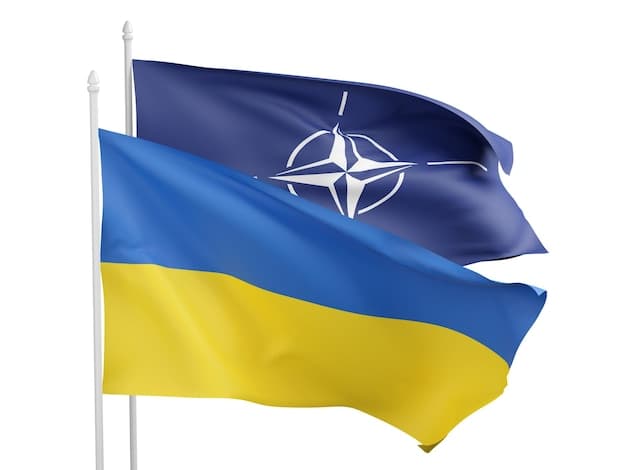
NATO maintains a strict non-combatant policy in Ukraine, providing billions in military aid, weapons, training outside its borders, and intelligence sharing, but no direct troop deployments for fighting, as trader consensus reflects amid escalation risks under Article 5. A high-level NATO delegation's first visit to Ukraine since Russia's full-scale invasion on March 22, 2026, focused on deepening cooperation through joint exercises, JATEC expansion, and Ukraine's "Red Team" role, signaling integration without combat involvement. Warnings from Russia and leaders like Slovakia's PM Fico underscore WW3 fears, while ongoing Russian offensives and potential ceasefire talks loom; upcoming NATO summits and U.S. policy shifts could influence dynamics before key deadlines.
基於Polymarket數據的AI實驗性摘要 · 更新於$273,673 交易量
2026年6月30日
4%
$273,673 交易量
2026年6月30日
4%
For military personnel to qualify toward a "Yes" resolution, they must be 1) officially acknowledged as active military by the NATO or EU entity or member state they are affiliated with; 2) be publicly acknowledged by NATO or an EU-affiliated entity to have entered Ukraine for a combat-related military purpose directly pertaining to the ongoing conflict with Russia.
For military personnel to qualify toward a "Yes" resolution they need be active duty and acknowledged as described above. Participation in a combat role is necessary for this market to resolve to "Yes" (e.g. military personnel providing training or intelligence support would not qualify toward a "Yes" resolution, however drone pilots or infantry directly attacking Russian troops, or soldiers targeting and downing missiles from Ukrainian soil would qualify toward a "Yes" resolution).
The primary resolution source for this market will be official information from NATO, the EU, or member states of either entity, however a consensus of credible reporting will also be used.
市場開放時間: Sep 23, 2025, 5:15 PM ET
Resolver
0x65070BE91...For military personnel to qualify toward a "Yes" resolution, they must be 1) officially acknowledged as active military by the NATO or EU entity or member state they are affiliated with; 2) be publicly acknowledged by NATO or an EU-affiliated entity to have entered Ukraine for a combat-related military purpose directly pertaining to the ongoing conflict with Russia.
For military personnel to qualify toward a "Yes" resolution they need be active duty and acknowledged as described above. Participation in a combat role is necessary for this market to resolve to "Yes" (e.g. military personnel providing training or intelligence support would not qualify toward a "Yes" resolution, however drone pilots or infantry directly attacking Russian troops, or soldiers targeting and downing missiles from Ukrainian soil would qualify toward a "Yes" resolution).
The primary resolution source for this market will be official information from NATO, the EU, or member states of either entity, however a consensus of credible reporting will also be used.
Resolver
0x65070BE91...NATO maintains a strict non-combatant policy in Ukraine, providing billions in military aid, weapons, training outside its borders, and intelligence sharing, but no direct troop deployments for fighting, as trader consensus reflects amid escalation risks under Article 5. A high-level NATO delegation's first visit to Ukraine since Russia's full-scale invasion on March 22, 2026, focused on deepening cooperation through joint exercises, JATEC expansion, and Ukraine's "Red Team" role, signaling integration without combat involvement. Warnings from Russia and leaders like Slovakia's PM Fico underscore WW3 fears, while ongoing Russian offensives and potential ceasefire talks loom; upcoming NATO summits and U.S. policy shifts could influence dynamics before key deadlines.
基於Polymarket數據的AI實驗性摘要 · 更新於
警惕外部連結哦。
警惕外部連結哦。
Frequently Asked Questions