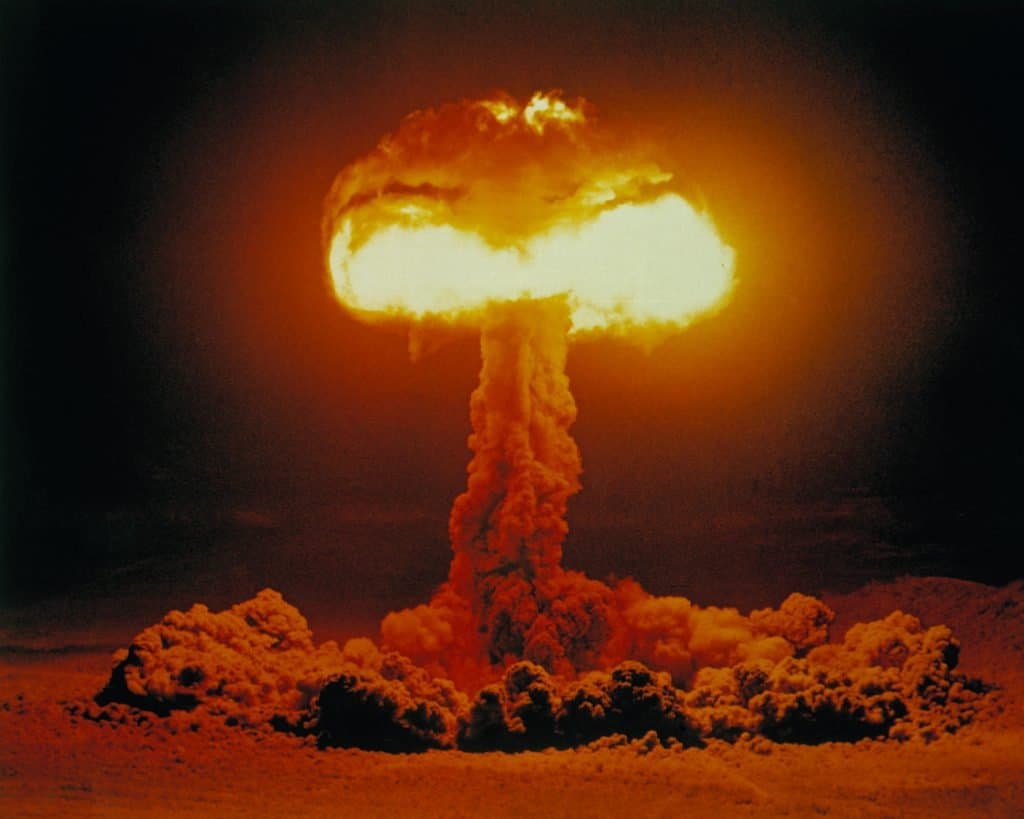
President Trump’s October 2025 directive to resume U.S. nuclear testing “on an equal basis” with alleged Russian and Chinese activities triggered the market, yet subsequent clarifications from Energy Secretary Chris Wright emphasized non-critical system tests and subcritical experiments rather than explosive detonations producing a nuclear yield. The United States has maintained its voluntary moratorium since 1992 through the Science-Based Stockpile Stewardship Program, which relies on simulations, diagnostics, and annual certifications to ensure arsenal reliability. Technical preparations for a full underground explosive test at the Nevada National Security Site would require 24–36 months following any presidential decision, while domestic opposition, congressional scrutiny, and the absence of confirmed adversary supercritical tests have kept implied probabilities low. Trader consensus reflects these barriers and the preference for non-explosive verification methods amid ongoing arms-control debates.
基於Polymarket數據的AI實驗性摘要。這不是交易建議,也不影響該市場的結算方式。 · 更新於$795,936 交易量
2026年9月30日
1%
2026年12月31日
5%
$795,936 交易量
2026年9月30日
1%
2026年12月31日
5%
A nuclear test is defined as the intentional non-combat detonation of a device by the US that produces a nuclear chain reaction (fission or fusion), regardless of yield.
Accidents, radiological dispersal devices (bombs that spread radioactive material using conventional explosives such as "dirty bombs"), or actions by third parties will not count toward this market's resolution.
Tests not explicitly claimed by US may still qualify if a clear consensus of credible reporting attributes the nuclear detonation to US. For example, an unclaimed nuclear test analogous to the 1979 "Vela Incident" would count if credible reporting attributes it to the US.
The resolution source for this market will be a broad consensus of credible reporting.
市場開放時間: Mar 31, 2026, 3:32 PM ET
A nuclear test is defined as the intentional non-combat detonation of a device by the US that produces a nuclear chain reaction (fission or fusion), regardless of yield.
Accidents, radiological dispersal devices (bombs that spread radioactive material using conventional explosives such as "dirty bombs"), or actions by third parties will not count toward this market's resolution.
Tests not explicitly claimed by US may still qualify if a clear consensus of credible reporting attributes the nuclear detonation to US. For example, an unclaimed nuclear test analogous to the 1979 "Vela Incident" would count if credible reporting attributes it to the US.
The resolution source for this market will be a broad consensus of credible reporting.
President Trump’s October 2025 directive to resume U.S. nuclear testing “on an equal basis” with alleged Russian and Chinese activities triggered the market, yet subsequent clarifications from Energy Secretary Chris Wright emphasized non-critical system tests and subcritical experiments rather than explosive detonations producing a nuclear yield. The United States has maintained its voluntary moratorium since 1992 through the Science-Based Stockpile Stewardship Program, which relies on simulations, diagnostics, and annual certifications to ensure arsenal reliability. Technical preparations for a full underground explosive test at the Nevada National Security Site would require 24–36 months following any presidential decision, while domestic opposition, congressional scrutiny, and the absence of confirmed adversary supercritical tests have kept implied probabilities low. Trader consensus reflects these barriers and the preference for non-explosive verification methods amid ongoing arms-control debates.
基於Polymarket數據的AI實驗性摘要。這不是交易建議,也不影響該市場的結算方式。 · 更新於


警惕外部連結哦。
警惕外部連結哦。
Frequently Asked Questions