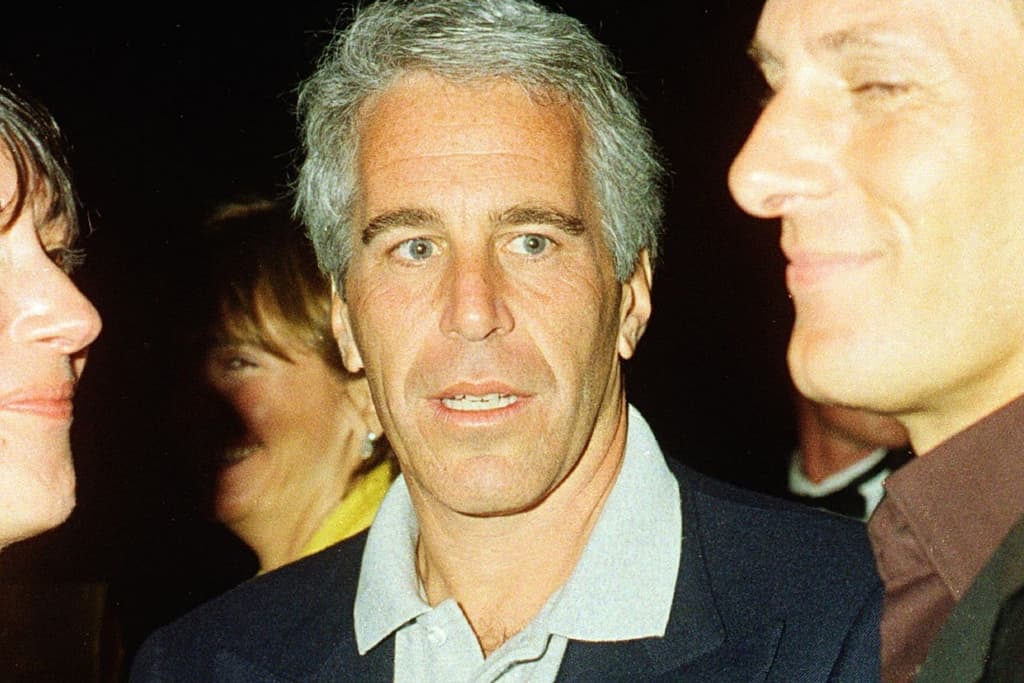
The U.S. Department of Justice, under Attorney General Pam Bondi, released over 3.5 million pages of Epstein files on January 30, 2026, pursuant to the Epstein Files Transparency Act signed by President Trump in 2025, revealing names like Bill Clinton, Bill Gates, and others in emails and records but lacking an explicit client list tying individuals to sex trafficking or related crimes. This fell short of market resolution criteria, sparking disputes, victim lawsuits over exposed identities, and Republican frustrations with DOJ handling. Congressional figures like Rep. James Comer cite Epstein's accountant naming high-profile payers, fueling calls for more unredacted disclosures amid low trader-implied probabilities for a qualifying list by the June 30, 2026, deadline.
Resumen experimental generado por IA con datos de Polymarket · Actualizado$3,934,909 Vol.
30 de junio
12%
$3,934,909 Vol.
30 de junio
12%
To qualify, the files must contain names in a context equivalent to what is commonly referred to as Epstein’s “client list”—that is, a document that explicitly identifies a list or set of individuals as being directly connected to, participating in, facilitating, funding, soliciting, or otherwise being implicated in Jeffrey Epstein’s illegal activities.
A document may qualify even if it does not contain explicit incriminating language on its face, so long as credible reporting or accompanying official context confirms that the released document is an incriminating client list or functionally equivalent roster of individuals tied to Epstein’s illegal activity.
The following will not qualify:
- Flight logs, passenger manifests, visitor logs, or transportation records which merely show individuals traveling with, meeting with, or visiting Epstein without any explicit or contextual tie to criminal activity.
- Contact books, address lists, social calendars, guest lists, schedules, correspondence logs, or similar documents that include names solely due to social contact, proximity, acquaintance, or logistical interaction with Epstein.
- Any document listing individuals without accompanying language, context, or credible reporting that connects those individuals to Epstein’s illegal activity.
The primary resolution sources for this market will be the released files themselves and a consensus of credible reporting.
Mercado abierto: Dec 22, 2025, 7:54 PM ET
Resolver
0x65070BE91...Resultado propuesto: Sí
Disputado
Resultado propuesto: Sí
Disputado
Revisión final
To qualify, the files must contain names in a context equivalent to what is commonly referred to as Epstein’s “client list”—that is, a document that explicitly identifies a list or set of individuals as being directly connected to, participating in, facilitating, funding, soliciting, or otherwise being implicated in Jeffrey Epstein’s illegal activities.
A document may qualify even if it does not contain explicit incriminating language on its face, so long as credible reporting or accompanying official context confirms that the released document is an incriminating client list or functionally equivalent roster of individuals tied to Epstein’s illegal activity.
The following will not qualify:
- Flight logs, passenger manifests, visitor logs, or transportation records which merely show individuals traveling with, meeting with, or visiting Epstein without any explicit or contextual tie to criminal activity.
- Contact books, address lists, social calendars, guest lists, schedules, correspondence logs, or similar documents that include names solely due to social contact, proximity, acquaintance, or logistical interaction with Epstein.
- Any document listing individuals without accompanying language, context, or credible reporting that connects those individuals to Epstein’s illegal activity.
The primary resolution sources for this market will be the released files themselves and a consensus of credible reporting.
Resolver
0x65070BE91...Resultado propuesto: Sí
Disputado
Resultado propuesto: Sí
Disputado
Revisión final
The U.S. Department of Justice, under Attorney General Pam Bondi, released over 3.5 million pages of Epstein files on January 30, 2026, pursuant to the Epstein Files Transparency Act signed by President Trump in 2025, revealing names like Bill Clinton, Bill Gates, and others in emails and records but lacking an explicit client list tying individuals to sex trafficking or related crimes. This fell short of market resolution criteria, sparking disputes, victim lawsuits over exposed identities, and Republican frustrations with DOJ handling. Congressional figures like Rep. James Comer cite Epstein's accountant naming high-profile payers, fueling calls for more unredacted disclosures amid low trader-implied probabilities for a qualifying list by the June 30, 2026, deadline.
Resumen experimental generado por IA con datos de Polymarket · Actualizado
Cuidado con los enlaces externos.
Preguntas frecuentes