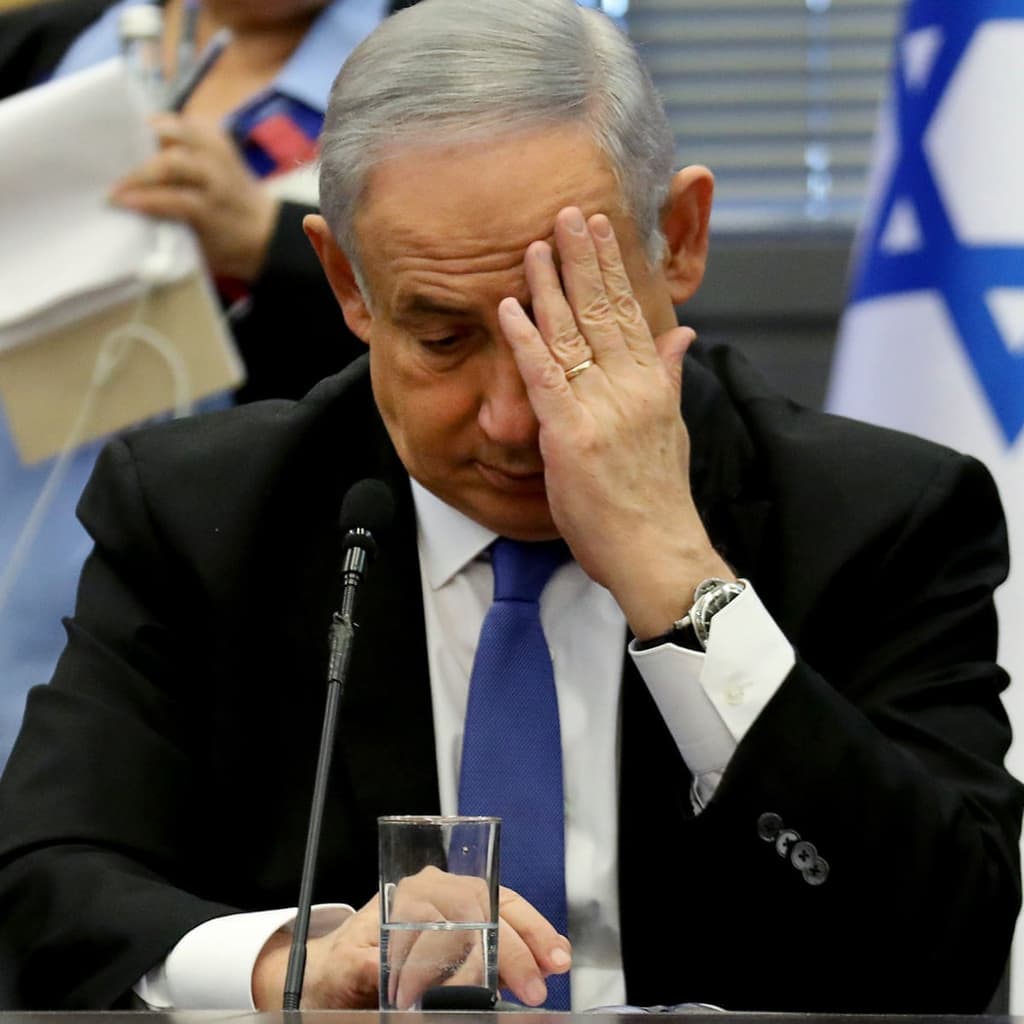
Israel’s governing coalition has fractured amid disputes over military draft exemptions for ultra-Orthodox parties, prompting the Knesset to advance legislation dissolving parliament in mid-May 2026. Elections are now scheduled by October 27, with some coalition members pushing for a September vote. Recent polling shows Benjamin Netanyahu’s Likud party as the largest single list, yet his broader right-wing bloc trails the opposition. Netanyahu continues to face an ongoing corruption trial while stating his intent to seek another term. These developments, centered on coalition arithmetic and voter sentiment ahead of the vote, represent the primary near-term factors influencing assessments of his continued tenure as prime minister.
Resumo experimental gerado por IA com dados do Polymarket. Isto não é aconselhamento de trading e não tem qualquer papel na resolução deste mercado. · AtualizadoKnesset votes overwhelmingly to dissolve itself, advancing snap election plans
December 31 jumps to 63%11%
The Israeli parliament voted 110-0 in favor of a bill to dissolve itself, potentially bringing forward elections and increasing the likelihood of Netanyahu losing power before the end of 2026.
Knesset passes dissolution bill, scheduling early elections for October 27
December 31 surges to 64%19%
Israel's Knesset passed a preliminary dissolution bill with unanimous support, advancing legislative elections to no later than October 27 amid coalition fractures over ultra-Orthodox conscription exemptions, which increased market confidence that Netanyahu might resign or be removed by December 31, 2026.
Israeli Knesset advances bill to dissolve parliament, paving way for early elections
December 31 jumps to 60%7%
The Knesset advanced a dissolution bill with unanimous preliminary support, indicating imminent early elections and increasing market confidence that Netanyahu might resign or be removed by December 31, 2026.
Israel's Knesset passes preliminary dissolution bill
December 31 jumps to 64%14%
The Knesset advanced a dissolution bill with unanimous preliminary support, scheduling legislative elections by October 27 amid coalition fractures over ultra-Orthodox conscription exemptions, which increased market confidence that Netanyahu might resign or be removed by December 31.
Israel's Knesset advances dissolution bill with unanimous preliminary support
December 31 surges to 64%15%
The Knesset passed a dissolution bill, advancing legislative elections to no later than late October. This effectively secured Netanyahu's position until the next election, causing the market price to settle at 64% on May 25.
Israel's parliament votes to dissolve itself amid coalition collapse
December 31 jumps to 60%7%
The Knesset voted to dissolve itself following the withdrawal of support from ultra-Orthodox factions, signaling political crisis and increasing the probability of Netanyahu's resignation before the end of 2026.
Israeli lawmakers vote to dissolve parliament ahead of early elections
December 31 jumps to 57%7%
The Knesset voted to dissolve itself, with the vote prompted by an ultra-Orthodox faction announcing they no longer saw Netanyahu as a partner and would seek early elections. This decisive action significantly increased market expectations of Netanyahu's removal.
Israeli lawmakers vote to dissolve Knesset amid ultra‑Orthodox draft crisis
May 31 plunges to 0%27%
The Knesset voted in a preliminary reading to dissolve parliament after ultra‑Orthodox factions withdrew support over the draft‑exemption bill. The move signalled a likely early election, pushing the market to believe Netanyahu would be out by the end‑of‑May deadline.
Israel recovers remains of last hostage in Gaza, Netanyahu calls it an achievement
December 31 rises to 53%2%
The recovery of the last Israeli hostage's remains was hailed by Netanyahu as a significant achievement, reinforcing his leadership during the ongoing conflict and ceasefire process. This event contributed to a slight increase in market confidence regarding his continuation in office.
Israel recovers remains of last hostage in Gaza, Netanyahu calls it an achievement
December 31 rises to 51%1%
The recovery of the last hostage's remains in Gaza was a significant event for Netanyahu's government, reinforcing his leadership during the ongoing conflict and peace process, which likely contributed to the stabilization of the December 31 outcome price around 51%.
Israel launches large-scale operation to locate last hostage in Gaza amid ceasefire talks
May 31 dips to 1%2%
Netanyahu’s government conducted a major operation to recover the last hostage in Gaza, a key step before advancing the ceasefire’s second phase. This demonstrated Netanyahu’s continued control and leadership, contributing to the market’s sharp decline in short-term resignation probabilities.
Netanyahu urges calm after Israeli police forcibly enter UNRWA compound
December 31 dips to 50%2%
Netanyahu's government faced international criticism after Israeli police forcibly entered a UN Palestinian aid agency compound, underscoring ongoing tensions but no indication of resignation, maintaining market skepticism.
Netanyahu approves $35 billion natural gas export deal to Egypt
December 31 rises to 52%1%
Netanyahu approved a historic $35 billion natural gas export deal to Egypt, strengthening Israel’s regional position and demonstrating his ongoing governance role. This positive economic development likely bolstered market confidence in his tenure through the end of 2026.
Israel objects to US announcement of leaders overseeing Gaza ceasefire next steps
Israel's government, led by Netanyahu, publicly objected to the US-led executive committee overseeing Gaza's ceasefire next steps, reflecting internal political tensions but maintaining Netanyahu's leadership role, which likely stabilized the market's year-end resignation probability.
Netanyahu agrees to join Trump’s Board of Peace despite earlier criticism
December 31 rises to 52%2%
Netanyahu's acceptance to join the Board of Peace, a U.S.-led initiative to oversee Gaza ceasefire and broader regional peace efforts, signaled his continued political engagement and leadership, supporting the market's slight increase in December 31 resignation probability.
Netanyahu meets Trump to discuss Iran talks and regional security
Netanyahu held a meeting with U.S. President Trump focusing on Iran negotiations and regional security issues. This high-profile engagement reinforced expectations that Netanyahu would remain in office through the year-end, reflected in the December 31 outcome price stabilizing around 51%.
Netanyahu convenes cabinet on escalating settler violence in West Bank
Netanyahu held a security cabinet meeting to address rising Israeli settler violence in the West Bank, reflecting ongoing internal security challenges. This event underscored the political pressures Netanyahu faces but did not lead to resignation, consistent with market price stability.
Netanyahu meets Trump in Washington to discuss Iran and Gaza ceasefire
May 31 dips to 1%2%
The high‑profile diplomatic meeting shifted focus to U.S. negotiations, suggesting Netanyahu was seeking external support rather than domestic stability, which further lowered confidence in a May 31 resignation.
Israel's ruling coalition proposes early elections amid ultra-Orthodox opposition to Netanyahu
December 31 rises to 50%1%
Ultra-Orthodox parties withdrew support from Netanyahu over military conscription exemptions for Haredi communities and budget disputes, prompting the coalition to submit a dissolution bill for early elections, increasing expectations of Netanyahu's removal.
Israeli opposition coalition launches bid to unseat Netanyahu in national election
December 31 rises to 53%3%
The Beyahad coalition formally launched its campaign to replace Netanyahu, promising a 'rebuild' of Israeli society. This intensified the political pressure on Netanyahu and contributed to the market's price movement.
Netanyahu tries to calm tensions after ultra-Orthodox boy killed by bus
Netanyahu's call for calm after a tragic incident during ultra-Orthodox protests highlighted ongoing domestic unrest but no indication of resignation, supporting market prices stabilizing around 51% for December 31 outcome.
Ultra-Orthodox parties break with Netanyahu over military conscription dispute
December 31 dips to 50%3%
Key ultra-Orthodox coalition partners publicly withdrew support from Netanyahu's government due to failure to pass a military draft exemption law, triggering a political crisis and calls for early elections.
Netanyahu meets Trump to discuss Iran talks and Gaza ceasefire progress
December 31 rises to 51%2%
Netanyahu met with U.S. President Trump to discuss ongoing Iran nuclear negotiations and progress on Gaza ceasefire, reaffirming his leadership role in critical regional issues. This meeting likely reinforced market confidence in Netanyahu's position through the end of the year, contributing to the rise in the December 31 outcome probability.
Netanyahu faces renewed US pressure to advance Gaza ceasefire’s second phase
May 31 dips to 1%2%
U.S. envoys met with Netanyahu urging swift movement into the second phase of the Gaza ceasefire, signaling that continued delays could jeopardize his standing with Washington and increase resignation speculation.
Netanyahu meets Trump in Florida, discusses Iran and Gaza ceasefire progress
December 31 rises to 51%2%
Netanyahu’s meeting with Trump focused on Iran’s nuclear threat and advancing the Gaza ceasefire’s second phase. Despite ongoing challenges, Netanyahu’s active leadership role and Trump’s public support, including calls for a pardon, bolstered market confidence in Netanyahu’s continued tenure through 2026.
Israel launches large-scale operation to locate last hostage in Gaza
December 31 rises to 51%2%
Netanyahu's government initiated a major military operation to recover the last hostage in Gaza, underscoring his continued leadership and focus on security issues, which likely diminished market expectations of his stepping down soon.
Israel launches large-scale operation to locate last hostage in Gaza
May 31 dips to 1%1%
Israel launched a major operation to find the last hostage in Gaza, with Netanyahu's government involved in sensitive security matters, reinforcing his position and lowering chances of resignation by May 31.
Trump and Netanyahu meet in Florida, discuss Iran and Gaza progress
December 31 jumps to 53%7%
The high-profile meeting between Trump and Netanyahu focused on Iran negotiations and Gaza ceasefire progress, highlighting Netanyahu's ongoing political relevance and leadership, which likely supported market confidence in his continuation as Prime Minister.
US envoys urge Netanyahu to advance Gaza ceasefire second phase
December 31 dips to 49%3%
US envoys pressed Netanyahu to move forward with the Gaza ceasefire's second phase, highlighting ongoing political and security challenges. This pressure may have contributed to some market uncertainty about Netanyahu's political future, reflected in minor price fluctuations.
Netanyahu approves $35 billion natural gas export deal to Egypt
December 31 jumps to 53%7%
Netanyahu's approval of a historic natural gas export deal to Egypt demonstrated his continued leadership and influence in regional economic affairs, supporting market confidence that he would not resign imminently.
Israel launches large-scale operation to locate last hostage in Gaza
December 31 jumps to 51%6%
Netanyahu’s government launched a major operation to find the last hostage in Gaza, a key issue delaying the next ceasefire phase. This operation underscored Netanyahu’s active leadership during wartime, supporting market confidence in his continuation as Prime Minister.
Singapore imposes sanctions on Israeli settlers amid West Bank violence
December 31 jumps to 53%9%
Singapore announced targeted sanctions on Israeli settlers involved in violence against Palestinians, highlighting international pressure on Israel. Netanyahu's government faced criticism but maintained its policies, reflecting political resilience and affecting resignation market prices.
Netanyahu agrees to join Trump’s Board of Peace overseeing Gaza ceasefire
December 31 jumps to 53%5%
Netanyahu announced his acceptance to join the U.S.-led Board of Peace, expanding his political role in regional peace efforts. This move suggested his continued active leadership, supporting a rise in the December 31 resignation probability from 48% to 53%.
Netanyahu meets Trump, insists on expanded US talks with Iran
December 31 jumps to 53%5%
Netanyahu's private meeting with President Trump, where he pushed for expanded negotiations with Iran including missile and militant group limits, underscored his active role in foreign policy, supporting market confidence in his continued tenure through the year-end.
Netanyahu urges calm after ultra-Orthodox tensions and violence
December 31 rises to 50%1%
Netanyahu called for restraint following violent protests and a fatal accident involving ultra-Orthodox demonstrators, highlighting ongoing internal political challenges but no indication of resignation plans.
Netanyahu agrees to join Trump’s expanded Board of Peace for Gaza ceasefire
May 31 dips to 1%1%
Despite earlier criticism, Netanyahu agreed to join the U.S.-led Board of Peace overseeing Gaza ceasefire's second phase, indicating his ongoing active role in regional diplomacy and governance. This reduced market expectations for an imminent resignation, reflected in the decline of probabilities for May 31 and June 30 outcomes.
Trump hosts signing ceremony for Board of Peace in Davos with Netanyahu’s participation
December 31 rises to 53%3%
President Trump held a signing ceremony for the Board of Peace, with Netanyahu among the leaders present. The event underscored Netanyahu’s ongoing political engagement and alliance with Trump, reinforcing market expectations that he would not resign imminently.
Netanyahu reiterates Hamas must disarm in Gaza peace process
December 31 jumps to 53%12%
Netanyahu emphasized that Hamas must disarm as part of the Gaza ceasefire agreement and peace process, reinforcing his commitment to regional stability. This statement coincided with a slight increase in the December 31 resignation probability from 41% to 53%.
Israel launches large-scale operation to locate last hostage in Gaza
December 31 jumps to 53%8%
Israel's military launched a major operation to find the last hostage in Gaza, with Netanyahu's government actively managing the complex ceasefire process. This demonstrated Netanyahu's continued control over critical security issues, reducing resignation likelihood.
Netanyahu meets with U.S. President Trump to discuss Iran talks and Gaza ceasefire
December 31 jumps to 50%5%
Netanyahu's high-profile meeting with Trump in Washington focused on Iran nuclear negotiations and Gaza ceasefire progress, underscoring his active leadership role and reducing near-term resignation expectations, coinciding with a peak in December 31 outcome price.
Netanyahu approves $35 billion gas export deal to Egypt
The landmark gas deal was presented as a major economic win for Netanyahu, but critics argued it was a political maneuver to shore up support, leading some investors to doubt the durability of his coalition and further depress market odds.
Netanyahu urges calm after ultra-Orthodox teen killed during protest
May 31 plunges to 3%23%
Following the death of a 14-year-old ultra-Orthodox boy during protests against military draft laws, Netanyahu called for restraint to prevent further violence. This incident highlighted internal tensions and political challenges for Netanyahu, slightly affecting market confidence in his tenure lasting through May 31.
Netanyahu approves $35 billion natural gas export deal to Egypt
Netanyahu's approval of the largest natural gas export deal in Israeli history strengthened his position as a regional leader and energy power, likely bolstering his political standing and decreasing short-term resignation probabilities.
Cabinet meeting on rising West Bank settler violence
June 30 dips to 3%4%
Netanyahu convened his security cabinet to address a surge in settler attacks in the West Bank, underscoring internal security challenges and pressure from right‑wing coalition partners. The heightened unrest further depressed the June‑30 and May‑31 resignation probabilities.
Sharp drop in June‑30 and May‑31 odds after ultra‑Orthodox draft law stalls
June 30 dips to 3%2%
Parliamentary deadlock over the ultra‑Orthodox conscription bill deepened, with key coalition partners threatening to withdraw support, causing market participants to view a near‑term resignation as increasingly likely.
Netanyahu joins Trump‑led Gaza Board of Peace, sparking coalition friction
May 31 dips to 1%2%
Netanyahu’s decision to join the Trump‑initiated Board of Peace was seen as a shift from his earlier stance, creating tension with right‑wing coalition partners and pushing the May‑31 and June‑30 odds down sharply.
Israeli police forcibly enter UNRWA compound in Jerusalem
May 31 plunges to 3%23%
The forceful entry into the UN agency’s Jerusalem office sparked international criticism of Netanyahu’s handling of humanitarian issues, prompting traders to downgrade short‑term resignation odds, reflected in the sharp drop of the May‑31 option.
Iran president claims full-scale war with West ahead of Netanyahu-Trump meeting
December 31 jumps to 42%6%
Iran's president stated his country is in a full-scale war with the U.S., Israel, and Europe, escalating tensions ahead of the Netanyahu-Trump meeting and complicating regional diplomacy.
Netanyahu spokesman's racist remarks leak, sparking controversy
December 31 rises to 44%3%
Netanyahu's spokesman Ziv Agmon made racist comments about Mizrahi Jews, causing public backlash and internal political pressure. Netanyahu's decision to keep him temporarily in office may have affected public perception and market confidence in Netanyahu's political stability.
Netanyahu requests postponement of trial testimony citing security concerns
May 31 plunges to 3%23%
Reports emerged that Netanyahu sought to delay his corruption trial testimony for security reasons, a request rejected by prosecutors. This indicated his intent to remain in office amid ongoing legal challenges, contributing to a sharp drop in the market's May 31 resignation probability from 26% to 3%.
Former PMs Bennett and Lapid merge parties to challenge Netanyahu
December 31 jumps to 46%5%
Naftali Bennett and Yair Lapid announced a joint party to contest the 2026 elections, consolidating opposition forces against Netanyahu. This increased political pressure and market expectations for Netanyahu's eventual resignation by year-end.
Former Israeli prime ministers Bennett and Lapid form alliance to unseat Netanyahu
December 31 jumps to 46%5%
Naftali Bennett and Yair Lapid announced a joint electoral alliance aimed at uniting opposition forces to challenge Netanyahu's leadership, increasing political pressure on Netanyahu and contributing to market expectations of his potential resignation by year-end.
Former Israeli PMs Bennett and Lapid merge parties to oppose Netanyahu
December 31 rises to 42%1%
Naftali Bennett and Yair Lapid announced a political merger aiming to unify opposition against Netanyahu in the upcoming elections. This alliance increased market speculation about Netanyahu's potential removal, contributing to price increases for the December 31 outcome.
Bennett and Lapid announce joint opposition coalition to unseat Netanyahu
December 31 dips to 40%1%
Former prime ministers Naftali Bennett and Yair Lapid announced they would merge their parties to run together in upcoming elections, uniting a fragmented opposition against Netanyahu. This signaled a serious threat to Netanyahu's position and increased market expectations of his removal.
Netanyahu convenes cabinet to address rising settler violence in West Bank
December 31 dips to 40%2%
Amid a surge in settler attacks, Netanyahu held a security‑cabinet meeting, signalling a firm response to domestic unrest. The move was interpreted as an attempt to shore up his coalition, nudging the December‑31 resignation probability upward slightly.
Former PMs Naftali Bennett and Yair Lapid announce joint party to unseat Netanyahu
December 31 rises to 42%1%
Bennett and Lapid, former prime ministers, announced a merger to contest the upcoming election, uniting opposition forces and significantly increasing political pressure on Netanyahu to resign or be removed.
Naftali Bennett and Yair Lapid announce joint opposition coalition to unseat Netanyahu
December 31 dips to 41%3%
Two former prime ministers formed a new alliance, Beyahad (Together), to challenge Netanyahu in the upcoming election. This united opposition fragmented Netanyahu's support and increased the likelihood of his removal.
Limited travel resumes through Rafah crossing as Gaza ceasefire phase advances
December 31 dips to 40%2%
Israel announced limited travel through the Rafah crossing with Gaza, marking progress in the ceasefire's second phase. Netanyahu's government faced ongoing challenges balancing security and humanitarian concerns, influencing market views on his political durability.
Israeli President delays decision on Netanyahu’s request to halt corruption trial
Israeli President Isaac Herzog delayed a decision on Netanyahu’s request to halt his ongoing corruption trial, signaling continued legal and political challenges for Netanyahu but no immediate resignation. This contributed to market uncertainty and a decline in short-term resignation probabilities.
Bennett and Lapid announce joint effort to unseat Netanyahu in upcoming elections
May 31 plunges to 0%26%
The alliance between two former prime ministers signaled a major opposition coalition, increasing pressure on Netanyahu and contributing to market volatility as the May 31 outcome price dropped sharply.
Netanyahu meets Trump in Washington to discuss Iran talks
December 31 rises to 49%3%
Netanyahu’s three‑hour private meeting with President Trump was framed as a push for renewed U.S.–Iran negotiations, raising hopes that a diplomatic win could stabilize his coalition and lower resignation risk, contributing to a modest price rise for the December‑31 outcome.
US envoys urge Netanyahu to advance Gaza ceasefire second phase
December 31 jumps to 46%5%
US envoys pressing Netanyahu to move forward with the Gaza ceasefire's next phase indicated ongoing diplomatic engagement and Netanyahu's active role, which likely decreased market odds of his resignation by mid-2026.
Netanyahu urges calm after teen killed in ultra‑Orthodox protest
May 31 plunges to 3%24%
Following the death of a 14‑year‑old boy during protests against a draft law for ultra‑Orthodox Jews, Netanyahu called for restraint. The incident highlighted growing domestic tension and the fragility of his coalition, causing the May‑31 and June‑30 resignation odds to fall sharply.
Bus accident kills ultra‑Orthodox teen during draft‑law protest, prompting Netanyahu call for calm
May 31 plunges to 3%23%
A teenage boy was run over by a bus amid protests against Netanyahu’s plan to draft ultra‑Orthodox Jews, leading the prime minister to urge restraint. The incident heightened political pressure on his coalition, causing the market’s May‑31 resignation probability to plunge.
Netanyahu approves $35 billion gas export deal with Egypt
December 31 rises to 46%3%
Prime Minister Netanyahu announced a historic $35 billion natural‑gas contract with Egypt, portraying it as a boost to Israel’s regional influence. The deal was seen as a political win, pushing the December‑31 resignation probability up as his government appeared more stable.
Netanyahu urges calm after ultra‑Orthodox teen killed in protest bus accident
December 31 jumps to 46%5%
Prime Minister Netanyahu called for restraint following a protest where a bus ran over a 14‑year‑old ultra‑Orthodox boy, intensifying political pressure over the draft law and boosting speculation that the controversy could force his resignation.
Netanyahu urges calm after bus kills ultra‑Orthodox teen during draft protest
May 31 plunges to 3%23%
The death of a 14‑year‑old protester heightened tensions with religious parties that support Netanyahu, prompting fears of a coalition collapse and increasing the chance of his resignation by May 31.
Netanyahu’s wife’s retouched images spark ethics debate
December 31 rises to 45%4%
The revelation that official government photos of Netanyahu’s wife were heavily retouched raised ethical concerns and public debate, potentially undermining Netanyahu’s image. This event occurred during a period of low resignation probability for May 31 and June 30 outcomes.
Netanyahu agrees to join Trump’s Board of Peace despite earlier criticism
December 31 rises to 42%1%
Netanyahu reversed his earlier stance and agreed to join the U.S.-led Board of Peace aimed at overseeing Gaza ceasefire and reconstruction. This move showed his continued active role in regional peace efforts, supporting market confidence in his political longevity through mid-2026.
Netanyahu approves $35 billion natural gas export deal to Egypt
Netanyahu's approval of the largest natural gas export deal in Israeli history strengthened his position as a regional energy power and contributed to regional stability, which likely reduced immediate resignation speculation, reflected in stable or slightly lower short-term resignation probabilities.
Netanyahu agrees to join Trump-led Board of Peace overseeing Gaza ceasefire
May 31 plunges to 3%23%
Netanyahu's acceptance to join the Board of Peace, despite previous criticism, signaled his continued political engagement and leadership role in regional peace efforts, reducing near-term expectations of resignation by May 31 and June 30.
Retouched photos of Sara Netanyahu spark ethics controversy
May 31 dips to 1%2%
The revelation that official images of Netanyahu’s wife were heavily edited raised questions about the administration’s transparency, further eroding confidence and pushing the May‑31 price down to near‑zero levels.
US envoys urge Netanyahu to advance Gaza ceasefire second phase
June 30 dips to 6%1%
Top U.S. envoys met with Netanyahu urging progress on the Gaza ceasefire's second phase, highlighting his ongoing leadership in complex peace efforts. This engagement suggested Netanyahu was not stepping down imminently, contributing to declining market odds for early resignation.
Opposition leaders Bennett and Lapid form joint party to challenge Netanyahu
December 31 dips to 40%4%
Former prime ministers Naftali Bennett and Yair Lapid announced a joint party to contest the 2026 elections, consolidating opposition forces and increasing political pressure on Netanyahu, which was reflected in declining market confidence in his tenure lasting through the year-end.
Netanyahu convenes cabinet on rising settler violence in West Bank
December 31 dips to 39%2%
Netanyahu held a security cabinet meeting to address escalating settler violence in the West Bank, reflecting internal security challenges. This event underscored ongoing political pressures but did not indicate imminent resignation, influencing market sentiment downward.
Netanyahu orders strikes on Hezbollah amid regional tensions
December 31 dips to 41%2%
Netanyahu’s directive for vigorous strikes on Hezbollah targets in Lebanon amid ongoing regional conflict underscored his active leadership role, reducing speculation about imminent resignation and stabilizing market prices.
Ofer Golan, Netanyahu's personal adviser, announces resignation
Golan stepped down after being indicted on witness intimidation charges related to 2019 harassment of a key witness in Netanyahu's criminal trial, damaging Netanyahu's credibility and increasing market speculation about his potential removal.
Ofer Golan, Netanyahu's personal adviser, announces resignation
December 31 rises to 46%3%
Golan stepped down after being indicted on witness intimidation charges related to 2019 harassment of a key witness in Netanyahu's criminal trial, damaging Netanyahu's credibility and increasing market speculation about his potential removal.
Netanyahu's longtime adviser Ofer Golan resigns amid witness intimidation charges
December 31 dips to 41%2%
Ofer Golan, Netanyahu's personal adviser and spokesperson, resigned following indictment on witness intimidation related to Netanyahu's criminal trial. This resignation highlighted internal pressures and legal challenges facing Netanyahu, increasing market speculation about his potential resignation by December 31, 2026.
Netanyahu aide Ofer Golan resigns amid witness intimidation charges
December 31 dips to 41%2%
Golan, Netanyahu's personal adviser and spokesperson, stepped down after being indicted on witness intimidation charges related to 2019 harassment of a key witness in Netanyahu's criminal trial. This scandal damaged Netanyahu's credibility and increased market speculation about his potential removal.
Netanyahu's personal adviser Ofer Golan resigns amid witness intimidation charges
December 31 dips to 41%2%
Ofer Golan, Netanyahu's spokesperson and media strategist, stepped down after being indicted on witness intimidation charges related to a 2019 court case, adding to internal political pressures and uncertainty about Netanyahu's leadership.
Israel's ruling coalition proposes early elections amid ultra-Orthodox anger at Netanyahu
June 30 plunges to 3%17%
The coalition submitted a dissolution proposal due to ultra-Orthodox parties' dissatisfaction with Netanyahu over conscription exemptions. This increased pressure on Netanyahu's position.
Israeli Prime Minister Netanyahu announces $35 billion natural gas export deal to Egypt
December 31 rises to 45%4%
Netanyahu approved a historic $35 billion natural gas export deal to Egypt, strengthening Israel's regional position and signaling political stability. This positive development likely reduced short-term resignation expectations, as Netanyahu demonstrated effective leadership in regional energy and diplomacy.
Netanyahu's aide Ofer Golan resigns amid Qatargate witness intimidation charges
Longtime Netanyahu adviser Ofer Golan resigned from the PMO after being indicted on charges of witness intimidation related to Netanyahu's 2019 criminal trial. This legal development may have contributed to market uncertainty about Netanyahu's position.
Netanyahu requests postponement of trial testimony citing security reasons
December 31 dips to 41%2%
Netanyahu’s repeated requests to delay his corruption trial testimony for security reasons amid ongoing conflicts suggested his intent to maintain leadership, impacting market expectations of resignation.
Netanyahu agrees to join Trump’s Board of Peace for Gaza
December 31 rises to 42%3%
Netanyahu agreed to join the U.S.-led Board of Peace overseeing Gaza ceasefire implementation, signaling cooperation but also exposing him to criticism from far-right allies, affecting political stability perceptions.
Netanyahu objects to US‑appointed Gaza oversight board
June 30 rises to 7%1%
Israel’s objection to the White House’s Gaza board signaled a breakdown in US‑Israel coordination, raising the prospect of a political showdown that could force Netanyahu’s resignation, lifting the June 30 price from 6% to 7% as the market reassessed short‑term risk.
US envoys urge Netanyahu to advance Gaza ceasefire second phase
December 31 dips to 40%2%
US envoys met with Netanyahu urging progress on the Gaza ceasefire's second phase, emphasizing his central role in regional peace efforts and diminishing speculation about his stepping down. This corresponded with a decline in the December 31 outcome price to 40%.
Netanyahu criticized for Iran ceasefire failures and secret Lebanon attacks
December 31 dips to 40%4%
Netanyahu faced sharp criticism for the ceasefire with Iran and for Israeli military actions in Lebanon that threatened the ceasefire's stability, intensifying opposition calls for his resignation and contributing to market declines in his staying probability.
Netanyahu declares military successes against Iran, asserts changing balance of power
In a statement, Netanyahu highlighted recent military strikes against Iran and claimed significant achievements shifting the regional balance of power, aiming to bolster public support and his political standing amid ongoing conflict.
Trump warns Iran of further strikes during Netanyahu visit to Florida
June 30 dips to 6%1%
During Netanyahu’s visit to Florida, Trump warned Iran against reconstituting its nuclear program, signaling continued U.S.-Israel cooperation. Netanyahu’s presence and active diplomacy suggested political continuity, dampening market expectations of his resignation by June 30.
Netanyahu asks embattled spokesman to remain until replacement found
June 30 dips to 6%1%
Despite controversy over racist remarks, Netanyahu requested Ziv Agmon to stay until a replacement was found, signaling internal challenges but no immediate resignation, which kept market probabilities low for near-term departure.
Netanyahu asks embattled spokesman to remain until replacement found
December 31 rises to 43%3%
Despite previous controversies, Netanyahu requested Ziv Agmon to stay on as spokesman until a replacement was appointed, reflecting ongoing internal challenges and attempts to maintain government stability amid political turmoil.
Netanyahu asks embattled spokesman Ziv Agmon to remain until replacement found
December 31 drops to 43%6%
Despite Agmon's resignation offer after racist remarks leaked, Netanyahu requested he stay until a replacement was appointed, reflecting internal party tensions and impacting market perceptions of leadership stability.
Israel launches large‑scale operation to locate last Gaza hostage
June 30 rises to 7%1%
The launch of a major search for the final hostage signaled a potential end to the first phase of the cease‑fire, but also underscored ongoing military activity, causing a modest rise in the June‑30 price after a low point.
Longtime Netanyahu Adviser Ofer Golan Resigns Amid Qatargate Investigation
December 31 dips to 39%3%
Ofer Golan, a senior Netanyahu adviser, resigned amid legal troubles linked to the Qatargate scandal, further weakening Netanyahu's inner circle and diminishing market confidence in his ability to remain PM through year-end.
Trump warns Iran of further strikes during Netanyahu’s Florida visit
June 30 dips to 5%2%
During a high‑profile meeting with Netanyahu, Trump’s warning to Iran underscored regional tensions and suggested Netanyahu’s foreign‑policy agenda was increasingly tied to U.S. leadership, adding uncertainty to his domestic standing and pulling the June‑30 price down further.
Israel revokes licenses of humanitarian groups in Gaza, raising tensions
December 31 drops to 38%6%
Israel's decision to revoke licenses of over three dozen humanitarian organizations in Gaza escalated tensions and complicated the ceasefire's next phase. This development contributed to market uncertainty about Netanyahu's political future amid ongoing conflict management challenges.
Netanyahu agrees to join Trump’s Board of Peace for Gaza ceasefire oversight
December 31 jumps to 46%5%
Netanyahu's acceptance to join the US-led Board of Peace signaled his commitment to the Gaza ceasefire process and regional diplomacy, reinforcing his position and reducing resignation expectations.
Netanyahu approves $35 billion natural gas export deal to Egypt
December 31 dips to 38%3%
Netanyahu approved a historic $35 billion natural gas export deal to Egypt, strengthening Israel's regional energy position and signaling his ongoing leadership and influence, which likely decreased market expectations of his stepping down soon.
US envoys urge Netanyahu to advance Gaza ceasefire second phase
December 31 jumps to 42%7%
Top US envoys met with Netanyahu urging progress on the Gaza ceasefire's second phase, including disarming Hamas. This diplomatic pressure influenced market sentiment, reflecting challenges Netanyahu faces in balancing security and political stability.
Polls show Netanyahu's Likud party losing support after Iran ceasefire
December 31 drops to 42%11%
Polls released showed Netanyahu's Likud party losing seats and public support declining following an unpopular ceasefire with Iran, increasing political risks and contributing to market declines in his staying probability.
Netanyahu coalition passes 2026 state budget, averting early elections
December 31 jumps to 53%11%
Netanyahu's coalition narrowly passed the state budget just before the March 31 deadline, preventing a snap election and temporarily stabilizing his government, which caused a partial rebound in market confidence about his staying power.
Netanyahu races to pass budget to avoid early elections amid war and poor polls
Netanyahu sought to pass the state budget to avoid early elections he was likely to lose, as the war with Iran failed to boost his standing in polls, reflecting growing political vulnerability and market skepticism about his tenure.
Netanyahu’s spokesperson resigns after leaked audio criticises premier
June 30 plunges to 3%47%
A leaked audio of spokesperson Ziv Agmon harshly criticizing Netanyahu led to Agmon’s resignation. The scandal increased pressure on the prime minister and triggered a sharp decline in market confidence that Netanyahu would stay in office past the end of the year.
Netanyahu's spokesperson Ziv Agmon resigns after leaked racist remarks and criticism
December 31 dips to 40%4%
Ziv Agmon resigned following leaked audio in which he harshly criticized Netanyahu and made racist remarks, sparking political fallout and highlighting internal regime pressures, which contributed to market doubts about Netanyahu's political stability.
Netanyahu spokesperson resigns after leaked audio criticizing premier
Netanyahu's spokesperson resigned following leaked audio with harsh criticism of Netanyahu's leadership and handling of the war, signaling internal dissent and weakening Netanyahu's political position, negatively impacting market sentiment.
Netanyahu asks spokesman who made racist remarks about Mizrahi Jews to remain in office
December 31 rises to 48%1%
Netanyahu initially asked Agmon to remain after leaked racist comments, reversing his earlier decision to replace him. This showed internal party turmoil and potential instability in Netanyahu's leadership.
Netanyahu spokesperson Ziv Agmon resigns after leaked audio reveals scathing criticism of prime minister
December 31 rises to 48%1%
Agmon resigned following leaked audio in which he criticized Netanyahu, his family, and the right-wing regime, claiming Netanyahu should have stepped away after October 7. This internal crisis damaged Netanyahu's regime and fueled speculation about his future.
Netanyahu meets Trump to discuss Iran nuclear talks and Gaza ceasefire
December 31 rises to 39%3%
Netanyahu's meeting with Trump focused on Iran negotiations and advancing the Gaza ceasefire. The talks underscored Netanyahu's active role in regional diplomacy, temporarily stabilizing market expectations about his tenure.
Netanyahu's spokesperson resigns after leaked audio reveals scathing criticism
December 31 rises to 43%3%
Ziv Agmon resigned following leaked audio in which he harshly criticized Netanyahu and his regime, blaming him for failures and suggesting his political career was over. This intensified internal pressures but did not immediately translate into resignation expectations for Netanyahu.
Netanyahu convenes cabinet on rising settler violence in West Bank
December 31 rises to 51%3%
Netanyahu met with security officials to address escalating settler violence in the West Bank, demonstrating his active leadership amid security challenges. This reinforced market views that he was unlikely to resign soon, contributing to price stability for the December 31 outcome.
Polymarket analysis highlights low market pricing of Netanyahu's imminent departure
December 31 drops to 50%6%
Despite social media rumors about Netanyahu's death or resignation, Polymarket's contracts showed only a 4-5% probability of him leaving office imminently, indicating market skepticism about his near-term exit.
Settler violence surge prompts cabinet meeting on West Bank security
December 31 drops to 39%5%
Escalating settler attacks and international criticism forced Netanyahu to convene a security cabinet, highlighting internal governance challenges and further weakening his perceived stability, nudging the December‑31 price lower.
Netanyahu meets Trump in Washington to discuss Iran talks
May 31 plunges to 3%23%
A high‑profile meeting with Donald Trump highlighted Netanyahu’s diplomatic clout but also underscored ongoing security concerns, causing a modest rise in the May‑31 probability as analysts speculated about potential political fallout.
Israel attacks Iranian gas field amid ongoing Iran conflict
June 30 drops to 10%14%
Israel's strike on Iran's South Pars gas field escalated the conflict, leading to Iranian retaliatory strikes and international concern. The event intensified scrutiny on Netanyahu's leadership and strategy, contributing to market volatility.
Israel attacks Iranian gas field, causing tension with US and Iran
December 31 drops to 31%5%
Netanyahu's decision to attack Iran's South Pars gas field, despite US disapproval, underscored his assertive leadership in regional security, likely reducing market expectations of his resignation soon.
Netanyahu agrees to join Trump’s Board of Peace despite prior criticism
December 31 rises to 48%4%
Netanyahu reversed his earlier stance and agreed to join the Trump-led Board of Peace overseeing Gaza ceasefire implementation, signaling continued political engagement and stability. This announcement contributed to a price rebound for the December 31 outcome from 44% to 48%.
Israel attacks Iranian gas field, causing regional tensions
June 30 plunges to 20%30%
Israel launched an attack on Iran's South Pars gas field, escalating tensions and causing a rift between Netanyahu and Trump. This military action raised concerns about regional stability and Netanyahu's political future, reflected in market price volatility.
Israel launches surprise attack on Gaza, postponing Netanyahu's corruption trial testimony
June 30 plunges to 20%30%
The outbreak of renewed conflict delayed Netanyahu's trial proceedings and intensified political tensions, contributing to a decline in market confidence for his resignation by mid-2026.
Israel attacks Iranian gas field, Trump and Netanyahu show public disagreement
December 31 rises to 44%4%
Israel’s strike on Iran’s South Pars gas field led to a public split between Trump and Netanyahu on the attack’s approval. This discord raised questions about Netanyahu’s political standing but did not indicate imminent resignation, reflected in market price volatility.
Opposition leaders criticize Netanyahu over war outcomes but cautiously support ceasefire talks
December 31 drops to 43%7%
Opposition figures condemned Netanyahu's handling of war efforts and called for his resignation, though some supported his initiative for ceasefire talks with Lebanon. This mixed political pressure contributed to market uncertainty about Netanyahu's tenure.
US envoys urge Netanyahu to advance Gaza ceasefire second phase
December 31 drops to 40%7%
Top U.S. envoys met with Netanyahu urging progress on the Gaza ceasefire's second phase, increasing international pressure on his government. This diplomatic push affected market expectations about Netanyahu's political future amid ongoing conflict management challenges.
US envoys urge Netanyahu to advance Gaza ceasefire second phase
December 31 jumps to 53%14%
Top U.S. envoys met with Netanyahu urging progress on the Gaza ceasefire's second phase, highlighting ongoing security and diplomatic challenges. Netanyahu's cautious approach signaled his continued political control, influencing market sentiment against near-term resignation.
Bus accident kills ultra‑Orthodox teen during draft protest
June 30 drops to 10%8%
A teenage protester was killed when a bus ran over him during demonstrations against the ultra‑Orthodox draft law, intensifying political pressure on Netanyahu and further lowering the June‑30 and May‑31 odds.
Trump says he ‘insisted’ on continuing U.S.–Iran talks with Netanyahu
June 30 dips to 10%3%
Trump’s public statement that he pressed Netanyahu to keep Iran negotiations alive suggested a possible shift in regional dynamics, dampening confidence in Netanyahu’s leverage and pulling the June‑30 price down further.
Netanyahu holds first press conference since war began, asserts strength against Iran and Hezbollah
June 30 plunges to 25%25%
Netanyahu publicly declared Israel was 'crushing' Iran and Hezbollah, projecting confidence and control. This bolstered perceptions of his political strength, reducing likelihood of resignation by mid-2026.
Israeli legal office says pardoning Netanyahu now would be improper
December 31 drops to 36%8%
A key Israeli legal office stated Netanyahu's pardon request was unprecedented and should only be granted if he resigns, confesses, or is convicted. This diminished chances of a pardon without resignation, impacting market views on his staying in office.
Israeli legal office rules Netanyahu pardon improper without resignation or conviction
December 31 drops to 43%7%
A key Israeli legal office stated that Netanyahu's pardon request was unprecedented and should only be considered if he resigns, confesses, or is convicted. This legal stance diminished expectations of a pardon and maintained pressure on Netanyahu's political future.
Israeli legal office rejects Netanyahu pardon without resignation or conviction
A key Israeli judicial office stated Netanyahu should only be pardoned if he resigns, confesses, or is convicted, increasing legal pressure on him and raising doubts about his political future, negatively impacting market confidence in his tenure.
Netanyahu announces $35 billion natural gas export deal to Egypt
December 31 dips to 40%2%
Netanyahu approved a historic $35 billion natural gas export deal to Egypt, strengthening Israel's regional energy position. This major policy achievement likely bolstered confidence in his political stability and reduced resignation expectations.
Netanyahu convenes cabinet on settler violence in the West Bank
December 31 rises to 44%4%
Netanyahu's meeting with security officials to address settler violence demonstrated his ongoing governance and crisis management, which likely supported market confidence in his tenure continuing past mid-2026.
Netanyahu meets with U.S. President Trump to discuss Iran talks
June 30 plunges to 24%26%
Netanyahu's meeting with Trump focused on continuing U.S. negotiations with Iran, emphasizing limits on ballistic missiles and militant support. This diplomatic engagement reinforced Netanyahu's active leadership role, reducing market expectations of his imminent resignation.
Israel attacks Iranian gas field, causing US-Israel strategic tensions
June 30 plunges to 23%27%
Israel's strike on Iran's South Pars gas field led to a public disagreement between Netanyahu and Trump, raising questions about their coordination in the ongoing conflict. This event increased regional instability and may have affected perceptions of Netanyahu's political standing.
Netanyahu approves $35 billion gas export deal with Egypt
June 30 drops to 13%13%
The landmark gas deal was hailed as a major economic win but also raised questions about Netanyahu’s long‑term political calculus, prompting traders to reassess his resignation risk, especially for the June‑30 outcome.
Netanyahu approves $35 billion natural gas export deal with Egypt
December 31 jumps to 51%10%
Netanyahu announced the landmark gas agreement, signalling strong economic leadership and bolstering his political standing, which lifted the probability of a December‑31 resignation to 51% from 41%.
Israel recovers remains of last hostage in Gaza, Netanyahu calls it an achievement
June 30 plunges to 13%37%
The recovery of the last Israeli hostage's remains was hailed by Netanyahu as a significant achievement, reinforcing his leadership during the Gaza ceasefire process. This event saw a sharp price drop for the June 30 outcome from 50% to 13%, indicating reduced market expectations for Netanyahu's resignation by mid-2026.
Sharp market slide follows ICC prosecutor’s renewed focus on Netanyahu
May 31 plunges to 3%24%
The International Criminal Court’s decision to revisit charges against Netanyahu heightened legal risk, prompting a steep decline for the May‑31 outcome as investors reassessed his political survivability.
Winter rain floods Gaza camps as Netanyahu departs for US meeting
Severe flooding in Gaza camps highlighted humanitarian challenges, while Netanyahu’s departure for a US meeting on the ceasefire’s second phase underscored his reliance on external mediation, weakening perceptions of his autonomous authority.
Netanyahu approves $35 billion natural gas export deal to Egypt
December 31 rises to 40%2%
Netanyahu approved a historic $35 billion natural gas export deal to Egypt, strengthening Israel's regional energy position and potentially stabilizing relations. This positive development likely bolstered confidence in Netanyahu's continued leadership.
Netanyahu meets with U.S. President Trump to discuss Iran talks
June 30 plunges to 24%26%
Netanyahu's meeting with Trump focused on continuing U.S. negotiations with Iran and regional security. The meeting reinforced Netanyahu's active role in foreign policy, reducing market expectations of his resignation by mid-2026.
Hamas spokesman killed in Gaza strike, cease‑fire tensions rise
June 30 plunges to 13%37%
The confirmed death of a senior Hamas figure heightened fears of renewed fighting, undermining confidence in the cease‑fire and pushing the June 30 price sharply down from 50% to 13% as the market saw a higher chance of a crisis forcing Netanyahu out.
Netanyahu-Trump meeting on Iran nuclear talks ends without deal
June 30 plunges to 3%47%
Netanyahu met with Trump at the White House but no definitive agreement was reached on Iran nuclear talks, with Trump insisting negotiations continue but Netanyahu pushing for missile and militant group limits.
U.S. envoys urge Netanyahu to move into Gaza cease‑fire’s second phase
June 30 plunges to 13%37%
Top U.S. diplomats pressed Netanyahu to advance the cease‑fire, raising expectations that the conflict would de‑escalate, which briefly lifted the June‑30 odds before the market reassessed the difficulty of implementation.
Iran’s president declares full-scale war with West ahead of Netanyahu-Trump meeting
June 30 plunges to 20%30%
Iran’s president stated that Iran is in a full-scale war with the U.S., Israel, and Europe, escalating regional tensions just before Netanyahu’s meeting with Trump. This heightened geopolitical risk coincided with a sharp drop in the June 30 resignation probability from 50% to 20%.
Netanyahu agrees to join Trump’s Board of Peace for Gaza ceasefire
December 31 jumps to 50%11%
Netanyahu's acceptance to join the US-led Board of Peace marked a shift from prior criticism, indicating engagement in peace process efforts and temporarily boosting confidence in his political stability.
Netanyahu meets US envoy to discuss Gaza ceasefire second phase and Iran
June 30 plunges to 13%37%
Netanyahu met with US envoy Steve Witkoff to discuss advancing the Gaza ceasefire's second phase and Iran's threat, reinforcing his role in critical regional diplomacy. This meeting coincided with a sharp price drop for the June 30 outcome from 50% to 13%, reflecting market skepticism about Netanyahu stepping down soon.
United Torah Judaism rejoins Netanyahu's government after ceasefire collapse
The ultra-Orthodox party rejoined Netanyahu's coalition following the collapse of a ceasefire agreement, temporarily stabilizing his parliamentary support. This event caused a brief increase in market confidence regarding Netanyahu's political survival through mid-2026.
Netanyahu's coalition faces instability as ultra-Orthodox party quits government
June 30 plunges to 18%32%
United Torah Judaism left Netanyahu's coalition over military conscription disputes, weakening his parliamentary majority and increasing political instability. This event contributed to market doubts about Netanyahu's ability to maintain power, affecting June 30 outcome prices.
Netanyahu gives live interview debunking death rumors
December 31 plunges to 45%16%
Netanyahu appeared on Fox News in a live interview, addressing the regional conflict and dismissing rumors of his death, reinforcing his active leadership and countering misinformation that could destabilize his position.
Netanyahu announces $35 billion gas export deal with Egypt
December 31 drops to 33%14%
The landmark gas deal was presented as an economic win for Netanyahu, but critics argued it diverted attention from domestic crises, leading the December 31 price to fall from 47% to 33% as market participants doubted its political durability.
Netanyahu convenes cabinet on rising settler violence in West Bank
December 31 dips to 40%3%
Netanyahu met with security officials to address escalating settler violence in the West Bank, a politically sensitive issue that increased domestic tensions and pressure on his leadership, influencing market sentiment.
Netanyahu announces replacement for embattled spokesman after backlash
December 31 dips to 43%4%
Following criticism from opposition and Likud members over Ziv Agmon's racist remarks, Netanyahu reversed his initial decision to keep Agmon, announcing he would be replaced soon. This signaled internal party strife and affected market confidence in Netanyahu's stability.
Netanyahu spokesperson Ziv Agmon resigns amid leaked private messages criticizing PM
December 31 plunges to 46%15%
Agmon resigned after audio recordings revealed scathing criticism of Netanyahu, including claims Netanyahu should have stepped away from politics after October 7. This caused a significant price drop to 46% on Jan 10, 2026.
Netanyahu's spokesperson Ziv Agmon resigns after leaked racist remarks
May 31 plunges to 3%23%
Agmon resigned following leaked audio showing him making derogatory comments about Mizrahi Jews, prompting Netanyahu to initially say he would keep Agmon but later reversed course. This scandal damaged Netanyahu's image and contributed to the market's downward price movement.
Netanyahu's spokesperson Ziv Agmon resigns amid leaked racist remarks
June 30 plunges to 13%37%
Ziv Agmon resigned after derogatory comments about Likud lawmakers of Middle Eastern descent were leaked, causing backlash within Netanyahu's party and opposition. This event increased political pressure on Netanyahu, contributing to a decline in market confidence for his continued tenure by June 30.
Netanyahu's spokesman Ziv Agmon resigns after racist remarks and criticism of PM
December 31 drops to 39%8%
Ziv Agmon, Netanyahu's spokesman and acting chief of staff, resigned following leaked audio of racist comments and harsh criticism of Netanyahu, highlighting internal fractures and damaging Netanyahu's public image.
Netanyahu's spokesperson Ziv Agmon resigns amid leaked racist remarks
December 31 dips to 43%4%
Ziv Agmon, Netanyahu's spokesperson and acting chief of staff, resigned after derogatory comments about Mizrahi Jews were leaked, causing backlash within Likud and opposition parties. This event increased political pressure on Netanyahu's administration, impacting market expectations for his tenure.
Netanyahu reverses course, orders embattled aide to remain in office after racist remarks scandal
December 31 plunges to 45%16%
Netanyahu initially said he would replace his chief of staff Ziv Agmon after leaked racist comments, but later reversed himself and ordered Agmon to stay until a replacement was found. This backtracking may have initially boosted market confidence in Netanyahu's stability.
Netanyahu says leaked aide will be replaced after backlash
December 31 surges to 53%18%
Following the leaked comments, Netanyahu said he would replace Agmon within days, a U‑turn that briefly restored market confidence, reflected in a small rise in the December‑31 price around late February.
U.S. envoys urge Netanyahu to accelerate Gaza cease‑fire phase two
June 30 drops to 13%11%
Top U.S. officials met Netanyahu and pressed for faster implementation of the cease‑fire, signaling increased external pressure on his leadership. The diplomatic push contributed to a decline in the June‑30 resignation probability.
US envoys urge Netanyahu to advance Gaza ceasefire’s second phase
June 30 plunges to 12%31%
Top U.S. envoys met with Netanyahu urging progress on the Gaza ceasefire’s second phase, including disarmament of Hamas. Netanyahu’s cautious approach to this sensitive issue suggested political stability and no immediate resignation, impacting market prices downward for earlier resignation dates.
Netanyahu objects to US-led Gaza executive committee composition
December 31 drops to 36%6%
Israel's government, led by Netanyahu, publicly objected to the US announcement of leaders overseeing Gaza's next steps, reflecting political tensions but also Netanyahu's active engagement, which maintained his leadership status.
Netanyahu approves $35 billion natural gas export deal to Egypt
December 31 jumps to 51%5%
Netanyahu announced approval of a historic $35 billion natural gas export deal to Egypt, strengthening Israel's regional energy position and signaling political stability. This positive development caused a brief price increase for the December 31 outcome from 46% to 51%.
U.S. envoys urge Netanyahu to advance Gaza cease‑fire’s second phase
June 30 plunges to 24%26%
High‑level U.S. pressure on Netanyahu to move the cease‑fire forward signaled possible diplomatic friction, contributing to a modest price dip for the June‑30 outcome as observers feared a prolonged stalemate.
Israel attacks Iranian gas field, sparking US-Israel leadership split
June 30 plunges to 13%37%
Israel launched an attack on Iran's South Pars gas field, leading to Iranian retaliation and a public disagreement between Trump and Netanyahu on the strike. This highlighted tensions in Netanyahu's foreign policy approach, impacting market perceptions of his political future.
Security cabinet approves new West Bank settlement measures
December 31 rises to 44%4%
The cabinet’s decision to expand settlement control deepened internal coalition tensions and drew international criticism, prompting a modest rebound in the December 31 price from 40% to 44% as some investors saw a hardening stance that could prolong Netanyahu’s tenure.
Netanyahu to meet Trump in Florida amid Iran talks
A high‑profile meeting with U.S. President Donald Trump focused on Iran heightened expectations of a diplomatic breakthrough, but also exposed Netanyahu to criticism over his hard‑line posture, further weakening confidence in his political longevity.
Netanyahu objects to US-led Gaza peace oversight committee
December 31 drops to 44%6%
Israel, led by Netanyahu, publicly opposed the US announcement of a Gaza ceasefire oversight committee including regional rivals, signaling political friction and complicating peace efforts, which contributed to market uncertainty about his tenure.
Israeli parliament passes 2026 state budget, averting snap election
December 31 rises to 48%4%
The Knesset approved the first reading of the 2026 state budget despite coalition tensions, temporarily stabilizing Netanyahu's government and reducing immediate risks of early elections, which positively influenced market confidence in his continued premiership.
Netanyahu meets with U.S. President Trump to discuss Iran talks
December 31 rises to 49%3%
Netanyahu met privately with Trump, emphasizing the need to include ballistic missile limits and militant group support in Iran negotiations. The meeting underscored Netanyahu's active diplomatic role, temporarily supporting his position and affecting market confidence.
Ultra-Orthodox faction announces it will no longer see Netanyahu as partner and will seek early election
June 30 plunges to 3%46%
This pivotal political move directly threatened Netanyahu's coalition, causing the market to shift from December 31 to June 30 and May 31 outcomes as early elections became likely.
US envoys urge Netanyahu to advance Gaza ceasefire second phase
December 31 drops to 47%8%
US envoys met Netanyahu urging progress on Gaza ceasefire's next phase, but Netanyahu faced pressure to wait for hostage remains, reflecting ongoing political challenges without signs of stepping down.
Netanyahu approves $35 billion natural gas export deal to Egypt
December 31 rises to 48%3%
Netanyahu's approval of a historic $35 billion natural gas deal with Egypt signaled his continued active leadership and strengthened Israel's regional position, reducing market expectations of his resignation by December 31, 2026.
Israel’s security cabinet approves measures to strengthen West Bank control
December 31 dips to 44%4%
Netanyahu's security cabinet approved policies to deepen Israeli control over the West Bank, signaling continued hardline governance. This move likely decreased market expectations of Netanyahu stepping down, as it showed his government’s firm stance on key issues.
Netanyahu agrees to join Trump’s Board of Peace overseeing Gaza ceasefire
December 31 jumps to 51%6%
Netanyahu agreed to join the U.S.-led Board of Peace, signaling engagement in international peace efforts and possibly stabilizing his political position. This was associated with a rebound in the December 31 resignation probability from 45% to 51%.
Netanyahu agrees to join Trump’s Board of Peace overseeing Gaza ceasefire
June 30 plunges to 13%37%
Netanyahu's acceptance to join the Board of Peace signaled his commitment to the ceasefire process and regional diplomacy, which likely reduced market expectations of his imminent resignation by June 30.
Netanyahu meets Trump in Florida, discusses Iran and Gaza
December 31 jumps to 50%5%
Netanyahu met with U.S. President Trump to discuss Iran nuclear talks and Gaza ceasefire progress. Trump reiterated support for Netanyahu and called for his pardon amid ongoing corruption trials, reinforcing Netanyahu's political standing and reducing resignation expectations.
Netanyahu recovers remains of last Israeli hostage in Gaza
December 31 rises to 47%1%
Netanyahu announced the recovery of the remains of the last Israeli hostage in Gaza, marking a significant milestone in the ceasefire process. While a positive development, Netanyahu reaffirmed that disarming Hamas and demilitarizing Gaza remain critical next steps, with no indication of his resignation, stabilizing market expectations.
Israel objects to U.S. announcement of leaders overseeing Gaza next steps
December 31 drops to 47%14%
Israel criticized the U.S. for announcing leaders to oversee Gaza without coordination, signaling political tensions. Far-right minister Itamar Ben-Gvir supported Netanyahu and urged military readiness, reinforcing Netanyahu's position and reducing resignation expectations.
Netanyahu meets security chiefs over West Bank settler violence
Netanyahu convened a cabinet meeting to address a surge in settler attacks in the West Bank, signalling a hard‑line stance that risked further alienating moderate partners and deepening political strain, contributing to a price dip.
Opposition leaders demand Netanyahu's resignation after ceasefire with Iran
December 31 drops to 50%13%
Following a ceasefire with Iran, opposition figures publicly criticized Netanyahu for failing to meet war objectives and called for his immediate resignation, intensifying political challenges. This led to a notable drop in market confidence for Netanyahu's continuation as Prime Minister by mid-2026.
Netanyahu convenes security cabinet to address rising settler violence in West Bank
Netanyahu's active role in managing escalating settler violence and security issues in the West Bank demonstrated his continued leadership and control over internal affairs, which likely decreased market expectations of his resignation.
Netanyahu approves $35 billion gas export deal with Egypt
December 31 jumps to 50%6%
The landmark energy agreement was presented as a boost to Israel’s economy and regional standing, temporarily lifting market optimism for the December‑31 outcome before subsequent political setbacks resumed the decline.
Netanyahu urges calm after ultra-Orthodox teen killed during protest
December 31 drops to 48%14%
Following the death of a 14-year-old ultra-Orthodox boy during protests against military draft laws, Netanyahu called for restraint amid rising tensions, reflecting ongoing domestic challenges but no indication of resignation, maintaining market stability.
Netanyahu urges calm after ultra-Orthodox teen killed during protest
December 31 plunges to 46%15%
Following the death of a teenage boy during protests against military draft laws, Netanyahu called for restraint to prevent further violence, demonstrating his active leadership amid domestic tensions. This event likely contributed to market uncertainty about his political stability, causing a price drop for the December 31 outcome from 61% to 46%.
US envoys urge Netanyahu to advance Gaza ceasefire second phase
December 31 rises to 46%1%
Top U.S. envoys met with Netanyahu urging progress on the Gaza ceasefire's second phase, including demilitarization and troop withdrawals. Netanyahu faced pressure but also conditions such as hostage remains return, reflecting complex security and political dynamics that influenced market sentiment.
Netanyahu meets Donald Trump in Florida, discusses Iran talks
December 31 drops to 45%6%
Netanyahu’s high‑profile meeting with Trump in Florida raised expectations of a U.S.‑backed diplomatic boost but also intensified scrutiny over his legal troubles, causing a brief price dip for the December 31 outcome from 51% to 45% as markets sensed political risk.
Netanyahu calls for calm after ultra-Orthodox teen killed in protest
December 31 dips to 46%2%
Following the death of an ultra-Orthodox boy during protests against military draft laws, Netanyahu urged restraint to prevent further violence. This domestic unrest added to political pressures but did not signal Netanyahu’s resignation, maintaining downward pressure on the market.
Netanyahu convenes cabinet on escalating settler violence in West Bank
Netanyahu's meeting with security officials to address rising settler violence highlighted ongoing internal challenges, maintaining uncertainty about his political future and contributing to market volatility around 46-50%.
US envoys urge Netanyahu to advance Gaza ceasefire second phase
December 31 dips to 45%1%
Top US envoys met with Netanyahu urging progress on the second phase of the Gaza ceasefire, including disarmament of Hamas and reconstruction. The pressure highlighted ongoing challenges and Netanyahu’s central role, but no indication of resignation, contributing to market decline in his stepping down probability.
Netanyahu Faces Opposition Backlash Over War Outcomes and Calls for Resignation
June 30 plunges to 6%44%
Opposition leaders criticized Netanyahu for failing to achieve war objectives and called for his immediate resignation, increasing political pressure and reducing market confidence in his tenure past June 30.
Netanyahu tries to calm tensions after ultra-Orthodox teen killed in protest
December 31 drops to 46%7%
Following the death of a teenage protester during ultra-Orthodox demonstrations, Netanyahu called for calm amid rising internal tensions, which contributed to a decline in market confidence about his remaining in office, reflected in a drop to 46%.
Netanyahu agrees to join Trump’s Board of Peace despite earlier criticism
December 31 dips to 46%1%
Netanyahu announced his agreement to join the Trump-led Board of Peace, a body intended to oversee Gaza ceasefire implementation and broader peace efforts. This move showed Netanyahu's continued political engagement and influence, which likely decreased market expectations of his resignation by the end of 2026.
Netanyahu urges calm after ultra-Orthodox teen killed during protest
June 30 plunges to 13%37%
Following the death of a 14-year-old ultra-Orthodox boy during protests against military draft laws, Netanyahu called for restraint to prevent further violence. This incident highlighted internal tensions and political challenges Netanyahu faced, contributing to market doubts about his stepping down by June 30.
Netanyahu urges calm after ultra-Orthodox teen killed during protest
December 31 plunges to 45%17%
Following the death of a 14-year-old ultra-Orthodox boy during protests against military draft laws, Netanyahu called for restraint to prevent further violence. This incident highlighted domestic tensions and political challenges for Netanyahu, impacting market perceptions of his stability in office.
Ultra-Orthodox boy killed during protest against military draft law
December 31 plunges to 47%16%
A teenage ultra-Orthodox boy was killed by a bus during protests against a law to draft ultra-Orthodox Jews into the military, escalating tensions. Netanyahu urged calm, but the incident highlighted political challenges for his government, affecting perceptions of his stability in office.
Israeli President delays decision on Netanyahu’s request to halt corruption trial
December 31 plunges to 45%16%
The delay by President Herzog in deciding on Netanyahu's request to halt his corruption trial represented a political setback, increasing uncertainty but not indicating imminent resignation, contributing to a sharp market drop in resignation probability.
Ultra-Orthodox teen killed during protest, Netanyahu urges calm
December 31 plunges to 45%18%
Following the death of a teenage boy during ultra-Orthodox protests against military draft laws, Netanyahu called for restraint to prevent further violence. This incident highlighted internal political tensions, contributing to a decline in market confidence regarding Netanyahu's tenure.
Sharp market drop amid rising internal tensions and political challenges for Netanyahu
December 31 plunges to 44%16%
The market dropped sharply to 44% as internal Israeli political tensions, including settler violence and opposition to ceasefire arrangements, increased pressure on Netanyahu's government, raising doubts about his long-term hold on power.
Israel objects to US announcement of leaders overseeing Gaza ceasefire next steps
December 31 drops to 47%12%
Israel's government publicly objected to the White House's announcement of an executive committee to oversee Gaza's next phase, stating it was not coordinated with Israel and contrary to its policy. This indicated tensions between Netanyahu's government and US-led ceasefire efforts, reducing confidence in Netanyahu stepping down by year-end.
Prime Minister Netanyahu vows to remain in office through end of term
December 31 surges to 61%16%
Netanyahu’s New Year address stressed that he would “stay until the end of the term,” temporarily halting speculation of a resignation and pushing the market’s Yes‑probability for the December 31 outcome back up to the low‑50s.
Netanyahu urges calm after ultra-Orthodox teen killed in protest
December 31 plunges to 43%16%
Following the death of a 14-year-old ultra-Orthodox boy during protests against military draft laws, Netanyahu called for restraint to prevent further violence. This incident highlighted internal tensions and political challenges Netanyahu faced, likely contributing to a drop in market confidence about his resignation.
Bus accident kills ultra‑Orthodox teen during draft protest
December 31 drops to 46%13%
A bus ran over 14‑year‑old Yosef Eisenthal during protests against a draft law, prompting Netanyahu to call for calm. The incident highlighted domestic unrest and weakened Netanyahu’s political standing, driving the December 31 price down from 59% to 46%.
Ultra‑Orthodox protest turns deadly as bus runs over teen
A protest against a draft law for ultra‑Orthodox Jews ended with a 14‑year‑old boy killed by a bus, prompting Netanyahu to call for calm. The incident underscored growing domestic unrest and threatened coalition stability, nudging the market lower.
Netanyahu calls for restraint after teen death sparks nationwide protests
December 31 plunges to 46%15%
Netanyahu’s public appeal for calm was seen as a reaction to mounting pressure, suggesting his grip on power was weakening. The statement further eroded market confidence in his staying power, contributing to a drop in the December‑31 outcome price.
Netanyahu urges calm after ultra-Orthodox teen killed during protests
Netanyahu's public response to internal tensions and protests highlighted his active role in managing domestic challenges, which likely contributed to market confidence that he would remain in office through the year-end.
Netanyahu urges calm after teen killed in ultra‑Orthodox protest bus accident
December 31 plunges to 46%16%
A teenage boy was killed when a bus ran over protesters opposing a draft law, and Netanyahu’s call for restraint highlighted growing domestic tensions, causing markets to doubt his political stability and pushing the “December 31” price sharply lower.
Netanyahu urges calm after ultra-Orthodox teen killed during protest
December 31 plunges to 46%16%
Netanyahu's call for restraint following the death of a teenage boy during ultra-Orthodox protests highlighted ongoing domestic tensions but showed his active governance, which likely supported market confidence in his remaining in office.
US envoys urge Netanyahu to advance Gaza ceasefire’s second phase
December 31 dips to 60%1%
Top U.S. envoys met with Netanyahu urging progress on the Gaza ceasefire's second phase, signaling ongoing diplomatic engagement and reducing speculation about Netanyahu stepping down, keeping market prices around 60%.
US envoys urge Netanyahu to advance Gaza ceasefire second phase
Top U.S. envoys met with Netanyahu urging progress on the Gaza ceasefire's second phase, increasing political pressure on him. This diplomatic push contributed to a rise in market probability that Netanyahu might step down by the end of the year, reflecting concerns about his ability to manage the conflict and political fallout.
Israeli police forcefully enter UNRWA compound in Jerusalem
December 31 plunges to 44%17%
Police entered the UN agency’s Jerusalem compound, escalating criticism of Netanyahu’s handling of international institutions and sparking debate over his leadership, which contributed to a sharp price decline for the December‑31 resignation scenario in early January.
Retouched photos of Sara Netanyahu spark ethics controversy
The release of heavily retouched official images of Netanyahu’s wife raised questions about transparency and governance, weakening public trust and prompting speculation that political pressure could force a resignation before year‑end.
Netanyahu faces mounting political challenges ahead of 2026 elections
December 31 rises to 63%3%
Reports highlighted Netanyahu's difficult political position with upcoming elections, ongoing corruption trial, and tensions with the US, contributing to market uncertainty about his political future and potential resignation.
Netanyahu to meet Trump in Washington to discuss Gaza ceasefire and Iran talks
December 31 rises to 62%1%
Netanyahu's scheduled meeting with U.S. President Trump focused on advancing the Gaza ceasefire and addressing Iran's nuclear program, demonstrating his active role in regional diplomacy and security, which likely bolstered confidence in his continued leadership.
Netanyahu to meet Trump to discuss Gaza ceasefire and future steps
December 31 rises to 62%1%
Netanyahu's scheduled meeting with U.S. President Trump to discuss the Gaza ceasefire and its next phases signaled his continued active leadership role, reducing market expectations of his resignation by December 31, 2026.
Netanyahu meets US President Trump amid Gaza ceasefire talks
December 31 drops to 50%10%
Netanyahu met with Trump to discuss the Gaza ceasefire and regional security, signaling ongoing political engagement and no indication of resignation. The meeting underscored Netanyahu's active role in diplomacy, which likely stabilized market expectations for his tenure through year-end.
Netanyahu meets Trump to discuss ceasefire and Iran war strategy
December 31 jumps to 61%6%
Netanyahu met with U.S. President Donald Trump to discuss the fragile Gaza ceasefire and ongoing conflict with Iran, emphasizing continued military objectives. The meeting underscored Netanyahu's focus on security issues over political survival, affecting market perceptions of his tenure stability.
Netanyahu to meet U.S. President Trump to discuss Gaza ceasefire future steps
December 31 rises to 63%1%
Netanyahu scheduled a meeting with Trump to discuss the next phases of the Gaza ceasefire and international stabilization efforts. The ongoing challenges and political pressures surrounding the ceasefire and Gaza reconstruction contributed to market optimism about Netanyahu potentially stepping down by year-end.
Netanyahu approves $35 billion gas export deal with Egypt
December 31 jumps to 61%6%
Netanyahu announced approval of a historic $35 billion natural‑gas export contract with Egypt, signalling economic strength and regional cooperation, which lifted confidence that he would remain in office through year‑end.
US envoys urge Netanyahu to advance Gaza ceasefire’s second phase
December 31 jumps to 62%5%
U.S. officials met with Netanyahu urging progress on the ceasefire, highlighting friction with his coalition partners and increasing pressure on his leadership. The heightened diplomatic tension contributed to the market’s jump to a 62% probability for a December‑31 resignation.
Netanyahu urges calm after ultra-Orthodox teen killed during protest
December 31 drops to 49%7%
Following the death of a 14-year-old ultra-Orthodox boy during protests against military draft laws, Netanyahu called for restraint to prevent further escalation. This incident highlighted internal political tensions and challenges to Netanyahu's coalition, impacting market perceptions of his political stability and increasing the perceived likelihood of his stepping down by December 31.
Netanyahu signals no rush to advance Gaza ceasefire second phase amid hostage remains issue
December 31 dips to 53%3%
Netanyahu indicated reluctance to proceed with the next ceasefire phase until the remains of the last hostage are returned, tempering expectations of political change and causing a slight market correction downward from the peak probability.
Netanyahu agrees to join Trump’s Board of Peace for Gaza
December 31 jumps to 62%7%
Netanyahu announced his participation in President Trump’s proposed Board of Peace, a move interpreted as a strategic pivot that could isolate him from hard‑line coalition partners and increase speculation about his political future, lifting the "December 31" resignation odds.
Netanyahu announces recovery of last Israeli hostage remains from Gaza
December 31 jumps to 57%9%
Netanyahu hailed the recovery of the last hostage’s remains as a major achievement, reinforcing his leadership image and boosting market confidence in his political survival amid ongoing ceasefire negotiations.
Bennett and opposition leaders intensify calls for Netanyahu resignation over Qatar cover-up
December 31 jumps to 56%8%
Following leaked reports and correspondence suggesting Netanyahu aides acted as paid agents for Qatar, Bennett and other opposition leaders escalated demands for Netanyahu's resignation, reinforcing the treason narrative and causing a rebound in market volatility and price.
Netanyahu’s meeting with Trump in Florida sparks speculation about his political future
December 31 plunges to 57%24%
During a high‑profile visit to the U.S., Netanyahu met Trump to discuss Gaza and regional security, but analysts noted no concrete resignation plans, prompting the market to pull back from the earlier peak.
Bennett calls on Shin Bet and police to exhaust Qatargate investigation
Bennett urged Israel's security agencies to 'exhaust the [Qatargate scandal] investigation to its very end,' including questioning Netanyahu directly, intensifying calls for accountability and potentially forcing Netanyahu's resignation.
Former PM Bennett reiterates call for Netanyahu resignation over Qatar cover-up
December 31 jumps to 61%8%
Bennett publicly reiterated his demand for Netanyahu to resign, accusing him of covering up the 'Qatargate' affair where Netanyahu's aides allegedly acted as paid agents for Qatar during wartime, further fueling political instability and market uncertainty.
Former Israeli PM joins calls for Netanyahu to resign over Qatar 'cover-up'
December 31 plunges to 57%24%
Naftali Bennett reiterated his demand for Netanyahu's resignation, calling the Qatargate affair "the most serious act of treason in Israeli history" and accusing Netanyahu of covering up the scandal.
Former Israeli PM calls for Netanyahu resignation over alleged Qatari funding
December 31 surges to 81%25%
Former PM Naftali Bennett publicly demanded Netanyahu's resignation, accusing his office of treason over alleged Qatari funding to aides, marking a major escalation in calls for stepping down.
Retouched images of Netanyahu's wife distributed by state ignite ethics debate
December 31 plunges to 49%23%
The government's use of heavily retouched photos of Netanyahu and his wife sparked a major ethics controversy, causing a sharp price spike to 81% before a subsequent drop to 49% the next day.
Netanyahu meets Trump in Florida over Iran and Gaza ceasefire
December 31 plunges to 49%23%
Netanyahu met with Trump at Mar-a-Lago, where Trump warned of further US strikes on Iran and Netanyahu signaled he was not in a rush to move to Gaza's second phase, contributing to market uncertainty.
Former PM Bennett demands Netanyahu resignation over Qatargate treason allegations
December 31 jumps to 62%6%
Former Prime Minister Naftali Bennett publicly called for Netanyahu's resignation, accusing him of treason over alleged Qatari funding to aides, significantly increasing market concern about Netanyahu stepping down.
Former PM Naftali Bennett accuses Netanyahu of treason over Qatargate scandal
December 31 jumps to 61%5%
Naftali Bennett publicly called for Netanyahu's resignation, accusing his office of treason related to alleged Qatari funding of Netanyahu's aides, escalating political pressure amid ongoing legal and war challenges.
Naftali Bennett reiterates call for Netanyahu's resignation over alleged Qatar funding
December 31 rises to 60%4%
Bennett accused Netanyahu's office of treason related to alleged Qatari funding to his aides, renewing calls for Netanyahu to resign. Despite this, Netanyahu announced plans to seek another term, reinforcing market skepticism about an early resignation.
Bennett accuses Netanyahu of treason over alleged Qatari funding
December 31 jumps to 60%5%
Former prime minister Naftali Bennett publicly accused Netanyahu’s office of “treason” for allegedly taking money from Qatar, calling for his resignation. The accusation heightened political pressure and drove the “December 31” outcome probability up from roughly 55 % to about 60 % the next day.
Bennett demands Netanyahu’s resignation over Qatargate treason claim
December 31 surges to 81%32%
Former prime minister Naftali Bennett publicly called for Netanyahu’s resignation, labeling the Qatargate affair “the most serious act of treason in Israeli history.” The stark accusation from a senior former leader dramatically increased expectations that Netanyahu might be forced out, driving the market’s price from 49 % on Dec 21 to a peak of 81 % on Dec 22.
Former PM Naftali Bennett calls for Netanyahu's resignation over 'Qatargate' treason allegations
December 31 jumps to 61%11%
Naftali Bennett accused Netanyahu's office of treason for alleged Qatari funding to his aides and called for his immediate resignation, citing the scandal as the most serious act of treason in Israeli history. This intensified political pressure and uncertainty about Netanyahu's tenure.
Naftali Bennett accuses Netanyahu's office of treason over alleged Qatar funding
December 31 jumps to 66%9%
Bennett publicly demanded Netanyahu's immediate resignation amid allegations that his aides were recruited by Qatar, further escalating political crisis and increasing market expectations of Netanyahu's resignation by year-end 2026.
Former PM Bennett accuses Netanyahu of treason over alleged Qatar funding
December 31 drops to 48%8%
Naftali Bennett publicly accused Netanyahu's office of treason for allegedly accepting Qatari funding during wartime, calling for his immediate resignation. This serious accusation caused a sharp drop and volatility in the market as it raised the stakes for Netanyahu's tenure.
Former Israeli PM Naftali Bennett calls for Netanyahu's resignation over alleged treason
Naftali Bennett accused Netanyahu's office of treason related to alleged Qatari funding during wartime and demanded his immediate resignation, increasing political pressure and public scrutiny. This event contributed to market uncertainty about Netanyahu's tenure but did not lead to immediate resignation.
Netanyahu joins Trump’s Board of Peace for Gaza
December 31 jumps to 57%7%
Netanyahu publicly confirmed his participation in President Trump’s newly‑expanded Board of Peace, reversing earlier criticism. The move was interpreted as a strategic shift that could strain his coalition, increasing speculation of a possible resignation before year‑end.
UN Palestinian aid agency reports Israeli police forcibly entered compound amid Gaza tensions
December 31 surges to 72%16%
The Israeli police's forceful entry into the UNRWA compound heightened tensions around Gaza and increased scrutiny on Netanyahu's government, coinciding with a peak in market probability for his resignation by year-end.
Netanyahu agrees to join Trump’s Board of Peace overseeing Gaza ceasefire
December 31 surges to 81%25%
Netanyahu's acceptance to join the Board of Peace, despite earlier criticism, indicated his commitment to diplomatic efforts and political stability, which temporarily boosted market confidence in his continuation as Prime Minister, reflected in a price jump to 81%.
Netanyahu-Trump meeting in Florida focuses on Gaza ceasefire progress
December 31 surges to 81%26%
Netanyahu met with U.S. President Trump to discuss the Gaza ceasefire and regional security, emphasizing the need for Hamas disarmament and the next phase of the peace process. This high-profile diplomatic engagement temporarily boosted market confidence in Netanyahu's political stability.
Netanyahu approves $35 billion natural gas export deal to Egypt
Netanyahu approved a major natural gas export deal to Egypt, boosting Israel's regional energy profile and potentially easing strained relations. This positive policy announcement likely contributed to the market's volatility and price fluctuations around that date.
Ultra‑Orthodox protest turns deadly as teen is killed by bus
December 31 drops to 48%9%
A teenage yeshiva student was run over during a mass protest against Netanyahu's draft‑law for ultra‑Orthodox Jews. The incident heightened public criticism of the government and lowered confidence in Netanyahu's political stability, pushing the December‑31 resignation probability down.
Netanyahu convenes cabinet on rising West Bank settler violence
December 31 rises to 60%4%
A cabinet meeting on escalating settler attacks highlighted security challenges and strained Netanyahu’s coalition, causing a brief dip in the December‑31 price before a modest rebound later in December.
Netanyahu delays request to halt his corruption trial as Israeli president postpones decision
President Isaac Herzog postponed ruling on Netanyahu’s plea to suspend his corruption trial, signaling continued legal challenges for the prime minister and raising doubts about his political stability.
Israel objects to US announcement of leaders overseeing Gaza ceasefire next steps
December 31 dips to 51%4%
Israel, led by Netanyahu, publicly objected to the US-led executive committee overseeing Gaza's ceasefire second phase, signaling political resistance and complicating peace efforts, which likely reduced confidence in Netanyahu's imminent resignation.
Netanyahu approves $35 billion gas export deal to Egypt
December 31 rises to 56%1%
Prime Minister Netanyahu announced approval of a historic gas export agreement with Egypt, sparking debate over his economic strategy and political capital ahead of year‑end. Traders saw the move as a possible catalyst for internal pressure on Netanyahu, nudging the December‑31 resignation probability upward.
Ultra-Orthodox teen killed by bus during protest against military draft law
December 31 dips to 52%4%
A bus driver ran over and killed 14-year-old yeshiva student Yosef Eisenthal during a protest against plans to draft ultra-Orthodox Jews into the military, causing political tensions and a market reaction.
Netanyahu approves $35 billion natural gas export deal to Egypt
December 31 rises to 60%4%
Netanyahu's approval of a major gas deal with Egypt strengthened his position as a regional leader and suggested political stability, reducing market expectations of his resignation by December 31, 2026.
Israel launches large-scale operation to locate last hostage in Gaza
December 31 dips to 53%4%
Israel's military launched a major operation to find the last hostage in Gaza, a key obstacle to advancing the ceasefire. This heightened political tension and uncertainty about Netanyahu's position, with market prices slightly declining to 53%.
Hostage survivors demand Netanyahu resign or authorize state inquiry
December 31 dips to 46%4%
Over 200 former hostages and bereaved families issued an ultimatum to Netanyahu to establish a state commission of inquiry or resign, increasing public pressure on his leadership amid ongoing conflict. This event contributed to market volatility regarding his resignation chances.
Hostage survivors demand inquiry or Netanyahu’s resignation
December 31 jumps to 41%6%
More than 200 former hostages issued an ultimatum demanding a state commission of inquiry or Netanyahu’s resignation. The public pressure contributed to the market’s swing back toward “December 31” (up to ~41 % by Apr 19) after a low in early March.
Hostage survivors demand Netanyahu form state inquiry or resign
December 31 rises to 56%1%
Over 200 former hostages and bereaved families issued an ultimatum to Netanyahu to authorize an independent state commission of inquiry into October 7 failures or resign, increasing political pressure on him. This public demand added to the environment of scrutiny around Netanyahu's leadership.
Hostage survivors issue ultimatum: state inquiry or Netanyahu resignation
December 31 jumps to 61%6%
More than 200 former hostages and families issued an ultimatum demanding a state commission of inquiry or Netanyahu’s resignation. The heightened public pressure added to the market’s upward drift, contributing to the rise from 55 % on Dec 12 to 61 % by Dec 19.
Netanyahu spokesman quits after racist remarks on Mizrahi Jews
December 31 plunges to 45%17%
A leaked audio revealed spokesman Ziv Agmon’s racist remarks about Mizrahi Jews, prompting him to resign. The controversy contributed to a sharp drop in the “December 31” odds from 62 % on Jan 3 to 45 % on Jan 6.
Over 200 former hostages and families demand Netanyahu establish state inquiry or resign
More than 200 former hostages and bereaved families issued an ultimatum to Prime Minister Netanyahu to authorize a state commission of inquiry into the October 7 failures or step down, increasing political pressure on him amid ongoing war and public dissatisfaction.
Hostage survivors and bereaved families demand Netanyahu resign or form state inquiry
December 31 dips to 53%1%
Over 200 former hostages and families issued an ultimatum to Netanyahu to establish an independent state commission of inquiry into the October 7 failures or resign. This public pressure intensified scrutiny on Netanyahu's leadership and contributed to market uncertainty.
Netanyahu tries to calm tensions after ultra-Orthodox teen killed in protest
December 31 drops to 53%12%
Following the death of an ultra-Orthodox teenager during protests against military draft laws, Netanyahu called for calm amid rising internal tensions. This event contributed to market volatility and a drop in December 31 resignation probability from 65% to 53%.
Netanyahu approves $35 billion gas export deal with Egypt
December 31 jumps to 61%6%
The prime minister signed the largest ever Israeli gas export agreement, a move seen as bolstering his economic credentials but also tying Israel more closely to regional partners amid war fatigue, slightly easing resignation concerns for the December‑31 horizon.
Opposition demands Netanyahu resign after ceasefire with Iran
December 31 drops to 50%6%
Following the ceasefire announcement with Iran, opposition leaders including Yair Golan called for Netanyahu's immediate resignation, citing failure in war strategy. This increased political pressure and influenced market sentiment on Netanyahu's tenure.
Former PM Naftali Bennett calls for Netanyahu's resignation over Qatargate scandal
December 31 rises to 57%2%
Bennett accused Netanyahu of covering up a serious treason scandal involving alleged Qatari funding to his aides, intensifying political pressure and public calls for resignation, which influenced market odds upward for Netanyahu stepping down by December 31.
Netanyahu rules out resignation in exchange for pardon amid corruption trial
December 31 plunges to 44%17%
At a press conference with German Chancellor Merz, Netanyahu firmly rejected resigning from politics or accepting a plea bargain in his ongoing corruption trial, signaling his intent to remain in office despite legal pressures. This stance likely contributed to market skepticism about his early departure.
Netanyahu says he won’t quit politics for a pardon
December 31 plunges to 45%17%
At a joint press conference with German Chancellor Friedrich Merz, Netanyahu declared he would never quit politics for a pardon, signaling his determination to stay in office. The statement slowed the market’s rise, with the “December 31” probability slipping from 62 % on Jan 3 to 45 % by Jan 6.
Netanyahu rules out resigning for a presidential pardon at press conference with German chancellor
December 31 dips to 54%2%
Netanyahu’s press conference with German Chancellor Merz, in which he explicitly ruled out resigning in exchange for a presidential pardon, reinforced expectations that he would stay in office, contributing to a modest price dip from 56 % on Dec 7 to 54 % on Dec 10 as the market adjusted to the firm stance.
Netanyahu rules out resigning in exchange for pardon
December 31 dips to 55%1%
At a joint press conference with German Chancellor Friedrich Merz, Netanyahu firmly rejected the idea of stepping down from politics in exchange for a pardon in his corruption trial, signaling his intent to remain in office despite legal pressures. This stance likely contributed to market stability and prevented a drop in resignation probability.
Netanyahu approves $35 billion gas export deal with Egypt
Prime Minister Netanyahu announced the approval of a historic $35 billion natural‑gas export contract with Egypt, signalling a major economic win and boosting expectations that he would stay in office at least through the end of the year.
Poll: Majority of Israelis oppose pardon for Netanyahu without guilt admission
December 31 rises to 56%2%
A poll released on Dec 4 showed 53 % of Israelis opposed granting Netanyahu a presidential pardon without an admission of guilt. The poll’s negative view of Netanyahu’s political future pushed prices upward, explaining the jump from 54 % on Dec 5 to 56 % on Dec 7 as the market re‑priced resignation risk.
Netanyahu approves $35 billion natural gas export deal to Egypt
December 31 rises to 60%4%
Netanyahu's approval of a historic $35 billion natural gas deal with Egypt strengthened his political position by enhancing Israel's regional energy influence and economic prospects, reducing immediate resignation speculation.
Netanyahu urges calm after ultra-Orthodox teen killed during protest
December 31 dips to 55%1%
Following the death of a 14-year-old ultra-Orthodox boy during protests against military draft laws, Netanyahu called for restraint to prevent further violence. This incident highlighted internal tensions and political challenges for Netanyahu, impacting market perceptions of his stability in office.
Netanyahu approves historic $35 billion natural gas export deal to Egypt
December 31 rises to 60%3%
Netanyahu's approval of a major natural gas deal with Egypt strengthened Israel's regional energy position and suggested political stability, reducing immediate speculation about his stepping down. This bolstered confidence in his leadership during the period.
Netanyahu's pardon request acknowledged he is unfit to lead Israel
Netanyahu formally requested a presidential pardon, with his lawyer and a video message acknowledging he has been incapable of fully performing duties, despite denying wrongdoing. This admission of unfitness to lead, without admitting guilt, was a significant political development.
Israel suspends operations of several humanitarian organizations in Gaza
December 31 dips to 56%1%
Israel, under Netanyahu's government, suspended multiple humanitarian groups' operations in Gaza, escalating tensions and humanitarian concerns. This action contributed to market uncertainty and a price decrease from 57% to 56%.
Netanyahu urges calm after ultra‑Orthodox teen killed in protest bus accident
December 31 dips to 55%1%
A teenage boy was run over during a protest against a draft law for ultra‑Orthodox Jews, prompting Netanyahu to call for restraint. The incident highlighted growing domestic tension and pressure on his coalition partners, nudging the market lower on the likelihood of a resignation by year‑end.
US envoys urge Netanyahu to advance Gaza ceasefire second phase
December 31 drops to 57%7%
Top U.S. envoys met with Netanyahu urging progress on the Gaza ceasefire's second phase, increasing political pressure on Netanyahu amid ongoing conflict and hostage issues. This event coincided with a price stabilization around 57-64%, reflecting cautious market sentiment.
Netanyahu formally requests presidential pardon amid corruption trial
December 31 drops to 56%7%
On November 30, 2025, Netanyahu asked President Isaac Herzog for a pardon in his ongoing corruption trial, signaling his intent to remain in office despite legal challenges. This move affected market confidence in his resignation prospects, particularly for the December 31 outcome.
Netanyahu agrees to join Trump’s expanded Board of Peace overseeing Gaza ceasefire
Netanyahu's acceptance to join the Board of Peace, despite earlier criticism, signaled his ongoing active leadership role in regional diplomacy, reducing market expectations of his stepping down by year-end.
Netanyahu approves $35 billion natural gas export deal to Egypt
December 31 rises to 57%1%
Netanyahu approved a major natural gas export deal to Egypt, strengthening Israel's regional position and potentially bolstering his political standing. This event occurred near the end of the analysis window with the market price steady at 57% Yes, indicating no immediate effect on resignation expectations.
US envoys urge Netanyahu to move into Gaza ceasefire’s second phase
December 31 jumps to 60%7%
Top U.S. envoys met with Netanyahu urging progress into the second phase of the Gaza ceasefire, increasing political pressure on him. This event caused a rise in market probability as it suggested potential political shifts that could affect Netanyahu's position by year-end.
Rep. Marjorie Taylor Greene announces resignation, signaling political shifts in US
December 31 rises to 57%1%
While not directly related to Netanyahu, this significant political resignation in the US reflects broader political instability in allied countries, potentially influencing perceptions of Netanyahu's political durability. The market price was around 56-57% Yes at this time, showing no direct impact but contextual political uncertainty.
Netanyahu reiterates Hamas must disarm in Gaza ceasefire talks
December 31 rises to 56%3%
Netanyahu’s meeting with former UN envoy Nickolay Mladenov to direct the peace process and insist on Hamas disarmament underscored his ongoing leadership role, contributing to market stabilization around a 56% probability.
Netanyahu convenes cabinet on escalating settler violence in West Bank
December 31 drops to 57%9%
Netanyahu met with security officials to address rising Israeli settler violence, a significant domestic security issue that added pressure on his government and influenced market uncertainty about his political future.
Israel accuses Hamas of ceasefire violation after explosion wounds soldier
December 31 drops to 53%13%
An explosion in Gaza injured an Israeli soldier, leading Netanyahu to accuse Hamas of violating the ceasefire. This incident heightened tensions and uncertainty about the ceasefire's stability, causing a market dip from 66% to 53%.
Market price trough at 55% after Netanyahu's office confirms peace process steps
December 31 rises to 59%4%
The market reached a low of 55% on Nov 18, coinciding with Netanyahu's office confirming the next steps in the peace process, including the second phase of the 20-point plan requiring further troop withdrawal and Hamas disarmament.
Hostage Survivors Issue Ultimatum to Netanyahu
Over 200 former hostages and families demanded a state commission of inquiry or Netanyahu's resignation, adding pressure on the prime minister. This event contributed to the market's trough at 53% and increased the likelihood of the 'December 31' outcome.
Netanyahu urges calm after teen killed in ultra‑Orthodox protest
December 31 drops to 56%10%
The death of a 14‑year‑old during protests over military conscription of ultra‑Orthodox Jews sparked criticism of Netanyahu’s handling of the coalition, causing the market’s confidence in his staying power to dip.
Dermer’s resignation deepens Israeli government crisis
December 31 drops to 58%6%
Following Dermer’s resignation, reports highlighted increased tensions within Netanyahu’s coalition, with far-right factions threatening to withdraw support. This political instability further influenced market expectations about Netanyahu’s potential departure by year-end.
Netanyahu Rules Out Resigning in Exchange for Pardon
Netanyahu rejected the idea of stepping down for a presidential pardon, reinforcing his stance that he would not retire from politics as a condition for clemency. This strengthened the 'December 31' outcome as the market price dropped to 53% on Nov 18.
U.S. envoys urge Netanyahu to move into Gaza cease‑fire’s second phase
December 31 drops to 53%13%
Top U.S. officials met Netanyahu and pressed for progress on the cease‑fire, highlighting diplomatic pressure and exposing potential political friction that caused the market to retreat on the resignation outlook.
Cabinet convenes on surge of West Bank settler violence
December 31 dips to 62%4%
Netanyahu called a security‑cabinet meeting to address escalating settler attacks in the West Bank, underscoring coalition strains and raising doubts about his political durability, which caused a modest pullback in the market.
Ron Dermer, Netanyahu's confidant, resigns as Israel's Minister of Strategic Affairs
December 31 rises to 66%2%
Dermer, a key negotiator of the Gaza ceasefire and Netanyahu's closest aide, submitted his resignation, exposing cracks in the government and raising concerns about Netanyahu's leadership stability.
Ron Dermer, Netanyahu confidant and Strategic Affairs Minister, resigns
December 31 dips to 65%1%
Ron Dermer, a key Netanyahu ally and influential government figure during the Gaza war, resigned from his ministerial post. His departure signaled cracks in Netanyahu's coalition and raised concerns about government stability, impacting market perceptions of Netanyahu's tenure.
Ron Dermer Resigns as Netanyahu's Minister of Strategic Affairs
December 31 rises to 66%4%
Dermer, Netanyahu's key confidant and Gaza war architect, submitted his resignation letter, signaling potential instability in Netanyahu's government. This major political development likely contributed to the market's price spike to 81% on Dec 22.
Strategic Affairs Minister Ron Dermer resigns from Netanyahu government
December 31 surges to 64%20%
Ron Dermer, a key confidant of Prime Minister Netanyahu and a central figure in shaping Israel's policies during the Gaza war, submitted his resignation letter, signaling growing internal pressure on Netanyahu's leadership.
Minister Ron Dermer announces resignation from Strategic Affairs Post
December 31 drops to 56%9%
Dermer officially informed Netanyahu of his resignation, citing a promise to his family and marking the end of his role during a critical period, reinforcing perceptions of political shifts within Netanyahu's government.
Ron Dermer, Netanyahu's strategic affairs minister, submits resignation letter
December 31 drops to 57%9%
Ron Dermer, a key confidant and central figure in shaping Israel's Gaza war policies, submitted his resignation to Prime Minister Netanyahu, marking a significant blow to Netanyahu's inner circle and boosting calls for his resignation.
Dermer resigns after turbulent term as Netanyahu’s top diplomat
December 31 drops to 57%9%
Dermer, widely regarded as Netanyahu's closest advisor and de facto foreign minister during the Gaza war, submitted his resignation, signaling a major shift in Netanyahu's government and intensifying pressure for his own resignation.
Ron Dermer Resigns as Israel's Strategic Affairs Minister
Dermer, Netanyahu's key confidant and central figure in Gaza war policies, submitted his resignation letter, signaling a loss of a major ally for Netanyahu. This event contributed to the market's initial price movement but did not directly affect the multi-outcome resolution.
Ron Dermer resigns as Israel’s Minister of Strategic Affairs
December 31 drops to 56%9%
Ron Dermer, a close ally and key strategist for Netanyahu, resigned from his ministerial post, signaling deepening cracks within the government coalition and raising concerns about Netanyahu's political stability and potential resignation by the end of 2025.
Key Netanyahu ally Ron Dermer resigns as minister of strategic affairs
December 31 rises to 58%3%
The New York Times reported that Ron Dermer, Netanyahu’s long‑time minister of strategic affairs, submitted his resignation letter. Dermer was one of Netanyahu’s closest allies, and his departure was interpreted as a sign of growing instability in the coalition, prompting market participants to price in a higher likelihood of Netanyahu exiting before the end of the year. The market’s Yes probability rose from 55 % to 58 % that day.
Ron Dermer praises Netanyahu leadership in resignation letter
December 31 rises to 57%1%
In his resignation letter, Dermer praised Netanyahu’s leadership and reflected on the October 7 attacks, while committing to continue serving Israel. This nuanced departure kept some market optimism about Netanyahu's stability but underscored internal government shifts.
Ron Dermer, Netanyahu’s key minister, resigns from government
December 31 dips to 64%2%
Ron Dermer, Netanyahu’s close ally and Minister of Strategic Affairs, resigned in November 2025 after playing a central role in ceasefire negotiations. His departure exposed cracks in Netanyahu’s coalition and raised concerns about government stability, causing a notable market reaction.
Netanyahu Confidant Ron Dermer Resigns From Ministerial Post
December 31 jumps to 66%7%
Ron Dermer, a key Netanyahu ally and strategic affairs minister, resigned after helping secure a Gaza ceasefire. His departure signaled weakening internal support for Netanyahu, contributing to market uncertainty about Netanyahu's tenure through December 31.
President Herzog delays decision on Netanyahu’s request to halt corruption trial
December 31 drops to 53%14%
President Isaac Herzog postponed ruling on Netanyahu’s plea to suspend his ongoing corruption trial, a setback that could force the prime minister to consider resignation to avoid further political damage.
US envoys urge Netanyahu to advance Gaza ceasefire’s second phase
December 31 rises to 67%3%
Pressure from U.S. envoys for Netanyahu to move forward with the Gaza ceasefire's second phase highlighted ongoing diplomatic challenges but also Netanyahu's central role, reinforcing market expectations of his political survival at least through 2025.
Netanyahu convenes cabinet on escalating settler violence in West Bank
December 31 jumps to 65%6%
Netanyahu held a security cabinet meeting to address rising Israeli settler violence in the West Bank, a politically sensitive issue that increased domestic pressure on his government and influenced market perceptions of his political stability.
Netanyahu urges calm after ultra-Orthodox teen killed during protest
December 31 rises to 66%2%
Following the tragic death of a teenage boy during protests against military draft laws, Netanyahu’s call for restraint highlighted internal tensions and political challenges, which may have influenced market uncertainty and price fluctuations.
Bus kills ultra‑Orthodox teen during draft protest, Netanyahu urges calm
December 31 drops to 53%12%
A bus ran over a 14‑year‑old protester during massive demonstrations against Netanyahu’s plan to draft ultra‑Orthodox Jews, sparking nationwide criticism of his handling of the draft issue and eroding his coalition’s stability, which pulled the "December 31" price down.
Netanyahu seeks calm after ultra-Orthodox teen killed during protest
December 31 rises to 65%4%
Following the death of a teenage boy during protests against military draft laws, Netanyahu called for restraint amid rising domestic tensions, highlighting internal challenges that could impact his political standing and market perceptions of his tenure.
Netanyahu approves $35 billion gas export deal to Egypt
December 31 rises to 66%1%
The approval of the largest ever Israeli gas export contract was presented as a major economic win that could stabilize Netanyahu’s coalition and reduce pressure for his resignation, further lifting the market’s confidence in a December‑31 outcome.
Netanyahu convenes cabinet to address rising settler violence in West Bank
December 31 jumps to 64%6%
Netanyahu's active response to escalating settler violence and security challenges demonstrated his continued leadership and control over domestic issues, supporting market confidence that he would remain in office through the end of 2025.
Netanyahu announces approval of $35 billion natural gas export deal to Egypt
December 31 jumps to 64%5%
Netanyahu approved a major natural gas export deal to Egypt, strengthening Israel's regional position and potentially bolstering his political standing, which may have contributed to a price increase to 64% for the December 31 outcome as it suggested political stability.
US envoys urge Netanyahu to move into Gaza ceasefire’s second phase
December 31 jumps to 64%7%
Top U.S. envoys met with Netanyahu urging progress on the Gaza ceasefire's second phase, increasing pressure on him amid complex negotiations. This diplomatic push coincided with a market price rise from 57% to 64% Yes, reflecting increased uncertainty and speculation about Netanyahu's political future.
Netanyahu convenes cabinet to address surge in West Bank settler violence
December 31 rises to 59%4%
Escalating settler attacks prompted Netanyahu to call an emergency cabinet meeting, signaling political strain and the need to manage coalition pressures, which kept market participants focused on the December‑31 timeline for a potential resignation.
Netanyahu dismisses National Security Council head Tzachi Hanegbi amid policy disputes
December 31 rises to 48%3%
Prime Minister Netanyahu fired National Security Council head Tzachi Hanegbi, a longtime ally, reportedly due to disagreements over Gaza war policies. Hanegbi's dismissal underscored growing tensions within Netanyahu's government and contributed to market uncertainty about Netanyahu's political stability.
Netanyahu dismisses National Security Adviser Tzachi Hanegbi amid policy disputes
December 31 drops to 56%7%
Netanyahu fired his National Security Adviser Tzachi Hanegbi following disagreements over military operations and policy decisions related to the Gaza conflict. Hanegbi publicly acknowledged shared responsibility for the October 7 failures and called for thorough investigations, signaling internal government strife and increasing pressure on Netanyahu's leadership. This dismissal highlighted Netanyahu's isolation and contributed to market uncertainty about his tenure.
U.S. envoys urge Netanyahu to advance Gaza cease‑fire to second phase
December 31 jumps to 60%7%
U.S. officials met Netanyahu and pressed him to move the Gaza cease‑fire into its second phase, increasing pressure on his government and suggesting possible political costs if he stalled, which nudged the market toward a resignation outlook.
Government working to appoint own Oct. 7 inquiry amid opposition anger
The Israeli government announced plans to appoint its own inquiry into the October 7 failures, angering bereaved families and opposition figures who demanded Netanyahu's resignation and a state commission. This political tension contributed to market uncertainty about Netanyahu's tenure.
Netanyahu and Trump discuss Gaza ceasefire second phase amid stalled progress
December 31 surges to 63%16%
Netanyahu met with U.S. President Trump to discuss advancing the Gaza ceasefire's second phase, which involves disarming Hamas and further troop withdrawals. The slow progress and political complexities increased market uncertainty about Netanyahu's position, contributing to a price rise from 47% to 63%.
Iran president declares full-scale war with U.S., Israel, and Europe
December 31 plunges to 55%18%
Iran's president stated his country is in a full-scale war with the U.S., Israel, and Europe, escalating regional tensions and contributing to a market peak at 73% on Oct 16, followed by a sharp decline.
Netanyahu meets Trump in Washington to discuss Iran talks
December 31 plunges to 57%16%
Netanyahu spent three hours in a private White House meeting with President Trump, insisting on continued US‑Iran negotiations and signaling a strong US‑Israel partnership, which boosted confidence that Netanyahu could secure a diplomatic win before year‑end, pushing the December‑31 price up sharply.
Netanyahu convenes cabinet on settler violence in the West Bank
December 31 surges to 69%22%
Netanyahu met with security officials to address rising Israeli settler violence in the West Bank, a significant internal security challenge that could impact his political standing. This event coincided with a sharp market price increase from 47% to 69% Yes, reflecting increased speculation about political instability.
Netanyahu approves $35 billion gas export deal with Egypt
December 31 surges to 73%25%
The approval of the largest gas export deal in Israeli history strengthened Netanyahu’s economic credentials and regional standing, temporarily boosting confidence that he would remain in office through year‑end.
Poll shows majority of Israelis want Netanyahu to resign
December 31 surges to 74%22%
A poll published in mid-October revealed that a majority of Israelis believed Netanyahu should resign either immediately or after the war, reflecting growing public pressure and contributing to a peak in market probability for his resignation by year-end.
Netanyahu dismisses National Security Council head amid resignations
December 31 jumps to 63%8%
Netanyahu dismissed Tzachi Hanegbi, the National Security Council head, amid a wave of resignations and dismissals of senior officials following the October 7 failures, highlighting Netanyahu's isolation and increasing political instability.
Iranian president declares full‑scale war with the West ahead of Netanyahu‑Trump meeting
December 31 jumps to 76%14%
Iran’s president warned of an all‑out war with the U.S., Israel and Europe, intensifying regional security concerns and increasing speculation that Netanyahu could face pressure to resign, lifting the December‑31 odds further.
Netanyahu agrees to join Trump’s expanded Board of Peace overseeing Gaza ceasefire
December 31 jumps to 62%11%
Netanyahu's acceptance to join the U.S.-led Board of Peace, despite earlier criticism, signaled his continued political engagement and willingness to cooperate on the Gaza ceasefire, which temporarily boosted market confidence in his political stability.
Netanyahu approves $35 billion gas export deal with Egypt
December 31 surges to 76%15%
The prime minister signed a historic natural‑gas agreement with Egypt, portraying a major economic win that reinforced his standing and suggested a stable governing coalition, further lifting the resignation‑probability market.
Netanyahu meets Trump in Washington to discuss Iran nuclear talks
December 31 jumps to 62%14%
Netanyahu's meeting with U.S. President Trump focused on ongoing negotiations with Iran, including limits on ballistic missiles and militant support. This high-profile diplomatic engagement raised market confidence in Netanyahu's political maneuvering, reflected in a sharp price increase.
Trump and Netanyahu meet in Florida, Trump warns Iran of strikes
December 31 jumps to 62%14%
During a high‑visibility meeting in Florida, President Trump warned Iran of further US strikes while standing beside Netanyahu, underscoring the close US‑Israel alliance and suggesting Netanyahu’s strategic leverage in regional security.
Netanyahu joins Trump’s Board of Peace, sparking coalition dissent
December 31 jumps to 53%6%
Netanyahu announced his agreement to serve on President Trump’s Board of Peace overseeing the Gaza cease‑fire, a reversal of his earlier criticism and a move that angered far‑right coalition partners, raising doubts about his political stability.
Netanyahu approves $35 billion gas export deal with Egypt
December 31 jumps to 62%11%
Prime Minister Netanyahu announced approval of a historic $35 billion natural‑gas export contract to Egypt, strengthening Israel’s energy profile and improving his political capital, which pushed the market’s December‑31 probability up.
Netanyahu meets Trump in Washington to discuss Iran talks
December 31 surges to 62%15%
Netanyahu's meeting with U.S. President Trump focused on Iran nuclear negotiations and regional security, raising market speculation about political pressures on Netanyahu's leadership amid ongoing conflicts. This high-profile diplomatic engagement contributed to a sharp price increase from 47% to 62% for the December 31 outcome.
Haaretz op-ed calls for Netanyahu to resign over October 7 massacres
December 31 jumps to 63%6%
Haaretz published an opinion piece arguing that Netanyahu must resign over the October 7 massacres, reflecting the growing consensus among experts and commentators that he bears responsibility for the failures.
Netanyahu agrees to join Trump's Board of Peace for Gaza ceasefire
December 31 jumps to 74%8%
Netanyahu reversed his previous criticism of the board's composition and agreed to join, signaling a major diplomatic move that likely boosted market confidence in Netanyahu's continued leadership.
Opinion calls for Netanyahu's resignation as Gaza war nears end
December 31 jumps to 62%9%
An influential opinion piece argued that Netanyahu should resign over the October 7 massacres as the war in Gaza was concluding, adding to public and political pressure and contributing to market price increases around this time.
Netanyahu agrees to join Trump’s expanded Board of Peace
December 31 jumps to 54%6%
Netanyahu's acceptance to join the Board of Peace, despite earlier criticism, indicated his active role in regional diplomacy and peace efforts, which may have increased market confidence in his continued leadership, causing a notable price jump.
Israeli cabinet ratifies Trump‑brokered Gaza cease‑fire and hostage‑exchange deal
December 31 surges to 74%27%
Multiple outlets (Al Jazeera, Washington Post, Times of Israel) reported that the Israeli cabinet approved a U.S.‑brokered cease‑fire and hostage‑exchange deal proposed by President Trump. The agreement was seen as a major concession by Netanyahu and sparked speculation that the deal could force his resignation, pushing the market’s Yes price sharply upward from 47 % on Oct 4 to 55 % on Oct 10 and then to a peak of 74 % on Oct 15.
Poll shows majority of Israelis want Netanyahu to resign over October 7 failures
December 31 dips to 44%2%
A poll by the Israel Democracy Institute found that 64% of Israelis believed Netanyahu should take responsibility for the October 7 Hamas attack and resign, either immediately or after the war. This reflected growing public dissatisfaction and increased political pressure on Netanyahu, contributing to the market's rising probability of his resignation by the end of 2025.
Poll finds 64% of Israelis want Netanyahu to resign over Oct 7 failures
December 31 surges to 60%16%
A poll released by the Israel Democracy Institute showed that 45 % of Israelis thought Netanyahu should resign immediately and another 19 % after the war, pushing the market’s “December 31” probability up sharply as the public pressure on the premier intensified.
Top Israeli security officials resign after Hamas attack failures
December 31 rises to 48%4%
Following the October 7 Hamas assault, many senior military and intelligence officials resigned or requested early retirement, citing responsibility for the failures. Netanyahu remained the only senior official not to resign, which maintained uncertainty about his political future and influenced market fluctuations.
Israel Democracy Institute poll: 45% of Israelis want Netanyahu to resign for October 7 failures
December 31 jumps to 57%13%
A poll by the Israel Democracy Institute found that 45% of Israelis believe Netanyahu should resign immediately for the October 7 massacre, while another 19% believe he should resign after the war ends, fueling public pressure for his resignation.
Israel Democracy Institute poll: 64% of Israelis believe Netanyahu should bear responsibility and resign
December 31 rises to 64%2%
A poll showed 64% of Israelis believe Netanyahu should take responsibility for October 7 and resign, significantly increasing public pressure for his resignation.
Majority of Israelis want Netanyahu to resign after October 7 attack
Following the anniversary of the Hamas attack, polls showed a majority of Israelis wanting Netanyahu to resign as a way of accepting responsibility, intensifying political pressure and market expectations of his potential departure.
Hostage families protest outside Netanyahu's home demanding war end and resignation
Families of hostages held by Hamas held a Sukkot meal in front of Netanyahu's residence, demanding the war end and Netanyahu resign, reflecting growing public pressure for accountability after two years of conflict.
Poll shows 64 % of Israelis call for Netanyahu’s resignation
December 31 jumps to 55%11%
A survey released by the Israel Democracy Institute (reported by ABC News) showed that 64 % of Israelis now think Netanyahu should resign, up sharply from previous months. The poll’s timing coincided with the lead‑up to the cease‑fire negotiations and amplified expectations of a leadership change, contributing to the market’s climb from 44 % on Sep 28 to 55 % on Oct 10.
Netanyahu agrees to join Trump's Board of Peace for Gaza ceasefire oversight
December 31 surges to 73%20%
Netanyahu announced he would join President Trump's Board of Peace, a move that signaled a significant shift in Israel's diplomatic posture and increased focus on the Gaza peace process, contributing to a sharp rise in market price.
Netanyahu approves $35 billion natural gas export deal to Egypt
December 31 jumps to 54%10%
Netanyahu approved the largest natural gas export deal in Israeli history, strengthening Israel's regional energy position and potentially bolstering his political standing. This coincided with a rise in the December 31 resignation probability from 44% to 54%.
Poll shows 64% of Israelis demand Netanyahu's resignation
A poll by the Israel Democracy Institute revealed that 64% of Israelis believed Netanyahu should resign, either immediately or after the war, reflecting growing public dissatisfaction and increasing pressure on Netanyahu's leadership.
Israel Democracy Institute poll: 45% of Israelis think Netanyahu should take responsibility and resign immediately
Poll showing significant public support for Netanyahu's resignation increased market pressure, with 45% supporting immediate resignation and 19% supporting resignation after the war ends.
Israel Democracy Institute poll: 64% of Israelis demand Netanyahu resignation
December 31 jumps to 60%13%
A major poll by the Israel Democracy Institute revealed 64% of Israelis believe Netanyahu should take responsibility for the October 7 attack and resign, either immediately (45%) or after the war (19%), significantly increasing pressure for his departure.
Israel confirms death of Hamas spokesman in August airstrike
December 31 dips to 43%3%
The confirmation that a senior Hamas spokesman was killed in an Israeli strike reduced speculation that Netanyahu might step down amid war pressures, nudging the market slightly lower as the conflict appeared to intensify without leadership changes.
Hamas confirms death of spokesman after Israeli strike
December 31 dips to 44%3%
Hamas publicly confirmed the death of its longtime spokesman following an Israeli strike in August, highlighting ongoing conflict tensions. This event coincided with a slight market dip for Netanyahu's December 31 resignation probability, reflecting increased regional instability.
Netanyahu approves $35 billion natural gas export deal to Egypt
December 31 rises to 47%1%
Netanyahu's approval of the largest natural gas deal in Israeli history strengthened his position as a regional energy power and contributed to regional stability, which likely increased confidence in his political longevity, reflected in a slight price rise.
Netanyahu urges calm after teen killed in ultra‑Orthodox protest
December 31 jumps to 55%7%
A 14‑year‑old yeshiva student was killed when a bus ran over him during a massive protest against a draft law for ultra‑Orthodox Jews. Netanyahu’s call for restraint highlighted growing domestic tension and the reliance on religious parties, increasing speculation of his possible resignation.
Israeli bus accident kills ultra-Orthodox teen amid draft protests
December 31 dips to 44%3%
A bus driver ran over and killed a 14-year-old ultra-Orthodox boy during protests against military draft laws, escalating tensions in Israel. Netanyahu called for calm, highlighting the political sensitivity of the issue and its potential impact on his coalition support.
Netanyahu urges calm after ultra‑Orthodox teen killed in protest
December 31 rises to 48%2%
A teenage boy was killed when a bus ran over him during a large protest against the draft law for ultra‑Orthodox Jews. Netanyahu’s call for restraint highlighted mounting domestic pressure on his government, nudging the market upward.
Netanyahu approves $35 billion natural gas export deal to Egypt
December 31 rises to 47%2%
Netanyahu approved a historic $35 billion natural gas export deal to Egypt, strengthening Israel's regional position. While a positive economic move, it had limited direct impact on the market for his resignation, with a slight price increase from 45% to 47%.
Poll shows majority of Israelis want Netanyahu to resign after war
December 31 jumps to 56%9%
A poll published in late August 2025 revealed that 45% of Israelis believed Netanyahu should resign immediately for the October 7 failures, with another 19% supporting resignation after the war ends. This public sentiment increased market expectations for Netanyahu stepping down by December 31, 2025.
Netanyahu dismisses National Security Council head Tzachi Hanegbi
December 31 rises to 47%2%
Netanyahu dismissed Tzachi Hanegbi, the head of the National Security Council, amid widespread resignations and dismissals of top officials following the October 7 Hamas attack. This move underscored Netanyahu's isolation and increased market expectations of his potential resignation by December 31.
Finance Minister Smotrich threatens resignation if Netanyahu approves ceasefire
Finance Minister Bezalel Smotrich warned he would resign if Netanyahu agreed to a ceasefire with Hamas, signaling internal government tensions and raising doubts about Netanyahu's political stability, which influenced market perceptions of his tenure.
Finance Minister Smotrich warns he will resign if Netanyahu backs Gaza ceasefire
December 31 rises to 47%2%
Finance Minister Bezalel Smotrich said he would quit if Netanyahu approved a Gaza ceasefire. The threat of a high‑profile cabinet split heightened speculation that Netanyahu’s coalition could crumble, nudging the “December 31” probability upward in late August.
Netanyahu continues to engage in international diplomacy and peace efforts
Netanyahu's ongoing involvement in international diplomacy, including participation in peace process discussions and meetings with global leaders, reinforced his position as Prime Minister and contributed to the market's reduced probability of his resignation by December 31, 2026.
Netanyahu agrees to join Trump’s Board of Peace despite prior criticism
On August 18, 2025, Netanyahu agreed to join the Trump-led Board of Peace overseeing the Gaza ceasefire plan, indicating his continued political engagement and leadership. This decision likely contributed to the market's stabilization around a lower probability of resignation by year-end.
Netanyahu's Likud party reports opposition too cooperative, would have been more aggressive if roles reversed
Internal party reports suggesting Netanyahu's efforts to prevent his own ministers from resigning provided some 'breathing room' and influenced market perceptions of his stability.
Netanyahu approves $35 billion natural gas export deal to Egypt
December 31 rises to 48%1%
Netanyahu's approval of a major natural gas export deal to Egypt demonstrated his ongoing leadership in regional economic and diplomatic affairs, reinforcing perceptions of his political stability and slightly stabilizing market expectations after prior declines.
U.S. envoys urge Netanyahu to move into Gaza cease‑fire’s second phase
December 31 rises to 48%3%
Top U.S. officials met Netanyahu and pressed for progress on the second phase of the Gaza cease‑fire, signaling heightened international scrutiny and potential diplomatic strain that could destabilize his government before the year‑end deadline.
Israel objects to U.S. announcement of Gaza executive committee
December 31 rises to 47%2%
Israel’s government, led by Netanyahu, publicly objected to the U.S. announcement of leaders overseeing Gaza’s next steps, stating the committee was not coordinated with Israel and contrary to its policy. This assertion of control and political agency by Netanyahu’s government indicated his continued leadership role, reinforcing market confidence against his imminent resignation.
Netanyahu assumes duties of resigned ministers despite legal concerns
December 31 drops to 47%7%
Netanyahu took over the posts of ministers who resigned from the Shas party and United Torah Judaism bloc, violating Israeli law and highlighting the fragility and legal challenges within his government, contributing to market doubts about his tenure.
Netanyahu pushes for full conquest of Gaza as ceasefire talks stall
December 31 dips to 47%4%
Reports indicated Netanyahu was committed to a military defeat of Hamas and urged security cabinet support for full conquest of Gaza, signaling a hardline stance that may affect his political standing amid ongoing conflict.
Netanyahu assumes duties of resigned ministers despite legal concerns
December 31 drops to 45%5%
Netanyahu took over ministerial roles from resigned Shas and UTJ ministers, defying legal norms but demonstrating his intent to maintain control, which further lowered market confidence in his resignation by year-end.
Winter rain floods Gaza camps as Netanyahu heads for US meeting
December 31 drops to 45%5%
On August 11, 2025, severe winter rains flooded Gaza camps, highlighting ongoing humanitarian challenges. Netanyahu traveled to the US for talks with President Trump about the Gaza ceasefire's second phase, signaling his active role in regional diplomacy and reducing market expectations of his resignation.
Netanyahu urges calm after ultra-Orthodox teen killed during protests
December 31 jumps to 45%6%
Following the death of a teenage boy during ultra-Orthodox protests, Netanyahu called for restraint to prevent further violence. This incident highlighted internal social tensions but Netanyahu's active leadership in crisis management likely reassured some market participants, causing a partial price rebound from 39% to 45%.
Settler violence surges in West Bank with 29 attacks documented
December 31 drops to 48%7%
A spike in Israeli settler attacks on Palestinian property and vehicles, including a fire at a scrapyard, raised concerns about ongoing instability and Netanyahu's ability to manage domestic security.
Netanyahu convenes cabinet to address escalating settler violence in West Bank
December 31 drops to 45%9%
Netanyahu met with security officials to discuss rising Israeli settler violence, a politically sensitive issue that strains his coalition and public support. The unresolved tensions and criticism from both sides likely contributed to a sharp drop in market confidence regarding his continued tenure.
Netanyahu hopes Gaza operation decision buys him time amid rising pressure
December 31 drops to 50%5%
Netanyahu aimed to use the decision to occupy Gaza City to buy political breathing room, but rising global and domestic pressure continued to mount. The uncertainty about his ability to maintain power amid these pressures contributed to market volatility and a decline in resignation probability.
Israel objects to US announcement of leaders overseeing Gaza ceasefire next steps
December 31 drops to 45%9%
Israel's government publicly objected to the US-led executive committee overseeing Gaza's next steps, signaling political friction but with Netanyahu backing the stance. This tension may have caused uncertainty about Netanyahu's political stability, contributing to a sharp price drop from 54% to 45%.
Netanyahu hopes military actions buy time amid rising pressure
December 31 dips to 47%4%
Netanyahu aimed to use military operations in Gaza to buy political time, but rising global and domestic pressure continued to threaten his position, contributing to the market's declining confidence in his staying power through 2026.
Netanyahu convenes cabinet on surge of West Bank settler violence
December 31 drops to 45%9%
Facing criticism over increasing settler attacks, Netanyahu held a high‑level security meeting, underscoring domestic instability and further eroding confidence in his tenure, contributing to the market’s slide to the low‑40s.
U.S. envoys urge Netanyahu to advance Gaza cease‑fire’s second phase
December 31 drops to 45%5%
U.S. officials pressed Netanyahu to move forward with the cease‑fire plan, highlighting diplomatic friction and uncertainty over the timeline for ending hostilities, which contributed to a further price drop.
US envoys urge Netanyahu to advance Gaza ceasefire’s second phase
December 31 dips to 50%4%
Top U.S. envoys met with Netanyahu urging progress on the Gaza ceasefire’s second phase, including demilitarization and reconstruction, highlighting ongoing political engagement and Netanyahu’s leadership role, which likely lowered resignation odds.
Netanyahu faces broad criticism after Gaza escalation announcement
December 31 dips to 47%4%
Netanyahu announced escalation of military campaign in Gaza, drawing domestic and international criticism and isolating Israel diplomatically, yet he remained in power, further lowering resignation odds.
Netanyahu urges calm after ultra-Orthodox teen killed during protests
Netanyahu's call for restraint following the death of an ultra-Orthodox teenager during protests demonstrated his ongoing role in managing domestic crises, indicating he was still firmly in power and reducing market expectations of his resignation.
Naftali Bennett accuses Netanyahu aides of betraying Israel, calls for resignation
December 31 drops to 47%6%
Former Prime Minister Naftali Bennett publicly accused Netanyahu's close associates of betraying Israel during wartime and stated Netanyahu lost moral authority, increasing political pressure and lowering market confidence in Netanyahu's continuation as PM.
Former PM Naftali Bennett calls for Netanyahu’s resignation over Qatargate scandal
December 31 dips to 53%2%
Naftali Bennett accused Netanyahu’s office of 'betraying' Israel by allegedly acting as paid agents for Qatar during wartime, demanding Netanyahu’s immediate resignation. This scandal intensified political pressure and contributed to market declines in Netanyahu’s resignation probability.
Bennett accuses Netanyahu aides of 'betraying Israel' over Qatar ties, says PM must resign
Former Prime Minister Naftali Bennett accused Netanyahu's close associates of 'betraying the State of Israel and its safety during a time of war' in the Qatargate affair, severely damaging Netanyahu's credibility.
Former PM Naftali Bennett accuses Netanyahu aides of betraying Israel, calls for resignation
December 31 dips to 53%2%
Naftali Bennett publicly accused Netanyahu's close associates of betraying Israel during wartime and stated that Netanyahu lost moral authority to lead, increasing political pressure on Netanyahu to resign.
Bennett says Netanyahu’s aides ‘betrayed’ Israel and calls for PM’s resignation
December 31 drops to 48%7%
Former prime minister Naftali Bennett publicly accused Netanyahu’s aides of betraying Israel in the Qatargate scandal and said the prime minister must resign. The accusation heightened political pressure and coincided with a further slide in market odds from 55% to 48% over the following week.
Netanyahu pushes Gaza ceasefire second phase with U.S. envoys
Top U.S. envoys met with Netanyahu urging progress into the second phase of the Gaza ceasefire, involving demilitarization and reconstruction. Netanyahu’s engagement in these complex negotiations suggested political stability and continuity, contributing to a decline in the market’s probability of his resignation by the end of 2026.
Netanyahu pushes for full conquest of Gaza amid ceasefire impasse
December 31 dips to 54%1%
Netanyahu advocated for a full military conquest of Gaza, rejecting ceasefire talks and signaling a hardline stance that increased political tensions but did not indicate resignation, contributing to market decline.
Ultranationalist minister Ben‑Gvir sparks outrage over prayers at holy site
December 31 drops to 45%5%
Itamar Ben‑Gvir’s controversial prayer at the Al‑Aqsa/Temple Mount site drew international condemnation and temporarily strained Netanyahu’s coalition, contributing to the continued decline in confidence reflected by the market.
Ultranationalist minister Ben‑Gvir resigns then returns amid ceasefire debate
December 31 drops to 50%5%
Media reported that far‑right minister Itamar Ben‑Gvir briefly resigned over a Gaza ceasefire deal, then re‑joined the cabinet. The episode further signalled instability within the coalition and coincided with a modest price dip from 55% to 50% on August 11.
Netanyahu urges calm after ultra-Orthodox teen killed during protest
December 31 dips to 53%1%
Following the death of a 14-year-old ultra-Orthodox boy during protests against military draft laws, Netanyahu called for restraint amid rising tensions. This incident highlighted internal political challenges and coalition pressures, likely weakening confidence in his political longevity and contributing to the market price decline.
Israeli Cabinet votes unanimously to dismiss attorney general
December 31 drops to 50%5%
Netanyahu's government voted to dismiss Attorney General Gali Baharav-Miara, a key critic and chief prosecutor in his corruption case, escalating tensions with the judiciary and raising concerns about democratic institutions. This action intensified political instability and reduced market confidence in Netanyahu's ability to maintain power.
Israeli court suspends government's move to dismiss attorney general, escalating crisis
December 31 dips to 53%1%
The Israeli cabinet voted to dismiss Attorney General Gali Baharav-Miara, a critic of Netanyahu, but the court suspended the move, intensifying the political standoff and undermining Netanyahu's position.
Netanyahu assumes duties of resigned ministers amid coalition crisis
December 31 dips to 54%2%
Following resignations from ultra-Orthodox parties, Netanyahu took over their ministerial posts despite legal concerns, demonstrating his consolidation of power and lowering the likelihood of his stepping down soon.
Netanyahu convenes cabinet on rising West Bank settler violence
December 31 dips to 54%2%
Amid reports of settlers attacking Palestinian vehicles and setting fires, Netanyahu met security officials, signaling potential policy shifts and increasing political pressure from coalition partners, which further lowered market confidence.
Bus accident kills ultra‑Orthodox teen during draft protest
December 31 drops to 53%6%
A teenage yeshiva student was killed when a bus ran over him during protests against Netanyahu’s plan to draft ultra‑Orthodox men, intensifying tensions with religious coalition partners and weakening his political base, contributing to the price drop observed on July 26‑28.
Netanyahu agrees to join Trump’s Board of Peace despite earlier criticism
December 31 dips to 54%2%
Netanyahu announced his acceptance to join the U.S. President Donald Trump’s Board of Peace, a body intended to oversee the Gaza ceasefire and broader peace efforts. This move signaled his commitment to ongoing political leadership and regional stability, reducing market expectations of his stepping down by year-end 2026.
Retouched photos of Sara Netanyahu spark ethics controversy
December 31 rises to 56%3%
Revealed digitally altered images of Netanyahu’s wife in official releases sparked a public ethics debate, casting doubt on the administration’s transparency and further damaging Netanyahu’s standing, which coincided with the market’s slide toward mid‑July.
Netanyahu accuses Europeans of 'rewarding Hamas' by recognizing Palestinian state
December 31 rises to 58%4%
Netanyahu publicly criticized European countries for recognizing a Palestinian state, reflecting his hardline stance amid ongoing conflict and international pressure. This rhetoric contributed to his growing isolation and political pressure, which influenced market perceptions of his political stability and resignation likelihood.
Netanyahu holds consultations on Gaza amid ongoing conflict and coalition instability
December 31 rises to 58%4%
Netanyahu's government faced criticism and protests over the Gaza war, while he held consultations to manage the crisis. The political situation remained fragile with hopes of Shas party returning to government, but uncertainty persisted.
Netanyahu faces criticism amid Gaza conflict and coalition tensions
December 31 rises to 58%4%
Netanyahu accused Europeans of 'rewarding Hamas' and held consultations on Gaza, while his coalition remained unstable with ministers not reinstated. This ongoing political and military pressure contributed to market doubts about his remaining in office through 2026.
Netanyahu assumes duties of resigned ministers, violating Israeli law
December 31 drops to 53%6%
Following the resignation of ministers from the ultra-Orthodox Shas Party and United Torah Judaism bloc over failed legislation on military exemptions, Netanyahu took over their ministerial duties, contravening Israeli law that prohibits a criminal defendant from holding ministerial posts. This move highlighted government instability and legal challenges facing Netanyahu, impacting market confidence in his tenure.
Netanyahu violates Israeli law by assuming ministerial duties
December 31 plunges to 38%36%
Netanyahu assumed responsibilities of resigned Shas and UTJ ministers, violating Israeli law that prohibits a prime minister from holding ministerial posts. This illegal action caused a sharp market decline to 38% on August 11.
Netanyahu assumes ministerial roles vacated by resigning ultra-Orthodox ministers
December 31 dips to 55%1%
Following the resignation of Shas and UTJ ministers, Netanyahu took over their ministerial duties despite legal prohibitions, demonstrating his intent to maintain control and government functionality. This move was controversial but showed his resilience, slightly stabilizing market expectations.
Iranian president declares full‑scale war with the West
December 31 drops to 38%7%
Iran’s president announced a full‑scale war with the U.S., Israel and Europe, heightening regional security concerns and putting pressure on Netanyahu’s government, further dragging the price down to 38% by August 11.
Netanyahu urges calm after ultra‑Orthodox teen killed in protest
December 31 dips to 54%1%
A teenage boy was killed when a bus ran over him during a massive protest against a draft law for ultra‑Orthodox Jews. Netanyahu’s call for restraint highlighted tensions with religious parties that underpin his coalition, raising doubts about his ability to govern through December.
Israeli bus runs over and kills ultra-Orthodox teen during protest
December 31 drops to 50%9%
A bus driver killed a 14-year-old yeshiva student during a violent protest against military draft plans, inflaming tensions between Netanyahu's government and the ultra-Orthodox community he relies on politically.
Retouched images of Netanyahu's wife ignite ethics debate
Government-distributed photos of Netanyahu's wife were found to be heavily retouched, sparking a significant ethics controversy. This negative personal conduct issue likely contributed to the market's subsequent decline to 50% on July 27.
Teen killed in bus crash during ultra‑Orthodox draft protest
December 31 rises to 57%3%
A 14‑year‑old yeshiva student was run over by a bus amid protests against a draft law for ultra‑Orthodox Jews, prompting Netanyahu to call for calm; the incident highlighted internal dissent and temporarily lifted market optimism.
Bus accident kills ultra‑Orthodox teen during draft protest
December 31 drops to 45%8%
The fatal bus incident intensified protests against Netanyahu’s plan to draft ultra‑Orthodox men, straining his coalition and prompting calls for his resignation, which coincided with the market’s slide to 45% on July 26.
Netanyahu temporarily assumes ministerial roles vacated by Haredim
December 31 dips to 56%2%
Netanyahu took over the duties of ministers who resigned from the Shas and United Torah Judaism parties, violating Israeli law and highlighting the government's fragility, which affected market confidence in his staying power.
Netanyahu approves $35 billion natural gas export deal to Egypt
Netanyahu's approval of a historic $35 billion natural gas deal with Egypt reinforced his role as a key regional leader and economic policymaker, signaling political stability and reducing market expectations of his imminent resignation.
Netanyahu signs $35 billion gas export deal with Egypt
Prime Minister Netanyahu announced approval of a historic $35 billion natural‑gas contract with Egypt, highlighting Israel’s emerging energy role and bolstering his political standing, which helped push the market to its early‑window high.
Netanyahu approves $35 billion gas export deal with Egypt
December 31 dips to 55%4%
Prime Minister Benjamin Netanyahu announced a $35 billion natural‑gas export agreement with Egypt, a move seen as an attempt to bolster his regional standing but also sparked criticism from coalition partners who fear economic concessions could weaken his political base, lowering confidence in his year‑end tenure.
Rep. Ralph Norman announces run for South Carolina governor
On July 25, 2025, Rep. Ralph Norman announced his candidacy for governor, signaling political shifts in the U.S. but with no direct impact on Netanyahu's position. This event coincides with the market's initial high probability for Netanyahu's resignation, but it did not cause a significant price change.
Netanyahu meets with US President Trump to discuss Iran and regional security
On July 25, Netanyahu held a private meeting with US President Trump focusing on Iran and regional security issues. This meeting reinforced Netanyahu's active role in international diplomacy, reducing market expectations of his resignation by December 31, 2026, as he appeared politically engaged and influential.
Netanyahu seeks to calm tensions after ultra-Orthodox boy killed by bus
December 31 drops to 53%6%
Following the death of a 14-year-old ultra-Orthodox boy during protests against military draft laws, Netanyahu urged calm to prevent further violence. This incident highlighted internal political tensions but did not signal any resignation, contributing to a slight market price drop from 59% to 53%.
Netanyahu approves $35 billion natural gas export deal to Egypt
Netanyahu approved a major natural gas export deal to Egypt, which could help repair strained relations. This positive diplomatic move may have initially boosted market sentiment, contributing to the peak price of 74% on the same day.
Netanyahu agrees to join Trump’s Board of Peace for Gaza ceasefire
December 31 dips to 55%4%
Prime Minister Benjamin Netanyahu announced he would sit on President Donald Trump’s newly‑formed Board of Peace, reversing earlier criticism and signaling closer US‑Israel alignment, which raised doubts about his political stability and pushed the market down.
Netanyahu's wife's retouched photos spark ethics debate
December 31 plunges to 59%15%
Official government distribution of heavily retouched images of Netanyahu's wife ignited a firestorm over ethical standards in state communications and record-keeping, damaging Netanyahu's personal credibility and potentially affecting public trust in his leadership.
U.S. Senate leaders call on Trump to pressure Netanyahu over Gaza war
December 31 drops to 53%6%
A joint statement from senior U.S. Senate leaders urged the Trump administration to press Netanyahu to change his Gaza policy. The explicit foreign‑policy pressure reinforced concerns about Netanyahu’s political standing and helped drive the market down toward the low‑40 % range.

Cuidado com os links externos.
Frequently Asked Questions