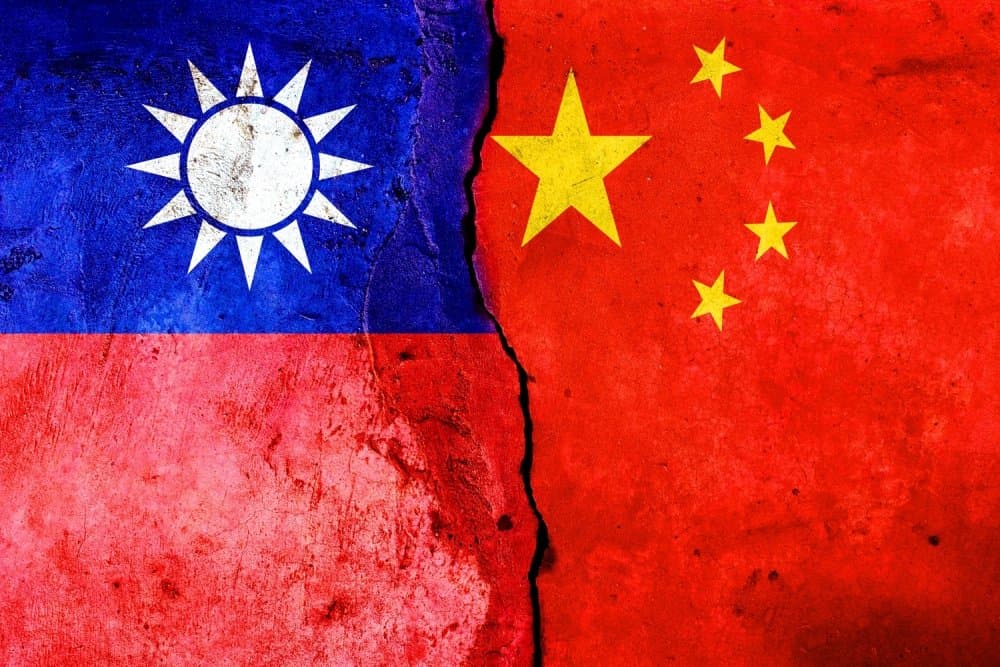
A recent U.S. intelligence community assessment on March 19 concluded that Chinese leaders do not plan an invasion of Taiwan in 2027 and lack a fixed timeline, prioritizing control without force due to prohibitive economic and military costs, including potential U.S. intervention and global sanctions. Trader consensus at 96.5% for "No" by June 30 reflects the absence of verifiable invasion preparations—such as massive PLA amphibious buildup or logistics mobilization—in the Taiwan Strait over the past month, amid routine incursions that have even declined since early 2026. Steady but uneven advances in China's naval capabilities, like carrier operations beyond the first island chain, have not signaled imminent action. Realistic shifts could stem from sudden escalation triggers, such as a Taiwan independence declaration, major diplomatic rupture, or opportunistic exploitation of U.S. distractions like Middle East conflicts, though structural deterrence remains robust.
Resumen experimental generado por IA con datos de Polymarket · ActualizadoSí
$1,827,736 Vol.
$1,827,736 Vol.
Sí
$1,827,736 Vol.
$1,827,736 Vol.
Territory under the administration of the Republic of China, including any inhabited islands, will qualify; however, uninhabited islands will not qualify.
The resolution source for this market will be official confirmation by China, Taiwan, the United Nations, or any permanent member of the UN Security Council; however, a consensus of credible reporting will also be used.
Mercado abierto: Dec 17, 2025, 3:24 PM ET
Resolver
0x65070BE91...Territory under the administration of the Republic of China, including any inhabited islands, will qualify; however, uninhabited islands will not qualify.
The resolution source for this market will be official confirmation by China, Taiwan, the United Nations, or any permanent member of the UN Security Council; however, a consensus of credible reporting will also be used.
Resolver
0x65070BE91...A recent U.S. intelligence community assessment on March 19 concluded that Chinese leaders do not plan an invasion of Taiwan in 2027 and lack a fixed timeline, prioritizing control without force due to prohibitive economic and military costs, including potential U.S. intervention and global sanctions. Trader consensus at 96.5% for "No" by June 30 reflects the absence of verifiable invasion preparations—such as massive PLA amphibious buildup or logistics mobilization—in the Taiwan Strait over the past month, amid routine incursions that have even declined since early 2026. Steady but uneven advances in China's naval capabilities, like carrier operations beyond the first island chain, have not signaled imminent action. Realistic shifts could stem from sudden escalation triggers, such as a Taiwan independence declaration, major diplomatic rupture, or opportunistic exploitation of U.S. distractions like Middle East conflicts, though structural deterrence remains robust.
Resumen experimental generado por IA con datos de Polymarket · Actualizado
Cuidado con los enlaces externos.
Cuidado con los enlaces externos.
Preguntas frecuentes