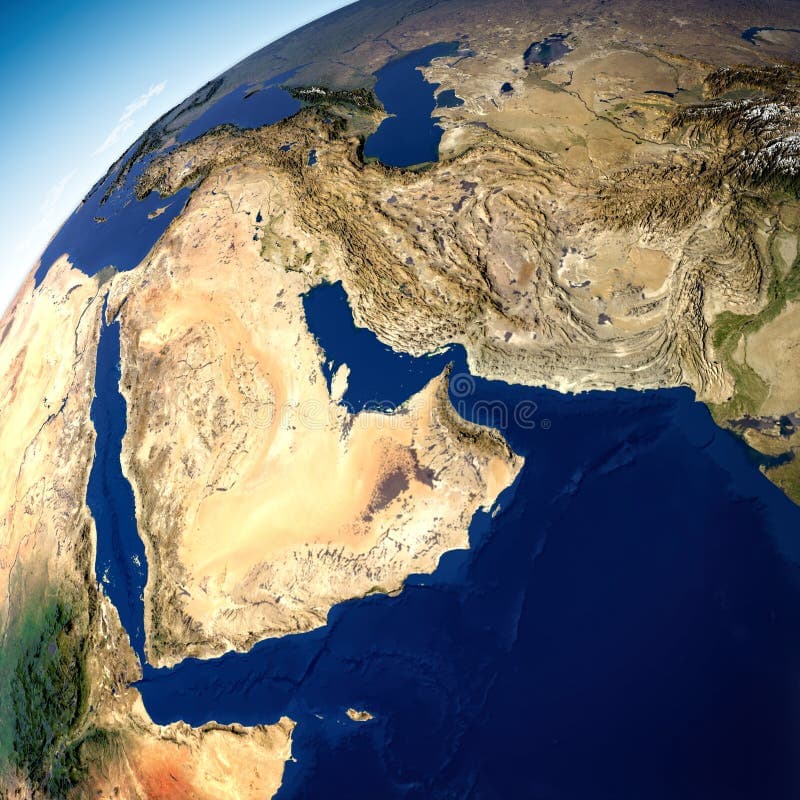
Escalating Iranian missile and drone strikes on Gulf states—including a March 31 attack destroying a U.S. radar plane at Saudi Arabia's Prince Sultan Air Base and damaging UAE, Bahrain, and Qatar infrastructure—have unified GCC rhetoric against Tehran, crossing key red lines. Initially reluctant, UAE and Saudi officials now privately urge U.S. escalation to degrade Iran's military before any ceasefire, with UAE pushing ground operations and Saudi's foreign minister warning of direct retaliation if attacks persist. This shift amid the U.S.-Israeli-Iran conflict inflates geopolitical risk premiums, propelling Brent crude to $106 per barrel on Strait of Hormuz threats and energy facility vulnerabilities. Traders eye GCC unity statements and Trump's response as pivotal catalysts ahead of potential regional realignments.
Resumen experimental generado por IA con datos de Polymarket · ActualizadoGulf State military action against Iran by...?
Gulf State military action against Iran by...?
$34,351 Vol.
April 15
13%
April 30
22%
$34,351 Vol.
April 15
13%
April 30
22%
Qualifying "Gulf States" are as follows: Bahrain, Kuwait, Oman, Qatar, Saudi Arabia, and the United Arab Emirates.
For the purposes of this market, a qualifying "military action" is defined as the use of aerial bombs, drones, or missiles (including cruise or ballistic missiles) launched by any Gulf State's military forces that impact Iranian ground territory.
A strike on any area within the terrestrial territory of Iran counts.
Missiles or drones that are intercepted and surface-to-air missile strikes will not be sufficient for a "Yes" resolution, regardless of whether they land on Iran's territory or cause damage.
Actions such as artillery fire, small arms fire, FPV or ground-based ATGM strikes, ground incursions, naval shelling, cyberattacks, or other operations conducted by ground operatives will not qualify.
The primary solution resolution source will be official government/military statements, multilateral bodies (UN, etc.), or a consensus of credible reporting from major international media and national broadcasters/newspapers.
If the date/time of a strike cannot be confirmed by a consensus of credible reporting by the end of the third calendar date after this market's end date, it will resolve to "No" regardless of whether a strike was later confirmed to have taken place.
Mercado abierto: Mar 27, 2026, 1:43 PM ET
Resolver
0x65070BE91...Qualifying "Gulf States" are as follows: Bahrain, Kuwait, Oman, Qatar, Saudi Arabia, and the United Arab Emirates.
For the purposes of this market, a qualifying "military action" is defined as the use of aerial bombs, drones, or missiles (including cruise or ballistic missiles) launched by any Gulf State's military forces that impact Iranian ground territory.
A strike on any area within the terrestrial territory of Iran counts.
Missiles or drones that are intercepted and surface-to-air missile strikes will not be sufficient for a "Yes" resolution, regardless of whether they land on Iran's territory or cause damage.
Actions such as artillery fire, small arms fire, FPV or ground-based ATGM strikes, ground incursions, naval shelling, cyberattacks, or other operations conducted by ground operatives will not qualify.
The primary solution resolution source will be official government/military statements, multilateral bodies (UN, etc.), or a consensus of credible reporting from major international media and national broadcasters/newspapers.
If the date/time of a strike cannot be confirmed by a consensus of credible reporting by the end of the third calendar date after this market's end date, it will resolve to "No" regardless of whether a strike was later confirmed to have taken place.
Resolver
0x65070BE91...Escalating Iranian missile and drone strikes on Gulf states—including a March 31 attack destroying a U.S. radar plane at Saudi Arabia's Prince Sultan Air Base and damaging UAE, Bahrain, and Qatar infrastructure—have unified GCC rhetoric against Tehran, crossing key red lines. Initially reluctant, UAE and Saudi officials now privately urge U.S. escalation to degrade Iran's military before any ceasefire, with UAE pushing ground operations and Saudi's foreign minister warning of direct retaliation if attacks persist. This shift amid the U.S.-Israeli-Iran conflict inflates geopolitical risk premiums, propelling Brent crude to $106 per barrel on Strait of Hormuz threats and energy facility vulnerabilities. Traders eye GCC unity statements and Trump's response as pivotal catalysts ahead of potential regional realignments.
Resumen experimental generado por IA con datos de Polymarket · Actualizado
Cuidado con los enlaces externos.
Cuidado con los enlaces externos.
Preguntas frecuentes