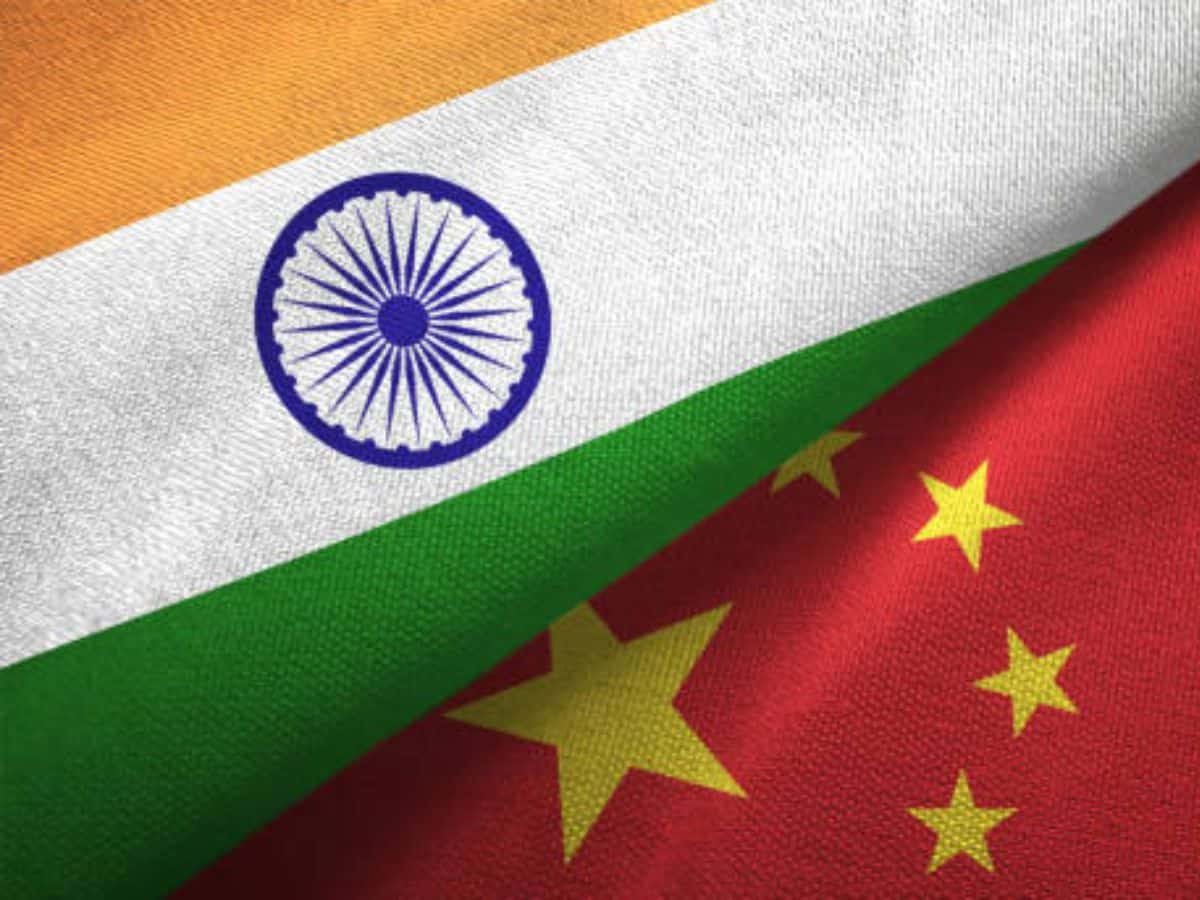
Recent India-China diplomatic breakthroughs along the Line of Actual Control (LAC) in Ladakh have significantly de-escalated border standoff risks, driving trader caution on military clash probabilities. On October 21, both sides announced troop disengagement from Depsang and Demchok friction points, restoring pre-2020 patrolling arrangements after 23 rounds of corps commander talks—the first major pact since the deadly 2020 Galwan clash. Prime Minister Narendra Modi and President Xi Jinping reinforced peace commitments during their BRICS summit meeting in Kazan, Russia. No violent incidents in recent months amid ongoing bilateral dialogues; upcoming diplomatic channels and winter deployments could further stabilize the territorial dispute, though unresolved LAC encroachments persist.
Resumen experimental generado por IA con datos de Polymarket · Actualizado$213,235 Vol.
31 de diciembre de 2026
20%
$213,235 Vol.
31 de diciembre de 2026
20%
A "military encounter" is defined as any incident involving the use of force such as missile strikes, artillery fire, exchange of gunfire, or other forms of direct military engagement between Chinese and Indian military forces. Hand-to-hand combat with the use of melee weapons between military personnel, will qualify. For example the 2020 Galwan Valley clash and the 2022 Yangtse clash would both count.
Non-violent actions, such as warning shots, artillery fire into uninhabited areas, or missile launches that land in territorial waters or pass through airspace, will not qualify for a "Yes" resolution. Intentional ship ramming that results in significant damage to (e.g., a hole in the hull) or the sinking of a military ship by another will count toward a "Yes" resolution, however minor damage (scrapes, dents) will not.
Note: the China Coast Guard (CCG) is part of the military, however the Indian Coast Guard (ICG) is not.
The resolution source for this market will be a consensus of credible reporting.
Mercado abierto: Nov 13, 2025, 5:52 PM ET
Resolver
0x65070BE91...A "military encounter" is defined as any incident involving the use of force such as missile strikes, artillery fire, exchange of gunfire, or other forms of direct military engagement between Chinese and Indian military forces. Hand-to-hand combat with the use of melee weapons between military personnel, will qualify. For example the 2020 Galwan Valley clash and the 2022 Yangtse clash would both count.
Non-violent actions, such as warning shots, artillery fire into uninhabited areas, or missile launches that land in territorial waters or pass through airspace, will not qualify for a "Yes" resolution. Intentional ship ramming that results in significant damage to (e.g., a hole in the hull) or the sinking of a military ship by another will count toward a "Yes" resolution, however minor damage (scrapes, dents) will not.
Note: the China Coast Guard (CCG) is part of the military, however the Indian Coast Guard (ICG) is not.
The resolution source for this market will be a consensus of credible reporting.
Resolver
0x65070BE91...Recent India-China diplomatic breakthroughs along the Line of Actual Control (LAC) in Ladakh have significantly de-escalated border standoff risks, driving trader caution on military clash probabilities. On October 21, both sides announced troop disengagement from Depsang and Demchok friction points, restoring pre-2020 patrolling arrangements after 23 rounds of corps commander talks—the first major pact since the deadly 2020 Galwan clash. Prime Minister Narendra Modi and President Xi Jinping reinforced peace commitments during their BRICS summit meeting in Kazan, Russia. No violent incidents in recent months amid ongoing bilateral dialogues; upcoming diplomatic channels and winter deployments could further stabilize the territorial dispute, though unresolved LAC encroachments persist.
Resumen experimental generado por IA con datos de Polymarket · Actualizado
Cuidado con los enlaces externos.
Cuidado con los enlaces externos.
Preguntas frecuentes