Market icon

Nächster Ministerpräsident Ungarns

Market icon

Nächster Ministerpräsident Ungarns

Apr 12

Apr 12

Péter Magyar 65%

Viktor Orbán 36%

László Toroczkai <1%

István Kapitány <1%

Polymarket

$35,978,221 Vol.

Péter Magyar 65%

Viktor Orbán 36%

László Toroczkai <1%

István Kapitány <1%

Polymarket

$35,978,221 Vol.

Market icon

Péter Magyar

$4,356,159 Vol.

65%

Market icon

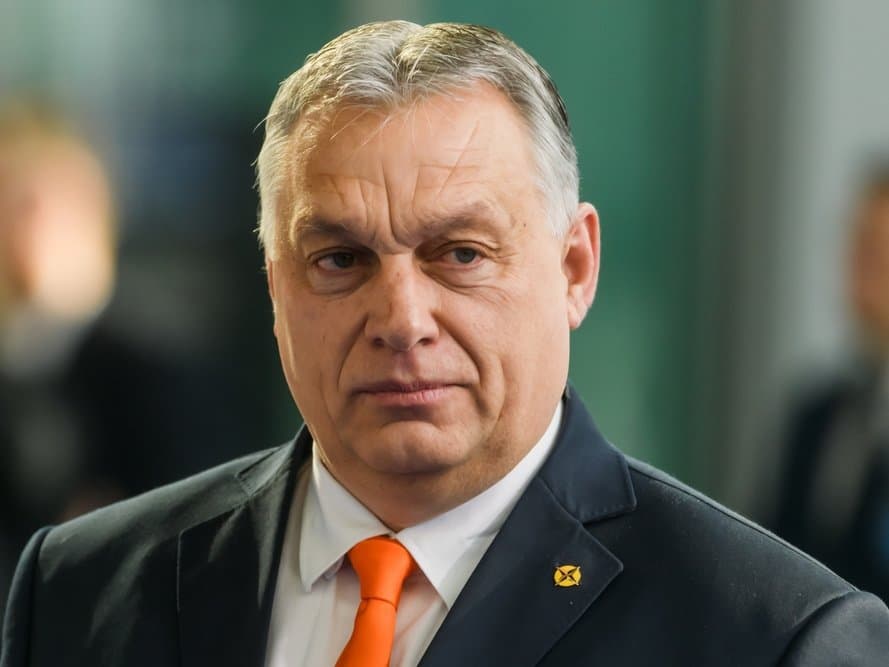
Viktor Orbán

$3,831,893 Vol.

36%

Market icon

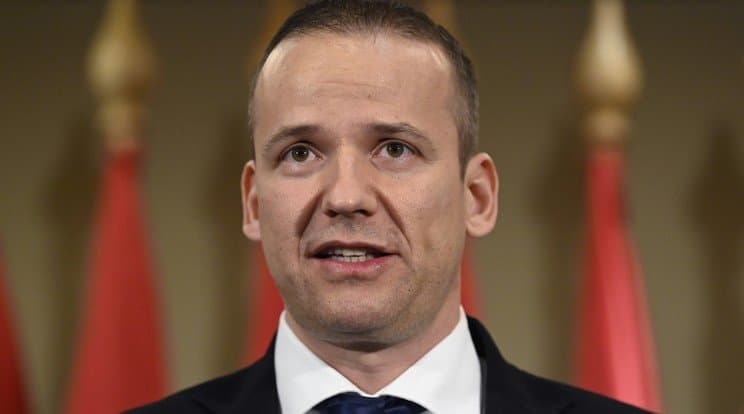
László Toroczkai

$11,297,611 Vol.

<1%

Market icon

István Kapitány

$9,340,343 Vol.

<1%

Market icon

János Lázár

$2,694,802 Vol.

<1%

Market icon

Klára Dobrev

$4,458,229 Vol.

<1%

Parliamentary elections are scheduled to be held in Hungary on April 12 2026. This market will resolve to the individual who is next officially appointed and confirmed as Prime Minister of Hungary following the 2026 parliamentary election. To count for resolution, the individual must be formally elected and appointed to the role of Prime Minister. Any interim or caretaker Prime Minister will not count toward the resolution of this market. If no such Prime Minister is confirmed by December 31, 2026, 11:59 PM ET, this market will resolve to “Other.” The primary resolution source for this market will be official information from the Government of Hungary; however, a consensus of credible reporting may also be used.Péter Magyar's lead in trader consensus for Hungary's next prime minister reflects his Tisza party's surge in recent polls ahead of the April 2026 parliamentary election, where surveys like Publicus and Medián show Tisza at 35-44% versus Fidesz's 26-36%. Magyar, a former Fidesz insider turned opposition figure, has drawn massive crowds at rallies in Budapest and other cities over the past month, capitalizing on public discontent with incumbent Viktor Orbán's administration amid scandals involving pardons for child abuse cover-ups and ongoing EU fund disputes. Orbán retains a loyal base through Fidesz's organizational strength and media dominance, but eroding support in urban areas and among younger voters has narrowed his path to a supermajority. Key upcoming events include local by-elections and potential coalition shifts that could further test these trends.

Péter Magyar's lead in trader consensus for Hungary's next prime minister reflects his Tisza party's surge in recent polls ahead of the April 2026 parliamentary election, where surveys like Publicus and Medián show Tisza at 35-44% versus Fidesz's 26-36%. Magyar, a former Fidesz insider turned opposition figure, has drawn massive crowds at rallies in Budapest and other cities over the past month, capitalizing on public discontent with incumbent Viktor Orbán's administration amid scandals involving pardons for child abuse cover-ups and ongoing EU fund disputes. Orbán retains a loyal base through Fidesz's organizational strength and media dominance, but eroding support in urban areas and among younger voters has narrowed his path to a supermajority. Key upcoming events include local by-elections and potential coalition shifts that could further test these trends.

Experimentelle KI-generierte Zusammenfassung mit Polymarket-Daten · Aktualisiert
Parliamentary elections are scheduled to be held in Hungary on April 12 2026. This market will resolve to the individual who is next officially appointed and confirmed as Prime Minister of Hungary following the 2026 parliamentary election. To count for resolution, the individual must be formally elected and appointed to the role of Prime Minister. Any interim or caretaker Prime Minister will not count toward the resolution of this market. If no such Prime Minister is confirmed by December 31, 2026, 11:59 PM ET, this market will resolve to “Other.” The primary resolution source for this market will be official information from the Government of Hungary; however, a consensus of credible reporting may also be used.Péter Magyar's lead in trader consensus for Hungary's next prime minister reflects his Tisza party's surge in recent polls ahead of the April 2026 parliamentary election, where surveys like Publicus and Medián show Tisza at 35-44% versus Fidesz's 26-36%. Magyar, a former Fidesz insider turned opposition figure, has drawn massive crowds at rallies in Budapest and other cities over the past month, capitalizing on public discontent with incumbent Viktor Orbán's administration amid scandals involving pardons for child abuse cover-ups and ongoing EU fund disputes. Orbán retains a loyal base through Fidesz's organizational strength and media dominance, but eroding support in urban areas and among younger voters has narrowed his path to a supermajority. Key upcoming events include local by-elections and potential coalition shifts that could further test these trends.

Péter Magyar's lead in trader consensus for Hungary's next prime minister reflects his Tisza party's surge in recent polls ahead of the April 2026 parliamentary election, where surveys like Publicus and Medián show Tisza at 35-44% versus Fidesz's 26-36%. Magyar, a former Fidesz insider turned opposition figure, has drawn massive crowds at rallies in Budapest and other cities over the past month, capitalizing on public discontent with incumbent Viktor Orbán's administration amid scandals involving pardons for child abuse cover-ups and ongoing EU fund disputes. Orbán retains a loyal base through Fidesz's organizational strength and media dominance, but eroding support in urban areas and among younger voters has narrowed his path to a supermajority. Key upcoming events include local by-elections and potential coalition shifts that could further test these trends.

Experimentelle KI-generierte Zusammenfassung mit Polymarket-Daten · Aktualisiert

Vorsicht bei externen Links.

Häufig gestellte Fragen

„Nächster Ministerpräsident Ungarns" ist ein Prognosemarkt auf Polymarket mit 6 möglichen Ergebnissen, bei dem Händler Anteile auf Basis ihrer Einschätzung kaufen und verkaufen. Das aktuell führende Ergebnis ist „Péter Magyar" mit 65%, gefolgt von „Viktor Orbán" mit 36%. Die Preise spiegeln Echtzeit-Wahrscheinlichkeiten der Community wider. Ein Anteilspreis von 65¢ bedeutet, dass der Markt diesem Ergebnis eine Wahrscheinlichkeit von 65% zuweist. Diese Quoten ändern sich laufend, wenn Händler auf neue Entwicklungen reagieren. Anteile am richtigen Ergebnis können bei Marktauflösung für jeweils $1 eingelöst werden.

Stand heute hat „Nächster Ministerpräsident Ungarns" ein Gesamthandelsvolumen von $36 million generiert, seit der Markt am Jul 24, 2025 gestartet wurde. Dieses Aktivitätsniveau spiegelt starkes Engagement der Polymarket-Community wider und stellt sicher, dass die aktuellen Quoten von einem breiten Pool an Marktteilnehmern geprägt werden. Sie können Live-Preisbewegungen verfolgen und direkt auf dieser Seite auf jedes Ergebnis handeln.

Um auf „Nächster Ministerpräsident Ungarns" zu handeln, durchsuchen Sie die 6 verfügbaren Ergebnisse auf dieser Seite. Jedes Ergebnis zeigt einen aktuellen Preis, der die implizierte Wahrscheinlichkeit des Marktes darstellt. Um eine Position einzunehmen, wählen Sie das Ergebnis, das Sie für am wahrscheinlichsten halten, wählen Sie „Ja" um dafür oder „Nein" um dagegen zu handeln, geben Sie Ihren Betrag ein und klicken Sie auf „Handeln". Liegt Ihr gewähltes Ergebnis bei Marktauflösung richtig, zahlen Ihre „Ja"-Anteile jeweils $1 aus. Liegt es falsch, zahlen sie $0. Sie können Ihre Anteile auch jederzeit vor der Auflösung verkaufen.

Der aktuelle Favorit für „Nächster Ministerpräsident Ungarns" ist „Péter Magyar" mit 65%, was bedeutet, dass der Markt diesem Ergebnis eine Wahrscheinlichkeit von 65% zuweist. Das nächstliegende Ergebnis ist „Viktor Orbán" mit 36%. Diese Quoten werden in Echtzeit aktualisiert, wenn Händler Anteile kaufen und verkaufen. Schauen Sie regelmäßig vorbei oder speichern Sie diese Seite als Lesezeichen.

Die Auflösungsregeln für „Nächster Ministerpräsident Ungarns" definieren genau, was passieren muss, damit jedes Ergebnis als Gewinner erklärt wird – einschließlich der offiziellen Datenquellen zur Bestimmung des Ergebnisses. Sie können die vollständigen Auflösungskriterien im Abschnitt „Regeln" auf dieser Seite über den Kommentaren einsehen. Wir empfehlen, die Regeln vor dem Handeln sorgfältig zu lesen, da sie die genauen Bedingungen, Sonderfälle und Quellen festlegen.