The collapse of Michel Barnier's government on December 4, 2024, via a no-confidence vote in the National Assembly—the first successful such motion since 1962—has amplified France's post-snap election paralysis, with no majority party fueling trader bets on National Rally's Jordan Bardella at 24.5% implied probability and former Prime Minister Édouard Philippe at 20.5%. This hung parliament deadlock elevates Bardella's appeal amid voter discontent over immigration and economy, per recent first-round polls showing him at 30-36%, while Philippe's centrist Horizons positioning and high approval ratings position him as a stability alternative in a fragmented field. The tight race persists due to Macron's limited mandate—he cannot seek re-election—and upcoming PM appointment, which could boost Philippe if selected or rally left-wing support behind Mélenchon if instability escalates; fresh polls or coalition breakthroughs may create separation ahead of the 2027 contest.
基於Polymarket數據的AI實驗性摘要 · 更新於喬丹·巴爾德拉 25%
埃杜阿爾·菲利普 21%
讓-呂克·梅朗雄 10%
瑪琳·勒龐 9%
$19,335,099 交易量
$19,335,099 交易量

喬丹·巴爾德拉
25%

埃杜阿爾·菲利普
21%

讓-呂克·梅朗雄
10%

瑪琳·勒龐
9%

多米尼克·德維爾潘
5%

弗朗索瓦·奧朗德
4%

布魯諾·赫泰約
4%

拉斐爾·格呂克斯曼
4%

大衛·利斯納爾
4%

莎拉·克納福
3%

Gabriel Attal
2%

讓·卡斯泰
2%

塞巴斯蒂安·勒科努
2%

熱拉爾·達爾馬寧
1%

埃里克·澤穆爾
1%

胡安·布蘭科
1%

瑪琳·通德列
1%

貝爾納·卡澤納夫
1%

弗朗索瓦·魯芬
1%

澤維耶·貝特朗
<1%

洛朗·瓦奎茲
<1%

曼努埃爾·邦帕爾
<1%

奧利維耶·福爾
<1%

法比恩·魯塞爾
<1%
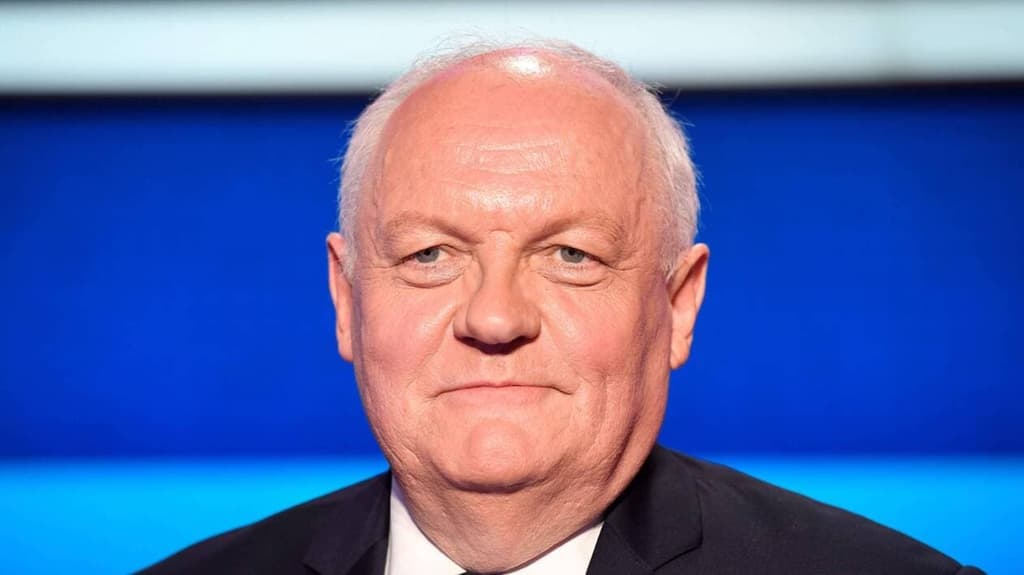
弗朗索瓦·阿斯利諾
<1%

尼古拉·杜邦-艾尼昂
<1%

瓦萊麗·佩克雷斯
<1%

伊莉莎白·博爾內
<1%

卡羅爾·德爾加
<1%

塞格琳·羅亞爾
<1%

克萊芙蒂娜·奧坦
<1%

米歇爾·巴尼耶
<1%

弗朗索瓦·貝魯
<1%

Yaël Braun-Pivet
<1%

馬蒂爾德·帕諾
<1%

克蕾芙絲·蓋特
<1%
喬丹·巴爾德拉 25%
埃杜阿爾·菲利普 21%
讓-呂克·梅朗雄 10%
瑪琳·勒龐 9%
$19,335,099 交易量
$19,335,099 交易量
喬丹·巴爾德拉
25%
埃杜阿爾·菲利普
21%
讓-呂克·梅朗雄
10%
瑪琳·勒龐
9%
多米尼克·德維爾潘
5%
弗朗索瓦·奧朗德
4%
布魯諾·赫泰約
4%
拉斐爾·格呂克斯曼
4%
大衛·利斯納爾
4%
莎拉·克納福
3%
Gabriel Attal
2%
讓·卡斯泰
2%
塞巴斯蒂安·勒科努
2%
熱拉爾·達爾馬寧
1%
埃里克·澤穆爾
1%
胡安·布蘭科
1%
瑪琳·通德列
1%
貝爾納·卡澤納夫
1%
弗朗索瓦·魯芬
1%
澤維耶·貝特朗
<1%
洛朗·瓦奎茲
<1%
曼努埃爾·邦帕爾
<1%
奧利維耶·福爾
<1%
法比恩·魯塞爾
<1%
弗朗索瓦·阿斯利諾
<1%
尼古拉·杜邦-艾尼昂
<1%
瓦萊麗·佩克雷斯
<1%
伊莉莎白·博爾內
<1%
卡羅爾·德爾加
<1%
塞格琳·羅亞爾
<1%
克萊芙蒂娜·奧坦
<1%
米歇爾·巴尼耶
<1%
弗朗索瓦·貝魯
<1%
Yaël Braun-Pivet
<1%
馬蒂爾德·帕諾
<1%
克蕾芙絲·蓋特
<1%
The President of France is elected via a two-round system; a candidate must secure over 50% of the vote to win outright in the first round. If no candidate achieves this, the top two contenders advance to a runoff.
This market will resolve according to the candidate who wins this election.
This market includes any potential second round. If, for any reason, the results of the election are not known by December 31, 2027, 11:59 PM ET, this market will resolve to "Other".
This market will resolve based on the result of the election as indicated by a consensus of credible reporting. If there is ambiguity, this market will resolve based solely on the official results as reported by the French Government, specifically the Ministry of the Interior (https://www.interieur.gouv.fr/).
市場開放時間: Nov 13, 2025, 5:47 PM ET
Resolver
0x2F5e3684c...Resolver
0x2F5e3684c...The collapse of Michel Barnier's government on December 4, 2024, via a no-confidence vote in the National Assembly—the first successful such motion since 1962—has amplified France's post-snap election paralysis, with no majority party fueling trader bets on National Rally's Jordan Bardella at 24.5% implied probability and former Prime Minister Édouard Philippe at 20.5%. This hung parliament deadlock elevates Bardella's appeal amid voter discontent over immigration and economy, per recent first-round polls showing him at 30-36%, while Philippe's centrist Horizons positioning and high approval ratings position him as a stability alternative in a fragmented field. The tight race persists due to Macron's limited mandate—he cannot seek re-election—and upcoming PM appointment, which could boost Philippe if selected or rally left-wing support behind Mélenchon if instability escalates; fresh polls or coalition breakthroughs may create separation ahead of the 2027 contest.
基於Polymarket數據的AI實驗性摘要 · 更新於
警惕外部連結哦。
警惕外部連結哦。
Frequently Asked Questions