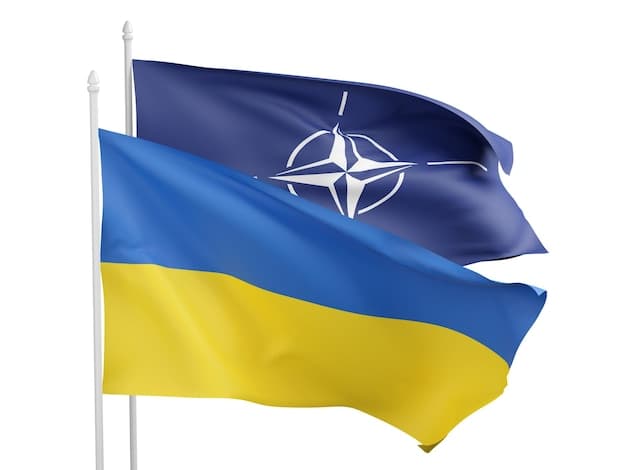
NATO maintains a firm policy against deploying combat troops to fight alongside Ukrainian forces, emphasizing arms deliveries, training programs outside Ukraine, and sanctions to avoid direct escalation with Russia. At the December 4-5 NATO foreign ministers' meeting in Brussels, allies reaffirmed this non-intervention stance amid Russian advances in Donetsk Oblast and Ukraine's urgent appeals for more air defenses. EU leaders echoed support through a €50 billion aid package but rejected ground troop involvement. President Zelenskyy's recent White House visit yielded no commitments for NATO membership or boots on the ground. Trader consensus prices low odds on intervention, citing nuclear risks and historical precedents like no NATO combat roles in proxy conflicts; upcoming Trump inauguration in January 2025 and potential US-Russia diplomacy loom as pivotal wildcards.
Résumé expérimental généré par IA à partir des données Polymarket · Mis à jour$268,106 Vol.
30 juin 2026
4%
$268,106 Vol.
30 juin 2026
4%
For military personnel to qualify toward a "Yes" resolution, they must be 1) officially acknowledged as active military by the NATO or EU entity or member state they are affiliated with; 2) be publicly acknowledged by NATO or an EU-affiliated entity to have entered Ukraine for a combat-related military purpose directly pertaining to the ongoing conflict with Russia.
For military personnel to qualify toward a "Yes" resolution they need be active duty and acknowledged as described above. Participation in a combat role is necessary for this market to resolve to "Yes" (e.g. military personnel providing training or intelligence support would not qualify toward a "Yes" resolution, however drone pilots or infantry directly attacking Russian troops, or soldiers targeting and downing missiles from Ukrainian soil would qualify toward a "Yes" resolution).
The primary resolution source for this market will be official information from NATO, the EU, or member states of either entity, however a consensus of credible reporting will also be used.
Marché ouvert : Sep 23, 2025, 5:15 PM ET
Resolver
0x65070BE91...For military personnel to qualify toward a "Yes" resolution, they must be 1) officially acknowledged as active military by the NATO or EU entity or member state they are affiliated with; 2) be publicly acknowledged by NATO or an EU-affiliated entity to have entered Ukraine for a combat-related military purpose directly pertaining to the ongoing conflict with Russia.
For military personnel to qualify toward a "Yes" resolution they need be active duty and acknowledged as described above. Participation in a combat role is necessary for this market to resolve to "Yes" (e.g. military personnel providing training or intelligence support would not qualify toward a "Yes" resolution, however drone pilots or infantry directly attacking Russian troops, or soldiers targeting and downing missiles from Ukrainian soil would qualify toward a "Yes" resolution).
The primary resolution source for this market will be official information from NATO, the EU, or member states of either entity, however a consensus of credible reporting will also be used.
Resolver
0x65070BE91...NATO maintains a firm policy against deploying combat troops to fight alongside Ukrainian forces, emphasizing arms deliveries, training programs outside Ukraine, and sanctions to avoid direct escalation with Russia. At the December 4-5 NATO foreign ministers' meeting in Brussels, allies reaffirmed this non-intervention stance amid Russian advances in Donetsk Oblast and Ukraine's urgent appeals for more air defenses. EU leaders echoed support through a €50 billion aid package but rejected ground troop involvement. President Zelenskyy's recent White House visit yielded no commitments for NATO membership or boots on the ground. Trader consensus prices low odds on intervention, citing nuclear risks and historical precedents like no NATO combat roles in proxy conflicts; upcoming Trump inauguration in January 2025 and potential US-Russia diplomacy loom as pivotal wildcards.
Résumé expérimental généré par IA à partir des données Polymarket · Mis à jour
Méfiez-vous des liens externes.
Méfiez-vous des liens externes.
Questions fréquentes