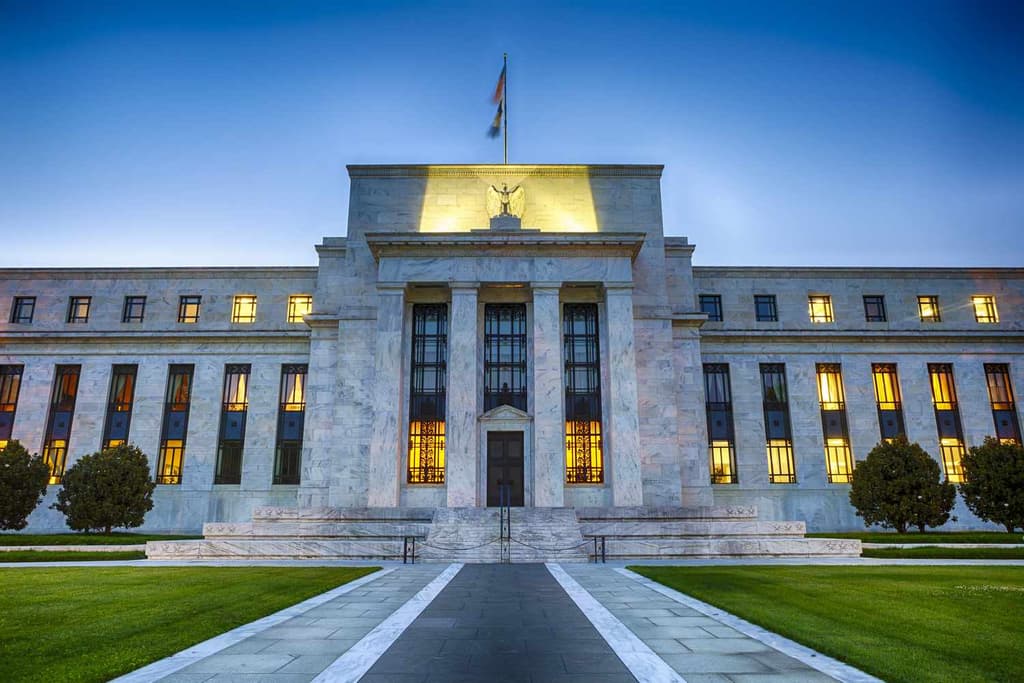
Trader consensus on Polymarket assigns an 84% implied probability to the Federal Reserve pausing rate changes at its March, May, and June 2025 meetings, reflecting robust U.S. economic data and persistent inflation above the 2% target. Recent nonfarm payrolls surpassing 200,000 for the third straight month, unemployment holding steady at 4.1%, and core PCE inflation at 2.7% have diminished cut expectations, with CME FedWatch Tool mirroring this sentiment showing under 20% odds for a June easing. Fed Chair Powell's hawkish November remarks underscored a data-dependent stance amid resilient growth, positioning pause-pause-cut at 12% as the next likely path if disinflation accelerates ahead of the pivotal December 18 FOMC dot plot update.
Experimentelle KI-generierte Zusammenfassung mit Polymarket-Daten · AktualisiertPause–Pause–Pause 84%
Pause–Pause–Senkung 12%
Sonstiges 4.4%
Pausieren–Senken–Senken 1.1%
$649,969 Vol.
$649,969 Vol.
Jun 17, 2026
Pause–Pause–Pause
84%
Pause–Pause–Senkung
12%
Sonstiges
4%
Pausieren–Senken–Senken
1%
Pause–Senkung–Pause
1%
Pause–Pause–Pause 84%
Pause–Pause–Senkung 12%
Sonstiges 4.4%
Pausieren–Senken–Senken 1.1%
$649,969 Vol.
$649,969 Vol.
Jun 17, 2026
Pause–Pause–Pause
$16,249 Vol.
84%
Pause–Pause–Senkung
$9,183 Vol.
12%
Sonstiges
$207,797 Vol.
4%
Pausieren–Senken–Senken
$307,058 Vol.
1%
Pause–Senkung–Pause
$109,683 Vol.
1%
The FED interest rates are defined in this market by the upper bound of the target federal funds rate. The decisions on the target federal funds rate are made by the Federal Open Market Committee (FOMC) meetings.
This market will resolve according to the decisions made by the next three Federal Open Market Committee (FOMC) meetings: March 17-18, 2026; April 28-29; and June 16-17.
A qualifying cut occurs when the new upper bound of the target federal funds rate is lower compared to the level it was prior to the respective meeting.
A qualifying hike occurs when the new upper bound of the target federal funds rate is higher compared to the level it was prior to the respective meeting.
A qualifying pause occurs when the new upper bound of the target federal funds rate is equal to the level it was prior to the respective meeting.
If the Fed publishes a different combination than any listed, this market will resolve to "Other". Any rate hike will be encompassed by "Other".
Emergency rate cuts outside the regularly scheduled meetings will not be considered.
The resolution source for this market is the FOMC’s statement after its meetings:
https://www.federalreserve.gov/monetarypolicy/fomccalendars.htm
The level and change of the target federal funds rate is also published at the official website of the Federal Reserve:
https://www.federalreserve.gov/monetarypolicy/openmarket.htmThe FED interest rates are defined in this market by the upper bound of the target federal funds rate. The decisions on the target federal funds rate are made by the Federal Open Market Committee (FOMC) meetings.
This market will resolve according to the decisions made by the next three Federal Open Market Committee (FOMC) meetings: March 17-18, 2026; April 28-29; and June 16-17.
A qualifying cut occurs when the new upper bound of the target federal funds rate is lower compared to the level it was prior to the respective meeting.
A qualifying hike occurs when the new upper bound of the target federal funds rate is higher compared to the level it was prior to the respective meeting.
A qualifying pause occurs when the new upper bound of the target federal funds rate is equal to the level it was prior to the respective meeting.
If the Fed publishes a different combination than any listed, this market will resolve to "Other". Any rate hike will be encompassed by "Other".
Emergency rate cuts outside the regularly scheduled meetings will not be considered.
The resolution source for this market is the FOMC’s statement after its meetings:
https://www.federalreserve.gov/monetarypolicy/fomccalendars.htm
The level and change of the target federal funds rate is also published at the official website of the Federal Reserve:
https://www.federalreserve.gov/monetarypolicy/openmarket.htmThe FED interest rates are defined in this market by the upper bound of the target federal funds rate. The decisions on the target federal funds rate are made by the Federal Open Market Committee (FOMC) meetings.
This market will resolve according to the decisions made by the next three Federal Open Market Committee (FOMC) meetings: March 17-18, 2026; April 28-29; and June 16-17.
A qualifying cut occurs when the new upper bound of the target federal funds rate is lower compared to the level it was prior to the respective meeting.
A qualifying hike occurs when the new upper bound of the target federal funds rate is higher compared to the level it was prior to the respective meeting.
A qualifying pause occurs when the new upper bound of the target federal funds rate is equal to the level it was prior to the respective meeting.
If the Fed publishes a different combination than any listed, this market will resolve to "Other". Any rate hike will be encompassed by "Other".
Emergency rate cuts outside the regularly scheduled meetings will not be considered.
The resolution source for this market is the FOMC’s statement after its meetings:
https://www.federalreserve.gov/monetarypolicy/fomccalendars.htm
The level and change of the target federal funds rate is also published at the official website of the Federal Reserve:
https://www.federalreserve.gov/monetarypolicy/openmarket.htmThe FED interest rates are defined in this market by the upper bound of the target federal funds rate. The decisions on the target federal funds rate are made by the Federal Open Market Committee (FOMC) meetings.
This market will resolve according to the decisions made by the next three Federal Open Market Committee (FOMC) meetings: March 17-18, 2026; April 28-29; and June 16-17.
A qualifying cut occurs when the new upper bound of the target federal funds rate is lower compared to the level it was prior to the respective meeting.
A qualifying hike occurs when the new upper bound of the target federal funds rate is higher compared to the level it was prior to the respective meeting.
A qualifying pause occurs when the new upper bound of the target federal funds rate is equal to the level it was prior to the respective meeting.
If the Fed publishes a different combination than any listed, this market will resolve to "Other". Any rate hike will be encompassed by "Other".
Emergency rate cuts outside the regularly scheduled meetings will not be considered.
The resolution source for this market is the FOMC’s statement after its meetings:
https://www.federalreserve.gov/monetarypolicy/fomccalendars.htm
The level and change of the target federal funds rate is also published at the official website of the Federal Reserve:
https://www.federalreserve.gov/monetarypolicy/openmarket.htmThe FED interest rates are defined in this market by the upper bound of the target federal funds rate. The decisions on the target federal funds rate are made by the Federal Open Market Committee (FOMC) meetings.
This market will resolve according to the decisions made by the next three Federal Open Market Committee (FOMC) meetings: March 17-18, 2026; April 28-29; and June 16-17.
A qualifying cut occurs when the new upper bound of the target federal funds rate is lower compared to the level it was prior to the respective meeting.
A qualifying hike occurs when the new upper bound of the target federal funds rate is higher compared to the level it was prior to the respective meeting.
A qualifying pause occurs when the new upper bound of the target federal funds rate is equal to the level it was prior to the respective meeting.
If the Fed publishes a different combination than any listed, this market will resolve to "Other". Any rate hike will be encompassed by "Other".
Emergency rate cuts outside the regularly scheduled meetings will not be considered.
The resolution source for this market is the FOMC’s statement after its meetings:
https://www.federalreserve.gov/monetarypolicy/fomccalendars.htm
The level and change of the target federal funds rate is also published at the official website of the Federal Reserve:
https://www.federalreserve.gov/monetarypolicy/openmarket.htmThe FED interest rates are defined in this market by the upper bound of the target federal funds rate. The decisions on the target federal funds rate are made by the Federal Open Market Committee (FOMC) meetings.
This market will resolve according to the decisions made by the next three Federal Open Market Committee (FOMC) meetings: March 17-18, 2026; April 28-29; and June 16-17.
A qualifying cut occurs when the new upper bound of the target federal funds rate is lower compared to the level it was prior to the respective meeting.
A qualifying hike occurs when the new upper bound of the target federal funds rate is higher compared to the level it was prior to the respective meeting.
A qualifying pause occurs when the new upper bound of the target federal funds rate is equal to the level it was prior to the respective meeting.
If the Fed publishes a different combination than any listed, this market will resolve to "Other". Any rate hike will be encompassed by "Other".
Emergency rate cuts outside the regularly scheduled meetings will not be considered.
The resolution source for this market is the FOMC’s statement after its meetings:
https://www.federalreserve.gov/monetarypolicy/fomccalendars.htm
The level and change of the target federal funds rate is also published at the official website of the Federal Reserve:
https://www.federalreserve.gov/monetarypolicy/openmarket.htmThe FED interest rates are defined in this market by the upper bound of the target federal funds rate. The decisions on the target federal funds rate are made by the Federal Open Market Committee (FOMC) meetings.
This market will resolve according to the decisions made by the next three Federal Open Market Committee (FOMC) meetings: March 17-18, 2026; April 28-29; and June 16-17.
A qualifying cut occurs when the new upper bound of the target federal funds rate is lower compared to the level it was prior to the respective meeting.
A qualifying hike occurs when the new upper bound of the target federal funds rate is higher compared to the level it was prior to the respective meeting.
A qualifying pause occurs when the new upper bound of the target federal funds rate is equal to the level it was prior to the respective meeting.
If the Fed publishes a different combination than any listed, this market will resolve to "Other". Any rate hike will be encompassed by "Other".
Emergency rate cuts outside the regularly scheduled meetings will not be considered.
The resolution source for this market is the FOMC’s statement after its meetings:
https://www.federalreserve.gov/monetarypolicy/fomccalendars.htm
The level and change of the target federal funds rate is also published at the official website of the Federal Reserve:
https://www.federalreserve.gov/monetarypolicy/openmarket.htmThe FED interest rates are defined in this market by the upper bound of the target federal funds rate. The decisions on the target federal funds rate are made by the Federal Open Market Committee (FOMC) meetings.
This market will resolve according to the decisions made by the next three Federal Open Market Committee (FOMC) meetings: March 17-18, 2026; April 28-29; and June 16-17.
A qualifying cut occurs when the new upper bound of the target federal funds rate is lower compared to the level it was prior to the respective meeting.
A qualifying hike occurs when the new upper bound of the target federal funds rate is higher compared to the level it was prior to the respective meeting.
A qualifying pause occurs when the new upper bound of the target federal funds rate is equal to the level it was prior to the respective meeting.
If the Fed publishes a different combination than any listed, this market will resolve to "Other". Any rate hike will be encompassed by "Other".
Emergency rate cuts outside the regularly scheduled meetings will not be considered.
The resolution source for this market is the FOMC’s statement after its meetings:
https://www.federalreserve.gov/monetarypolicy/fomccalendars.htm
The level and change of the target federal funds rate is also published at the official website of the Federal Reserve:
https://www.federalreserve.gov/monetarypolicy/openmarket.htmThe FED interest rates are defined in this market by the upper bound of the target federal funds rate. The decisions on the target federal funds rate are made by the Federal Open Market Committee (FOMC) meetings.
This market will resolve according to the decisions made by the next three Federal Open Market Committee (FOMC) meetings: March 17-18, 2026; April 28-29; and June 16-17.
A qualifying cut occurs when the new upper bound of the target federal funds rate is lower compared to the level it was prior to the respective meeting.
A qualifying hike occurs when the new upper bound of the target federal funds rate is higher compared to the level it was prior to the respective meeting.
A qualifying pause occurs when the new upper bound of the target federal funds rate is equal to the level it was prior to the respective meeting.
If the Fed publishes a different combination than any listed, this market will resolve to "Other". Any rate hike will be encompassed by "Other".
Emergency rate cuts outside the regularly scheduled meetings will not be considered.
The resolution source for this market is the FOMC’s statement after its meetings:
https://www.federalreserve.gov/monetarypolicy/fomccalendars.htm
The level and change of the target federal funds rate is also published at the official website of the Federal Reserve:
https://www.federalreserve.gov/monetarypolicy/openmarket.htm
The FED interest rates are defined in this market by the upper bound of the target federal funds rate. The decisions on the target federal funds rate are made by the Federal Open Market Committee (FOMC) meetings.
This market will resolve according to the decisions made by the next three Federal Open Market Committee (FOMC) meetings: March 17-18, 2026; April 28-29; and June 16-17.
A qualifying cut occurs when the new upper bound of the target federal funds rate is lower compared to the level it was prior to the respective meeting.
A qualifying hike occurs when the new upper bound of the target federal funds rate is higher compared to the level it was prior to the respective meeting.
A qualifying pause occurs when the new upper bound of the target federal funds rate is equal to the level it was prior to the respective meeting.
If the Fed publishes a different combination than any listed, this market will resolve to "Other". Any rate hike will be encompassed by "Other".
Emergency rate cuts outside the regularly scheduled meetings will not be considered.
The resolution source for this market is the FOMC’s statement after its meetings:
https://www.federalreserve.gov/monetarypolicy/fomccalendars.htm
The level and change of the target federal funds rate is also published at the official website of the Federal Reserve:
https://www.federalreserve.gov/monetarypolicy/openmarket.htmThe FED interest rates are defined in this market by the upper bound of the target federal funds rate. The decisions on the target federal funds rate are made by the Federal Open Market Committee (FOMC) meetings.
This market will resolve according to the decisions made by the next three Federal Open Market Committee (FOMC) meetings: March 17-18, 2026; April 28-29; and June 16-17.
A qualifying cut occurs when the new upper bound of the target federal funds rate is lower compared to the level it was prior to the respective meeting.
A qualifying hike occurs when the new upper bound of the target federal funds rate is higher compared to the level it was prior to the respective meeting.
A qualifying pause occurs when the new upper bound of the target federal funds rate is equal to the level it was prior to the respective meeting.
If the Fed publishes a different combination than any listed, this market will resolve to "Other". Any rate hike will be encompassed by "Other".
Emergency rate cuts outside the regularly scheduled meetings will not be considered.
The resolution source for this market is the FOMC’s statement after its meetings:
https://www.federalreserve.gov/monetarypolicy/fomccalendars.htm
The level and change of the target federal funds rate is also published at the official website of the Federal Reserve:
https://www.federalreserve.gov/monetarypolicy/openmarket.htm
This market will resolve according to the decisions made by the next three Federal Open Market Committee (FOMC) meetings: March 17-18, 2026; April 28-29; and June 16-17.
A qualifying cut occurs when the new upper bound of the target federal funds rate is lower compared to the level it was prior to the respective meeting.
A qualifying hike occurs when the new upper bound of the target federal funds rate is higher compared to the level it was prior to the respective meeting.
A qualifying pause occurs when the new upper bound of the target federal funds rate is equal to the level it was prior to the respective meeting.
If the Fed publishes a different combination than any listed, this market will resolve to "Other". Any rate hike will be encompassed by "Other".
Emergency rate cuts outside the regularly scheduled meetings will not be considered.
The resolution source for this market is the FOMC’s statement after its meetings:
https://www.federalreserve.gov/monetarypolicy/fomccalendars.htm
The level and change of the target federal funds rate is also published at the official website of the Federal Reserve:
https://www.federalreserve.gov/monetarypolicy/openmarket.htm
Markt eröffnet: Jan 29, 2026, 5:18 PM ET
Volumen
$649,969Enddatum
Jun 17, 2026Markt eröffnet
Jan 29, 2026, 5:18 PM ETResolver
0x2F5e3684c...The FED interest rates are defined in this market by the upper bound of the target federal funds rate. The decisions on the target federal funds rate are made by the Federal Open Market Committee (FOMC) meetings.
This market will resolve according to the decisions made by the next three Federal Open Market Committee (FOMC) meetings: March 17-18, 2026; April 28-29; and June 16-17.
A qualifying cut occurs when the new upper bound of the target federal funds rate is lower compared to the level it was prior to the respective meeting.
A qualifying hike occurs when the new upper bound of the target federal funds rate is higher compared to the level it was prior to the respective meeting.
A qualifying pause occurs when the new upper bound of the target federal funds rate is equal to the level it was prior to the respective meeting.
If the Fed publishes a different combination than any listed, this market will resolve to "Other". Any rate hike will be encompassed by "Other".
Emergency rate cuts outside the regularly scheduled meetings will not be considered.
The resolution source for this market is the FOMC’s statement after its meetings:
https://www.federalreserve.gov/monetarypolicy/fomccalendars.htm
The level and change of the target federal funds rate is also published at the official website of the Federal Reserve:
https://www.federalreserve.gov/monetarypolicy/openmarket.htmThe FED interest rates are defined in this market by the upper bound of the target federal funds rate. The decisions on the target federal funds rate are made by the Federal Open Market Committee (FOMC) meetings.
This market will resolve according to the decisions made by the next three Federal Open Market Committee (FOMC) meetings: March 17-18, 2026; April 28-29; and June 16-17.
A qualifying cut occurs when the new upper bound of the target federal funds rate is lower compared to the level it was prior to the respective meeting.
A qualifying hike occurs when the new upper bound of the target federal funds rate is higher compared to the level it was prior to the respective meeting.
A qualifying pause occurs when the new upper bound of the target federal funds rate is equal to the level it was prior to the respective meeting.
If the Fed publishes a different combination than any listed, this market will resolve to "Other". Any rate hike will be encompassed by "Other".
Emergency rate cuts outside the regularly scheduled meetings will not be considered.
The resolution source for this market is the FOMC’s statement after its meetings:
https://www.federalreserve.gov/monetarypolicy/fomccalendars.htm
The level and change of the target federal funds rate is also published at the official website of the Federal Reserve:
https://www.federalreserve.gov/monetarypolicy/openmarket.htmThe FED interest rates are defined in this market by the upper bound of the target federal funds rate. The decisions on the target federal funds rate are made by the Federal Open Market Committee (FOMC) meetings.
This market will resolve according to the decisions made by the next three Federal Open Market Committee (FOMC) meetings: March 17-18, 2026; April 28-29; and June 16-17.
A qualifying cut occurs when the new upper bound of the target federal funds rate is lower compared to the level it was prior to the respective meeting.
A qualifying hike occurs when the new upper bound of the target federal funds rate is higher compared to the level it was prior to the respective meeting.
A qualifying pause occurs when the new upper bound of the target federal funds rate is equal to the level it was prior to the respective meeting.
If the Fed publishes a different combination than any listed, this market will resolve to "Other". Any rate hike will be encompassed by "Other".
Emergency rate cuts outside the regularly scheduled meetings will not be considered.
The resolution source for this market is the FOMC’s statement after its meetings:
https://www.federalreserve.gov/monetarypolicy/fomccalendars.htm
The level and change of the target federal funds rate is also published at the official website of the Federal Reserve:
https://www.federalreserve.gov/monetarypolicy/openmarket.htmThe FED interest rates are defined in this market by the upper bound of the target federal funds rate. The decisions on the target federal funds rate are made by the Federal Open Market Committee (FOMC) meetings.
This market will resolve according to the decisions made by the next three Federal Open Market Committee (FOMC) meetings: March 17-18, 2026; April 28-29; and June 16-17.
A qualifying cut occurs when the new upper bound of the target federal funds rate is lower compared to the level it was prior to the respective meeting.
A qualifying hike occurs when the new upper bound of the target federal funds rate is higher compared to the level it was prior to the respective meeting.
A qualifying pause occurs when the new upper bound of the target federal funds rate is equal to the level it was prior to the respective meeting.
If the Fed publishes a different combination than any listed, this market will resolve to "Other". Any rate hike will be encompassed by "Other".
Emergency rate cuts outside the regularly scheduled meetings will not be considered.
The resolution source for this market is the FOMC’s statement after its meetings:
https://www.federalreserve.gov/monetarypolicy/fomccalendars.htm
The level and change of the target federal funds rate is also published at the official website of the Federal Reserve:
https://www.federalreserve.gov/monetarypolicy/openmarket.htmThe FED interest rates are defined in this market by the upper bound of the target federal funds rate. The decisions on the target federal funds rate are made by the Federal Open Market Committee (FOMC) meetings.
This market will resolve according to the decisions made by the next three Federal Open Market Committee (FOMC) meetings: March 17-18, 2026; April 28-29; and June 16-17.
A qualifying cut occurs when the new upper bound of the target federal funds rate is lower compared to the level it was prior to the respective meeting.
A qualifying hike occurs when the new upper bound of the target federal funds rate is higher compared to the level it was prior to the respective meeting.
A qualifying pause occurs when the new upper bound of the target federal funds rate is equal to the level it was prior to the respective meeting.
If the Fed publishes a different combination than any listed, this market will resolve to "Other". Any rate hike will be encompassed by "Other".
Emergency rate cuts outside the regularly scheduled meetings will not be considered.
The resolution source for this market is the FOMC’s statement after its meetings:
https://www.federalreserve.gov/monetarypolicy/fomccalendars.htm
The level and change of the target federal funds rate is also published at the official website of the Federal Reserve:
https://www.federalreserve.gov/monetarypolicy/openmarket.htmThe FED interest rates are defined in this market by the upper bound of the target federal funds rate. The decisions on the target federal funds rate are made by the Federal Open Market Committee (FOMC) meetings.
This market will resolve according to the decisions made by the next three Federal Open Market Committee (FOMC) meetings: March 17-18, 2026; April 28-29; and June 16-17.
A qualifying cut occurs when the new upper bound of the target federal funds rate is lower compared to the level it was prior to the respective meeting.
A qualifying hike occurs when the new upper bound of the target federal funds rate is higher compared to the level it was prior to the respective meeting.
A qualifying pause occurs when the new upper bound of the target federal funds rate is equal to the level it was prior to the respective meeting.
If the Fed publishes a different combination than any listed, this market will resolve to "Other". Any rate hike will be encompassed by "Other".
Emergency rate cuts outside the regularly scheduled meetings will not be considered.
The resolution source for this market is the FOMC’s statement after its meetings:
https://www.federalreserve.gov/monetarypolicy/fomccalendars.htm
The level and change of the target federal funds rate is also published at the official website of the Federal Reserve:
https://www.federalreserve.gov/monetarypolicy/openmarket.htmThe FED interest rates are defined in this market by the upper bound of the target federal funds rate. The decisions on the target federal funds rate are made by the Federal Open Market Committee (FOMC) meetings.
This market will resolve according to the decisions made by the next three Federal Open Market Committee (FOMC) meetings: March 17-18, 2026; April 28-29; and June 16-17.
A qualifying cut occurs when the new upper bound of the target federal funds rate is lower compared to the level it was prior to the respective meeting.
A qualifying hike occurs when the new upper bound of the target federal funds rate is higher compared to the level it was prior to the respective meeting.
A qualifying pause occurs when the new upper bound of the target federal funds rate is equal to the level it was prior to the respective meeting.
If the Fed publishes a different combination than any listed, this market will resolve to "Other". Any rate hike will be encompassed by "Other".
Emergency rate cuts outside the regularly scheduled meetings will not be considered.
The resolution source for this market is the FOMC’s statement after its meetings:
https://www.federalreserve.gov/monetarypolicy/fomccalendars.htm
The level and change of the target federal funds rate is also published at the official website of the Federal Reserve:
https://www.federalreserve.gov/monetarypolicy/openmarket.htmThe FED interest rates are defined in this market by the upper bound of the target federal funds rate. The decisions on the target federal funds rate are made by the Federal Open Market Committee (FOMC) meetings.
This market will resolve according to the decisions made by the next three Federal Open Market Committee (FOMC) meetings: March 17-18, 2026; April 28-29; and June 16-17.
A qualifying cut occurs when the new upper bound of the target federal funds rate is lower compared to the level it was prior to the respective meeting.
A qualifying hike occurs when the new upper bound of the target federal funds rate is higher compared to the level it was prior to the respective meeting.
A qualifying pause occurs when the new upper bound of the target federal funds rate is equal to the level it was prior to the respective meeting.
If the Fed publishes a different combination than any listed, this market will resolve to "Other". Any rate hike will be encompassed by "Other".
Emergency rate cuts outside the regularly scheduled meetings will not be considered.
The resolution source for this market is the FOMC’s statement after its meetings:
https://www.federalreserve.gov/monetarypolicy/fomccalendars.htm
The level and change of the target federal funds rate is also published at the official website of the Federal Reserve:
https://www.federalreserve.gov/monetarypolicy/openmarket.htmThe FED interest rates are defined in this market by the upper bound of the target federal funds rate. The decisions on the target federal funds rate are made by the Federal Open Market Committee (FOMC) meetings.
This market will resolve according to the decisions made by the next three Federal Open Market Committee (FOMC) meetings: March 17-18, 2026; April 28-29; and June 16-17.
A qualifying cut occurs when the new upper bound of the target federal funds rate is lower compared to the level it was prior to the respective meeting.
A qualifying hike occurs when the new upper bound of the target federal funds rate is higher compared to the level it was prior to the respective meeting.
A qualifying pause occurs when the new upper bound of the target federal funds rate is equal to the level it was prior to the respective meeting.
If the Fed publishes a different combination than any listed, this market will resolve to "Other". Any rate hike will be encompassed by "Other".
Emergency rate cuts outside the regularly scheduled meetings will not be considered.
The resolution source for this market is the FOMC’s statement after its meetings:
https://www.federalreserve.gov/monetarypolicy/fomccalendars.htm
The level and change of the target federal funds rate is also published at the official website of the Federal Reserve:
https://www.federalreserve.gov/monetarypolicy/openmarket.htm
Volumen
$649,969Enddatum
Jun 17, 2026Markt eröffnet
Jan 29, 2026, 5:18 PM ETResolver
0x2F5e3684c...Trader consensus on Polymarket assigns an 84% implied probability to the Federal Reserve pausing rate changes at its March, May, and June 2025 meetings, reflecting robust U.S. economic data and persistent inflation above the 2% target. Recent nonfarm payrolls surpassing 200,000 for the third straight month, unemployment holding steady at 4.1%, and core PCE inflation at 2.7% have diminished cut expectations, with CME FedWatch Tool mirroring this sentiment showing under 20% odds for a June easing. Fed Chair Powell's hawkish November remarks underscored a data-dependent stance amid resilient growth, positioning pause-pause-cut at 12% as the next likely path if disinflation accelerates ahead of the pivotal December 18 FOMC dot plot update.
Experimentelle KI-generierte Zusammenfassung mit Polymarket-Daten · Aktualisiert
Vorsicht bei externen Links.
Vorsicht bei externen Links.
Häufig gestellte Fragen