Recent AtlasIntel polling from March 18-23 shows President Luiz Inácio Lula da Silva leading first-round scenarios at 45.9%, with Senator Flávio Bolsonaro close behind at 40.1%, reinforcing trader consensus favoring Flávio for second place amid a fragmented field where other candidates trail far below. Lula, seeking a fourth nonconsecutive term, holds a narrow edge in most surveys like Datafolha and Quaest from early March, but Flávio's surge—fueled by his father's endorsement and the Bolsonaro brand—has narrowed the gap, as seen in a Futura poll where he led. Ratinho Júnior's withdrawal on March 23 may further consolidate right-wing support behind Flávio, while low odds for governors like Romeu Zema, Ronaldo Caiado, and Tarcísio de Freitas reflect their distant standings. The October 4 first round remains competitive, with top two advancing to a potential runoff.
基于Polymarket数据的AI实验性摘要 · 更新于弗拉维奥·博尔索纳罗 56%
路易斯·伊纳西奥·卢拉·达席尔瓦 24%
费尔南多·哈达 6.0%
雷南·桑托斯 5.3%
$2,673,241 交易量
$2,673,241 交易量

弗拉维奥·博尔索纳罗
56%
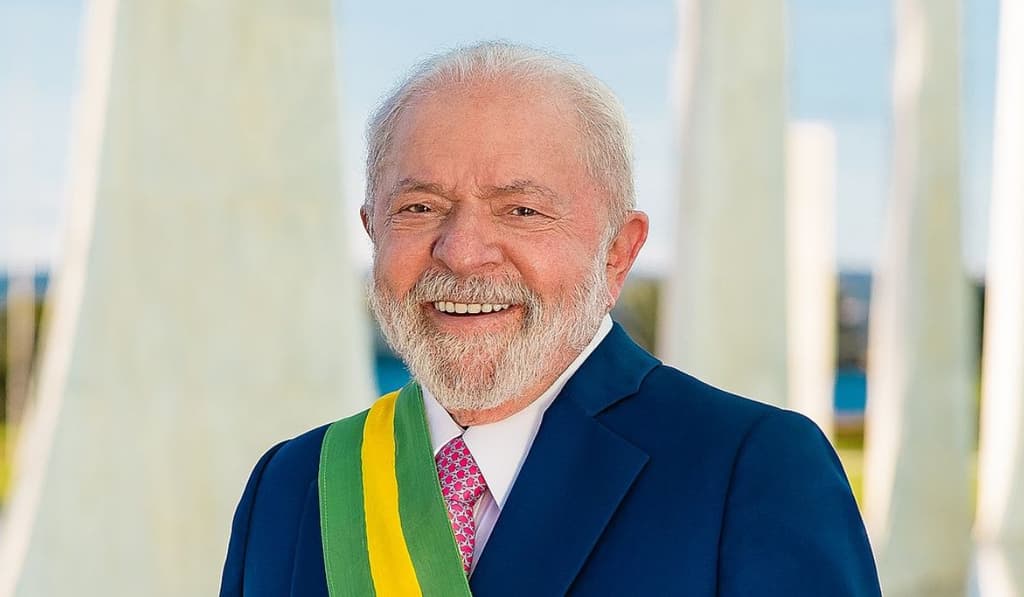
路易斯·伊纳西奥·卢拉·达席尔瓦
24%

费尔南多·哈达
6%

雷南·桑托斯
5%

Romeu Zema
2%

罗纳尔多·卡亚多
2%

塔尔西西奥·德·弗雷塔斯
2%

拉蒂尼奥·儒尼奥尔
1%

赫拉尔多·阿尔克明
1%

卡米洛·桑塔纳
<1%

米歇尔·博索纳罗
<1%

雅伊尔·博尔索纳罗
<1%

爱德华多·博尔索纳罗
<1%
弗拉维奥·博尔索纳罗 56%
路易斯·伊纳西奥·卢拉·达席尔瓦 24%
费尔南多·哈达 6.0%
雷南·桑托斯 5.3%
$2,673,241 交易量
$2,673,241 交易量
弗拉维奥·博尔索纳罗
56%
路易斯·伊纳西奥·卢拉·达席尔瓦
24%
费尔南多·哈达
6%
雷南·桑托斯
5%
Romeu Zema
2%
罗纳尔多·卡亚多
2%
塔尔西西奥·德·弗雷塔斯
2%
拉蒂尼奥·儒尼奥尔
1%
赫拉尔多·阿尔克明
1%
卡米洛·桑塔纳
<1%
米歇尔·博索纳罗
<1%
雅伊尔·博尔索纳罗
<1%
爱德华多·博尔索纳罗
<1%
This market will resolve according to the listed candidate who receives the second-most valid votes in the first round of this election.
The named candidates will be primarily ranked by the number of valid votes received in the specified election. If two or more candidates are tied on valid votes, ties will be broken by alphabetical order of the candidates' last names. This market will resolve to the candidate that occupies the second-highest finishing position after applying this ranking.
If the result of this election isn't known definitively by June 30, 2027, 11:59 PM ET, the market will resolve to "Other".
This market will resolve based on the result of the election, as indicated by a consensus of credible reporting. If there is ambiguity, this market will resolve based solely on the official results as reported by the Brazilian government, specifically the Superior Electoral Court (Tribunal Superior Eleitoral, TSE) (e.g., https://dadosabertos.tse.jus.br/).
市场开放时间: Feb 11, 2026, 5:47 PM ET
Resolver
0x2F5e3684c...This market will resolve according to the listed candidate who receives the second-most valid votes in the first round of this election.
The named candidates will be primarily ranked by the number of valid votes received in the specified election. If two or more candidates are tied on valid votes, ties will be broken by alphabetical order of the candidates' last names. This market will resolve to the candidate that occupies the second-highest finishing position after applying this ranking.
If the result of this election isn't known definitively by June 30, 2027, 11:59 PM ET, the market will resolve to "Other".
This market will resolve based on the result of the election, as indicated by a consensus of credible reporting. If there is ambiguity, this market will resolve based solely on the official results as reported by the Brazilian government, specifically the Superior Electoral Court (Tribunal Superior Eleitoral, TSE) (e.g., https://dadosabertos.tse.jus.br/).
Resolver
0x2F5e3684c...Recent AtlasIntel polling from March 18-23 shows President Luiz Inácio Lula da Silva leading first-round scenarios at 45.9%, with Senator Flávio Bolsonaro close behind at 40.1%, reinforcing trader consensus favoring Flávio for second place amid a fragmented field where other candidates trail far below. Lula, seeking a fourth nonconsecutive term, holds a narrow edge in most surveys like Datafolha and Quaest from early March, but Flávio's surge—fueled by his father's endorsement and the Bolsonaro brand—has narrowed the gap, as seen in a Futura poll where he led. Ratinho Júnior's withdrawal on March 23 may further consolidate right-wing support behind Flávio, while low odds for governors like Romeu Zema, Ronaldo Caiado, and Tarcísio de Freitas reflect their distant standings. The October 4 first round remains competitive, with top two advancing to a potential runoff.
基于Polymarket数据的AI实验性摘要 · 更新于
警惕外部链接哦。
警惕外部链接哦。
常见问题