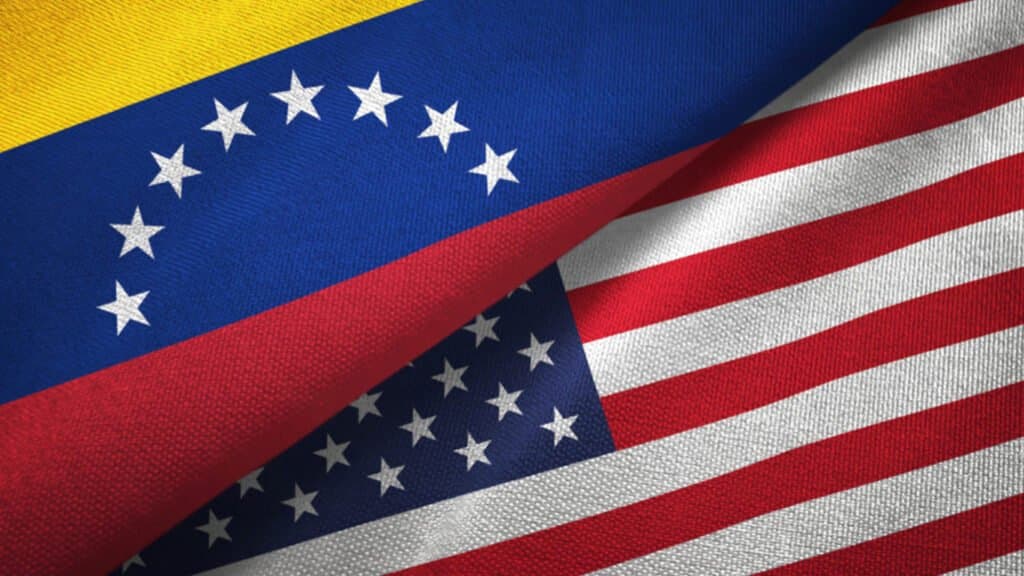
Following the January 3, 2026, US airstrikes that captured Nicolás Maduro, trader consensus on another US drone, missile, or aerial strike on Venezuelan soil remains subdued, reflecting de-escalation signals amid a US-supported political transition. In the past 30 days, Washington and Caracas reestablished diplomatic relations on March 5, with interim leader Delcy Rodríguez engaging US envoys on stabilization, while the US eased oil sanctions on March 18 to bolster global supply amid Iran tensions. Low domestic approval (33% per Reuters/Ipsos), billion-dollar operation costs, and shifting priorities to Cuba and Iran have curbed escalation risks. Upcoming factors include potential elections by December 31 and congressional resolutions limiting further military force.
Resumo experimental gerado por IA com dados do Polymarket · Atualizado$2,526,393 Vol.
31 de março
2%
31 de dezembro
21%
$2,526,393 Vol.
31 de março
2%
31 de dezembro
21%
For the purposes of this market, a qualifying "strike" is defined as the use of aerial bombs, drones, or missiles (including FPV and ATGM strikes as well as cruise or ballistic missiles) launched by any United States operatives, including military forces, intelligence agencies, or other U.S. government operatives, that physically impact ground territory within Venezuela.
A strike on any area within the terrestrial territory (including rivers, lakes, ports, but excluding territorial sea) of Venezuela counts.
Missiles or drones that are intercepted and surface-to-air missile strikes will not be sufficient for a "Yes" resolution, regardless of whether they land on Venezuelan territory or cause damage.
Actions such as artillery fire, small arms fire, ground incursions, naval shelling, or cyberattacks will not qualify.
Any strike occurring during this market’s timeframe that is claimed by either Donald Trump or the U.S. government will qualify.
The primary resolution source will be a consensus of credible reporting.
This market will remain open until the end of the second day after the resolution time. If the date/time of a qualifying strike cannot be confirmed by a consensus of credible reporting by that time, it will resolve to "No" regardless of whether a strike was later confirmed to have taken place.
Mercado Aberto: Jan 3, 2026, 11:24 AM ET
Resolver
0x65070BE91...Resultado proposto: Não
Sem contestação
Resultado final: Não
For the purposes of this market, a qualifying "strike" is defined as the use of aerial bombs, drones, or missiles (including FPV and ATGM strikes as well as cruise or ballistic missiles) launched by any United States operatives, including military forces, intelligence agencies, or other U.S. government operatives, that physically impact ground territory within Venezuela.
A strike on any area within the terrestrial territory (including rivers, lakes, ports, but excluding territorial sea) of Venezuela counts.
Missiles or drones that are intercepted and surface-to-air missile strikes will not be sufficient for a "Yes" resolution, regardless of whether they land on Venezuelan territory or cause damage.
Actions such as artillery fire, small arms fire, ground incursions, naval shelling, or cyberattacks will not qualify.
Any strike occurring during this market’s timeframe that is claimed by either Donald Trump or the U.S. government will qualify.
The primary resolution source will be a consensus of credible reporting.
This market will remain open until the end of the second day after the resolution time. If the date/time of a qualifying strike cannot be confirmed by a consensus of credible reporting by that time, it will resolve to "No" regardless of whether a strike was later confirmed to have taken place.
Resolver
0x65070BE91...Resultado proposto: Não
Sem contestação
Resultado final: Não
Following the January 3, 2026, US airstrikes that captured Nicolás Maduro, trader consensus on another US drone, missile, or aerial strike on Venezuelan soil remains subdued, reflecting de-escalation signals amid a US-supported political transition. In the past 30 days, Washington and Caracas reestablished diplomatic relations on March 5, with interim leader Delcy Rodríguez engaging US envoys on stabilization, while the US eased oil sanctions on March 18 to bolster global supply amid Iran tensions. Low domestic approval (33% per Reuters/Ipsos), billion-dollar operation costs, and shifting priorities to Cuba and Iran have curbed escalation risks. Upcoming factors include potential elections by December 31 and congressional resolutions limiting further military force.
Resumo experimental gerado por IA com dados do Polymarket · Atualizado
Cuidado com os links externos.
Cuidado com os links externos.
Frequently Asked Questions