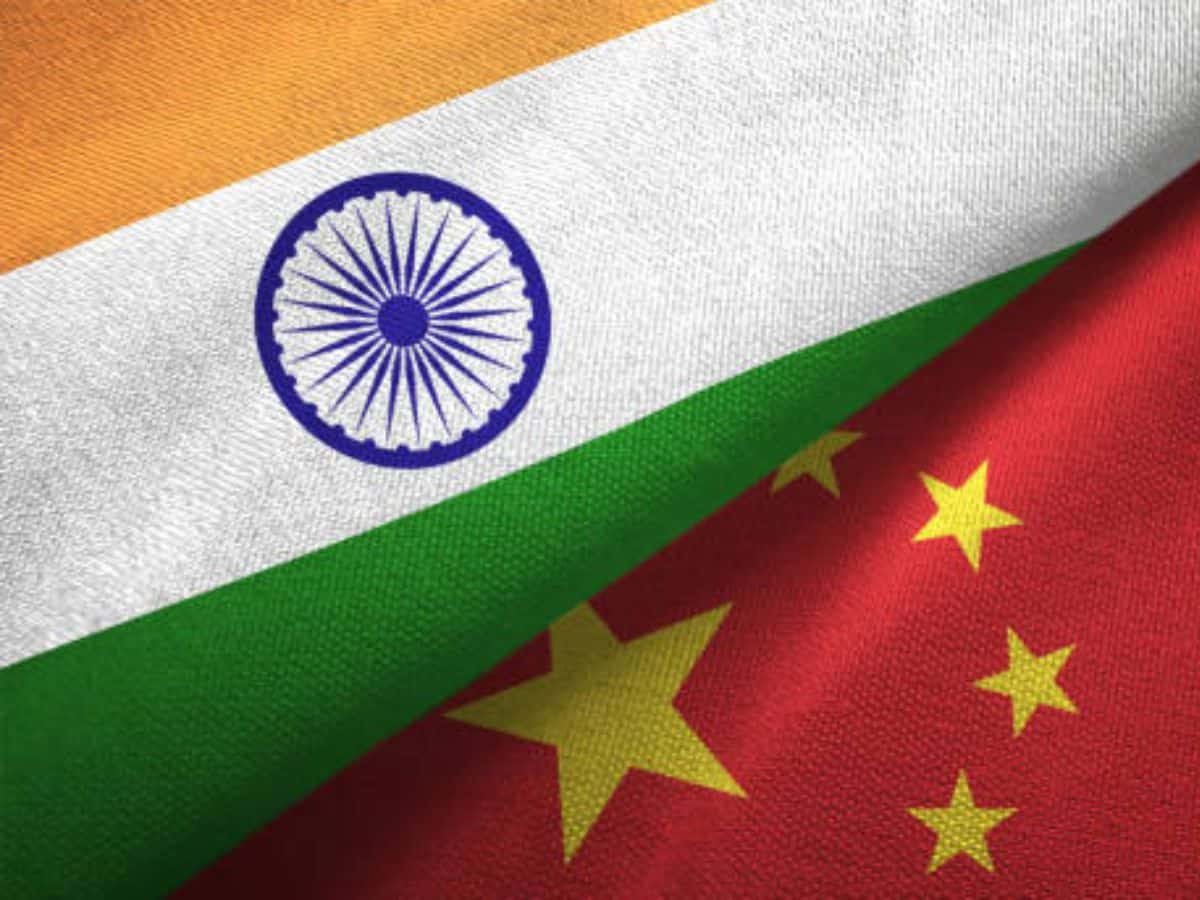
Trader consensus prices a China-India military clash along the Line of Actual Control at 17% by December 31, 2026, reflecting sustained diplomatic de-escalation since the deadly 2020 Galwan skirmishes amid no verified incidents in the past 30 days. Recent March 2026 developments include data revealing surged Indian border patrols to 500 monthly and Chinese infrastructure advances in Ladakh buffer zones, alongside Beijing's envoy highlighting post-disengagement improvements in bilateral ties. Under 1996 pacts banning firearms, troops rely on non-lethal tools like tasers during face-offs, limiting escalation while ongoing commander-level talks and mutual infrastructure races maintain competitive tensions without tipping into open conflict.
基於Polymarket數據的AI實驗性摘要 · 更新於$217,839 交易量
2026-12-31
2026年12月31日
16%
$217,839 交易量
2026年12月31日
$106,960 交易量
16%
This market will resolve to "Yes" if there is a military encounter between the military forces of China (People's Republic of China) and India between January 29, 2025 and December 31, 2026, 11:59 PM ET. Otherwise, this market will resolve to "No".
A "military encounter" is defined as any incident involving the use of force such as missile strikes, artillery fire, exchange of gunfire, or other forms of direct military engagement between Chinese and Indian military forces. Hand-to-hand combat with the use of melee weapons between military personnel, will qualify. For example the 2020 Galwan Valley clash and the 2022 Yangtse clash would both count.
Non-violent actions, such as warning shots, artillery fire into uninhabited areas, or missile launches that land in territorial waters or pass through airspace, will not qualify for a "Yes" resolution. Intentional ship ramming that results in significant damage to (e.g., a hole in the hull) or the sinking of a military ship by another will count toward a "Yes" resolution, however minor damage (scrapes, dents) will not.
Note: the China Coast Guard (CCG) is part of the military, however the Indian Coast Guard (ICG) is not.
The resolution source for this market will be a consensus of credible reporting.This market will resolve to "Yes" if there is a military encounter between the military forces of China (People's Republic of China) and India between January 29, and June 30, 2025, 11:59 PM ET. Otherwise, this market will resolve to "No".
A "military encounter" is defined as any incident involving the use of force such as missile strikes, artillery fire, exchange of gunfire, or other forms of direct military engagement between Chinese and Indian military forces. Hand-to-hand combat with the use of melee weapons between military personnel, will qualify. For example the 2020 Galwan Valley clash and the 2022 Yangtse clash would both count.
Non-violent actions, such as warning shots, artillery fire into uninhabited areas, or missile launches that land in territorial waters or pass through airspace, will not qualify for a "Yes" resolution. Intentional ship ramming that results in significant damage to (e.g., a hole in the hull) or the sinking of a military ship by another will count toward a "Yes" resolution, however minor damage (scrapes, dents) will not.
Note: the China Coast Guard (CCG) is part of the military, however the Indian Coast Guard (ICG) is not.
The resolution source for this market will be a consensus of credible reporting.This market will resolve to "Yes" if there is a military encounter between the military forces of China (People's Republic of China) and India between January 29, and December 31, 2025, 11:59 PM ET. Otherwise, this market will resolve to "No".
A "military encounter" is defined as any incident involving the use of force such as missile strikes, artillery fire, exchange of gunfire, or other forms of direct military engagement between Chinese and Indian military forces. Hand-to-hand combat with the use of melee weapons between military personnel, will qualify. For example the 2020 Galwan Valley clash and the 2022 Yangtse clash would both count.
Non-violent actions, such as warning shots, artillery fire into uninhabited areas, or missile launches that land in territorial waters or pass through airspace, will not qualify for a "Yes" resolution. Intentional ship ramming that results in significant damage to (e.g., a hole in the hull) or the sinking of a military ship by another will count toward a "Yes" resolution, however minor damage (scrapes, dents) will not.
Note: the China Coast Guard (CCG) is part of the military, however the Indian Coast Guard (ICG) is not.
The resolution source for this market will be a consensus of credible reporting.Trader consensus prices a China-India military clash along the Line of Actual Control at 17% by December 31, 2026, reflecting sustained diplomatic de-escalation since the deadly 2020 Galwan skirmishes amid no verified incidents in the past 30 days. Recent March 2026 developments include data revealing surged Indian border patrols to 500 monthly and Chinese infrastructure advances in Ladakh buffer zones, alongside Beijing's envoy highlighting post-disengagement improvements in bilateral ties. Under 1996 pacts banning firearms, troops rely on non-lethal tools like tasers during face-offs, limiting escalation while ongoing commander-level talks and mutual infrastructure races maintain competitive tensions without tipping into open conflict.
This market will resolve to "Yes" if there is a military encounter between the military forces of China (People's Republic of China) and India between January 29, 2025 and December 31, 2026, 11:59 PM ET. Otherwise, this market will resolve to "No".
A "military encounter" is defined as any incident involving the use of force such as missile strikes, artillery fire, exchange of gunfire, or other forms of direct military engagement between Chinese and Indian military forces. Hand-to-hand combat with the use of melee weapons between military personnel, will qualify. For example the 2020 Galwan Valley clash and the 2022 Yangtse clash would both count.
Non-violent actions, such as warning shots, artillery fire into uninhabited areas, or missile launches that land in territorial waters or pass through airspace, will not qualify for a "Yes" resolution. Intentional ship ramming that results in significant damage to (e.g., a hole in the hull) or the sinking of a military ship by another will count toward a "Yes" resolution, however minor damage (scrapes, dents) will not.
Note: the China Coast Guard (CCG) is part of the military, however the Indian Coast Guard (ICG) is not.
The resolution source for this market will be a consensus of credible reporting.
A "military encounter" is defined as any incident involving the use of force such as missile strikes, artillery fire, exchange of gunfire, or other forms of direct military engagement between Chinese and Indian military forces. Hand-to-hand combat with the use of melee weapons between military personnel, will qualify. For example the 2020 Galwan Valley clash and the 2022 Yangtse clash would both count.
Non-violent actions, such as warning shots, artillery fire into uninhabited areas, or missile launches that land in territorial waters or pass through airspace, will not qualify for a "Yes" resolution. Intentional ship ramming that results in significant damage to (e.g., a hole in the hull) or the sinking of a military ship by another will count toward a "Yes" resolution, however minor damage (scrapes, dents) will not.
Note: the China Coast Guard (CCG) is part of the military, however the Indian Coast Guard (ICG) is not.
The resolution source for this market will be a consensus of credible reporting.
市場開放時間: Nov 13, 2025, 5:52 PM ET
交易量
$217,839結束日期
2025-12-31市場開放時間
Nov 13, 2025, 5:52 PM ETResolver
0x65070BE91...This market will resolve to "Yes" if there is a military encounter between the military forces of China (People's Republic of China) and India between January 29, 2025 and December 31, 2026, 11:59 PM ET. Otherwise, this market will resolve to "No".
A "military encounter" is defined as any incident involving the use of force such as missile strikes, artillery fire, exchange of gunfire, or other forms of direct military engagement between Chinese and Indian military forces. Hand-to-hand combat with the use of melee weapons between military personnel, will qualify. For example the 2020 Galwan Valley clash and the 2022 Yangtse clash would both count.
Non-violent actions, such as warning shots, artillery fire into uninhabited areas, or missile launches that land in territorial waters or pass through airspace, will not qualify for a "Yes" resolution. Intentional ship ramming that results in significant damage to (e.g., a hole in the hull) or the sinking of a military ship by another will count toward a "Yes" resolution, however minor damage (scrapes, dents) will not.
Note: the China Coast Guard (CCG) is part of the military, however the Indian Coast Guard (ICG) is not.
The resolution source for this market will be a consensus of credible reporting.This market will resolve to "Yes" if there is a military encounter between the military forces of China (People's Republic of China) and India between January 29, and June 30, 2025, 11:59 PM ET. Otherwise, this market will resolve to "No".
A "military encounter" is defined as any incident involving the use of force such as missile strikes, artillery fire, exchange of gunfire, or other forms of direct military engagement between Chinese and Indian military forces. Hand-to-hand combat with the use of melee weapons between military personnel, will qualify. For example the 2020 Galwan Valley clash and the 2022 Yangtse clash would both count.
Non-violent actions, such as warning shots, artillery fire into uninhabited areas, or missile launches that land in territorial waters or pass through airspace, will not qualify for a "Yes" resolution. Intentional ship ramming that results in significant damage to (e.g., a hole in the hull) or the sinking of a military ship by another will count toward a "Yes" resolution, however minor damage (scrapes, dents) will not.
Note: the China Coast Guard (CCG) is part of the military, however the Indian Coast Guard (ICG) is not.
The resolution source for this market will be a consensus of credible reporting.This market will resolve to "Yes" if there is a military encounter between the military forces of China (People's Republic of China) and India between January 29, and December 31, 2025, 11:59 PM ET. Otherwise, this market will resolve to "No".
A "military encounter" is defined as any incident involving the use of force such as missile strikes, artillery fire, exchange of gunfire, or other forms of direct military engagement between Chinese and Indian military forces. Hand-to-hand combat with the use of melee weapons between military personnel, will qualify. For example the 2020 Galwan Valley clash and the 2022 Yangtse clash would both count.
Non-violent actions, such as warning shots, artillery fire into uninhabited areas, or missile launches that land in territorial waters or pass through airspace, will not qualify for a "Yes" resolution. Intentional ship ramming that results in significant damage to (e.g., a hole in the hull) or the sinking of a military ship by another will count toward a "Yes" resolution, however minor damage (scrapes, dents) will not.
Note: the China Coast Guard (CCG) is part of the military, however the Indian Coast Guard (ICG) is not.
The resolution source for this market will be a consensus of credible reporting.Trader consensus prices a China-India military clash along the Line of Actual Control at 17% by December 31, 2026, reflecting sustained diplomatic de-escalation since the deadly 2020 Galwan skirmishes amid no verified incidents in the past 30 days. Recent March 2026 developments include data revealing surged Indian border patrols to 500 monthly and Chinese infrastructure advances in Ladakh buffer zones, alongside Beijing's envoy highlighting post-disengagement improvements in bilateral ties. Under 1996 pacts banning firearms, troops rely on non-lethal tools like tasers during face-offs, limiting escalation while ongoing commander-level talks and mutual infrastructure races maintain competitive tensions without tipping into open conflict.
This market will resolve to "Yes" if there is a military encounter between the military forces of China (People's Republic of China) and India between January 29, 2025 and December 31, 2026, 11:59 PM ET. Otherwise, this market will resolve to "No".
A "military encounter" is defined as any incident involving the use of force such as missile strikes, artillery fire, exchange of gunfire, or other forms of direct military engagement between Chinese and Indian military forces. Hand-to-hand combat with the use of melee weapons between military personnel, will qualify. For example the 2020 Galwan Valley clash and the 2022 Yangtse clash would both count.
Non-violent actions, such as warning shots, artillery fire into uninhabited areas, or missile launches that land in territorial waters or pass through airspace, will not qualify for a "Yes" resolution. Intentional ship ramming that results in significant damage to (e.g., a hole in the hull) or the sinking of a military ship by another will count toward a "Yes" resolution, however minor damage (scrapes, dents) will not.
Note: the China Coast Guard (CCG) is part of the military, however the Indian Coast Guard (ICG) is not.
The resolution source for this market will be a consensus of credible reporting.
A "military encounter" is defined as any incident involving the use of force such as missile strikes, artillery fire, exchange of gunfire, or other forms of direct military engagement between Chinese and Indian military forces. Hand-to-hand combat with the use of melee weapons between military personnel, will qualify. For example the 2020 Galwan Valley clash and the 2022 Yangtse clash would both count.
Non-violent actions, such as warning shots, artillery fire into uninhabited areas, or missile launches that land in territorial waters or pass through airspace, will not qualify for a "Yes" resolution. Intentional ship ramming that results in significant damage to (e.g., a hole in the hull) or the sinking of a military ship by another will count toward a "Yes" resolution, however minor damage (scrapes, dents) will not.
Note: the China Coast Guard (CCG) is part of the military, however the Indian Coast Guard (ICG) is not.
The resolution source for this market will be a consensus of credible reporting.
交易量
$217,839結束日期
2025-12-31市場開放時間
Nov 13, 2025, 5:52 PM ETResolver
0x65070BE91...Trader consensus prices a China-India military clash along the Line of Actual Control at 17% by December 31, 2026, reflecting sustained diplomatic de-escalation since the deadly 2020 Galwan skirmishes amid no verified incidents in the past 30 days. Recent March 2026 developments include data revealing surged Indian border patrols to 500 monthly and Chinese infrastructure advances in Ladakh buffer zones, alongside Beijing's envoy highlighting post-disengagement improvements in bilateral ties. Under 1996 pacts banning firearms, troops rely on non-lethal tools like tasers during face-offs, limiting escalation while ongoing commander-level talks and mutual infrastructure races maintain competitive tensions without tipping into open conflict.
基於Polymarket數據的AI實驗性摘要 · 更新於
警惕外部連結哦。
警惕外部連結哦。
Frequently Asked Questions