
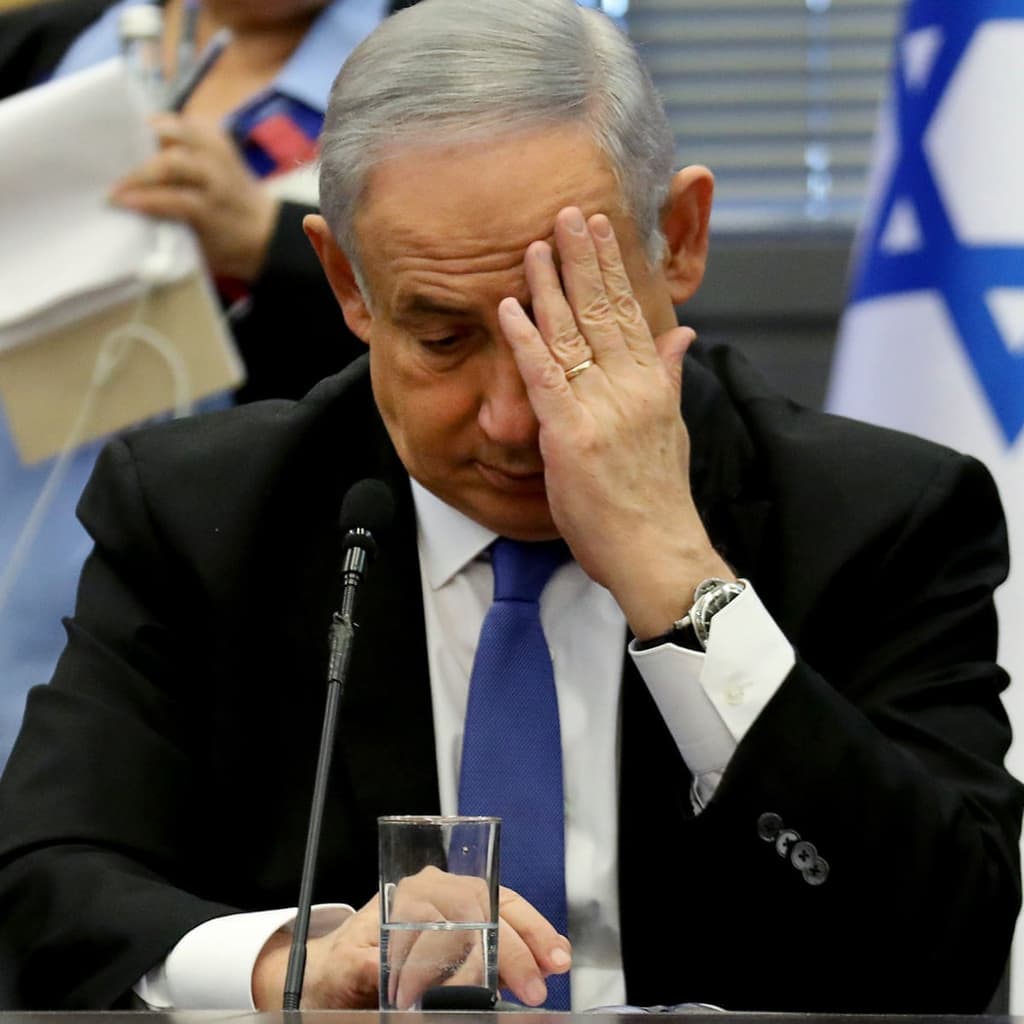
Israel’s October 27 Knesset election stands as the dominant near-term driver, with recent polls showing Netanyahu’s bloc roughly tied or narrowly ahead of Gadi Eisenkot’s opposition grouping at around 52 seats each—well short of the 61-seat majority needed to form a government. Fresh testimony from former military aides has revived scrutiny of Netanyahu’s pre-Oct. 7 decisions and alleged post-attack record alterations, keeping accountability for the 2023 failures central to the campaign. Netanyahu has publicly stated he would remain Likud leader and opposition chief even in defeat, while analysts note that an opposition-led Knesset could pursue rapid procedural steps, such as replacing the speaker or advancing legislation on inquiries or eligibility, before any new government is sworn in. These dynamics leave substantial uncertainty over whether he completes the year in office.
สรุปจาก AI ทดลองที่อ้างอิงข้อมูลจาก Polymarket ไม่ใช่คำแนะนำในการเทรดและไม่มีผลต่อการตัดสินตลาดนี้ · อัปเดตแล้วView resolved
ระวังลิงก์ภายนอก
ระวังลิงก์ภายนอก
คำถามที่พบบ่อย