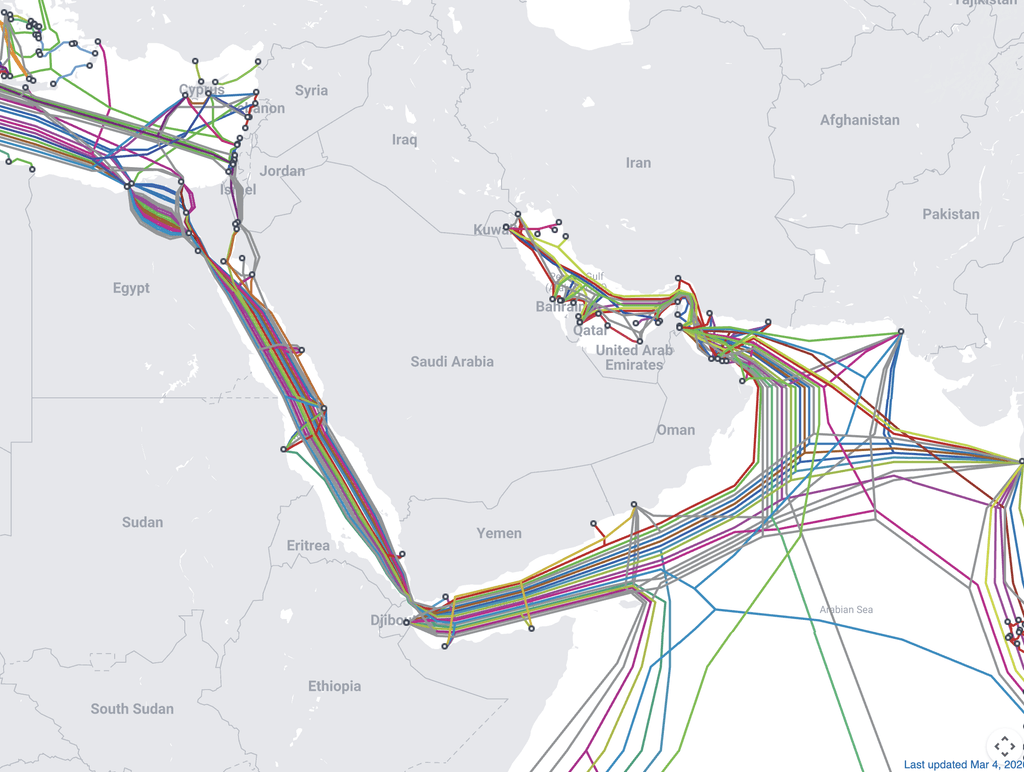
Trader consensus reflects a 93.5% implied probability against Iran sabotaging undersea internet cables by April 30, driven primarily by the absence of any verified threats, official statements, or intelligence reports linking Tehran to such actions. Amid heightened Israel-Iran tensions following recent missile exchanges, Iranian officials have emphasized potential retaliation via Strait of Hormuz disruptions or proxy militias like the Houthis, but not cable infrastructure. Baltic Sea cable damages earlier this month sparked sabotage fears, yet investigations point to a Chinese vessel rather than Iran. With no credible catalysts and a tight deadline, traders view the scenario as low-risk speculation lacking motive or capability evidence.
Экспериментальная сводка, созданная ИИ на основе данных Polymarket · ОбновленоБудет ли Иран саботировать подводные интернет-кабели к 30 апреля?
Будет ли Иран саботировать подводные интернет-кабели к 30 апреля?
Да
NEW
$11,231 Объем
NEW
$11,231 Объем
Apr 30, 2026
Да
NEW
$11,231 Объем
NEW
$11,231 Объем
Apr 30, 2026
This market will resolve to "Yes" if Iran or Iranian-aligned groups damage undersea internet cables between market creation and April 30, 2026, 11:59 PM ET. Otherwise, this market will resolve to “No”.
Only actions that cause physical damage to the undersea internet cable infrastructure, e.g., physical sabotage, such as cutting, dragging, or explosive attacks, will be considered. Cyber attacks will not qualify, even if they have kinetic effects.
Qualifying incidents must occur in the region spanning the Persian Gulf, Strait of Hormuz, Gulf of Oman, Arabian Sea, Gulf of Aden, and Red Sea, including areas surrounding the Arabian Peninsula.
Attempted attacks that do not result in damage, or actions that are intercepted or fail to impact the cables, will not qualify for a "Yes" resolution.
Incidents which are broadly attributed to Iranian forces or Iranian-aligned groups will qualify regardless of the absence of definitive evidence or official Iranian denials.
The resolution source will be a consensus of credible reporting.
This market will resolve to "Yes" if Iran or Iranian-aligned groups damage undersea internet cables between market creation and April 30, 2026, 11:59 PM ET. Otherwise, this market will resolve to “No”.
Only actions that cause physical damage to the undersea internet cable infrastructure, e.g., physical sabotage, such as cutting, dragging, or explosive attacks, will be considered. Cyber attacks will not qualify, even if they have kinetic effects.
Qualifying incidents must occur in the region spanning the Persian Gulf, Strait of Hormuz, Gulf of Oman, Arabian Sea, Gulf of Aden, and Red Sea, including areas surrounding the Arabian Peninsula.
Attempted attacks that do not result in damage, or actions that are intercepted or fail to impact the cables, will not qualify for a "Yes" resolution.
Incidents which are broadly attributed to Iranian forces or Iranian-aligned groups will qualify regardless of the absence of definitive evidence or official Iranian denials.
The resolution source will be a consensus of credible reporting.This market will resolve to "Yes" if Iran or Iranian-aligned groups damage undersea internet cables between market creation and April 30, 2026, 11:59 PM ET. Otherwise, this market will resolve to “No”.
Only actions that cause physical damage to the undersea internet cable infrastructure, e.g., physical sabotage, such as cutting, dragging, or explosive attacks, will be considered. Cyber attacks will not qualify, even if they have kinetic effects.
Qualifying incidents must occur in the region spanning the Persian Gulf, Strait of Hormuz, Gulf of Oman, Arabian Sea, Gulf of Aden, and Red Sea, including areas surrounding the Arabian Peninsula.
Attempted attacks that do not result in damage, or actions that are intercepted or fail to impact the cables, will not qualify for a "Yes" resolution.
Incidents which are broadly attributed to Iranian forces or Iranian-aligned groups will qualify regardless of the absence of definitive evidence or official Iranian denials.
The resolution source will be a consensus of credible reporting.
Only actions that cause physical damage to the undersea internet cable infrastructure, e.g., physical sabotage, such as cutting, dragging, or explosive attacks, will be considered. Cyber attacks will not qualify, even if they have kinetic effects.
Qualifying incidents must occur in the region spanning the Persian Gulf, Strait of Hormuz, Gulf of Oman, Arabian Sea, Gulf of Aden, and Red Sea, including areas surrounding the Arabian Peninsula.
Attempted attacks that do not result in damage, or actions that are intercepted or fail to impact the cables, will not qualify for a "Yes" resolution.
Incidents which are broadly attributed to Iranian forces or Iranian-aligned groups will qualify regardless of the absence of definitive evidence or official Iranian denials.
The resolution source will be a consensus of credible reporting.
Открытие рынка: Mar 23, 2026, 6:23 PM ET
Объем
$11,231Дата окончания
Apr 30, 2026Открытие рынка
Mar 23, 2026, 6:23 PM ETResolver
0x65070BE91...This market will resolve to "Yes" if Iran or Iranian-aligned groups damage undersea internet cables between market creation and April 30, 2026, 11:59 PM ET. Otherwise, this market will resolve to “No”.
Only actions that cause physical damage to the undersea internet cable infrastructure, e.g., physical sabotage, such as cutting, dragging, or explosive attacks, will be considered. Cyber attacks will not qualify, even if they have kinetic effects.
Qualifying incidents must occur in the region spanning the Persian Gulf, Strait of Hormuz, Gulf of Oman, Arabian Sea, Gulf of Aden, and Red Sea, including areas surrounding the Arabian Peninsula.
Attempted attacks that do not result in damage, or actions that are intercepted or fail to impact the cables, will not qualify for a "Yes" resolution.
Incidents which are broadly attributed to Iranian forces or Iranian-aligned groups will qualify regardless of the absence of definitive evidence or official Iranian denials.
The resolution source will be a consensus of credible reporting.
This market will resolve to "Yes" if Iran or Iranian-aligned groups damage undersea internet cables between market creation and April 30, 2026, 11:59 PM ET. Otherwise, this market will resolve to “No”.
Only actions that cause physical damage to the undersea internet cable infrastructure, e.g., physical sabotage, such as cutting, dragging, or explosive attacks, will be considered. Cyber attacks will not qualify, even if they have kinetic effects.
Qualifying incidents must occur in the region spanning the Persian Gulf, Strait of Hormuz, Gulf of Oman, Arabian Sea, Gulf of Aden, and Red Sea, including areas surrounding the Arabian Peninsula.
Attempted attacks that do not result in damage, or actions that are intercepted or fail to impact the cables, will not qualify for a "Yes" resolution.
Incidents which are broadly attributed to Iranian forces or Iranian-aligned groups will qualify regardless of the absence of definitive evidence or official Iranian denials.
The resolution source will be a consensus of credible reporting.This market will resolve to "Yes" if Iran or Iranian-aligned groups damage undersea internet cables between market creation and April 30, 2026, 11:59 PM ET. Otherwise, this market will resolve to “No”.
Only actions that cause physical damage to the undersea internet cable infrastructure, e.g., physical sabotage, such as cutting, dragging, or explosive attacks, will be considered. Cyber attacks will not qualify, even if they have kinetic effects.
Qualifying incidents must occur in the region spanning the Persian Gulf, Strait of Hormuz, Gulf of Oman, Arabian Sea, Gulf of Aden, and Red Sea, including areas surrounding the Arabian Peninsula.
Attempted attacks that do not result in damage, or actions that are intercepted or fail to impact the cables, will not qualify for a "Yes" resolution.
Incidents which are broadly attributed to Iranian forces or Iranian-aligned groups will qualify regardless of the absence of definitive evidence or official Iranian denials.
The resolution source will be a consensus of credible reporting.
Only actions that cause physical damage to the undersea internet cable infrastructure, e.g., physical sabotage, such as cutting, dragging, or explosive attacks, will be considered. Cyber attacks will not qualify, even if they have kinetic effects.
Qualifying incidents must occur in the region spanning the Persian Gulf, Strait of Hormuz, Gulf of Oman, Arabian Sea, Gulf of Aden, and Red Sea, including areas surrounding the Arabian Peninsula.
Attempted attacks that do not result in damage, or actions that are intercepted or fail to impact the cables, will not qualify for a "Yes" resolution.
Incidents which are broadly attributed to Iranian forces or Iranian-aligned groups will qualify regardless of the absence of definitive evidence or official Iranian denials.
The resolution source will be a consensus of credible reporting.
Объем
$11,231Дата окончания
Apr 30, 2026Открытие рынка
Mar 23, 2026, 6:23 PM ETResolver
0x65070BE91...Trader consensus reflects a 93.5% implied probability against Iran sabotaging undersea internet cables by April 30, driven primarily by the absence of any verified threats, official statements, or intelligence reports linking Tehran to such actions. Amid heightened Israel-Iran tensions following recent missile exchanges, Iranian officials have emphasized potential retaliation via Strait of Hormuz disruptions or proxy militias like the Houthis, but not cable infrastructure. Baltic Sea cable damages earlier this month sparked sabotage fears, yet investigations point to a Chinese vessel rather than Iran. With no credible catalysts and a tight deadline, traders view the scenario as low-risk speculation lacking motive or capability evidence.
Экспериментальная сводка, созданная ИИ на основе данных Polymarket · Обновлено
Не доверяй внешним ссылкам.
Не доверяй внешним ссылкам.
Часто задаваемые вопросы