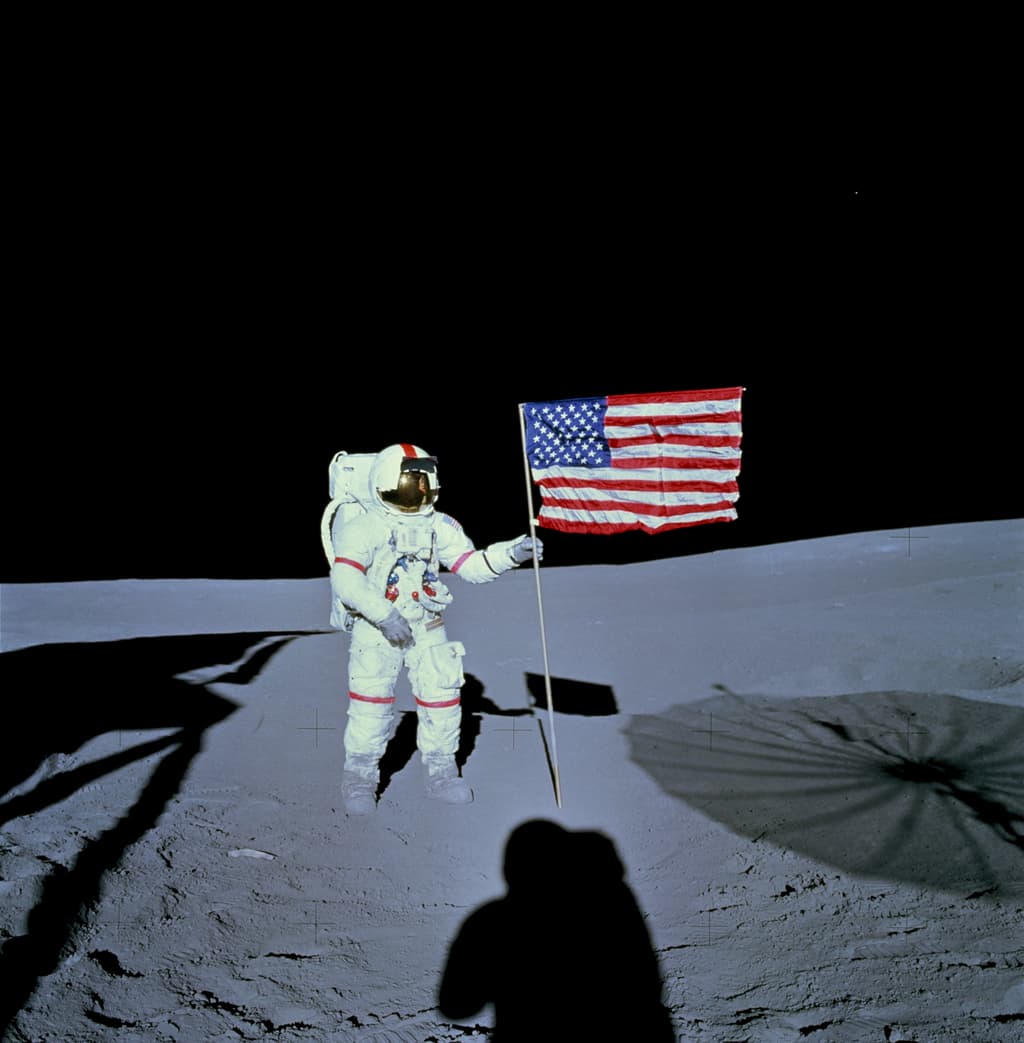
Trader consensus on Polymarket reflects near-certainty at 95.5% implied probability for no human moon landing in 2026, driven primarily by NASA's February 2026 restructuring of the Artemis program amid persistent SpaceX Starship delays. The agency shifted Artemis III—originally eyed for a late-2026 lunar landing—to a 2027 low Earth orbit demonstration of commercial human landing systems from SpaceX and Blue Origin, with the first crewed surface mission now targeted for Artemis IV in 2028. Recent Starship development setbacks, including at least two years of slippage flagged in a March inspector general report, have eroded timelines further. While Artemis II's successful April 1 crewed lunar flyby marks progress, landing hardware remains unproven. Realistic wildcards include accelerated Starship testing or an unforeseen private venture breakthrough, though historical program delays and technical hurdles make a 2026 landing improbable absent major surprises.
Resumo experimental gerado por IA com dados do Polymarket · AtualizadoAterragem humana na Lua em 2026?
Aterragem humana na Lua em 2026?
Sim
$1,897,664 Vol.
$1,897,664 Vol.
Sim
$1,897,664 Vol.
$1,897,664 Vol.
A touchdown of the spacecraft with humans aboard will be sufficient to resolve this market to "Yes", regardless of technical complications.
The resolution source will be a consensus of credible reporting.
Mercado Aberto: Jan 7, 2026, 4:01 PM ET
Resolver
0x65070BE91...A touchdown of the spacecraft with humans aboard will be sufficient to resolve this market to "Yes", regardless of technical complications.
The resolution source will be a consensus of credible reporting.
Resolver
0x65070BE91...Trader consensus on Polymarket reflects near-certainty at 95.5% implied probability for no human moon landing in 2026, driven primarily by NASA's February 2026 restructuring of the Artemis program amid persistent SpaceX Starship delays. The agency shifted Artemis III—originally eyed for a late-2026 lunar landing—to a 2027 low Earth orbit demonstration of commercial human landing systems from SpaceX and Blue Origin, with the first crewed surface mission now targeted for Artemis IV in 2028. Recent Starship development setbacks, including at least two years of slippage flagged in a March inspector general report, have eroded timelines further. While Artemis II's successful April 1 crewed lunar flyby marks progress, landing hardware remains unproven. Realistic wildcards include accelerated Starship testing or an unforeseen private venture breakthrough, though historical program delays and technical hurdles make a 2026 landing improbable absent major surprises.
Resumo experimental gerado por IA com dados do Polymarket · Atualizado
Cuidado com os links externos.
Cuidado com os links externos.
Frequently Asked Questions