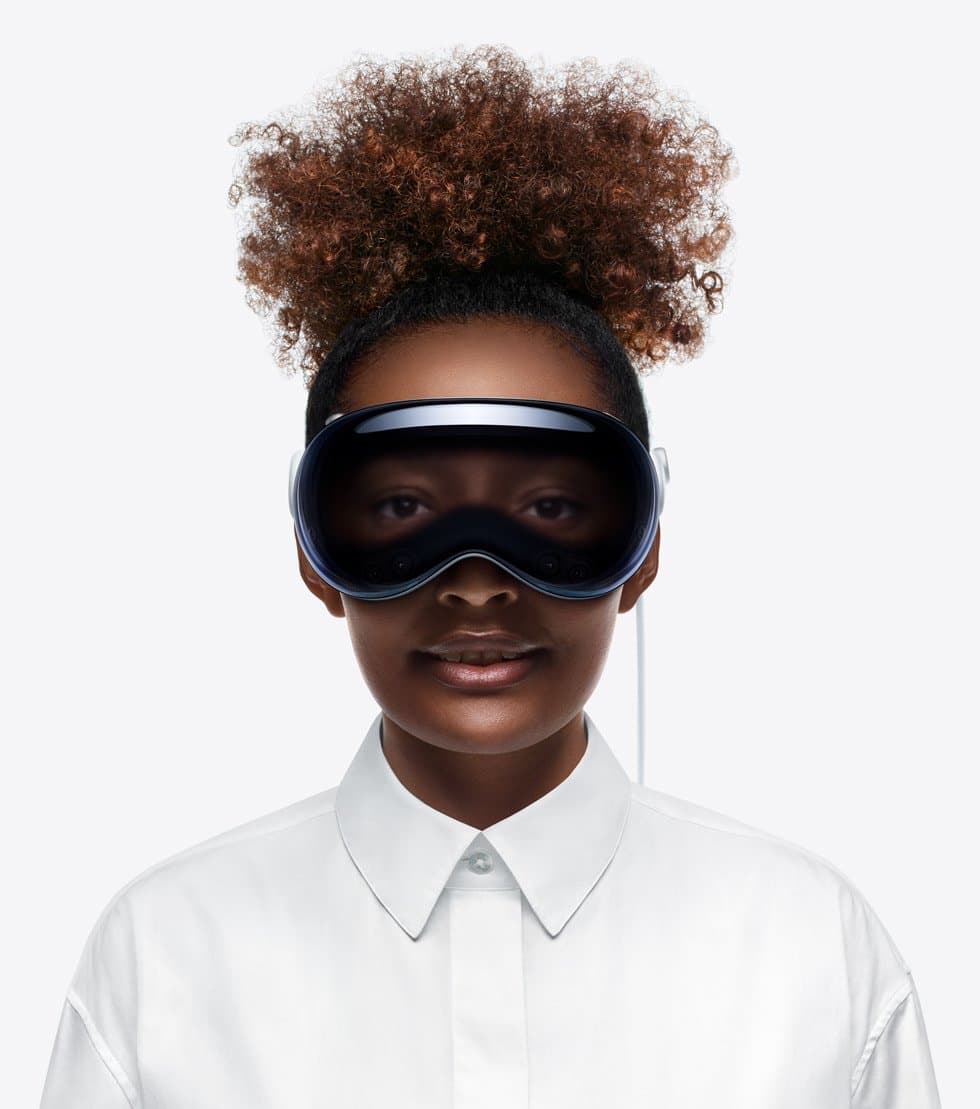
Trader consensus on Polymarket reflects a 93.5% implied probability against an Apple Vision Pro 2 release before 2027, driven by Apple's October 2025 launch of an incremental M5 chip upgrade to the original Vision Pro—featuring improved performance, a Dual Knit Band for comfort, and visionOS enhancements—rather than a full successor headset. Supply chain analysts like Ming-Chi Kuo have forecasted no new head-mounted displays in 2026, with focus shifting to a lighter Vision Air model and AI-powered smart glasses targeted for 2027 production start. Absent official announcements or production ramps since the refresh, historical Apple hardware timelines (typically 2-3 years between major iterations) reinforce this positioning. Realistic challenges include an accelerated roadmap surprise at WWDC 2026 or undisclosed supply chain progress, though low original adoption tempers expectations for rushed follow-ups.
Résumé expérimental généré par IA à partir des données Polymarket · Mis à jourOui
Oui
A qualifying product must be named "Apple Vision" and be recognized as a successor to the original Apple Vision Pro product, similar to the relationship between iPhone 14 and iPhone 15. A new Apple Vision product released without a number, under a designation other than Apple Vision Pro 2 will qualify if it retains the original functions of the Apple Vision Pro and expands on them in such a way that it is clear that this product is a successor.
Releases framed as an upgrade or refresh (e.g. the 2025 release of the Apple Vision Pro with an M5 chip) will not qualify as a successor to the original Apple Vision Pro product.
In order to be considered released, the product must be available for purchase by the general public within the specified timeframe. An announcement or unveiling alone is not sufficient.
The primary resolution source for this market will be official statements from Apple. However, a consensus of credible reporting may also be used.
Marché ouvert : Dec 12, 2025, 5:54 PM ET
Resolver
0x65070BE91...A qualifying product must be named "Apple Vision" and be recognized as a successor to the original Apple Vision Pro product, similar to the relationship between iPhone 14 and iPhone 15. A new Apple Vision product released without a number, under a designation other than Apple Vision Pro 2 will qualify if it retains the original functions of the Apple Vision Pro and expands on them in such a way that it is clear that this product is a successor.
Releases framed as an upgrade or refresh (e.g. the 2025 release of the Apple Vision Pro with an M5 chip) will not qualify as a successor to the original Apple Vision Pro product.
In order to be considered released, the product must be available for purchase by the general public within the specified timeframe. An announcement or unveiling alone is not sufficient.
The primary resolution source for this market will be official statements from Apple. However, a consensus of credible reporting may also be used.
Resolver
0x65070BE91...Trader consensus on Polymarket reflects a 93.5% implied probability against an Apple Vision Pro 2 release before 2027, driven by Apple's October 2025 launch of an incremental M5 chip upgrade to the original Vision Pro—featuring improved performance, a Dual Knit Band for comfort, and visionOS enhancements—rather than a full successor headset. Supply chain analysts like Ming-Chi Kuo have forecasted no new head-mounted displays in 2026, with focus shifting to a lighter Vision Air model and AI-powered smart glasses targeted for 2027 production start. Absent official announcements or production ramps since the refresh, historical Apple hardware timelines (typically 2-3 years between major iterations) reinforce this positioning. Realistic challenges include an accelerated roadmap surprise at WWDC 2026 or undisclosed supply chain progress, though low original adoption tempers expectations for rushed follow-ups.
Résumé expérimental généré par IA à partir des données Polymarket · Mis à jour
Méfiez-vous des liens externes.
Questions fréquentes