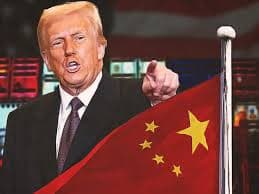
Despite a draft executive order circulated by Trump allies in late February 2026 alleging foreign election interference to justify sweeping federal voting oversight ahead of the 2026 midterms, President Trump publicly dismissed reports of considering such a national emergency declaration. Legal experts and Senate Democrats have highlighted constitutional limits, noting states' primary authority over elections and readiness to challenge via legislation or court injunctions. With no official action, statements, or agency reports advancing the idea in the past month, traders price an 80.5% implied probability on "No," reflecting skepticism over procedural, legal, and political barriers absent new catalysts like confirmed interference assessments under prior Executive Order 13848.
基於Polymarket數據的AI實驗性摘要。這不是交易建議,也不影響該市場的結算方式。 · 更新於是
$140,876 交易量
$140,876 交易量
是
$140,876 交易量
$140,876 交易量
A qualifying declaration must include formal language stating that a national emergency exists and must be issued under the National Emergencies Act (50 U.S.C. § 1621 et seq.). The declaration must explicitly reference interference in U.S. elections, election processes, election systems, voting procedures, ballots, or voting machines as the basis for the emergency. Statements, speeches, social media posts, draft orders, executive orders that do not formally declare a national emergency under the National Emergencies Act, or other actions that merely reference election interference without declaring a national emergency will not qualify.
Renewals or extensions of previously existing national emergencies will not qualify unless the text is materially modified to explicitly relate to election interference.
The primary resolution source will be the Federal Register and official White House publications, however a consensus of credible reporting may also be used.
市場開放時間: Feb 26, 2026, 4:29 PM ET
Resolver
0x65070BE91...A qualifying declaration must include formal language stating that a national emergency exists and must be issued under the National Emergencies Act (50 U.S.C. § 1621 et seq.). The declaration must explicitly reference interference in U.S. elections, election processes, election systems, voting procedures, ballots, or voting machines as the basis for the emergency. Statements, speeches, social media posts, draft orders, executive orders that do not formally declare a national emergency under the National Emergencies Act, or other actions that merely reference election interference without declaring a national emergency will not qualify.
Renewals or extensions of previously existing national emergencies will not qualify unless the text is materially modified to explicitly relate to election interference.
The primary resolution source will be the Federal Register and official White House publications, however a consensus of credible reporting may also be used.
Resolver
0x65070BE91...Despite a draft executive order circulated by Trump allies in late February 2026 alleging foreign election interference to justify sweeping federal voting oversight ahead of the 2026 midterms, President Trump publicly dismissed reports of considering such a national emergency declaration. Legal experts and Senate Democrats have highlighted constitutional limits, noting states' primary authority over elections and readiness to challenge via legislation or court injunctions. With no official action, statements, or agency reports advancing the idea in the past month, traders price an 80.5% implied probability on "No," reflecting skepticism over procedural, legal, and political barriers absent new catalysts like confirmed interference assessments under prior Executive Order 13848.
基於Polymarket數據的AI實驗性摘要。這不是交易建議,也不影響該市場的結算方式。 · 更新於
警惕外部連結哦。
警惕外部連結哦。
Frequently Asked Questions