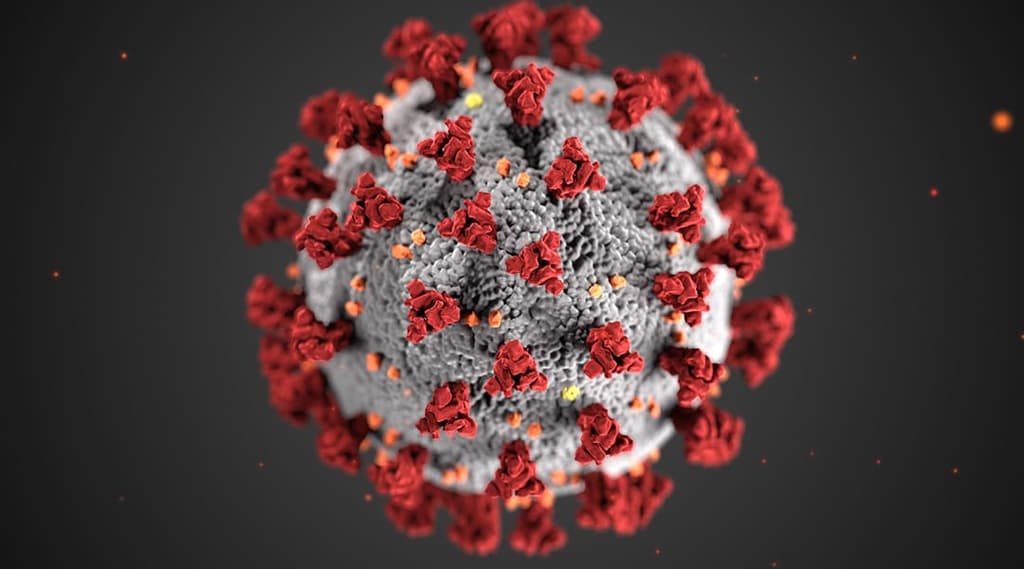
Strong trader consensus against a new pandemic before 2028 reflects the absence of any novel pathogen demonstrating sustained human-to-human transmission with pandemic potential, per WHO and CDC surveillance. Current outbreaks, including the Bundibugyo ebolavirus event in the DRC and Uganda that prompted a PHEIC declaration in May 2026, show high case fatality but limited international spread and no efficient airborne or community transmission. Similarly, localized mpox, Nipah, hantavirus, and avian influenza detections lack the combination of high transmissibility, immune evasion, and global seeding required for escalation, consistent with historical patterns where true pandemics remain infrequent. Post-COVID improvements in genomic surveillance, rapid response capacity, and baseline population immunity further reduce near-term risk, though model uncertainties around zoonotic spillovers and viral evolution warrant ongoing monitoring of official agency updates.
Experimental AI-generated summary referencing Polymarket data. This is not trading advice and plays no role in how this market resolves. · UpdatedNew pandemic before 2028?
The resolution source will be official announcements from the World Health Organization.
Market Opened: Aug 13, 2026, 2:08 PM ET
Resolver
0x65070BE91...The resolution source will be official announcements from the World Health Organization.
Resolver
0x65070BE91...Strong trader consensus against a new pandemic before 2028 reflects the absence of any novel pathogen demonstrating sustained human-to-human transmission with pandemic potential, per WHO and CDC surveillance. Current outbreaks, including the Bundibugyo ebolavirus event in the DRC and Uganda that prompted a PHEIC declaration in May 2026, show high case fatality but limited international spread and no efficient airborne or community transmission. Similarly, localized mpox, Nipah, hantavirus, and avian influenza detections lack the combination of high transmissibility, immune evasion, and global seeding required for escalation, consistent with historical patterns where true pandemics remain infrequent. Post-COVID improvements in genomic surveillance, rapid response capacity, and baseline population immunity further reduce near-term risk, though model uncertainties around zoonotic spillovers and viral evolution warrant ongoing monitoring of official agency updates.
Experimental AI-generated summary referencing Polymarket data. This is not trading advice and plays no role in how this market resolves. · Updated


Beware of external links.
Frequently Asked Questions