
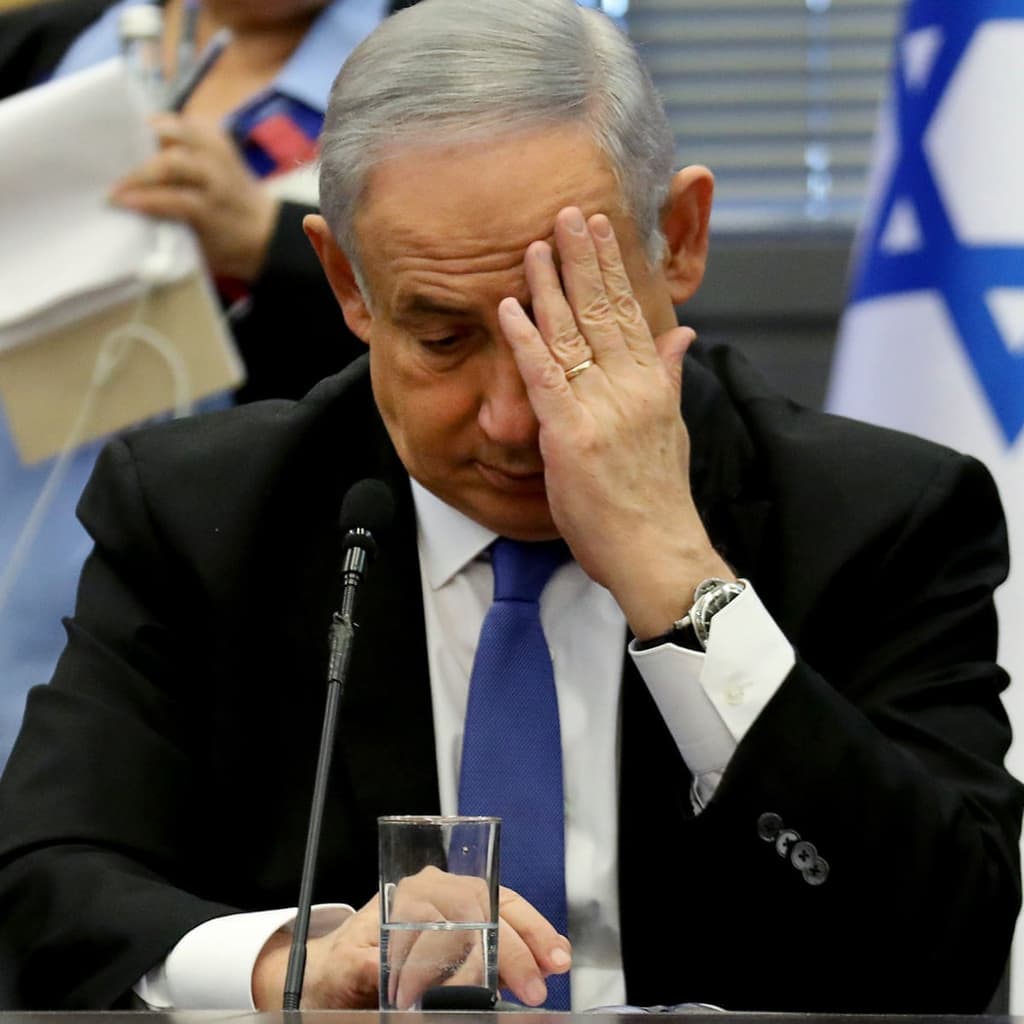
Israel’s October 27, 2026, legislative election stands as the immediate catalyst for trader assessments of Netanyahu’s tenure, with recent polling showing his Likud-led bloc hovering near 52–55 seats against an opposition grouping at roughly 50–54 seats in a 120-seat Knesset. Neither side appears positioned for the 61-seat majority needed to form a government outright, raising prospects of prolonged coalition talks, a national unity arrangement, or continued deadlock after the vote. The October 7, 2023, attacks and subsequent multi-front conflicts continue to frame the contest, with voters weighing security performance and accountability claims. Netanyahu has signaled he would remain Likud leader and head the opposition rather than exit politics if defeated, while recent diplomatic moves and domestic security incidents have produced limited shifts in bloc support.
Eksperymentalne podsumowanie AI odwołujące się do danych Polymarket. To nie jest porada handlowa i nie ma wpływu na rozstrzyganie tego rynku. · ZaktualizowanoView resolved
Uważaj na linki zewnętrzne.
Uważaj na linki zewnętrzne.
Często zadawane pytania