
Trader consensus on Polymarket places Yulia Navalnaya as the slim frontrunner at 10.5% implied probability for the 2026 Nobel Peace Prize, buoyed by her enduring campaign carrying forward Alexei Navalny's anti-authoritarian legacy amid ongoing Russian opposition efforts. Volodymyr Zelenskyy trails closely at 9.4% following his formal nomination last week by University of Oslo professor Dag Øistein Endsjø, spotlighting Ukraine's democratic resilience against invasion as a compelling narrative. Donald Trump sits third at 7.5%, propped by U.S. political endorsements and prior deal-making claims, though controversy tempers momentum. With no outcome above 11% in this fragmented field, differentiation hinges on the Norwegian Nobel Committee's preference for grassroots human rights advocates over wartime leaders; upcoming precursor signals like additional nominations or PRIO endorsements could shift the deadlock before the October announcement.
Résumé expérimental généré par IA à partir des données Polymarket · Mis à jourLauréat du prix Nobel de la paix 2026
Lauréat du prix Nobel de la paix 2026
Yulia Navalnaya 11%
Volodymyr Zelenskyy 9.5%
Donald Trump 8%
Pope Leo XIV 4.1%
$11,587,708 Vol.
$11,587,708 Vol.

Yulia Navalnaya
11%
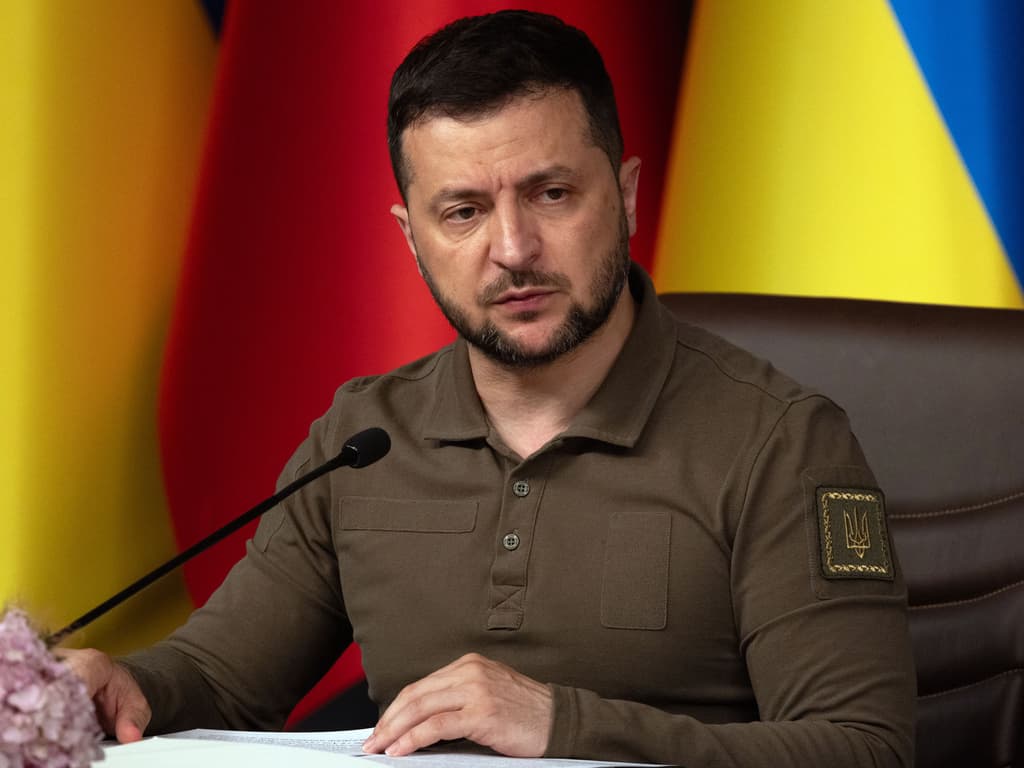
Volodymyr Zelenskyy
10%
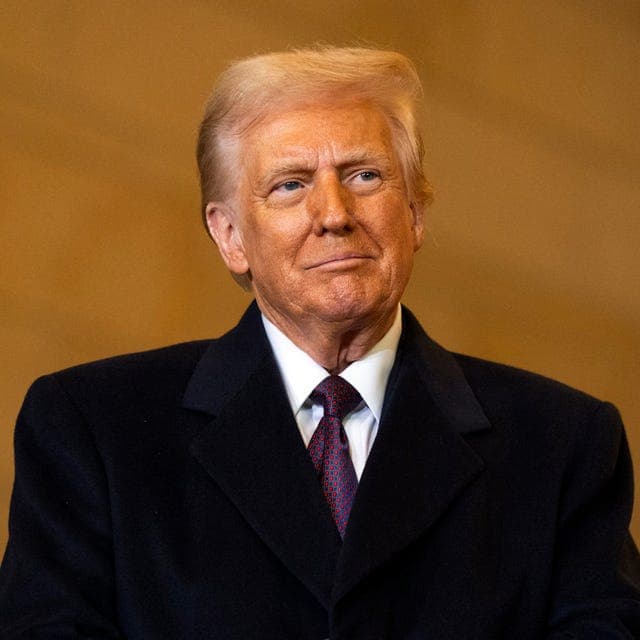
Donald Trump
8%
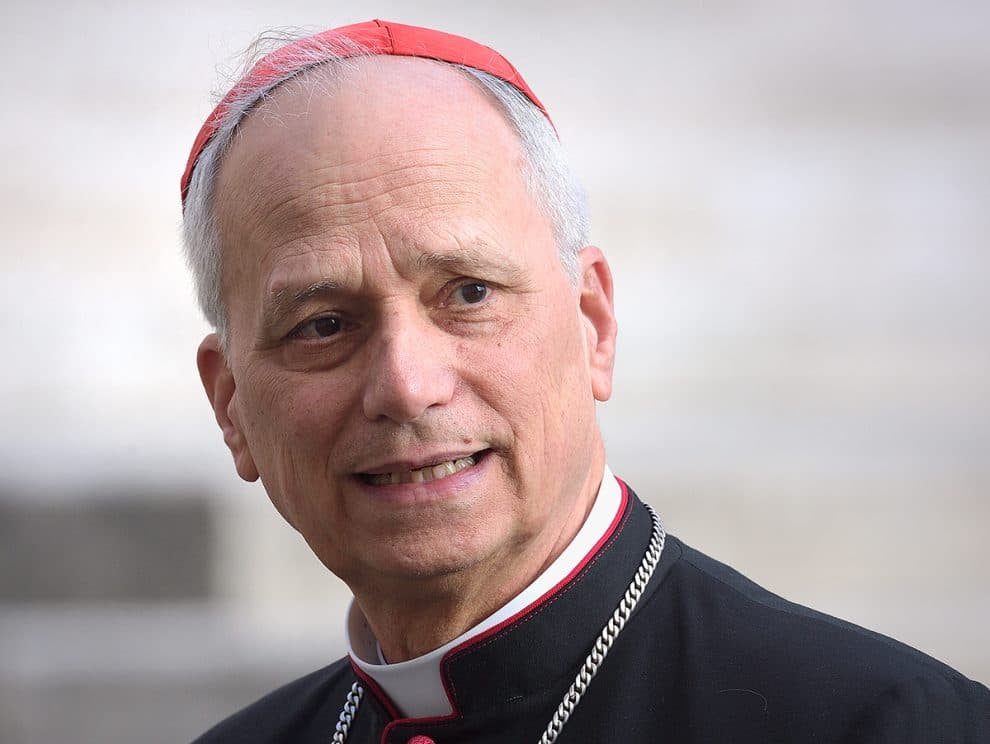
Pope Leo XIV
4%
La Cour internationale de Justice
4%

UNRWA
3%
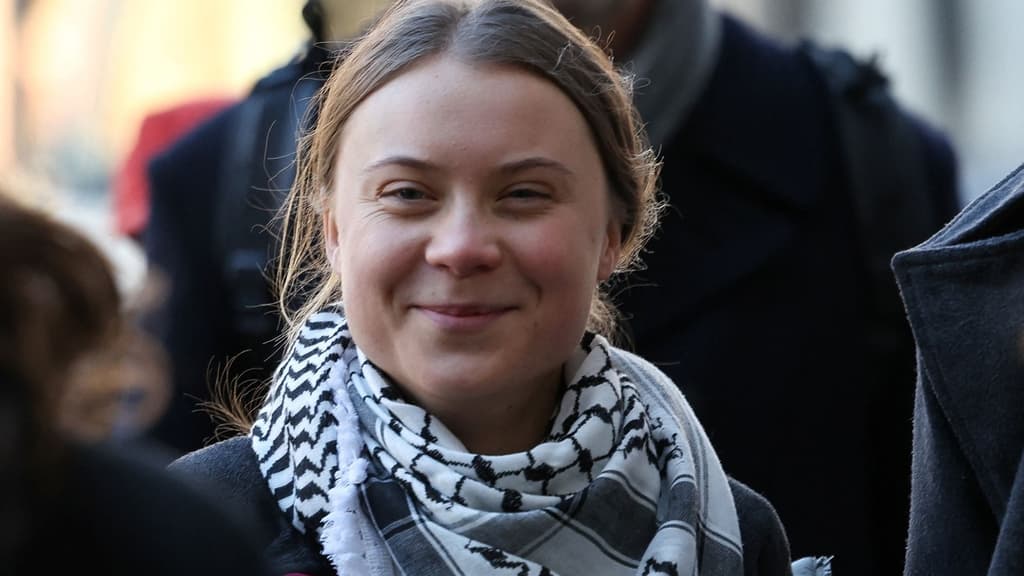
Greta Thunberg
3%
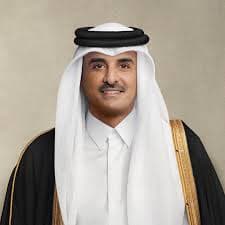
Tamim bin Hamad Al Thani
3%
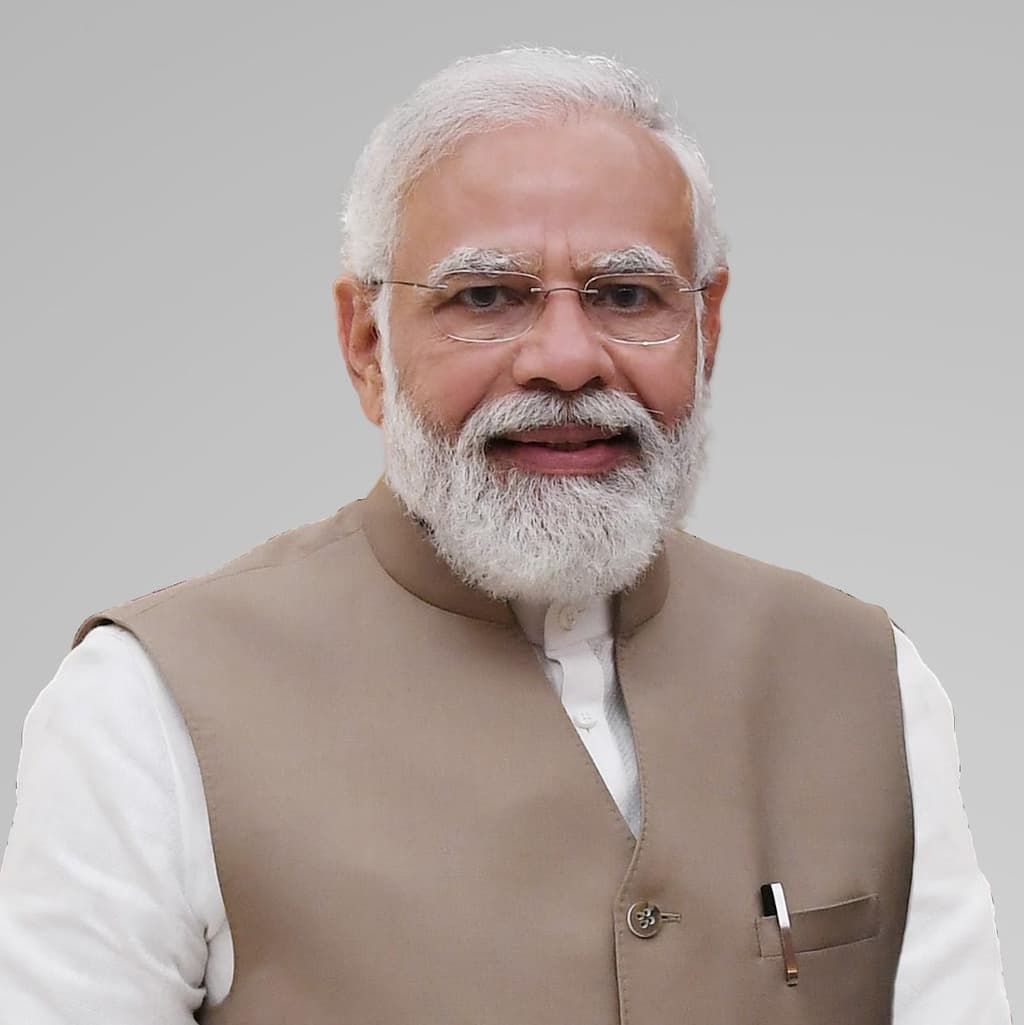
Narendra Modi
3%

Charlie Kirk
2%
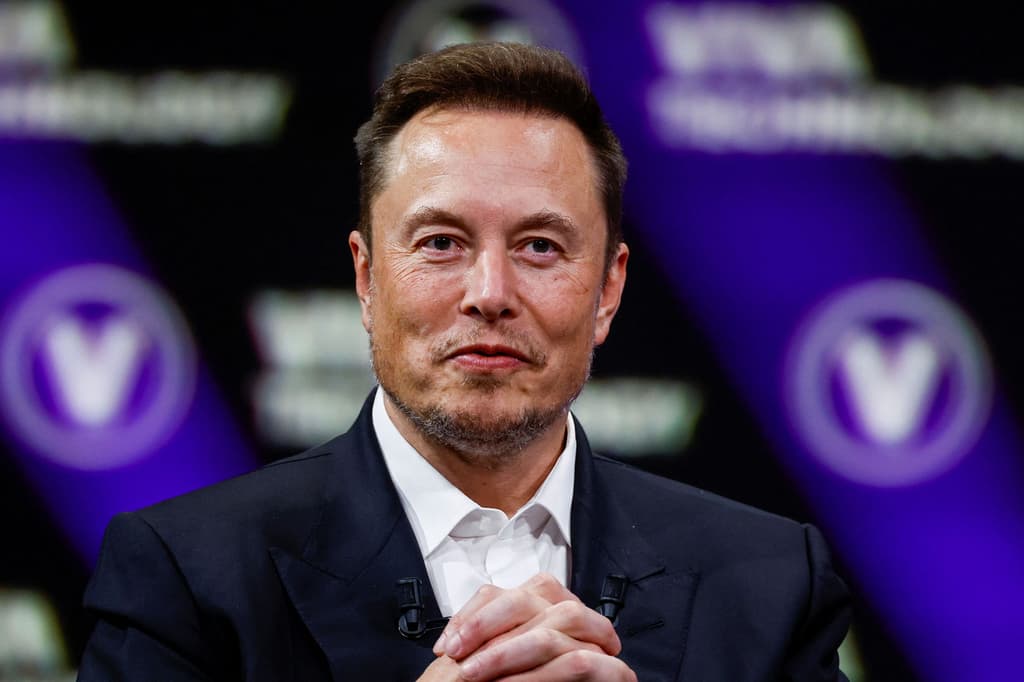
Elon Musk
2%

Xi Jinping
2%

Titre de l’élément de groupe : António Guterres
2%

Julian Assange
2%

Khaled Mashal
1%

Mohammed bin Salman
1%
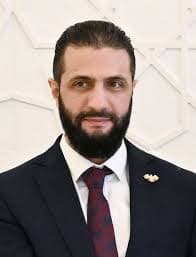
Ahmed al-Sharaa
1%
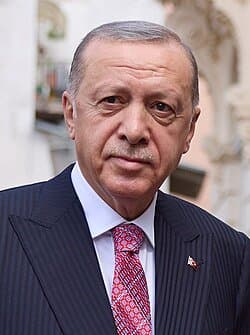
Recep Tayyip Erdoğan
1%

Vladimir Poutine
1%

Benjamin Netanyahu
1%
Yulia Navalnaya 11%
Volodymyr Zelenskyy 9.5%
Donald Trump 8%
Pope Leo XIV 4.1%
$11,587,708 Vol.
$11,587,708 Vol.
Yulia Navalnaya
11%
Volodymyr Zelenskyy
10%
Donald Trump
8%
Pope Leo XIV
4%
La Cour internationale de Justice
4%
UNRWA
3%
Greta Thunberg
3%
Tamim bin Hamad Al Thani
3%
Narendra Modi
3%
Charlie Kirk
2%
Elon Musk
2%
Xi Jinping
2%
Titre de l’élément de groupe : António Guterres
2%
Julian Assange
2%
Khaled Mashal
1%
Mohammed bin Salman
1%
Ahmed al-Sharaa
1%
Recep Tayyip Erdoğan
1%
Vladimir Poutine
1%
Benjamin Netanyahu
1%
If multiple listed individuals or entities jointly receive the prize, the market will resolve to a single winner. If Donald Trump, Volodymyr Zelenskyy, Benjamin Netanyahu, Vladimir Putin, or Elon Musk are among the recipients, the market will resolve to the highest-ranked among them in that exact order of precedence. If none of those five are among the winners and the prize is awarded jointly to at least one listed individual and at least one listed organization, the market will resolve in favor of the individual. If no prioritized individuals are among the winners and all listed recipients are of the same type (all individuals or all organizations), the market will resolve to the person whose last name, or the entity’s name, comes first in alphabetical order as listed in this market.
If no official announcement regarding the 2026 Nobel Peace Prize has been made by March 31, 2027, 11:59 PM ET, this market will resolve to "Other."
The resolution source for this market will be the first official announcement from the Norwegian Nobel Committee.
Marché ouvert : Oct 16, 2025, 6:04 PM ET
Resolver
0x2F5e3684c...If multiple listed individuals or entities jointly receive the prize, the market will resolve to a single winner. If Donald Trump, Volodymyr Zelenskyy, Benjamin Netanyahu, Vladimir Putin, or Elon Musk are among the recipients, the market will resolve to the highest-ranked among them in that exact order of precedence. If none of those five are among the winners and the prize is awarded jointly to at least one listed individual and at least one listed organization, the market will resolve in favor of the individual. If no prioritized individuals are among the winners and all listed recipients are of the same type (all individuals or all organizations), the market will resolve to the person whose last name, or the entity’s name, comes first in alphabetical order as listed in this market.
If no official announcement regarding the 2026 Nobel Peace Prize has been made by March 31, 2027, 11:59 PM ET, this market will resolve to "Other."
The resolution source for this market will be the first official announcement from the Norwegian Nobel Committee.
Resolver
0x2F5e3684c...Trader consensus on Polymarket places Yulia Navalnaya as the slim frontrunner at 10.5% implied probability for the 2026 Nobel Peace Prize, buoyed by her enduring campaign carrying forward Alexei Navalny's anti-authoritarian legacy amid ongoing Russian opposition efforts. Volodymyr Zelenskyy trails closely at 9.4% following his formal nomination last week by University of Oslo professor Dag Øistein Endsjø, spotlighting Ukraine's democratic resilience against invasion as a compelling narrative. Donald Trump sits third at 7.5%, propped by U.S. political endorsements and prior deal-making claims, though controversy tempers momentum. With no outcome above 11% in this fragmented field, differentiation hinges on the Norwegian Nobel Committee's preference for grassroots human rights advocates over wartime leaders; upcoming precursor signals like additional nominations or PRIO endorsements could shift the deadlock before the October announcement.
Résumé expérimental généré par IA à partir des données Polymarket · Mis à jour
Méfiez-vous des liens externes.
Méfiez-vous des liens externes.
Questions fréquentes