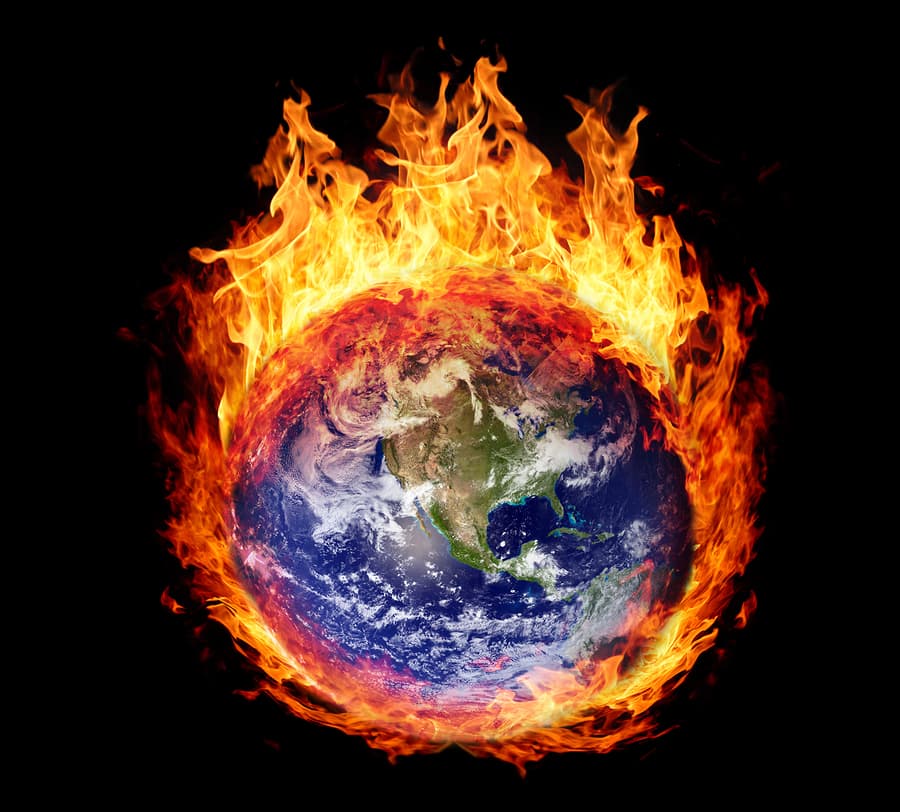
Preliminary data from Copernicus ERA5 reanalysis and University of Alabama in Huntsville satellite measurements indicate March 2026 global surface air temperature anomalies below 1.3°C above the 1991-2020 baseline—far cooler than the record 1.68°C in March 2024 or 1.31°C in March 2025 per NOAA records—driving trader consensus at 98.8% odds for fourth or lower ranking. This positioning reflects lingering La Niña conditions in the equatorial Pacific, which suppress global averages despite record U.S. Southwest heat exceeding 3.7°C anomalies in the lower 48 states. Offsetting cooler patterns elsewhere, including Europe, align with historical La Niña impacts reducing anomalies by 0.1–0.3°C. Final NOAA National Centers for Environmental Information rankings, expected mid-April, could revise slightly via ocean data adjustments, but top-three contention requires improbable upward shifts exceeding 0.3°C.
基於Polymarket數據的AI實驗性摘要 · 更新於第4熱或更低 98.8%
第3熱 <1%
有史以來最熱 <1%
第二熱 <1%
$309,625 交易量
$309,625 交易量
有史以來最熱
<1%
第二熱
<1%
第3熱
<1%
第4熱或更低
99%
第4熱或更低 98.8%
第3熱 <1%
有史以來最熱 <1%
第二熱 <1%
$309,625 交易量
$309,625 交易量
有史以來最熱
<1%
第二熱
<1%
第3熱
<1%
第4熱或更低
99%
Note: If March 2026 is tied for first, second, or third hottest with another year, it will qualify for the bracket it ties with.
The primary resolution source for this market will be the figures found in the table titled "GLOBAL Land-Ocean Temperature Index in 0.01 degrees Celsius" under the column "Mar" (https://data.giss.nasa.gov/gistemp/tabledata_v4/GLB.Ts+dSST.txt). If NASA's "Global Temperature Index" is rendered permanently unavailable, other information from NASA may be used.
If no information for March 2026 is provided by NASA by April 30, 2026, 11:59 PM ET, a consensus of credible sources will be used to resolve this market.
市場開放時間: Feb 26, 2026, 5:45 PM ET
Resolver
0x69c47De9D...Note: If March 2026 is tied for first, second, or third hottest with another year, it will qualify for the bracket it ties with.
The primary resolution source for this market will be the figures found in the table titled "GLOBAL Land-Ocean Temperature Index in 0.01 degrees Celsius" under the column "Mar" (https://data.giss.nasa.gov/gistemp/tabledata_v4/GLB.Ts+dSST.txt). If NASA's "Global Temperature Index" is rendered permanently unavailable, other information from NASA may be used.
If no information for March 2026 is provided by NASA by April 30, 2026, 11:59 PM ET, a consensus of credible sources will be used to resolve this market.
Resolver
0x69c47De9D...Preliminary data from Copernicus ERA5 reanalysis and University of Alabama in Huntsville satellite measurements indicate March 2026 global surface air temperature anomalies below 1.3°C above the 1991-2020 baseline—far cooler than the record 1.68°C in March 2024 or 1.31°C in March 2025 per NOAA records—driving trader consensus at 98.8% odds for fourth or lower ranking. This positioning reflects lingering La Niña conditions in the equatorial Pacific, which suppress global averages despite record U.S. Southwest heat exceeding 3.7°C anomalies in the lower 48 states. Offsetting cooler patterns elsewhere, including Europe, align with historical La Niña impacts reducing anomalies by 0.1–0.3°C. Final NOAA National Centers for Environmental Information rankings, expected mid-April, could revise slightly via ocean data adjustments, but top-three contention requires improbable upward shifts exceeding 0.3°C.
基於Polymarket數據的AI實驗性摘要 · 更新於
警惕外部連結哦。
警惕外部連結哦。
Frequently Asked Questions