Market icon

Qui votera « oui » sur la loi de crédits du DHS de 2026 d'ici le 31 mars ?

Market icon

Qui votera « oui » sur la loi de crédits du DHS de 2026 d'ici le 31 mars ?

$72,115 Vol.

Mar 31, 2026
Polymarket

$72,115 Vol.

Polymarket
Market icon

Catherine Cortez Masto

$0 Vol.

27%

Market icon

Mark Warner

$20 Vol.

24%

Market icon

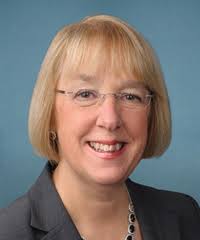
Patty Murray

$11,380 Vol.

18%

Market icon

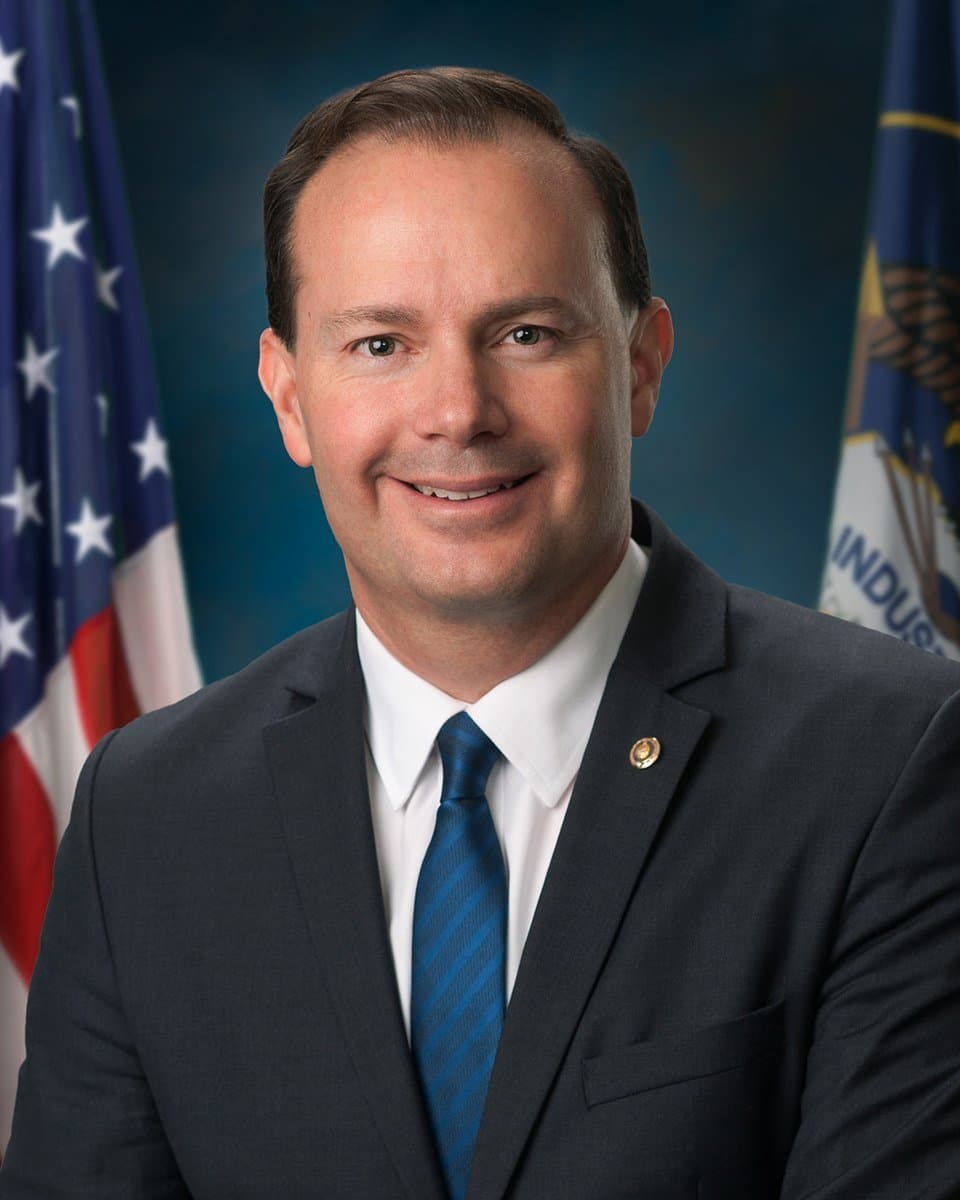
Mike Lee

$586 Vol.

16%

Market icon

Tim Kaine

$1,795 Vol.

8%

Market icon

Maggie Hassan

$2,580 Vol.

8%

Market icon

Jacky Rosen

$363 Vol.

8%

Market icon

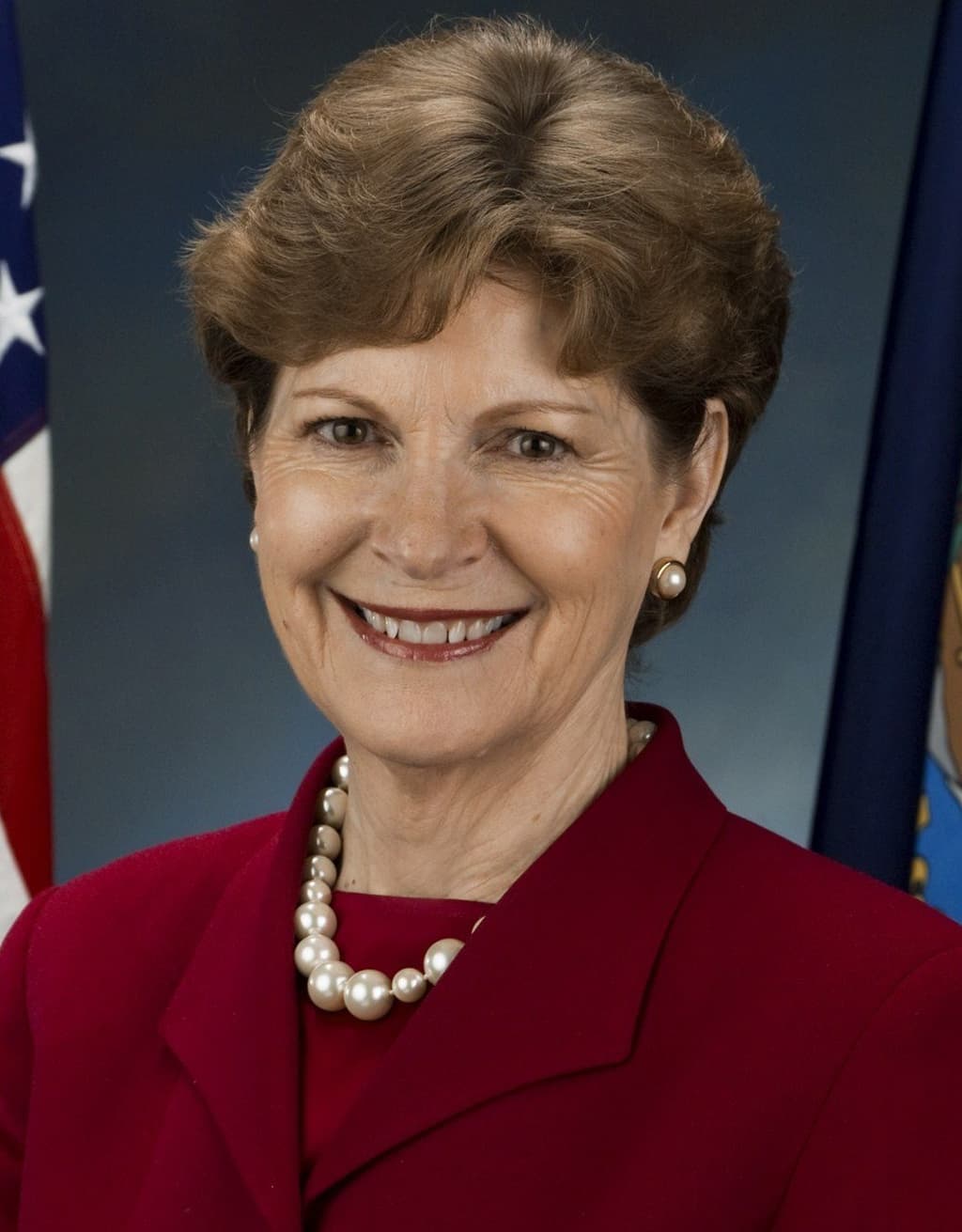
Jeanne Shaheen

$649 Vol.

8%

Market icon

Angus King

$1,272 Vol.

7%

Market icon

Thom Tillis

$3,188 Vol.

4%

Market icon

Susan Collins

$2,506 Vol.

4%

Market icon

Chris Coons

$2,296 Vol.

4%

Market icon

Lisa Murkowski

$2,774 Vol.

4%

Market icon

Bernie Sanders

$14,272 Vol.

3%

Market icon

Amy Klobuchar

$3,946 Vol.

3%

Market icon

Rick Scott

$1,863 Vol.

8%

Market icon

Ron Johnson

$3,347 Vol.

3%

Market icon

Chris Murphy

$1,589 Vol.

3%

Market icon

Rand Paul

$2,396 Vol.

2%

Market icon

Dick Durbin

$5,824 Vol.

2%

Market icon

Chuck Schumer

$1,762 Vol.

2%

Market icon

Kirsten Gillibrand

$3,282 Vol.

2%

Market icon

John Fetterman

$4,424 Vol.

<1%

This market will resolve to "Yes" if the listed U.S. senator votes "Yea" on passage of the Department of Homeland Security Appropriations Act, 2026, during the first roll-call vote on passage in the U.S. Senate. Otherwise, this market will resolve to "No". This market will resolve to "No" if no vote on passage of the Department of Homeland Security Appropriations Act, 2026, occurs by March 31, 2026, 11:59 PM ET. The listed senator's vote during the first qualifying roll-call vote on passage of the Department of Homeland Security Appropriations Act, 2026, will be used for this market’s resolution, regardless of whether that bill is later signed into law. Any vote by the listed U.S. senator on the Department of Homeland Security Appropriations Act, 2026, whether that bill is voted on individually or as part of a larger legislative package in which DHS appropriations are clearly included, will qualify for this market’s resolution. Any vote on a continuing resolution (CR), whether or not it includes Department of Homeland Security funding, will not qualify for this market’s resolution. The primary resolution source for this market will be official information from the U.S. Government. However, a consensus of credible reporting may also be used.The ongoing partial Department of Homeland Security shutdown, now over six weeks since funding lapsed on February 14, 2026, drives intense negotiations on the Department of Homeland Security Appropriations Act, 2026, amid partisan disputes over immigration enforcement funding for ICE and Border Patrol. The House passed standalone full-year bills multiple times, including H.R. 7744 (221-209 on March 5) and a third measure (218-206 on March 26), but Senate cloture motions have repeatedly failed, such as 53-47 on H.R. 7147 this week. Senate Republicans advanced partial funding excluding enforcement operations via voice vote on March 27. With bipartisan talks stalling and a two-week recess looming after March 31, a final cloture vote or compromise could determine yea votes on full appropriations.

The ongoing partial Department of Homeland Security shutdown, now over six weeks since funding lapsed on February 14, 2026, drives intense negotiations on the Department of Homeland Security Appropriations Act, 2026, amid partisan disputes over immigration enforcement funding for ICE and Border Patrol. The House passed standalone full-year bills multiple times, including H.R. 7744 (221-209 on March 5) and a third measure (218-206 on March 26), but Senate cloture motions have repeatedly failed, such as 53-47 on H.R. 7147 this week. Senate Republicans advanced partial funding excluding enforcement operations via voice vote on March 27. With bipartisan talks stalling and a two-week recess looming after March 31, a final cloture vote or compromise could determine yea votes on full appropriations.

Résumé expérimental généré par IA à partir des données Polymarket · Mis à jour
This market will resolve to "Yes" if the listed U.S. senator votes "Yea" on passage of the Department of Homeland Security Appropriations Act, 2026, during the first roll-call vote on passage in the U.S. Senate. Otherwise, this market will resolve to "No". This market will resolve to "No" if no vote on passage of the Department of Homeland Security Appropriations Act, 2026, occurs by March 31, 2026, 11:59 PM ET. The listed senator's vote during the first qualifying roll-call vote on passage of the Department of Homeland Security Appropriations Act, 2026, will be used for this market’s resolution, regardless of whether that bill is later signed into law. Any vote by the listed U.S. senator on the Department of Homeland Security Appropriations Act, 2026, whether that bill is voted on individually or as part of a larger legislative package in which DHS appropriations are clearly included, will qualify for this market’s resolution. Any vote on a continuing resolution (CR), whether or not it includes Department of Homeland Security funding, will not qualify for this market’s resolution. The primary resolution source for this market will be official information from the U.S. Government. However, a consensus of credible reporting may also be used.The ongoing partial Department of Homeland Security shutdown, now over six weeks since funding lapsed on February 14, 2026, drives intense negotiations on the Department of Homeland Security Appropriations Act, 2026, amid partisan disputes over immigration enforcement funding for ICE and Border Patrol. The House passed standalone full-year bills multiple times, including H.R. 7744 (221-209 on March 5) and a third measure (218-206 on March 26), but Senate cloture motions have repeatedly failed, such as 53-47 on H.R. 7147 this week. Senate Republicans advanced partial funding excluding enforcement operations via voice vote on March 27. With bipartisan talks stalling and a two-week recess looming after March 31, a final cloture vote or compromise could determine yea votes on full appropriations.

The ongoing partial Department of Homeland Security shutdown, now over six weeks since funding lapsed on February 14, 2026, drives intense negotiations on the Department of Homeland Security Appropriations Act, 2026, amid partisan disputes over immigration enforcement funding for ICE and Border Patrol. The House passed standalone full-year bills multiple times, including H.R. 7744 (221-209 on March 5) and a third measure (218-206 on March 26), but Senate cloture motions have repeatedly failed, such as 53-47 on H.R. 7147 this week. Senate Republicans advanced partial funding excluding enforcement operations via voice vote on March 27. With bipartisan talks stalling and a two-week recess looming after March 31, a final cloture vote or compromise could determine yea votes on full appropriations.

Résumé expérimental généré par IA à partir des données Polymarket · Mis à jour

Méfiez-vous des liens externes.

Questions fréquentes

« Qui votera « oui » sur la loi de crédits du DHS de 2026 d'ici le 31 mars ? » est un marché de prédiction sur Polymarket avec 23 résultats possibles où les traders achètent et vendent des parts selon ce qu'ils pensent qu'il se passera. Le résultat en tête actuel est « Catherine Cortez Masto » à 27%, suivi de « Mark Warner » à 24%. Les prix reflètent des probabilités en temps réel de la communauté. Par exemple, une part cotée à 27¢ implique que le marché attribue collectivement une probabilité de 27% à ce résultat. Ces cotes changent en permanence. Les parts du résultat correct sont échangeables contre $1 chacune lors de la résolution du marché.

À ce jour, « Qui votera « oui » sur la loi de crédits du DHS de 2026 d'ici le 31 mars ? » a généré $72.1K en volume total de trading depuis le lancement du marché le Jan 29, 2026. Ce niveau d'activité reflète un fort engagement de la communauté Polymarket et garantit que les cotes actuelles sont alimentées par un large bassin de participants. Vous pouvez suivre les mouvements de prix en direct et trader sur n'importe quel résultat directement sur cette page.

Pour trader sur « Qui votera « oui » sur la loi de crédits du DHS de 2026 d'ici le 31 mars ? », parcourez les 23 résultats disponibles sur cette page. Chaque résultat affiche un prix actuel représentant la probabilité implicite du marché. Pour prendre position, sélectionnez le résultat que vous estimez le plus probable, choisissez « Oui » pour trader en sa faveur ou « Non » pour trader contre, entrez votre montant et cliquez sur « Trader ». Si votre résultat choisi est correct lors de la résolution, vos parts « Oui » rapportent $1 chacune. S'il est incorrect, elles rapportent $0. Vous pouvez également vendre vos parts avant la résolution.

Le favori actuel pour « Qui votera « oui » sur la loi de crédits du DHS de 2026 d'ici le 31 mars ? » est « Catherine Cortez Masto » à 27%, ce qui signifie que le marché attribue une probabilité de 27% à ce résultat. Le résultat le plus proche ensuite est « Mark Warner » à 24%. Ces cotes sont mises à jour en temps réel à mesure que les traders achètent et vendent des parts. Revenez fréquemment ou ajoutez cette page à vos favoris.

Les règles de résolution de « Qui votera « oui » sur la loi de crédits du DHS de 2026 d'ici le 31 mars ? » définissent exactement ce qui doit se produire pour que chaque résultat soit déclaré gagnant, y compris les sources de données officielles utilisées pour déterminer le résultat. Vous pouvez consulter les critères de résolution complets dans la section « Règles » sur cette page au-dessus des commentaires. Nous recommandons de lire attentivement les règles avant de trader, car elles précisent les conditions exactes, les cas particuliers et les sources.