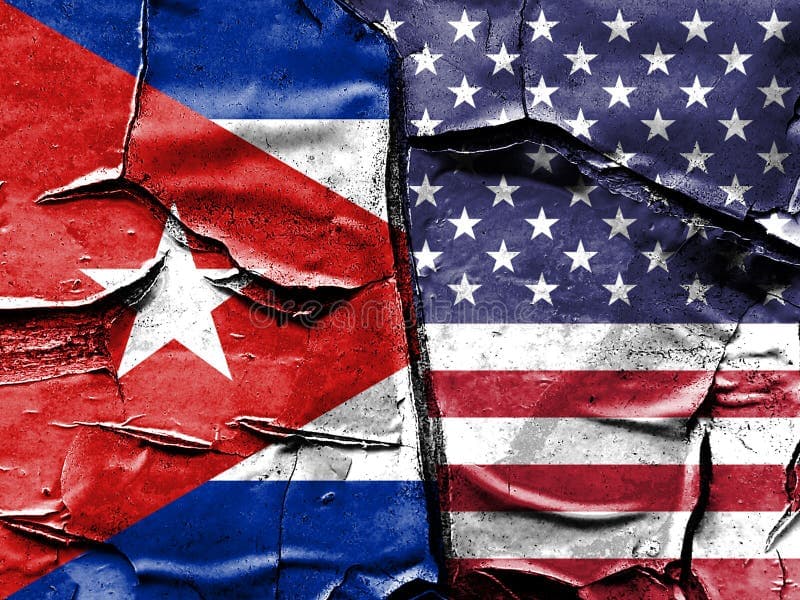
Heightened tensions between the United States and Cuba stem from the Trump administration’s January 2026 energy embargo and secondary tariffs that halted Venezuelan and Mexican oil deliveries, exacerbating Cuba’s fuel shortages and economic strain. Military posturing has intensified with the USS Nimitz carrier strike group entering the Caribbean in May, increased surveillance flights, Marine rotations, and SOUTHCOM training focused on counter-drone operations. Leaked intelligence reports detailed Cuba’s acquisition of over 300 drones from Russia and Iran, raising concerns about threats to Guantánamo Bay. The unsealing of indictments against Raúl Castro and regime figures over the 1996 plane shootdowns provides a potential legal rationale for targeted action, while public statements from President Trump have referenced Cuba as a follow-on priority after Venezuela. Negotiations continue alongside sanctions and executive orders, with Cuba warning of severe consequences from any intervention; resolution hinges on diplomatic outcomes or further escalatory moves before year-end.
Riepilogo sperimentale generato dall'AI con riferimento ai dati di Polymarket. Questo non è un consiglio di trading e non ha alcun ruolo nella risoluzione di questo mercato. · AggiornatoAzione militare degli Stati Uniti contro Cuba da parte di...?
Azione militare degli Stati Uniti contro Cuba da parte di...?
$5,689,532 Vol.
31 dicembre
46%
$5,689,532 Vol.
31 dicembre
46%
For the purposes of this market, a qualifying "strike" is defined as the use of aerial bombs, drones, or missiles (including FPV and ATGM strikes as well as cruise or ballistic missiles) launched by any United States operatives, including military forces, intelligence agencies, or other U.S. government operatives, that physically impact ground territory within the listed country.
A strike on any area within the terrestrial territory (including rivers, lakes, ports, but excluding territorial sea) of the listed country counts.
Missiles or drones that are intercepted and surface-to-air missile strikes will not be sufficient for a "Yes" resolution, regardless of whether they land territory or cause damage.
Actions such as artillery fire, small arms fire, ground incursions, naval shelling, or cyberattacks will not qualify.
Any strike occurring during this market’s timeframe that is claimed by either Donald Trump or the U.S. government will qualify.
The primary resolution source will be a consensus of credible reporting.
This market will remain open until the end of the second day after the resolution time. If the date/time of a qualifying strike cannot be confirmed by a consensus of credible reporting by that time, it will resolve to "No" regardless of whether a strike was later confirmed to have taken place.
Mercato aperto: Jan 4, 2026, 3:08 PM ET
Resolver
0x65070BE91...For the purposes of this market, a qualifying "strike" is defined as the use of aerial bombs, drones, or missiles (including FPV and ATGM strikes as well as cruise or ballistic missiles) launched by any United States operatives, including military forces, intelligence agencies, or other U.S. government operatives, that physically impact ground territory within the listed country.
A strike on any area within the terrestrial territory (including rivers, lakes, ports, but excluding territorial sea) of the listed country counts.
Missiles or drones that are intercepted and surface-to-air missile strikes will not be sufficient for a "Yes" resolution, regardless of whether they land territory or cause damage.
Actions such as artillery fire, small arms fire, ground incursions, naval shelling, or cyberattacks will not qualify.
Any strike occurring during this market’s timeframe that is claimed by either Donald Trump or the U.S. government will qualify.
The primary resolution source will be a consensus of credible reporting.
This market will remain open until the end of the second day after the resolution time. If the date/time of a qualifying strike cannot be confirmed by a consensus of credible reporting by that time, it will resolve to "No" regardless of whether a strike was later confirmed to have taken place.
Resolver
0x65070BE91...Heightened tensions between the United States and Cuba stem from the Trump administration’s January 2026 energy embargo and secondary tariffs that halted Venezuelan and Mexican oil deliveries, exacerbating Cuba’s fuel shortages and economic strain. Military posturing has intensified with the USS Nimitz carrier strike group entering the Caribbean in May, increased surveillance flights, Marine rotations, and SOUTHCOM training focused on counter-drone operations. Leaked intelligence reports detailed Cuba’s acquisition of over 300 drones from Russia and Iran, raising concerns about threats to Guantánamo Bay. The unsealing of indictments against Raúl Castro and regime figures over the 1996 plane shootdowns provides a potential legal rationale for targeted action, while public statements from President Trump have referenced Cuba as a follow-on priority after Venezuela. Negotiations continue alongside sanctions and executive orders, with Cuba warning of severe consequences from any intervention; resolution hinges on diplomatic outcomes or further escalatory moves before year-end.
Riepilogo sperimentale generato dall'AI con riferimento ai dati di Polymarket. Questo non è un consiglio di trading e non ha alcun ruolo nella risoluzione di questo mercato. · Aggiornato
Fai attenzione ai link esterni.
Fai attenzione ai link esterni.
Domande frequenti