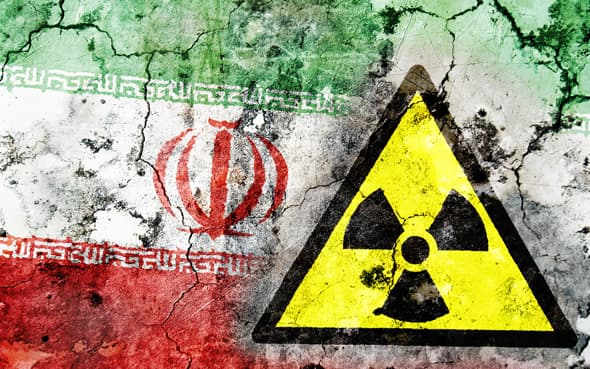
Traders assign a 95.5% probability to Iran not acquiring a nuclear weapon before 2027, reflecting the cumulative effects of U.S. and Israeli strikes in 2025 and 2026 that damaged enrichment facilities at Natanz, Fordow, and Isfahan, trapping much of Iran's approximately 440 kilograms of 60% enriched uranium in inaccessible tunnels. The June 2026 U.S.-Iran memorandum of understanding for IAEA-supervised downblending collapsed by July, leaving inspectors without access to key sites as confirmed in the September 2026 IAEA report, while ongoing diplomatic contacts at the September UN General Assembly maintain pressure against rapid weaponization. This combination of degraded infrastructure, unverifiable stockpiles, and sustained international scrutiny underpins the strong consensus against a near-term breakout. Residual risks include undetected diversion of material, renewed escalation that prompts Iran to prioritize a dash for weapons, or a diplomatic breakdown that removes restraints before the 2027 deadline.
Experimental AI-generated summary referencing Polymarket data. This is not trading advice and plays no role in how this market resolves. · Updated$1,317,071 Vol.
$1,317,071 Vol.
$1,317,071 Vol.
$1,317,071 Vol.
Otherwise, this market will resolve to "No".
Market Opened: Nov 13, 2025, 5:50 PM ET
Resolver
0x65070be91...Otherwise, this market will resolve to "No".
Resolver
0x65070be91...Traders assign a 95.5% probability to Iran not acquiring a nuclear weapon before 2027, reflecting the cumulative effects of U.S. and Israeli strikes in 2025 and 2026 that damaged enrichment facilities at Natanz, Fordow, and Isfahan, trapping much of Iran's approximately 440 kilograms of 60% enriched uranium in inaccessible tunnels. The June 2026 U.S.-Iran memorandum of understanding for IAEA-supervised downblending collapsed by July, leaving inspectors without access to key sites as confirmed in the September 2026 IAEA report, while ongoing diplomatic contacts at the September UN General Assembly maintain pressure against rapid weaponization. This combination of degraded infrastructure, unverifiable stockpiles, and sustained international scrutiny underpins the strong consensus against a near-term breakout. Residual risks include undetected diversion of material, renewed escalation that prompts Iran to prioritize a dash for weapons, or a diplomatic breakdown that removes restraints before the 2027 deadline.
Experimental AI-generated summary referencing Polymarket data. This is not trading advice and plays no role in how this market resolves. · Updated


Beware of external links.
Frequently Asked Questions