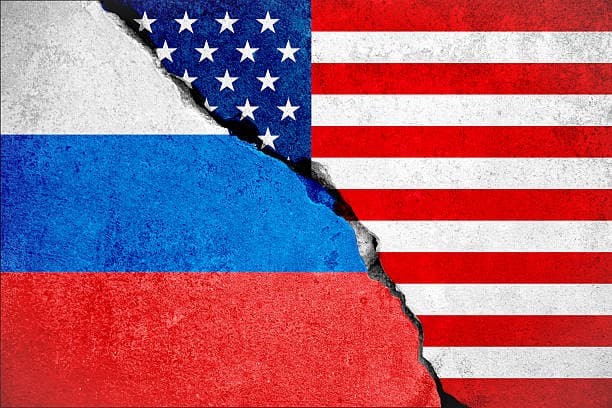
Trader consensus prices a mere 10% chance of a direct US-Russia military clash by December 31, 2026, and 5% by June 30, reflecting disciplined de-escalation despite proxy risks in the Ukraine war. Ukrainian drone strikes on Russian Baltic oil terminals, including the massive March 25 barrage at Ust-Luga that halted exports, mark intensified deep attacks enabled by Western systems, yet fall short of triggering US-Russia combat as Moscow avoids targeting NATO assets. Russia's provision of targeting intelligence to Iran against US forces in the Middle East adds friction, but the US pivot to airstrikes and operations there diverts resources from Ukraine. US intelligence highlights elevated NATO-Russia confrontation risks amid Russia's spring offensive preparations, with diplomatic hotlines mitigating direct escalation.
基於Polymarket數據的AI實驗性摘要 · 更新於$583,137 交易量
2026年6月30日
5%
2026年12月31日
10%
$583,137 交易量
2026年6月30日
5%
2026年12月31日
10%
A "military encounter" is defined as any incident involving the use of force such as missile strikes, artillery fire, exchange of gunfire, or other forms of direct military engagement between U.S. and Russian military forces. Non-violent actions, such as airspace violations, firing of warning shots (such as the June, 2021 Black Sea Confrontations between Russian forces and HMS Defender), or cyberattacks will not qualify.
Intentional physical collisions, including aerial interceptions and naval ramming without the direct use of weaponry, such as the 2023 Black Sea incident—where a Russian Su-27 damaged a U.S. MQ-9 Reaper drone's propeller, leading to its crash— will not qualify regardless of damage.
Military contractors will qualify only if confirmed to be operating under the direct command or coordination of the respective state’s armed forces (e.g. the Battle of Khasham would not qualify).
The resolution source for this market will be a consensus of credible reporting.
市場開放時間: Oct 27, 2025, 1:28 PM ET
Resolver
0x65070BE91...A "military encounter" is defined as any incident involving the use of force such as missile strikes, artillery fire, exchange of gunfire, or other forms of direct military engagement between U.S. and Russian military forces. Non-violent actions, such as airspace violations, firing of warning shots (such as the June, 2021 Black Sea Confrontations between Russian forces and HMS Defender), or cyberattacks will not qualify.
Intentional physical collisions, including aerial interceptions and naval ramming without the direct use of weaponry, such as the 2023 Black Sea incident—where a Russian Su-27 damaged a U.S. MQ-9 Reaper drone's propeller, leading to its crash— will not qualify regardless of damage.
Military contractors will qualify only if confirmed to be operating under the direct command or coordination of the respective state’s armed forces (e.g. the Battle of Khasham would not qualify).
The resolution source for this market will be a consensus of credible reporting.
Resolver
0x65070BE91...Trader consensus prices a mere 10% chance of a direct US-Russia military clash by December 31, 2026, and 5% by June 30, reflecting disciplined de-escalation despite proxy risks in the Ukraine war. Ukrainian drone strikes on Russian Baltic oil terminals, including the massive March 25 barrage at Ust-Luga that halted exports, mark intensified deep attacks enabled by Western systems, yet fall short of triggering US-Russia combat as Moscow avoids targeting NATO assets. Russia's provision of targeting intelligence to Iran against US forces in the Middle East adds friction, but the US pivot to airstrikes and operations there diverts resources from Ukraine. US intelligence highlights elevated NATO-Russia confrontation risks amid Russia's spring offensive preparations, with diplomatic hotlines mitigating direct escalation.
基於Polymarket數據的AI實驗性摘要 · 更新於
警惕外部連結哦。
警惕外部連結哦。
Frequently Asked Questions