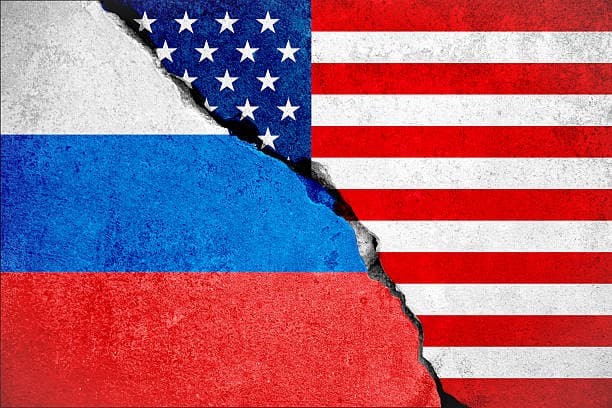
US-Russia military-to-military dialogue, reestablished in February 2026 following Ukraine peace talks, remains the key de-escalation channel preventing direct confrontation amid the grinding Ukraine war, where Russian advances continue without NATO ground troops. Recent US airstrikes and troop deployments in the Iran conflict—coupled with reports of Moscow sharing US target intelligence with Tehran—have raised gray-zone tensions, but mutual nuclear deterrence and focus on proxy actions keep escalation risks low. Traders watch for new Ukraine negotiation rounds, Arctic military buildups, and Iran war off-ramps, as any miscalculation could shift dynamics before year-end resolution.
基於Polymarket數據的AI實驗性摘要 · 更新於$584,664 交易量
2026-06-30
2026年6月30日
4%
2026年12月31日
9%
$584,664 交易量
2026年6月30日
$54,776 交易量
4%
2026年12月31日
$6,691 交易量
9%
This market will resolve to "Yes" if there is a military encounter between the military forces of the United States and Russia between May 28 and June 30, 2026, 11:59 PM ET. Otherwise, this market will resolve to "No".
A "military encounter" is defined as any incident involving the use of force such as missile strikes, artillery fire, exchange of gunfire, or other forms of direct military engagement between U.S. and Russian military forces. Non-violent actions, such as airspace violations, firing of warning shots (such as the June, 2021 Black Sea Confrontations between Russian forces and HMS Defender), or cyberattacks will not qualify.
Intentional physical collisions, including aerial interceptions and naval ramming without the direct use of weaponry, such as the 2023 Black Sea incident—where a Russian Su-27 damaged a U.S. MQ-9 Reaper drone's propeller, leading to its crash— will not qualify regardless of damage.
Military contractors will qualify only if confirmed to be operating under the direct command or coordination of the respective state’s armed forces (e.g. the Battle of Khasham would not qualify).
The resolution source for this market will be a consensus of credible reporting.
This market will resolve to "Yes" if there is a military encounter between the military forces of the United States and Russia between January 6 and December 31, 2026, 11:59 PM ET. Otherwise, this market will resolve to "No".
A "military encounter" is defined as any incident involving the use of force such as missile strikes, artillery fire, exchange of gunfire, or other forms of direct military engagement between U.S. and Russian military forces. Non-violent actions, such as airspace violations, firing of warning shots (such as the June, 2021 Black Sea Confrontations between Russian forces and HMS Defender), or cyberattacks will not qualify.
Intentional physical collisions, including aerial interceptions and naval ramming without the direct use of weaponry, such as the 2023 Black Sea incident—where a Russian Su-27 damaged a U.S. MQ-9 Reaper drone's propeller, leading to its crash— will not qualify regardless of damage.
Military contractors will qualify only if confirmed to be operating under the direct command or coordination of the respective state’s armed forces (e.g. the Battle of Khasham would not qualify).
The resolution source for this market will be a consensus of credible reporting.This market will resolve to "Yes" if there is a military encounter between the military forces of the United States and Russia between May 28 and December 31, 2025, 11:59 PM ET. Otherwise, this market will resolve to "No".
A "military encounter" is defined as any incident involving the use of force such as missile strikes, artillery fire, exchange of gunfire, or other forms of direct military engagement between U.S. and Russian military forces. Non-violent actions, such as airspace violations, firing of warning shots (such as the June, 2021 Black Sea Confrontations between Russian forces and HMS Defender), or cyberattacks will not qualify.
Intentional physical collisions, including aerial interceptions and naval ramming without the direct use of weaponry, such as the 2023 Black Sea incident—where a Russian Su-27 damaged a U.S. MQ-9 Reaper drone's propeller, leading to its crash— will not qualify regardless of damage.
Military contractors will qualify only if confirmed to be operating under the direct command or coordination of the respective state’s armed forces (e.g. the Battle of Khasham would not qualify).
The resolution source for this market will be a consensus of credible reporting.
This market will resolve to "Yes" if there is a military encounter between the military forces of the United States and Russia by January 31, 2026, 11:59 PM ET. Otherwise, this market will resolve to "No".
A "military encounter" is defined as any incident involving the use of force such as missile strikes, artillery fire, exchange of gunfire, or other forms of direct military engagement between U.S. and Russian military forces. Non-violent actions, such as airspace violations, firing of warning shots (such as the June, 2021 Black Sea Confrontations between Russian forces and HMS Defender), or cyberattacks will not qualify.
Intentional physical collisions, including aerial interceptions and naval ramming without the direct use of weaponry, such as the 2023 Black Sea incident—where a Russian Su-27 damaged a U.S. MQ-9 Reaper drone's propeller, leading to its crash— will not qualify regardless of damage.
Military contractors will qualify only if confirmed to be operating under the direct command or coordination of the respective state’s armed forces (e.g. the Battle of Khasham would not qualify).
The resolution source for this market will be a consensus of credible reporting.
US-Russia military-to-military dialogue, reestablished in February 2026 following Ukraine peace talks, remains the key de-escalation channel preventing direct confrontation amid the grinding Ukraine war, where Russian advances continue without NATO ground troops. Recent US airstrikes and troop deployments in the Iran conflict—coupled with reports of Moscow sharing US target intelligence with Tehran—have raised gray-zone tensions, but mutual nuclear deterrence and focus on proxy actions keep escalation risks low. Traders watch for new Ukraine negotiation rounds, Arctic military buildups, and Iran war off-ramps, as any miscalculation could shift dynamics before year-end resolution.
This market will resolve to "Yes" if there is a military encounter between the military forces of the United States and Russia between May 28 and June 30, 2026, 11:59 PM ET. Otherwise, this market will resolve to "No".
A "military encounter" is defined as any incident involving the use of force such as missile strikes, artillery fire, exchange of gunfire, or other forms of direct military engagement between U.S. and Russian military forces. Non-violent actions, such as airspace violations, firing of warning shots (such as the June, 2021 Black Sea Confrontations between Russian forces and HMS Defender), or cyberattacks will not qualify.
Intentional physical collisions, including aerial interceptions and naval ramming without the direct use of weaponry, such as the 2023 Black Sea incident—where a Russian Su-27 damaged a U.S. MQ-9 Reaper drone's propeller, leading to its crash— will not qualify regardless of damage.
Military contractors will qualify only if confirmed to be operating under the direct command or coordination of the respective state’s armed forces (e.g. the Battle of Khasham would not qualify).
The resolution source for this market will be a consensus of credible reporting.
A "military encounter" is defined as any incident involving the use of force such as missile strikes, artillery fire, exchange of gunfire, or other forms of direct military engagement between U.S. and Russian military forces. Non-violent actions, such as airspace violations, firing of warning shots (such as the June, 2021 Black Sea Confrontations between Russian forces and HMS Defender), or cyberattacks will not qualify.
Intentional physical collisions, including aerial interceptions and naval ramming without the direct use of weaponry, such as the 2023 Black Sea incident—where a Russian Su-27 damaged a U.S. MQ-9 Reaper drone's propeller, leading to its crash— will not qualify regardless of damage.
Military contractors will qualify only if confirmed to be operating under the direct command or coordination of the respective state’s armed forces (e.g. the Battle of Khasham would not qualify).
The resolution source for this market will be a consensus of credible reporting.
市場開放時間: Oct 27, 2025, 1:28 PM ET
交易量
$584,664結束日期
2026-12-31市場開放時間
Oct 27, 2025, 1:28 PM ETResolver
0x65070BE91...This market will resolve to "Yes" if there is a military encounter between the military forces of the United States and Russia between May 28 and June 30, 2026, 11:59 PM ET. Otherwise, this market will resolve to "No".
A "military encounter" is defined as any incident involving the use of force such as missile strikes, artillery fire, exchange of gunfire, or other forms of direct military engagement between U.S. and Russian military forces. Non-violent actions, such as airspace violations, firing of warning shots (such as the June, 2021 Black Sea Confrontations between Russian forces and HMS Defender), or cyberattacks will not qualify.
Intentional physical collisions, including aerial interceptions and naval ramming without the direct use of weaponry, such as the 2023 Black Sea incident—where a Russian Su-27 damaged a U.S. MQ-9 Reaper drone's propeller, leading to its crash— will not qualify regardless of damage.
Military contractors will qualify only if confirmed to be operating under the direct command or coordination of the respective state’s armed forces (e.g. the Battle of Khasham would not qualify).
The resolution source for this market will be a consensus of credible reporting.
This market will resolve to "Yes" if there is a military encounter between the military forces of the United States and Russia between January 6 and December 31, 2026, 11:59 PM ET. Otherwise, this market will resolve to "No".
A "military encounter" is defined as any incident involving the use of force such as missile strikes, artillery fire, exchange of gunfire, or other forms of direct military engagement between U.S. and Russian military forces. Non-violent actions, such as airspace violations, firing of warning shots (such as the June, 2021 Black Sea Confrontations between Russian forces and HMS Defender), or cyberattacks will not qualify.
Intentional physical collisions, including aerial interceptions and naval ramming without the direct use of weaponry, such as the 2023 Black Sea incident—where a Russian Su-27 damaged a U.S. MQ-9 Reaper drone's propeller, leading to its crash— will not qualify regardless of damage.
Military contractors will qualify only if confirmed to be operating under the direct command or coordination of the respective state’s armed forces (e.g. the Battle of Khasham would not qualify).
The resolution source for this market will be a consensus of credible reporting.This market will resolve to "Yes" if there is a military encounter between the military forces of the United States and Russia between May 28 and December 31, 2025, 11:59 PM ET. Otherwise, this market will resolve to "No".
A "military encounter" is defined as any incident involving the use of force such as missile strikes, artillery fire, exchange of gunfire, or other forms of direct military engagement between U.S. and Russian military forces. Non-violent actions, such as airspace violations, firing of warning shots (such as the June, 2021 Black Sea Confrontations between Russian forces and HMS Defender), or cyberattacks will not qualify.
Intentional physical collisions, including aerial interceptions and naval ramming without the direct use of weaponry, such as the 2023 Black Sea incident—where a Russian Su-27 damaged a U.S. MQ-9 Reaper drone's propeller, leading to its crash— will not qualify regardless of damage.
Military contractors will qualify only if confirmed to be operating under the direct command or coordination of the respective state’s armed forces (e.g. the Battle of Khasham would not qualify).
The resolution source for this market will be a consensus of credible reporting.
This market will resolve to "Yes" if there is a military encounter between the military forces of the United States and Russia by January 31, 2026, 11:59 PM ET. Otherwise, this market will resolve to "No".
A "military encounter" is defined as any incident involving the use of force such as missile strikes, artillery fire, exchange of gunfire, or other forms of direct military engagement between U.S. and Russian military forces. Non-violent actions, such as airspace violations, firing of warning shots (such as the June, 2021 Black Sea Confrontations between Russian forces and HMS Defender), or cyberattacks will not qualify.
Intentional physical collisions, including aerial interceptions and naval ramming without the direct use of weaponry, such as the 2023 Black Sea incident—where a Russian Su-27 damaged a U.S. MQ-9 Reaper drone's propeller, leading to its crash— will not qualify regardless of damage.
Military contractors will qualify only if confirmed to be operating under the direct command or coordination of the respective state’s armed forces (e.g. the Battle of Khasham would not qualify).
The resolution source for this market will be a consensus of credible reporting.
US-Russia military-to-military dialogue, reestablished in February 2026 following Ukraine peace talks, remains the key de-escalation channel preventing direct confrontation amid the grinding Ukraine war, where Russian advances continue without NATO ground troops. Recent US airstrikes and troop deployments in the Iran conflict—coupled with reports of Moscow sharing US target intelligence with Tehran—have raised gray-zone tensions, but mutual nuclear deterrence and focus on proxy actions keep escalation risks low. Traders watch for new Ukraine negotiation rounds, Arctic military buildups, and Iran war off-ramps, as any miscalculation could shift dynamics before year-end resolution.
This market will resolve to "Yes" if there is a military encounter between the military forces of the United States and Russia between May 28 and June 30, 2026, 11:59 PM ET. Otherwise, this market will resolve to "No".
A "military encounter" is defined as any incident involving the use of force such as missile strikes, artillery fire, exchange of gunfire, or other forms of direct military engagement between U.S. and Russian military forces. Non-violent actions, such as airspace violations, firing of warning shots (such as the June, 2021 Black Sea Confrontations between Russian forces and HMS Defender), or cyberattacks will not qualify.
Intentional physical collisions, including aerial interceptions and naval ramming without the direct use of weaponry, such as the 2023 Black Sea incident—where a Russian Su-27 damaged a U.S. MQ-9 Reaper drone's propeller, leading to its crash— will not qualify regardless of damage.
Military contractors will qualify only if confirmed to be operating under the direct command or coordination of the respective state’s armed forces (e.g. the Battle of Khasham would not qualify).
The resolution source for this market will be a consensus of credible reporting.
A "military encounter" is defined as any incident involving the use of force such as missile strikes, artillery fire, exchange of gunfire, or other forms of direct military engagement between U.S. and Russian military forces. Non-violent actions, such as airspace violations, firing of warning shots (such as the June, 2021 Black Sea Confrontations between Russian forces and HMS Defender), or cyberattacks will not qualify.
Intentional physical collisions, including aerial interceptions and naval ramming without the direct use of weaponry, such as the 2023 Black Sea incident—where a Russian Su-27 damaged a U.S. MQ-9 Reaper drone's propeller, leading to its crash— will not qualify regardless of damage.
Military contractors will qualify only if confirmed to be operating under the direct command or coordination of the respective state’s armed forces (e.g. the Battle of Khasham would not qualify).
The resolution source for this market will be a consensus of credible reporting.
交易量
$584,664結束日期
2026-12-31市場開放時間
Oct 27, 2025, 1:28 PM ETResolver
0x65070BE91...US-Russia military-to-military dialogue, reestablished in February 2026 following Ukraine peace talks, remains the key de-escalation channel preventing direct confrontation amid the grinding Ukraine war, where Russian advances continue without NATO ground troops. Recent US airstrikes and troop deployments in the Iran conflict—coupled with reports of Moscow sharing US target intelligence with Tehran—have raised gray-zone tensions, but mutual nuclear deterrence and focus on proxy actions keep escalation risks low. Traders watch for new Ukraine negotiation rounds, Arctic military buildups, and Iran war off-ramps, as any miscalculation could shift dynamics before year-end resolution.
基於Polymarket數據的AI實驗性摘要 · 更新於
警惕外部連結哦。
警惕外部連結哦。
Frequently Asked Questions