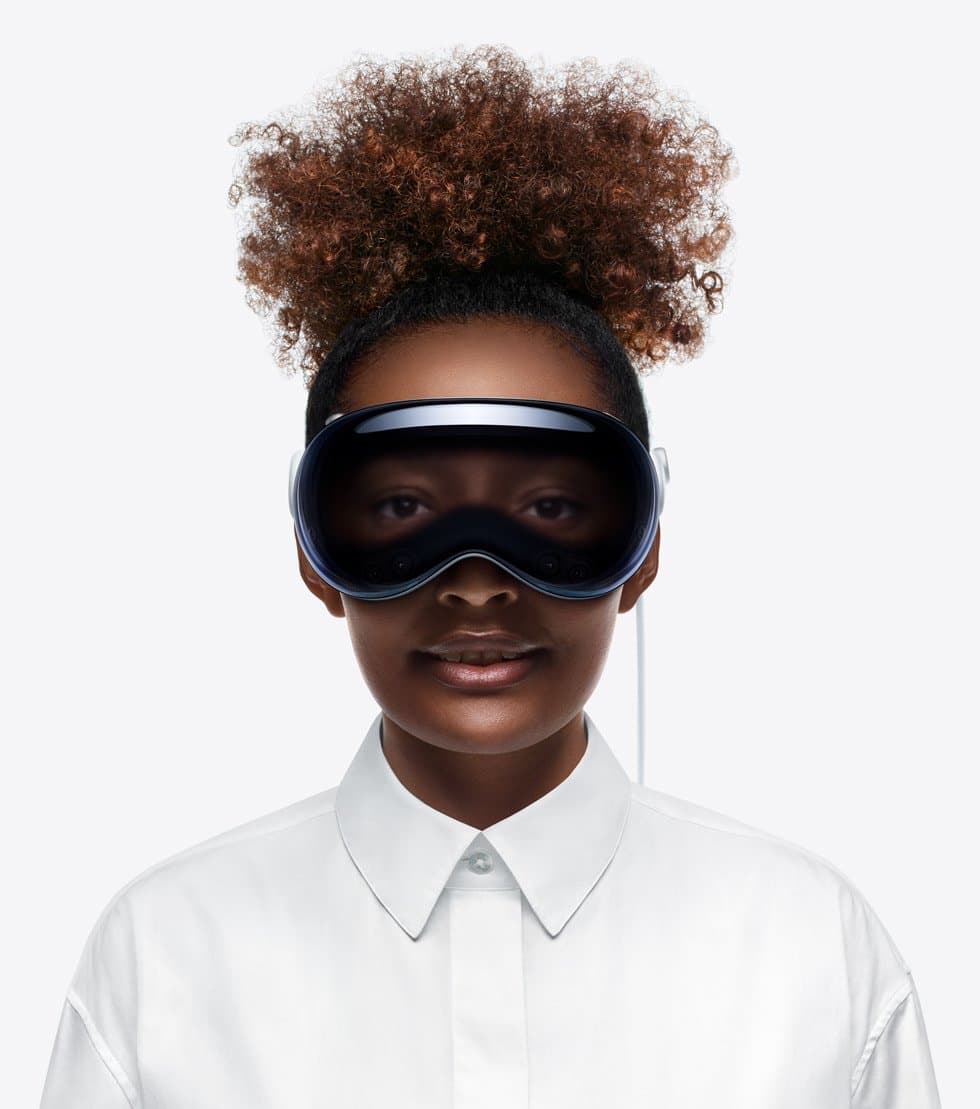
Apple has shifted resources away from a Vision Pro successor to prioritize AI smart glasses slated for late 2027, according to consistent reporting from Bloomberg’s Mark Gurman and analyst Ming-Chi Kuo. The original headset’s lukewarm reception, combined with persistent challenges around weight, cost, and battery life, led Apple to cancel the lighter “Vision Air” project and place the broader headset category “on ice.” An M5 chip refresh arrived in October 2025, but no full second-generation model remains in active development with a path to market before 2028. While an unexpected technical breakthrough could theoretically accelerate timelines, the current engineering and strategic realities underpin traders’ near-certain view that release before 2027 is improbable.
Experimental AI-generated summary referencing Polymarket data. This is not trading advice and plays no role in how this market resolves. · UpdatedApple Vision Pro 2 released before 2027?
A qualifying product must be named "Apple Vision" and be recognized as a successor to the original Apple Vision Pro product, similar to the relationship between iPhone 14 and iPhone 15. A new Apple Vision product released without a number, under a designation other than Apple Vision Pro 2 will qualify if it retains the original functions of the Apple Vision Pro and expands on them in such a way that it is clear that this product is a successor.
Releases framed as an upgrade or refresh (e.g. the 2025 release of the Apple Vision Pro with an M5 chip) will not qualify as a successor to the original Apple Vision Pro product.
In order to be considered released, the product must be available for purchase by the general public within the specified timeframe. An announcement or unveiling alone is not sufficient.
The primary resolution source for this market will be official statements from Apple. However, a consensus of credible reporting may also be used.
Market Opened: Dec 12, 2025, 5:54 PM ET
Resolver
0x65070be91...A qualifying product must be named "Apple Vision" and be recognized as a successor to the original Apple Vision Pro product, similar to the relationship between iPhone 14 and iPhone 15. A new Apple Vision product released without a number, under a designation other than Apple Vision Pro 2 will qualify if it retains the original functions of the Apple Vision Pro and expands on them in such a way that it is clear that this product is a successor.
Releases framed as an upgrade or refresh (e.g. the 2025 release of the Apple Vision Pro with an M5 chip) will not qualify as a successor to the original Apple Vision Pro product.
In order to be considered released, the product must be available for purchase by the general public within the specified timeframe. An announcement or unveiling alone is not sufficient.
The primary resolution source for this market will be official statements from Apple. However, a consensus of credible reporting may also be used.
Resolver
0x65070be91...Apple has shifted resources away from a Vision Pro successor to prioritize AI smart glasses slated for late 2027, according to consistent reporting from Bloomberg’s Mark Gurman and analyst Ming-Chi Kuo. The original headset’s lukewarm reception, combined with persistent challenges around weight, cost, and battery life, led Apple to cancel the lighter “Vision Air” project and place the broader headset category “on ice.” An M5 chip refresh arrived in October 2025, but no full second-generation model remains in active development with a path to market before 2028. While an unexpected technical breakthrough could theoretically accelerate timelines, the current engineering and strategic realities underpin traders’ near-certain view that release before 2027 is improbable.
Experimental AI-generated summary referencing Polymarket data. This is not trading advice and plays no role in how this market resolves. · Updated


Beware of external links.
Frequently Asked Questions