
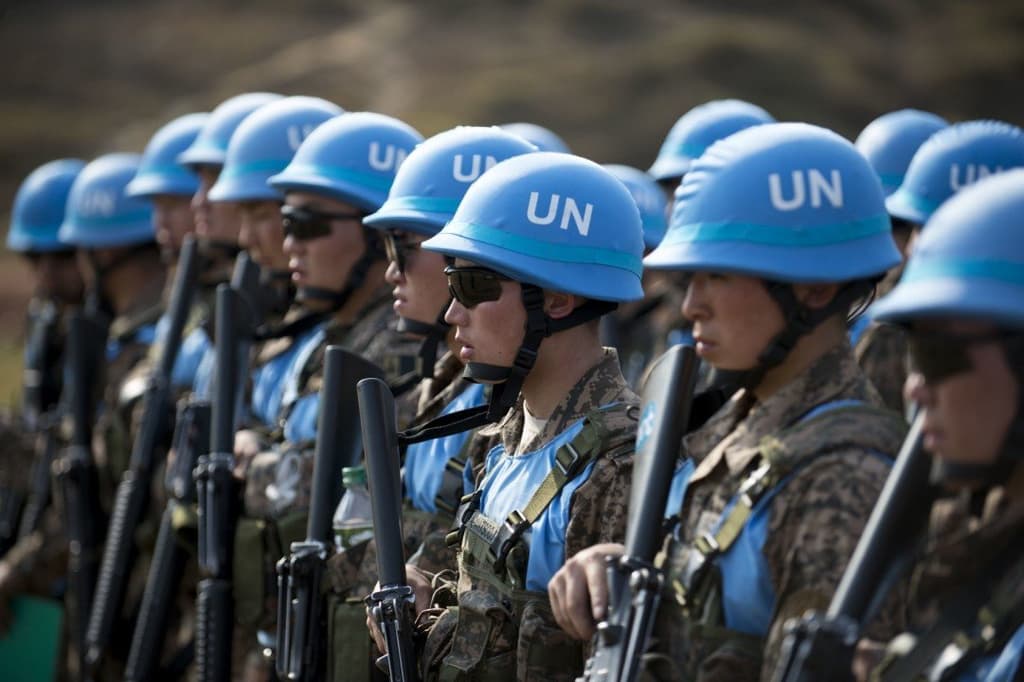
A fragile ceasefire established in October 2025 under a U.S.-brokered plan has held amid repeated low-level violations, with Israeli forces conducting airstrikes in early October 2026 following Hamas attacks that killed two Israeli soldiers. Implementation of phase two remains stalled over Hamas disarmament sequencing, Israeli withdrawals beyond the agreed "yellow line," and delays in deploying the International Stabilization Force (ISF). The U.S.-led Board of Peace has secured troop pledges from countries including Morocco, Kosovo, and Albania, but the force has not entered Gaza. The UN Security Council is scheduled to vote on a resolution authorizing the ISF to support demilitarization, border security, and aid corridors, while Israeli elections in late October introduce additional uncertainty over commitment to the roadmap.
Riepilogo sperimentale generato dall'AI con riferimento ai dati di Polymarket. Questo non è un consiglio di trading e non ha alcun ruolo nella risoluzione di questo mercato. · AggiornatoView resolved
Fai attenzione ai link esterni.
Fai attenzione ai link esterni.
Domande frequenti