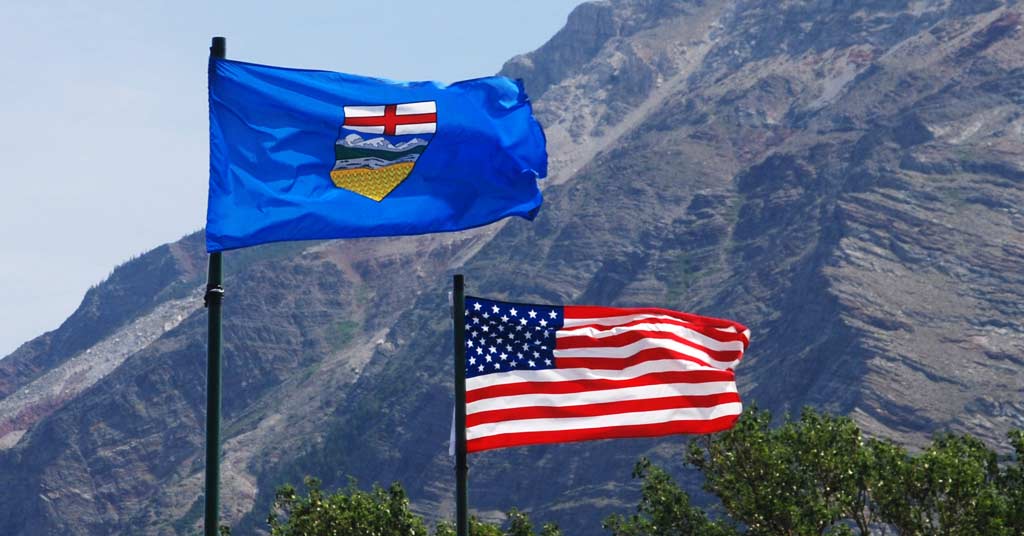
**Strong trader consensus on the low likelihood of Alberta joining the United States reflects Alberta's constitutional status as a Canadian province, limited separatist support in recent polling around 20-30 percent, and the absence of any formal annexation process or bilateral agreement.** A citizen-initiated petition has advanced a non-binding October 2026 referendum question on whether to begin the legal steps toward a future independence vote, following signature collection by groups like the Alberta Prosperity Project and adjustments by Premier Danielle Smith. Some separatist representatives have held meetings with U.S. officials, but these produced no commitments, drew Canadian government calls to respect sovereignty, and occurred against legal challenges from First Nations over treaty rights and consultation requirements. Even successful independence would require Canadian constitutional processes, potential negotiations, and U.S. congressional approval for statehood, none of which show current momentum or majority backing. Late developments such as polling shifts or policy changes could theoretically influence odds, though structural and legal barriers remain substantial.
Polymarket डेटा का संदर्भ देने वाला प्रयोगात्मक AI-जनरेटेड सारांश। यह ट्रेडिंग सलाह नहीं है और इस बाज़ार के समाधान में कोई भूमिका नहीं निभाता। · अपडेट किया गया$2,182,721 वॉल्यूम
$2,182,721 वॉल्यूम
$2,182,721 वॉल्यूम
$2,182,721 वॉल्यूम
Sovereignty is defined as the transfer of the majority of the territory of Alberta as of February 6, 2026, currently a Canadian province, to being under the formal governance or jurisdiction of the United States, either as a state, territory, or other classification within the US system.
An official announcement made by the United States and Canada that Alberta will come under US sovereignty, within this market's timeframe, will qualify, even if the actual transfer of sovereignty is yet to occur. Only announcements of official agreements or actions (e.g. a ratified treaty, signed legislation, etc.) will count - mere suggestions, negotiations, or posts on Social Media will not.
The resolution source for this market will be official information from the governments of the US, Canada, and Alberta, however a consensus of credible reporting confirming that Alberta has come under U.S. sovereignty will also qualify.
बाज़ार खुला: Feb 6, 2026, 5:03 PM ET
Resolver
0x65070BE91...Sovereignty is defined as the transfer of the majority of the territory of Alberta as of February 6, 2026, currently a Canadian province, to being under the formal governance or jurisdiction of the United States, either as a state, territory, or other classification within the US system.
An official announcement made by the United States and Canada that Alberta will come under US sovereignty, within this market's timeframe, will qualify, even if the actual transfer of sovereignty is yet to occur. Only announcements of official agreements or actions (e.g. a ratified treaty, signed legislation, etc.) will count - mere suggestions, negotiations, or posts on Social Media will not.
The resolution source for this market will be official information from the governments of the US, Canada, and Alberta, however a consensus of credible reporting confirming that Alberta has come under U.S. sovereignty will also qualify.
Resolver
0x65070BE91...**Strong trader consensus on the low likelihood of Alberta joining the United States reflects Alberta's constitutional status as a Canadian province, limited separatist support in recent polling around 20-30 percent, and the absence of any formal annexation process or bilateral agreement.** A citizen-initiated petition has advanced a non-binding October 2026 referendum question on whether to begin the legal steps toward a future independence vote, following signature collection by groups like the Alberta Prosperity Project and adjustments by Premier Danielle Smith. Some separatist representatives have held meetings with U.S. officials, but these produced no commitments, drew Canadian government calls to respect sovereignty, and occurred against legal challenges from First Nations over treaty rights and consultation requirements. Even successful independence would require Canadian constitutional processes, potential negotiations, and U.S. congressional approval for statehood, none of which show current momentum or majority backing. Late developments such as polling shifts or policy changes could theoretically influence odds, though structural and legal barriers remain substantial.
Polymarket डेटा का संदर्भ देने वाला प्रयोगात्मक AI-जनरेटेड सारांश। यह ट्रेडिंग सलाह नहीं है और इस बाज़ार के समाधान में कोई भूमिका नहीं निभाता। · अपडेट किया गया
बाहरी लिंक से सावधान रहें।
अक्सर पूछे जाने वाले प्रश्न