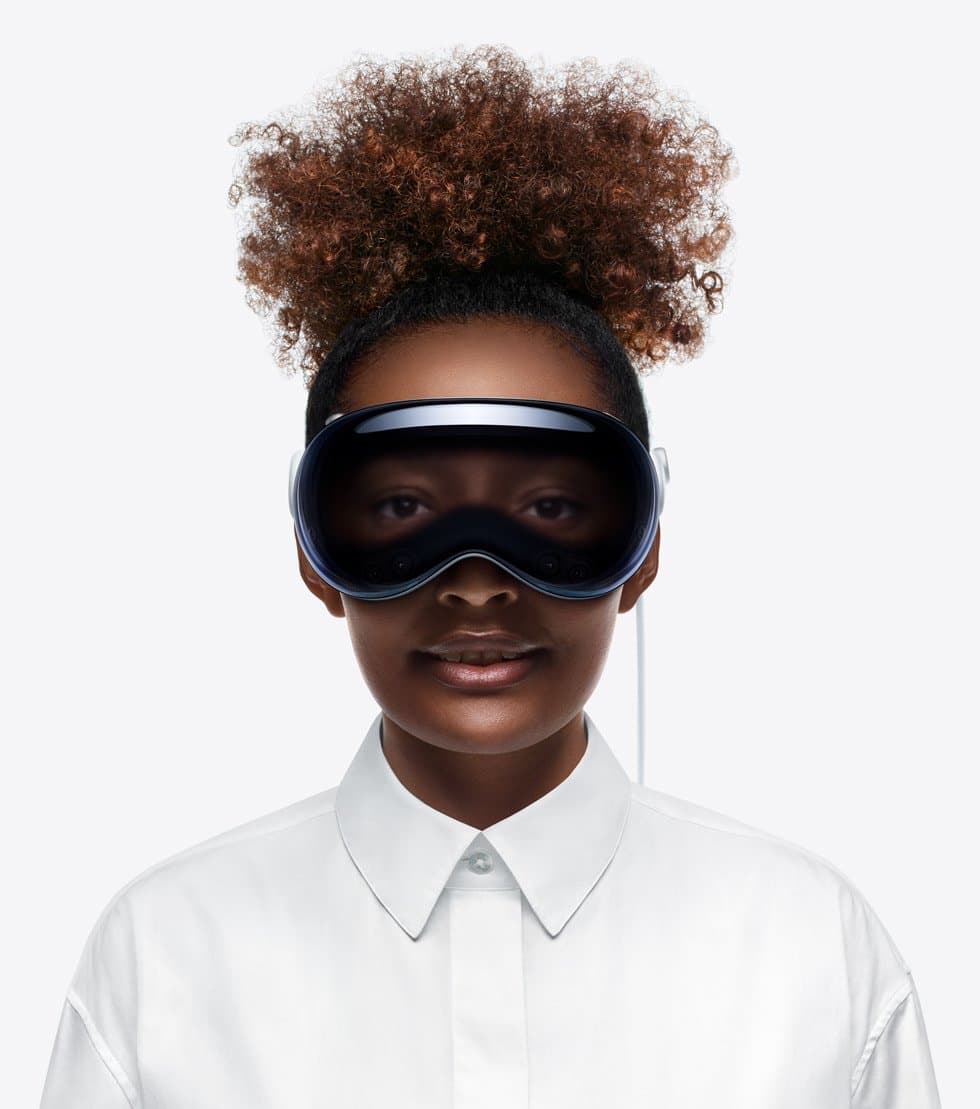
Trader consensus on Polymarket heavily favors no Apple Vision Pro 2 release before 2027, with "No" implying 93% probability, driven by Apple's strategic pivot reported in October 2025—halting high-end mixed-reality headset overhauls to prioritize lighter "Vision Air" models and AI-powered smart glasses targeted for 2027 or later. Supply chain analysts like Ming-Chi Kuo and Mark Gurman have consistently forecasted major upgrades no earlier than late 2026 at best, amid sluggish original Vision Pro sales and resource reallocation to core AI initiatives. No official announcements, certification filings, or production ramps have materialized in the past six months, reinforcing this positioning. A surprise acceleration via accelerated M5 chip integration or unannounced supply deals could challenge the odds, though typical Apple timelines for nascent spatial computing hardware suggest otherwise.
Resumen experimental generado por IA con datos de Polymarket · ActualizadoSí
Sí
A qualifying product must be named "Apple Vision" and be recognized as a successor to the original Apple Vision Pro product, similar to the relationship between iPhone 14 and iPhone 15. A new Apple Vision product released without a number, under a designation other than Apple Vision Pro 2 will qualify if it retains the original functions of the Apple Vision Pro and expands on them in such a way that it is clear that this product is a successor.
Releases framed as an upgrade or refresh (e.g. the 2025 release of the Apple Vision Pro with an M5 chip) will not qualify as a successor to the original Apple Vision Pro product.
In order to be considered released, the product must be available for purchase by the general public within the specified timeframe. An announcement or unveiling alone is not sufficient.
The primary resolution source for this market will be official statements from Apple. However, a consensus of credible reporting may also be used.
Mercado abierto: Dec 12, 2025, 5:54 PM ET
Resolver
0x65070BE91...A qualifying product must be named "Apple Vision" and be recognized as a successor to the original Apple Vision Pro product, similar to the relationship between iPhone 14 and iPhone 15. A new Apple Vision product released without a number, under a designation other than Apple Vision Pro 2 will qualify if it retains the original functions of the Apple Vision Pro and expands on them in such a way that it is clear that this product is a successor.
Releases framed as an upgrade or refresh (e.g. the 2025 release of the Apple Vision Pro with an M5 chip) will not qualify as a successor to the original Apple Vision Pro product.
In order to be considered released, the product must be available for purchase by the general public within the specified timeframe. An announcement or unveiling alone is not sufficient.
The primary resolution source for this market will be official statements from Apple. However, a consensus of credible reporting may also be used.
Resolver
0x65070BE91...Trader consensus on Polymarket heavily favors no Apple Vision Pro 2 release before 2027, with "No" implying 93% probability, driven by Apple's strategic pivot reported in October 2025—halting high-end mixed-reality headset overhauls to prioritize lighter "Vision Air" models and AI-powered smart glasses targeted for 2027 or later. Supply chain analysts like Ming-Chi Kuo and Mark Gurman have consistently forecasted major upgrades no earlier than late 2026 at best, amid sluggish original Vision Pro sales and resource reallocation to core AI initiatives. No official announcements, certification filings, or production ramps have materialized in the past six months, reinforcing this positioning. A surprise acceleration via accelerated M5 chip integration or unannounced supply deals could challenge the odds, though typical Apple timelines for nascent spatial computing hardware suggest otherwise.
Resumen experimental generado por IA con datos de Polymarket · Actualizado
Cuidado con los enlaces externos.
Preguntas frecuentes