
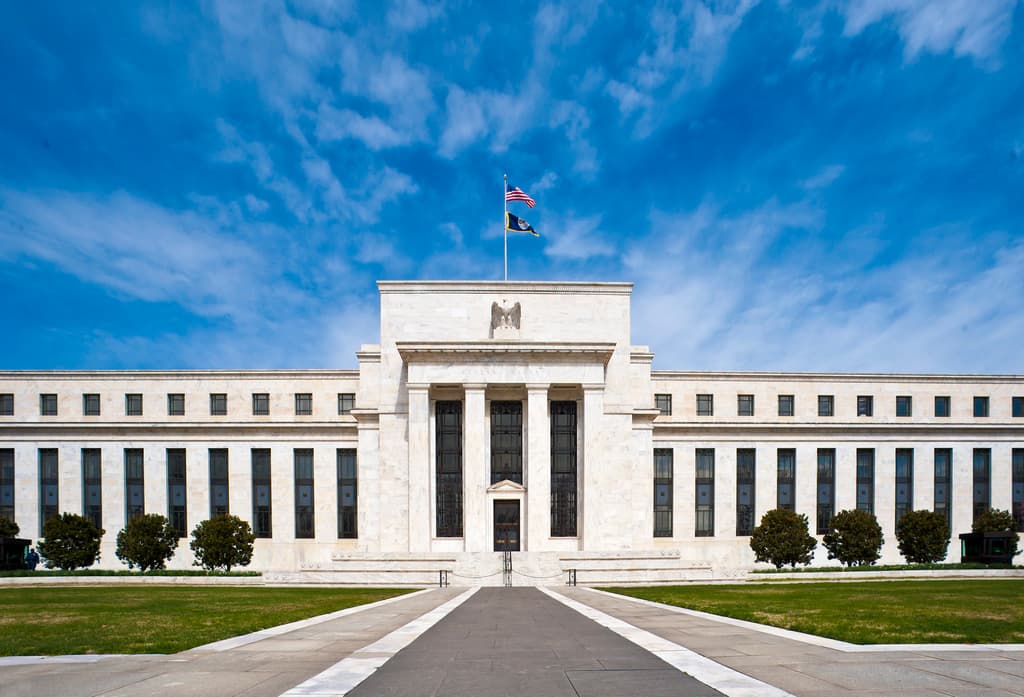
The near-certain trader consensus against abolition of the Federal Reserve before 2027 stems primarily from the absence of viable legislative pathways, as repealing the Federal Reserve Act requires bicameral passage, presidential approval, and an orderly wind-down process that has never advanced beyond committee referral in recent sessions. Bills such as the Federal Reserve Board Abolition Act introduced in the 119th Congress remain stalled without broad support or scheduled votes. Ongoing policy debates focus instead on reforms to monetary frameworks, balance-sheet management, and governance rather than elimination, consistent with historical patterns where central bank independence has endured across administrations. Realistic scenarios that could still shift odds include a severe financial crisis prompting emergency congressional action or a post-election realignment enabling rapid procedural changes, though both face substantial institutional and timing constraints within the narrow remaining window.
Eksperimental na AI-generated summary na nire-reference ang Polymarket data. Hindi ito trading advice at wala itong papel sa kung paano nire-resolve ang market na ito. · Na-updateView resolved
Mag-ingat sa mga external link.
Mag-ingat sa mga external link.
Mga Madalas na Tanong