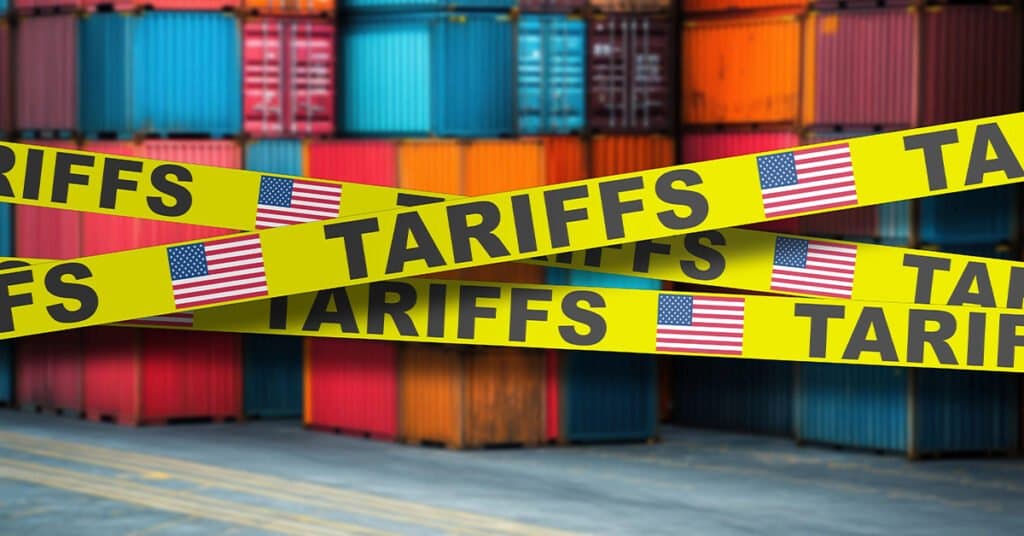
Trump's firm commitment to imposing a 10% universal tariff on all U.S. imports has driven near-unanimous trader consensus, with "Yes" shares at 97.3%, reflecting confidence in rapid executive action post-January 20 inauguration. Recent transition announcements from the incoming administration, including detailed tariff blueprints shared publicly, signal preparations for implementation well ahead of March 31, leveraging presidential trade authorities under existing laws like Section 301 and IEEPA. Historical precedents of swift first-term tariff hikes under Trump bolster this view. Realistic risks remain low but include potential legal challenges from importers or trading partners securing injunctions, congressional pushback via budget riders, or minor delays from interagency coordination, though none have materialized prominently yet.
基于Polymarket数据的AI实验性摘要 · 更新于是
$59,559 交易量
$59,559 交易量
是
$59,559 交易量
$59,559 交易量
A general or blanket tariff is a tariff policy that applies a baseline tariff rate of 10% or greater to imports broadly, rather than being limited to a narrow set of products or countries. A tariff that includes item-specific, country-specific, or other limited exceptions will still qualify, as long as a baseline policy of a 10% or greater tariff on imports into the United States is in effect at the specified time.
“In effect" means the tariff must be operational in its application to US imports at the specified time. General or blanket tariffs which go into effect, but are then blocked, injuncted, repealed, or otherwise invalidated such that a blanket tariff rate of 10% or more is not being imposed on imports into the United States at this market’s resolution time will not count.
This market's primary resolution source will be official information from the United States federal government; however, a consensus of credible information may also be used.
市场开放时间: Feb 20, 2026, 8:06 PM ET
Resolver
0x65070BE91...A general or blanket tariff is a tariff policy that applies a baseline tariff rate of 10% or greater to imports broadly, rather than being limited to a narrow set of products or countries. A tariff that includes item-specific, country-specific, or other limited exceptions will still qualify, as long as a baseline policy of a 10% or greater tariff on imports into the United States is in effect at the specified time.
“In effect" means the tariff must be operational in its application to US imports at the specified time. General or blanket tariffs which go into effect, but are then blocked, injuncted, repealed, or otherwise invalidated such that a blanket tariff rate of 10% or more is not being imposed on imports into the United States at this market’s resolution time will not count.
This market's primary resolution source will be official information from the United States federal government; however, a consensus of credible information may also be used.
Resolver
0x65070BE91...Trump's firm commitment to imposing a 10% universal tariff on all U.S. imports has driven near-unanimous trader consensus, with "Yes" shares at 97.3%, reflecting confidence in rapid executive action post-January 20 inauguration. Recent transition announcements from the incoming administration, including detailed tariff blueprints shared publicly, signal preparations for implementation well ahead of March 31, leveraging presidential trade authorities under existing laws like Section 301 and IEEPA. Historical precedents of swift first-term tariff hikes under Trump bolster this view. Realistic risks remain low but include potential legal challenges from importers or trading partners securing injunctions, congressional pushback via budget riders, or minor delays from interagency coordination, though none have materialized prominently yet.
基于Polymarket数据的AI实验性摘要 · 更新于
警惕外部链接哦。
警惕外部链接哦。
常见问题