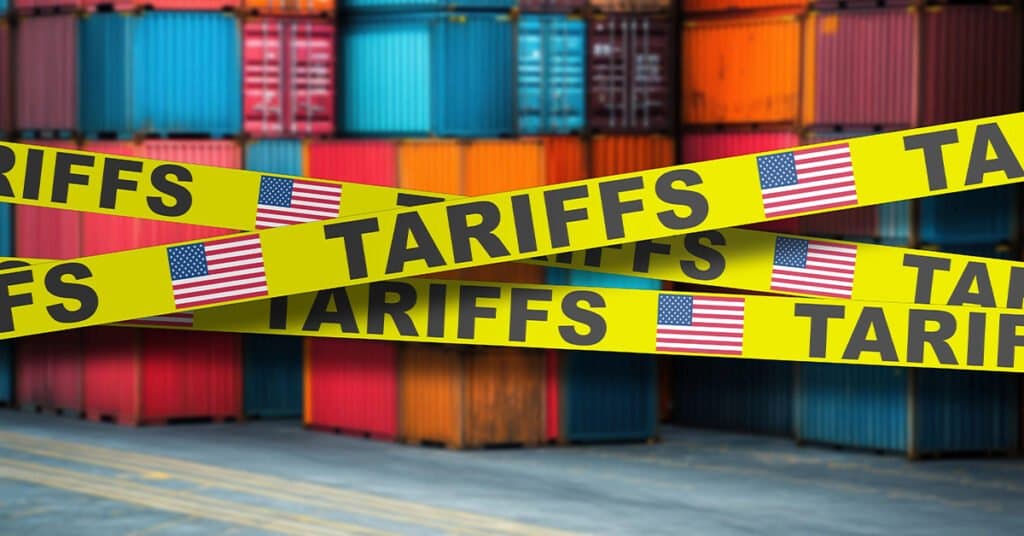
The Trump administration's February 20, 2026, proclamation under Section 122 of the Trade Act of 1974 imposed a temporary 10% ad valorem tariff on nearly all imports, effective February 24, to address international payment imbalances following a Supreme Court ruling invalidating prior IEEPA-based levies. This blanket measure, authorized for 150 days without congressional approval, remains fully operational as of March 31, with U.S. Customs and Border Protection actively collecting duties, driving trader consensus to 99.1% "Yes." While plans for potential hikes to 15% have surfaced, no verified actions have altered the 10% rate; rare disruptions like an emergency injunction, congressional override, or executive reversal could theoretically intervene before resolution.
基於Polymarket數據的AI實驗性摘要 · 更新於是
$74,126 交易量
$74,126 交易量
是
$74,126 交易量
$74,126 交易量
A general or blanket tariff is a tariff policy that applies a baseline tariff rate of 10% or greater to imports broadly, rather than being limited to a narrow set of products or countries. A tariff that includes item-specific, country-specific, or other limited exceptions will still qualify, as long as a baseline policy of a 10% or greater tariff on imports into the United States is in effect at the specified time.
“In effect" means the tariff must be operational in its application to US imports at the specified time. General or blanket tariffs which go into effect, but are then blocked, injuncted, repealed, or otherwise invalidated such that a blanket tariff rate of 10% or more is not being imposed on imports into the United States at this market’s resolution time will not count.
This market's primary resolution source will be official information from the United States federal government; however, a consensus of credible information may also be used.
市場開放時間: Feb 20, 2026, 8:06 PM ET
Resolver
0x65070BE91...已提議結果: 是
無爭議
最終結果: 是
A general or blanket tariff is a tariff policy that applies a baseline tariff rate of 10% or greater to imports broadly, rather than being limited to a narrow set of products or countries. A tariff that includes item-specific, country-specific, or other limited exceptions will still qualify, as long as a baseline policy of a 10% or greater tariff on imports into the United States is in effect at the specified time.
“In effect" means the tariff must be operational in its application to US imports at the specified time. General or blanket tariffs which go into effect, but are then blocked, injuncted, repealed, or otherwise invalidated such that a blanket tariff rate of 10% or more is not being imposed on imports into the United States at this market’s resolution time will not count.
This market's primary resolution source will be official information from the United States federal government; however, a consensus of credible information may also be used.
Resolver
0x65070BE91...已提議結果: 是
無爭議
最終結果: 是
The Trump administration's February 20, 2026, proclamation under Section 122 of the Trade Act of 1974 imposed a temporary 10% ad valorem tariff on nearly all imports, effective February 24, to address international payment imbalances following a Supreme Court ruling invalidating prior IEEPA-based levies. This blanket measure, authorized for 150 days without congressional approval, remains fully operational as of March 31, with U.S. Customs and Border Protection actively collecting duties, driving trader consensus to 99.1% "Yes." While plans for potential hikes to 15% have surfaced, no verified actions have altered the 10% rate; rare disruptions like an emergency injunction, congressional override, or executive reversal could theoretically intervene before resolution.
基於Polymarket數據的AI實驗性摘要 · 更新於
警惕外部連結哦。
警惕外部連結哦。
Frequently Asked Questions