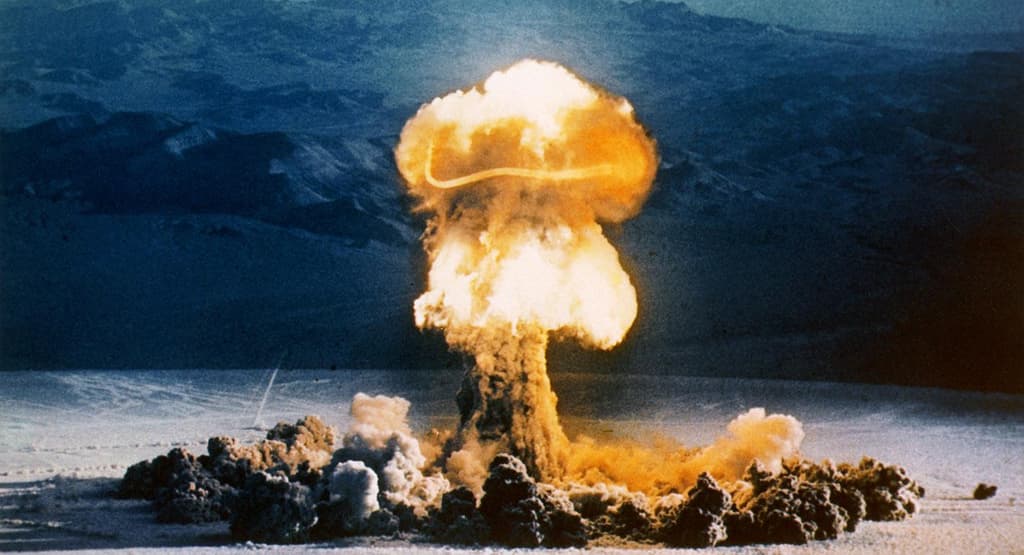
This market will resolve to "Yes" if Russia conducts a nuclear test by the listed date (ET). Otherwise, this market will resolve to "No".
A nuclear test is defined as the intentional non-combat detonation of a device by Russia that produces a nuclear chain reaction (fission or fusion), regardless of yield.
Accidents, radiological dispersal devices (bombs that spread radioactive material using conventional explosives such as "dirty bombs"), or actions by third parties will not count toward this market's resolution.
Tests not explicitly claimed by Russia may still qualify if a clear consensus of credible reporting attributes the nuclear detonation to Russia. For example, an unclaimed nuclear test analogous to the 1979 "Vela Incident" would count if credible reporting attributes it to Russia.
The resolution source for this market will be a broad consensus of credible reporting.Russia's successful test of the RS-28 Sarmat intercontinental ballistic missile on May 12—capable of carrying nuclear warheads but involving no detonation—has fueled rhetoric on strategic nuclear modernization, with President Putin announcing deployment by year-end amid Ukraine tensions and expired New START arms limits. Yet traders price low probabilities for an actual nuclear explosion test (under 10% by December 31), reflecting Russia's de facto moratorium since 1990, Kremlin denials of secret tests in February, and UN test-ban warnings in late April. Barriers include diplomatic backlash and technical hurdles at sites like Novaya Zemlya; escalation signals, U.S. policy shifts, or Ukraine breakthroughs could prompt resumption, though no scheduled events loom immediately.
This market will resolve to "Yes" if Russia conducts a nuclear test by the listed date (ET). Otherwise, this market will resolve to "No".
A nuclear test is defined as the intentional non-combat detonation of a device by Russia that produces a nuclear chain reaction (fission or fusion), regardless of yield.
Accidents, radiological dispersal devices (bombs that spread radioactive material using conventional explosives such as "dirty bombs"), or actions by third parties will not count toward this market's resolution.
Tests not explicitly claimed by Russia may still qualify if a clear consensus of credible reporting attributes the nuclear detonation to Russia. For example, an unclaimed nuclear test analogous to the 1979 "Vela Incident" would count if credible reporting attributes it to Russia.
The resolution source for this market will be a broad consensus of credible reporting.
This market will resolve to "Yes" if Russia conducts a nuclear test by the listed date (ET). Otherwise, this market will resolve to "No".
A nuclear test is defined as the intentional non-combat detonation of a device by Russia that produces a nuclear chain reaction (fission or fusion), regardless of yield.
Accidents, radiological dispersal devices (bombs that spread radioactive material using conventional explosives such as "dirty bombs"), or actions by third parties will not count toward this market's resolution.
Tests not explicitly claimed by Russia may still qualify if a clear consensus of credible reporting attributes the nuclear detonation to Russia. For example, an unclaimed nuclear test analogous to the 1979 "Vela Incident" would count if credible reporting attributes it to Russia.
The resolution source for this market will be a broad consensus of credible reporting.
Russia's successful test of the RS-28 Sarmat intercontinental ballistic missile on May 12—capable of carrying nuclear warheads but involving no detonation—has fueled rhetoric on strategic nuclear modernization, with President Putin announcing deployment by year-end amid Ukraine tensions and expired New START arms limits. Yet traders price low probabilities for an actual nuclear explosion test (under 10% by December 31), reflecting Russia's de facto moratorium since 1990, Kremlin denials of secret tests in February, and UN test-ban warnings in late April. Barriers include diplomatic backlash and technical hurdles at sites like Novaya Zemlya; escalation signals, U.S. policy shifts, or Ukraine breakthroughs could prompt resumption, though no scheduled events loom immediately.
Polymarket डेटा का संदर्भ देने वाला प्रयोगात्मक AI-जनरेटेड सारांश। यह ट्रेडिंग सलाह नहीं है और इस बाज़ार के समाधान में कोई भूमिका नहीं निभाता। · अपडेट किया गया
May 8 2026
Analysts note that the expiration of New START removes legal barrier to testing but political costs remain high
Commentary emphasizing that while the treaty’s end technically allows testing, the diplomatic fallout and lack of strategic need keep the probability low, cementing the market’s low price.
May 7 2026
Russia uses nuclear-capable Oreshnik missile in massive strike on Ukraine
September 30, 2026 dips to 5%1%
Russia launched a massive missile and drone strike on Ukraine, including the use of the nuclear-capable Oreshnik intermediate-range ballistic missile. While this demonstrated Russia’s willingness to deploy nuclear-capable weapons, no nuclear test was reported, and the strike was conventional in nature, influencing market perceptions downward for a nuclear test occurring soon.
May 6 2026
Russia and Ukraine envoys meet in Abu Dhabi for US-brokered peace talks
Diplomatic talks between Russia and Ukraine, brokered by the U.S., aimed at ending the nearly four-year war, signaled ongoing efforts to avoid escalation including nuclear testing. The talks coincided with the expiration of the last nuclear arms treaty, reinforcing market expectations against a nuclear test by Russia in the near term.
May 2 2026
U.S. Energy Secretary says any Trump‑ordered tests would be non‑nuclear
Clarification that any U.S. tests would not involve nuclear explosions reduced the perceived trigger for a Russian nuclear test, contributing to the final drop to 4%‑5%.
Apr 29 2026
Russia’s nuclear-capable Oreshnik missiles enter active service in Belarus
September 30, 2026 dips to 6%1%
Russia announced that its nuclear-capable Oreshnik missile system had entered active service in Belarus, demonstrating enhanced nuclear delivery capabilities. This development raised concerns about nuclear escalation but did not indicate an actual nuclear test, contributing to market uncertainty and price adjustments.
Apr 26 2026
Russia reiterates readiness to keep New START limits for another year
Putin’s reaffirmation that Russia would honor the treaty’s caps for an additional year if the U.S. does so removed a key catalyst for a test, pushing prices toward single‑digit levels.
Apr 22 2026
Russia’s deputy security council head Medvedev warns of “proportional” response to U.S. missile defenses
Medvedev’s warning that Russia would act proportionately if the U.S. pursues new missile defenses was interpreted as a diplomatic threat rather than an imminent test, further lowering market odds.
Apr 18 2026
Ukraine drone strike hits Russian oil facility in Tuapse
The attack raised concerns about Russia’s domestic stability and its need to conserve strategic assets, reducing the perceived incentive for a risky nuclear test.
Apr 13 2026
U.S. imposes naval blockade on Iranian ports amid fragile ceasefire with Iran
December 31, 2026 dips to 8%4%
The U.S. military blockade of Iranian ports near the Strait of Hormuz raised regional tensions and cast doubt on the fragile ceasefire, increasing global security concerns but not directly implicating Russia in nuclear testing. This heightened geopolitical risk may have influenced market perceptions of nuclear escalation risks generally.
Apr 12 2026
U.S. President Trump signals intent to resume nuclear testing
Trump’s public remarks about restarting U.S. nuclear tests heightened the risk of reciprocal Russian testing, initially spiking the market before the subsequent diplomatic reassurance pulled prices down further.
Apr 10 2026
Russian diplomat says Moscow will observe New START limits as long as the U.S. does
Dmitry Medvedev’s statement that Russia will stick to the treaty’s caps if the U.S. follows suit reassured markets that Moscow is not seeking to expand its arsenal through testing.
Apr 7 2026
Russia commits to adhering to New START nuclear arms limits despite treaty expiration
September 30, 2026 plunges to 10%41%
On April 7, 2026, Russian officials stated that Russia would continue to observe the limits of the expired New START treaty as long as the United States did the same. This commitment reduced market fears of imminent Russian nuclear testing, contributing to a sharp decline in the market price for a test by September 30, 2026.
Apr 5 2026
Russia says its nuclear‑capable Oreshnik missiles have entered service in Belarus
Moscow announced the operational deployment of the Oreshnik hypersonic system, a move seen as a deterrent rather than a prelude to testing, which helped push prices lower.
Apr 3 2026
Russia conducts missile strikes including nuclear-capable missiles but no nuclear test
June 30, 2026 plunges to 3%47%
Russia launched a massive missile strike on Ukraine using nuclear-capable missiles, heightening fears of escalation. Despite the use of nuclear-capable weapons, no nuclear test detonation occurred, leading to further market price declines for the June 30, 2026 outcome.
Apr 3 2026
U.S. and Russia’s nuclear arms pact expires, raising fears of a new arms race
The New START treaty expired on Feb. 5, and analysts warned that the lack of limits could trigger a competitive buildup, prompting traders to reassess the likelihood of a Russian test.
Apr 2 2026
Russia launches massive missile and drone strike on Ukraine including nuclear-capable missile
June 30, 2026 plunges to 2%48%
On April 2, 2026, Russia conducted a large-scale missile and drone attack on Ukraine, using a nuclear-capable intermediate-range ballistic missile. While this demonstrated Russia's nuclear-capable strike capability, it was not a nuclear test, contributing to market price drops as fears of an actual nuclear test diminished.
Apr 2 2026
Russia deploys nuclear-capable Oreshnik missiles but no nuclear test reported
December 31, 2026 plunges to 13%37%
Russia announced the active service deployment of nuclear-capable Oreshnik missiles in Belarus, increasing nuclear tensions. However, no nuclear test was conducted or reported, contributing to the market's reassessment and price drop for the December 31, 2026 outcome.
Apr 2 2026
No credible reports of Russia conducting nuclear test amid heightened tensions
December 31, 2026 plunges to 9%42%
Despite military escalations and deployment of nuclear-capable weapons, no credible reports or confirmations emerged of Russia conducting a nuclear test during the analysis window. This absence of evidence led to a significant market reassessment and price decline for the likelihood of a nuclear test by Russia by the listed dates.
Apr 1 2026
No credible reports of Russian nuclear test emerge amid heightened tensions
September 30, 2026 plunges to 10%41%
Despite increased military activity and deployment of nuclear-capable missiles by Russia, no credible news or official confirmation of a nuclear test by Russia was reported during the analysis window. This absence of evidence led to a sharp decline in market prices for the likelihood of a Russian nuclear test by September 30, 2026.
Apr 1 2026
Russia deploys nuclear-capable Oreshnik missiles in Belarus amid Ukraine conflict
September 30, 2026 drops to 46%5%
On April 1, 2026, Russia announced that its nuclear-capable Oreshnik missile system had entered active service in Belarus, signaling a strategic military escalation. This deployment raised concerns about potential nuclear use but did not constitute a nuclear test, leading to initial market uncertainty reflected in prices around this date.
This market will resolve to "Yes" if Russia conducts a nuclear test by the listed date (ET). Otherwise, this market will resolve to "No".
A nuclear test is defined as the intentional non-combat detonation of a device by Russia that produces a nuclear chain reaction (fission or fusion), regardless of yield.
Accidents, radiological dispersal devices (bombs that spread radioactive material using conventional explosives such as "dirty bombs"), or actions by third parties will not count toward this market's resolution.
Tests not explicitly claimed by Russia may still qualify if a clear consensus of credible reporting attributes the nuclear detonation to Russia. For example, an unclaimed nuclear test analogous to the 1979 "Vela Incident" would count if credible reporting attributes it to Russia.
The resolution source for this market will be a broad consensus of credible reporting.Russia's successful test of the RS-28 Sarmat intercontinental ballistic missile on May 12—capable of carrying nuclear warheads but involving no detonation—has fueled rhetoric on strategic nuclear modernization, with President Putin announcing deployment by year-end amid Ukraine tensions and expired New START arms limits. Yet traders price low probabilities for an actual nuclear explosion test (under 10% by December 31), reflecting Russia's de facto moratorium since 1990, Kremlin denials of secret tests in February, and UN test-ban warnings in late April. Barriers include diplomatic backlash and technical hurdles at sites like Novaya Zemlya; escalation signals, U.S. policy shifts, or Ukraine breakthroughs could prompt resumption, though no scheduled events loom immediately.
This market will resolve to "Yes" if Russia conducts a nuclear test by the listed date (ET). Otherwise, this market will resolve to "No".
A nuclear test is defined as the intentional non-combat detonation of a device by Russia that produces a nuclear chain reaction (fission or fusion), regardless of yield.
Accidents, radiological dispersal devices (bombs that spread radioactive material using conventional explosives such as "dirty bombs"), or actions by third parties will not count toward this market's resolution.
Tests not explicitly claimed by Russia may still qualify if a clear consensus of credible reporting attributes the nuclear detonation to Russia. For example, an unclaimed nuclear test analogous to the 1979 "Vela Incident" would count if credible reporting attributes it to Russia.
The resolution source for this market will be a broad consensus of credible reporting.
This market will resolve to "Yes" if Russia conducts a nuclear test by the listed date (ET). Otherwise, this market will resolve to "No".
A nuclear test is defined as the intentional non-combat detonation of a device by Russia that produces a nuclear chain reaction (fission or fusion), regardless of yield.
Accidents, radiological dispersal devices (bombs that spread radioactive material using conventional explosives such as "dirty bombs"), or actions by third parties will not count toward this market's resolution.
Tests not explicitly claimed by Russia may still qualify if a clear consensus of credible reporting attributes the nuclear detonation to Russia. For example, an unclaimed nuclear test analogous to the 1979 "Vela Incident" would count if credible reporting attributes it to Russia.
The resolution source for this market will be a broad consensus of credible reporting.
Russia's successful test of the RS-28 Sarmat intercontinental ballistic missile on May 12—capable of carrying nuclear warheads but involving no detonation—has fueled rhetoric on strategic nuclear modernization, with President Putin announcing deployment by year-end amid Ukraine tensions and expired New START arms limits. Yet traders price low probabilities for an actual nuclear explosion test (under 10% by December 31), reflecting Russia's de facto moratorium since 1990, Kremlin denials of secret tests in February, and UN test-ban warnings in late April. Barriers include diplomatic backlash and technical hurdles at sites like Novaya Zemlya; escalation signals, U.S. policy shifts, or Ukraine breakthroughs could prompt resumption, though no scheduled events loom immediately.
Polymarket डेटा का संदर्भ देने वाला प्रयोगात्मक AI-जनरेटेड सारांश। यह ट्रेडिंग सलाह नहीं है और इस बाज़ार के समाधान में कोई भूमिका नहीं निभाता। · अपडेट किया गया
May 8 2026
Analysts note that the expiration of New START removes legal barrier to testing but political costs remain high
Commentary emphasizing that while the treaty’s end technically allows testing, the diplomatic fallout and lack of strategic need keep the probability low, cementing the market’s low price.
May 7 2026
Russia uses nuclear-capable Oreshnik missile in massive strike on Ukraine
September 30, 2026 dips to 5%1%
Russia launched a massive missile and drone strike on Ukraine, including the use of the nuclear-capable Oreshnik intermediate-range ballistic missile. While this demonstrated Russia’s willingness to deploy nuclear-capable weapons, no nuclear test was reported, and the strike was conventional in nature, influencing market perceptions downward for a nuclear test occurring soon.
May 6 2026
Russia and Ukraine envoys meet in Abu Dhabi for US-brokered peace talks
Diplomatic talks between Russia and Ukraine, brokered by the U.S., aimed at ending the nearly four-year war, signaled ongoing efforts to avoid escalation including nuclear testing. The talks coincided with the expiration of the last nuclear arms treaty, reinforcing market expectations against a nuclear test by Russia in the near term.
May 2 2026
U.S. Energy Secretary says any Trump‑ordered tests would be non‑nuclear
Clarification that any U.S. tests would not involve nuclear explosions reduced the perceived trigger for a Russian nuclear test, contributing to the final drop to 4%‑5%.
Apr 29 2026
Russia’s nuclear-capable Oreshnik missiles enter active service in Belarus
September 30, 2026 dips to 6%1%
Russia announced that its nuclear-capable Oreshnik missile system had entered active service in Belarus, demonstrating enhanced nuclear delivery capabilities. This development raised concerns about nuclear escalation but did not indicate an actual nuclear test, contributing to market uncertainty and price adjustments.
Apr 26 2026
Russia reiterates readiness to keep New START limits for another year
Putin’s reaffirmation that Russia would honor the treaty’s caps for an additional year if the U.S. does so removed a key catalyst for a test, pushing prices toward single‑digit levels.
Apr 22 2026
Russia’s deputy security council head Medvedev warns of “proportional” response to U.S. missile defenses
Medvedev’s warning that Russia would act proportionately if the U.S. pursues new missile defenses was interpreted as a diplomatic threat rather than an imminent test, further lowering market odds.
Apr 18 2026
Ukraine drone strike hits Russian oil facility in Tuapse
The attack raised concerns about Russia’s domestic stability and its need to conserve strategic assets, reducing the perceived incentive for a risky nuclear test.
Apr 13 2026
U.S. imposes naval blockade on Iranian ports amid fragile ceasefire with Iran
December 31, 2026 dips to 8%4%
The U.S. military blockade of Iranian ports near the Strait of Hormuz raised regional tensions and cast doubt on the fragile ceasefire, increasing global security concerns but not directly implicating Russia in nuclear testing. This heightened geopolitical risk may have influenced market perceptions of nuclear escalation risks generally.
Apr 12 2026
U.S. President Trump signals intent to resume nuclear testing
Trump’s public remarks about restarting U.S. nuclear tests heightened the risk of reciprocal Russian testing, initially spiking the market before the subsequent diplomatic reassurance pulled prices down further.
Apr 10 2026
Russian diplomat says Moscow will observe New START limits as long as the U.S. does
Dmitry Medvedev’s statement that Russia will stick to the treaty’s caps if the U.S. follows suit reassured markets that Moscow is not seeking to expand its arsenal through testing.
Apr 7 2026
Russia commits to adhering to New START nuclear arms limits despite treaty expiration
September 30, 2026 plunges to 10%41%
On April 7, 2026, Russian officials stated that Russia would continue to observe the limits of the expired New START treaty as long as the United States did the same. This commitment reduced market fears of imminent Russian nuclear testing, contributing to a sharp decline in the market price for a test by September 30, 2026.
Apr 5 2026
Russia says its nuclear‑capable Oreshnik missiles have entered service in Belarus
Moscow announced the operational deployment of the Oreshnik hypersonic system, a move seen as a deterrent rather than a prelude to testing, which helped push prices lower.
Apr 3 2026
Russia conducts missile strikes including nuclear-capable missiles but no nuclear test
June 30, 2026 plunges to 3%47%
Russia launched a massive missile strike on Ukraine using nuclear-capable missiles, heightening fears of escalation. Despite the use of nuclear-capable weapons, no nuclear test detonation occurred, leading to further market price declines for the June 30, 2026 outcome.
Apr 3 2026
U.S. and Russia’s nuclear arms pact expires, raising fears of a new arms race
The New START treaty expired on Feb. 5, and analysts warned that the lack of limits could trigger a competitive buildup, prompting traders to reassess the likelihood of a Russian test.
Apr 2 2026
Russia launches massive missile and drone strike on Ukraine including nuclear-capable missile
June 30, 2026 plunges to 2%48%
On April 2, 2026, Russia conducted a large-scale missile and drone attack on Ukraine, using a nuclear-capable intermediate-range ballistic missile. While this demonstrated Russia's nuclear-capable strike capability, it was not a nuclear test, contributing to market price drops as fears of an actual nuclear test diminished.
Apr 2 2026
Russia deploys nuclear-capable Oreshnik missiles but no nuclear test reported
December 31, 2026 plunges to 13%37%
Russia announced the active service deployment of nuclear-capable Oreshnik missiles in Belarus, increasing nuclear tensions. However, no nuclear test was conducted or reported, contributing to the market's reassessment and price drop for the December 31, 2026 outcome.
Apr 2 2026
No credible reports of Russia conducting nuclear test amid heightened tensions
December 31, 2026 plunges to 9%42%
Despite military escalations and deployment of nuclear-capable weapons, no credible reports or confirmations emerged of Russia conducting a nuclear test during the analysis window. This absence of evidence led to a significant market reassessment and price decline for the likelihood of a nuclear test by Russia by the listed dates.
Apr 1 2026
No credible reports of Russian nuclear test emerge amid heightened tensions
September 30, 2026 plunges to 10%41%
Despite increased military activity and deployment of nuclear-capable missiles by Russia, no credible news or official confirmation of a nuclear test by Russia was reported during the analysis window. This absence of evidence led to a sharp decline in market prices for the likelihood of a Russian nuclear test by September 30, 2026.
Apr 1 2026
Russia deploys nuclear-capable Oreshnik missiles in Belarus amid Ukraine conflict
September 30, 2026 drops to 46%5%
On April 1, 2026, Russia announced that its nuclear-capable Oreshnik missile system had entered active service in Belarus, signaling a strategic military escalation. This deployment raised concerns about potential nuclear use but did not constitute a nuclear test, leading to initial market uncertainty reflected in prices around this date.
बाहरी लिंक से सावधान रहें।
अक्सर पूछे जाने वाले प्रश्न
"रूस द्वारा परमाणु परीक्षण...?" Polymarket पर 6 संभावित परिणामों वाला एक प्रेडिक्शन मार्केट है। वर्तमान में, 31 दिसंबर, 2026 6% (6¢¢ प्रति शेयर) की implied probability के साथ आगे है, उसके बाद 30 सितंबर, 2026 4% पर है।
आज तक, "रूस द्वारा परमाणु परीक्षण...?" ने कुल $1.4 million ट्रेडिंग वॉल्यूम उत्पन्न किया है जब से बाज़ार Nov 5, 2025 को लॉन्च हुआ। ट्रेडिंग गतिविधि का यह स्तर Polymarket समुदाय से मज़बूत जुड़ाव दर्शाता है और यह सुनिश्चित करने में मदद करता है कि वर्तमान संभावनाएँ बाज़ार प्रतिभागियों के गहरे पूल से सूचित हैं। आप इस पेज पर सीधे लाइव मूल्य गतिविधियाँ ट्रैक कर सकते हैं और किसी भी परिणाम पर ट्रेड कर सकते हैं।
"रूस द्वारा परमाणु परीक्षण...?" पर ट्रेड करने के लिए, इस पेज पर सूचीबद्ध 6 उपलब्ध परिणाम ब्राउज़ करें। प्रत्येक परिणाम बाज़ार की निहित संभावना को दर्शाने वाली वर्तमान कीमत प्रदर्शित करता है। पोजीशन लेने के लिए, वह परिणाम चुनें जो आपको सबसे संभावित लगता है, उसके पक्ष में ट्रेड करने के लिए "हाँ" या विरुद्ध ट्रेड करने के लिए "नहीं" चुनें, अपनी राशि दर्ज करें, और "ट्रेड" पर क्लिक करें।
यह एक खुला बाज़ार है। "रूस द्वारा परमाणु परीक्षण...?" के लिए वर्तमान अग्रणी "31 दिसंबर, 2026" केवल 6% पर है, "30 सितंबर, 2026" 4% पर पास है। किसी भी परिणाम के पास मज़बूत बहुमत नहीं होने से, ट्रेडर इसे अत्यधिक अनिश्चित मानते हैं। ये संभावनाएँ रियल-टाइम में अपडेट होती हैं।
"रूस द्वारा परमाणु परीक्षण...?" के समाधान नियम ठीक-ठीक परिभाषित करते हैं कि प्रत्येक परिणाम को विजेता घोषित करने के लिए क्या होना चाहिए — जिसमें परिणाम निर्धारित करने के लिए उपयोग किए गए आधिकारिक डेटा स्रोत शामिल हैं। आप इस पेज पर टिप्पणियों के ऊपर "नियम" अनुभाग में पूर्ण समाधान मानदंड की समीक्षा कर सकते हैं।
हाँ। सूचित रहने के लिए आपको ट्रेड करने की ज़रूरत नहीं है। यह पेज "रूस द्वारा परमाणु परीक्षण...?" के लिए लाइव ट्रैकर के रूप में काम करता है। नए ट्रेड आने पर परिणाम संभावनाएँ रियल-टाइम में अपडेट होती हैं। आप इस पेज को बुकमार्क कर सकते हैं और टिप्पणी अनुभाग में देख सकते हैं कि अन्य ट्रेडर क्या कह रहे हैं।
Polymarket की संभावनाएँ असली ट्रेडरों द्वारा अपने विश्वासों के पीछे असली पैसा लगाकर निर्धारित होती हैं, जो सटीक पूर्वानुमान सामने लाने की प्रवृत्ति रखती है। "रूस द्वारा परमाणु परीक्षण...?" पर $1.4 million ट्रेड होने के साथ, ये कीमतें हज़ारों प्रतिभागियों के सामूहिक ज्ञान और विश्वास को एकत्र करती हैं। उदाहरण के लिए, Polymarket का एक महीने का सटीकता स्कोर 94% है। Polymarket की पूर्वानुमान सटीकता पर नवीनतम आँकड़ों के लिए, सटीकता पेज Polymarket पर देखें।
"रूस द्वारा परमाणु परीक्षण...?" पर अपना पहला ट्रेड करने के लिए, एक मुफ़्त Polymarket अकाउंट के लिए साइन अप करें और क्रिप्टो, क्रेडिट या डेबिट कार्ड, या बैंक ट्रांसफ़र से फ़ंड करें। एक बार आपका अकाउंट फ़ंडेड हो जाने पर, इस पेज पर वापस आएँ, जिस परिणाम पर आप ट्रेड करना चाहते हैं उसे चुनें, अपनी राशि दर्ज करें, और "ट्रेड" पर क्लिक करें।
Polymarket पर, प्रत्येक परिणाम की कीमत बाज़ार की निहित संभावना को दर्शाती है। "रूस द्वारा परमाणु परीक्षण...?" बाज़ार में "31 दिसंबर, 2026" के लिए 6¢ की कीमत का मतलब है कि ट्रेडर सामूहिक रूप से मानते हैं कि "31 दिसंबर, 2026" के सही परिणाम होने की लगभग 6% संभावना है। अगर आप 6¢ पर "हाँ" शेयर खरीदते हैं और परिणाम सही है, तो आपको प्रति शेयर $1.00 मिलता है — प्रति शेयर 94¢ का लाभ।
"रूस द्वारा परमाणु परीक्षण...?" बाज़ार की निर्धारित समाप्ति तिथि बीत चुकी है, लेकिन बाज़ार अभी तक आधिकारिक रूप से हल नहीं हुआ है। समाप्ति तिथि इंगित करती है कि अंतर्निहित घटना कब होने या ज्ञात होने की उम्मीद है। बाज़ार समाधान प्रक्रिया के माध्यम से परिणाम औपचारिक रूप से हल होने तक ट्रेडिंग के लिए खुला रहता है।
"रूस द्वारा परमाणु परीक्षण...?" बाज़ार में 7 टिप्पणियों की एक बढ़ती चर्चा है जहाँ ट्रेडर अपना विश्लेषण साझा करते हैं, परिणामों पर बहस करते हैं, और ब्रेकिंग विकासों पर चर्चा करते हैं। अन्य प्रतिभागी क्या सोचते हैं पढ़ने के लिए नीचे टिप्पणी अनुभाग तक स्क्रॉल करें।
Polymarket दुनिया का सबसे बड़ा पूर्वानुमान बाज़ार है, जहाँ आप वास्तविक दुनिया की घटनाओं के अपने ज्ञान से सूचित रह सकते हैं और लाभ कमा सकते हैं। ट्रेडर राजनीति और चुनावों से लेकर क्रिप्टो, वित्त, खेल, तकनीक, और संस्कृति तक के विषयों पर परिणामों में शेयर खरीदते और बेचते हैं, जिसमें "रूस द्वारा परमाणु परीक्षण...?" जैसे बाज़ार शामिल हैं।
बाहरी लिंक से सावधान रहें।
अक्सर पूछे जाने वाले प्रश्न