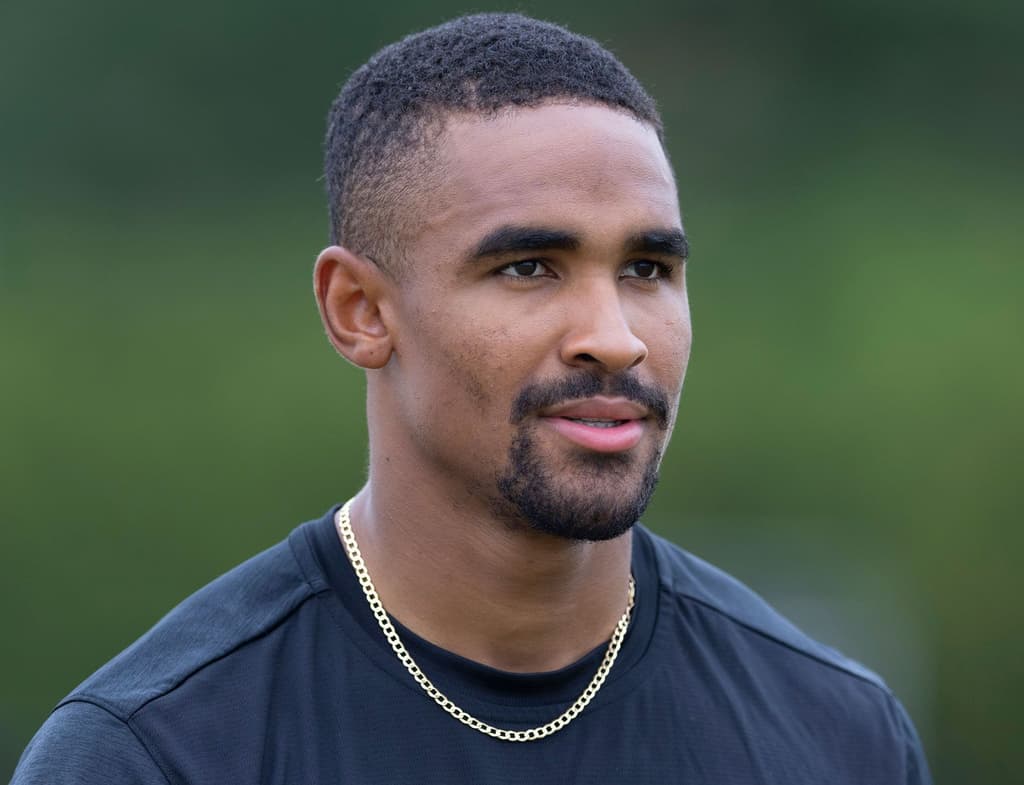
NFL Competition Committee co-chairman Rich McKay confirmed last week that no proposal to ban the Tush Push—a short-yardage quarterback sneak popularized by the Philadelphia Eagles—will be discussed at the 2026 league owners meetings, driving the 92.7% implied probability for "No." Defenses adapted effectively during the 2025 season, lowering the play's usage and success rates league-wide and diminishing safety concerns that fueled prior debates. A 2025 proposal fell short at 22-10 votes, needing 24 for passage, and with minimal pushback now, traders reflect the wisdom of crowds in pricing low risk of reversal absent new data from training camps or preseason.
Resumen experimental generado por IA con datos de Polymarket · ActualizadoSí
NUEVO
NUEVO
10 sep 2026
Sí
NUEVO
NUEVO
10 sep 2026
This market will resolve to "Yes" if the NFL officially announces a rule change that prohibits, limits, or penalizes the “tush push” from being used in the 2026 season before the start of the first regular season game of the 2026 NFL season. Otherwise this market will resolve to “No”.
The “tush push” refers to a football play in which an offensive player or multiple offensive players line up directly behind the quarterback and push the quarterback forward immediately after the snap. A qualifying rule change must affect the use of this play. Partial bans, such as rules that ban pushing the quarterback only in certain situations (e.g. on quarterback sneaks), restrict who can push the quarterback, or impose penalties that specifically target the “tush push” formation or execution, will qualify.
The market will resolve based on the first official announcement from the NFL. If the league announces that the tush push will not be banned for the 2026 NFL season, this market will resolve to “No”.
Announcements of future rule changes affecting the use of the "tush push" which don't apply to the 2026 NFL season will not qualify.
The resolution source for this market will be official NFL announcements however a consensus of credible reporting may also be used. NFL Competition Committee co-chairman Rich McKay confirmed last week that no proposal to ban the Tush Push—a short-yardage quarterback sneak popularized by the Philadelphia Eagles—will be discussed at the 2026 league owners meetings, driving the 92.7% implied probability for "No." Defenses adapted effectively during the 2025 season, lowering the play's usage and success rates league-wide and diminishing safety concerns that fueled prior debates. A 2025 proposal fell short at 22-10 votes, needing 24 for passage, and with minimal pushback now, traders reflect the wisdom of crowds in pricing low risk of reversal absent new data from training camps or preseason.
This market will resolve to "Yes" if the NFL officially announces a rule change that prohibits, limits, or penalizes the “tush push” from being used in the 2026 season before the start of the first regular season game of the 2026 NFL season. Otherwise this market will resolve to “No”.
The “tush push” refers to a football play in which an offensive player or multiple offensive players line up directly behind the quarterback and push the quarterback forward immediately after the snap. A qualifying rule change must affect the use of this play. Partial bans, such as rules that ban pushing the quarterback only in certain situations (e.g. on quarterback sneaks), restrict who can push the quarterback, or impose penalties that specifically target the “tush push” formation or execution, will qualify.
The market will resolve based on the first official announcement from the NFL. If the league announces that the tush push will not be banned for the 2026 NFL season, this market will resolve to “No”.
Announcements of future rule changes affecting the use of the "tush push" which don't apply to the 2026 NFL season will not qualify.
The resolution source for this market will be official NFL announcements however a consensus of credible reporting may also be used.
The “tush push” refers to a football play in which an offensive player or multiple offensive players line up directly behind the quarterback and push the quarterback forward immediately after the snap. A qualifying rule change must affect the use of this play. Partial bans, such as rules that ban pushing the quarterback only in certain situations (e.g. on quarterback sneaks), restrict who can push the quarterback, or impose penalties that specifically target the “tush push” formation or execution, will qualify.
The market will resolve based on the first official announcement from the NFL. If the league announces that the tush push will not be banned for the 2026 NFL season, this market will resolve to “No”.
Announcements of future rule changes affecting the use of the "tush push" which don't apply to the 2026 NFL season will not qualify.
The resolution source for this market will be official NFL announcements however a consensus of credible reporting may also be used.
Mercado abierto: Nov 21, 2025, 8:09 PM ET
Volumen
$0Fecha de finalización
10 sep 2026Mercado abierto
Nov 21, 2025, 8:09 PM ETResolver
0x65070BE91...This market will resolve to "Yes" if the NFL officially announces a rule change that prohibits, limits, or penalizes the “tush push” from being used in the 2026 season before the start of the first regular season game of the 2026 NFL season. Otherwise this market will resolve to “No”.
The “tush push” refers to a football play in which an offensive player or multiple offensive players line up directly behind the quarterback and push the quarterback forward immediately after the snap. A qualifying rule change must affect the use of this play. Partial bans, such as rules that ban pushing the quarterback only in certain situations (e.g. on quarterback sneaks), restrict who can push the quarterback, or impose penalties that specifically target the “tush push” formation or execution, will qualify.
The market will resolve based on the first official announcement from the NFL. If the league announces that the tush push will not be banned for the 2026 NFL season, this market will resolve to “No”.
Announcements of future rule changes affecting the use of the "tush push" which don't apply to the 2026 NFL season will not qualify.
The resolution source for this market will be official NFL announcements however a consensus of credible reporting may also be used. NFL Competition Committee co-chairman Rich McKay confirmed last week that no proposal to ban the Tush Push—a short-yardage quarterback sneak popularized by the Philadelphia Eagles—will be discussed at the 2026 league owners meetings, driving the 92.7% implied probability for "No." Defenses adapted effectively during the 2025 season, lowering the play's usage and success rates league-wide and diminishing safety concerns that fueled prior debates. A 2025 proposal fell short at 22-10 votes, needing 24 for passage, and with minimal pushback now, traders reflect the wisdom of crowds in pricing low risk of reversal absent new data from training camps or preseason.
This market will resolve to "Yes" if the NFL officially announces a rule change that prohibits, limits, or penalizes the “tush push” from being used in the 2026 season before the start of the first regular season game of the 2026 NFL season. Otherwise this market will resolve to “No”.
The “tush push” refers to a football play in which an offensive player or multiple offensive players line up directly behind the quarterback and push the quarterback forward immediately after the snap. A qualifying rule change must affect the use of this play. Partial bans, such as rules that ban pushing the quarterback only in certain situations (e.g. on quarterback sneaks), restrict who can push the quarterback, or impose penalties that specifically target the “tush push” formation or execution, will qualify.
The market will resolve based on the first official announcement from the NFL. If the league announces that the tush push will not be banned for the 2026 NFL season, this market will resolve to “No”.
Announcements of future rule changes affecting the use of the "tush push" which don't apply to the 2026 NFL season will not qualify.
The resolution source for this market will be official NFL announcements however a consensus of credible reporting may also be used.
The “tush push” refers to a football play in which an offensive player or multiple offensive players line up directly behind the quarterback and push the quarterback forward immediately after the snap. A qualifying rule change must affect the use of this play. Partial bans, such as rules that ban pushing the quarterback only in certain situations (e.g. on quarterback sneaks), restrict who can push the quarterback, or impose penalties that specifically target the “tush push” formation or execution, will qualify.
The market will resolve based on the first official announcement from the NFL. If the league announces that the tush push will not be banned for the 2026 NFL season, this market will resolve to “No”.
Announcements of future rule changes affecting the use of the "tush push" which don't apply to the 2026 NFL season will not qualify.
The resolution source for this market will be official NFL announcements however a consensus of credible reporting may also be used.
Volumen
$0Fecha de finalización
10 sep 2026Mercado abierto
Nov 21, 2025, 8:09 PM ETResolver
0x65070BE91...NFL Competition Committee co-chairman Rich McKay confirmed last week that no proposal to ban the Tush Push—a short-yardage quarterback sneak popularized by the Philadelphia Eagles—will be discussed at the 2026 league owners meetings, driving the 92.7% implied probability for "No." Defenses adapted effectively during the 2025 season, lowering the play's usage and success rates league-wide and diminishing safety concerns that fueled prior debates. A 2025 proposal fell short at 22-10 votes, needing 24 for passage, and with minimal pushback now, traders reflect the wisdom of crowds in pricing low risk of reversal absent new data from training camps or preseason.
Resumen experimental generado por IA con datos de Polymarket · Actualizado
Cuidado con los enlaces externos.
Cuidado con los enlaces externos.
Preguntas frecuentes