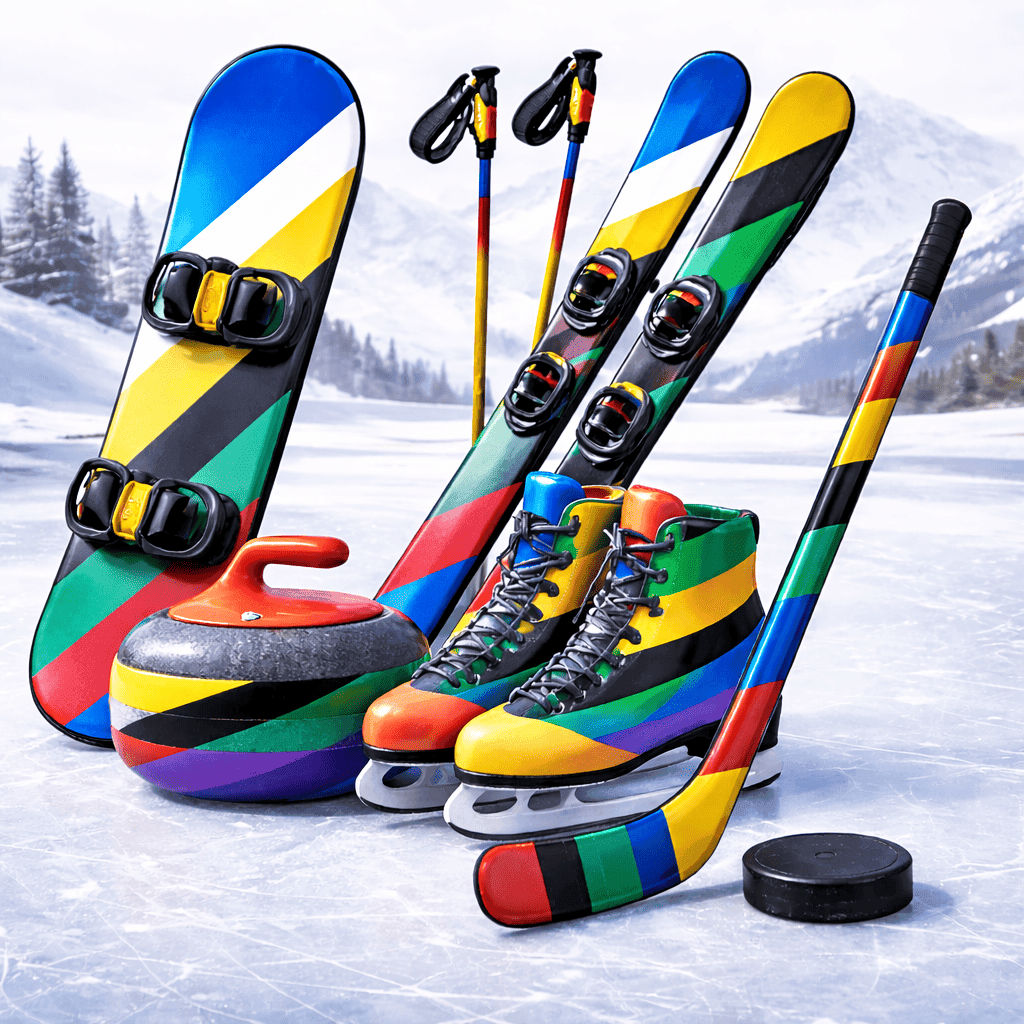
Winterspiele 2026: 3. Meiste Medaillen
Winterspiele 2026: 3. Meiste Medaillen
Italien 100.0%
Kanada <1%
Österreich <1%
China <1%
$243,129 Vol.
$243,129 Vol.
Feb 22, 2026

Kanada
Nein

Österreich
Nein
China
Nein
Deutschland
Nein

Frankreich
Nein

Italien
Ja

Niederlande
Nein

Schweden
Nein
Vereinigte Staaten
Nein

Japan
Nein
Norwegen
Nein

Schweiz
Nein
Italien 100.0%
Kanada <1%
Österreich <1%
China <1%
$243,129 Vol.
$243,129 Vol.
Feb 22, 2026
Kanada
$7,724 Vol.
Nein
Österreich
$5,827 Vol.
Nein
China
$4,542 Vol.
Nein
Deutschland
$54,362 Vol.
Nein
Frankreich
$10,809 Vol.
Nein
Italien
$64,945 Vol.
Ja
Niederlande
$11,925 Vol.
Nein
Schweden
$5,433 Vol.
Nein
Vereinigte Staaten
$18,836 Vol.
Nein
Japan
$36,916 Vol.
Nein
Norwegen
$17,201 Vol.
Nein
Schweiz
$4,609 Vol.
Nein
This market will resolve according to the country that wins the third most medals (including gold, silver, and bronze) at the 2026 Milano-Cortina Winter Olympics, scheduled for February 6-22, 2026.
In the case of ties, the ordered list for most medals won will use most gold medals won as a tiebreaker (e.g. If Norway and China tie for most medals won, and Norway wins more gold medals than China, Norway will be ranked first and China will be second). If this also results in a tie, the country whose name comes first in alphabetical order, as listed in this market group, will be ranked higher.
This market will resolve based on the medal figures as they stand after medals are awarded for the final event in the 2026 Milano-Cortina Winter Olympics. Later changes to medal counts will not be considered toward the resolution of this market.
If the 2026 Milano-Cortina Winter Olympics are partially completed and then cancelled or postponed after December 31, 2026, this market will resolve based on the medals awarded in the completed events. If the 2026 Milano-Cortina Winter Olympics are entirely cancelled or postponed after December 31, 2026, this market will resolve to “Other”.
The resolution source will be official information from the International Olympic Committee (https://www.olympics.com/).This market will resolve according to the country that wins the third most medals (including gold, silver, and bronze) at the 2026 Milano-Cortina Winter Olympics, scheduled for February 6-22, 2026.
In the case of ties, the ordered list for most medals won will use most gold medals won as a tiebreaker (e.g. If Norway and China tie for most medals won, and Norway wins more gold medals than China, Norway will be ranked first and China will be second). If this also results in a tie, the country whose name comes first in alphabetical order, as listed in this market group, will be ranked higher.
This market will resolve based on the medal figures as they stand after medals are awarded for the final event in the 2026 Milano-Cortina Winter Olympics. Later changes to medal counts will not be considered toward the resolution of this market.
If the 2026 Milano-Cortina Winter Olympics are partially completed and then cancelled or postponed after December 31, 2026, this market will resolve based on the medals awarded in the completed events. If the 2026 Milano-Cortina Winter Olympics are entirely cancelled or postponed after December 31, 2026, this market will resolve to “Other”.
The resolution source will be official information from the International Olympic Committee (https://www.olympics.com/).This market will resolve according to the country that wins the third most medals (including gold, silver, and bronze) at the 2026 Milano-Cortina Winter Olympics, scheduled for February 6-22, 2026.
In the case of ties, the ordered list for most medals won will use most gold medals won as a tiebreaker (e.g. If Norway and China tie for most medals won, and Norway wins more gold medals than China, Norway will be ranked first and China will be second). If this also results in a tie, the country whose name comes first in alphabetical order, as listed in this market group, will be ranked higher.
This market will resolve based on the medal figures as they stand after medals are awarded for the final event in the 2026 Milano-Cortina Winter Olympics. Later changes to medal counts will not be considered toward the resolution of this market.
If the 2026 Milano-Cortina Winter Olympics are partially completed and then cancelled or postponed after December 31, 2026, this market will resolve based on the medals awarded in the completed events. If the 2026 Milano-Cortina Winter Olympics are entirely cancelled or postponed after December 31, 2026, this market will resolve to “Other”.
The resolution source will be official information from the International Olympic Committee (https://www.olympics.com/).This market will resolve according to the country that wins the third most medals (including gold, silver, and bronze) at the 2026 Milano-Cortina Winter Olympics, scheduled for February 6-22, 2026.
In the case of ties, the ordered list for most medals won will use most gold medals won as a tiebreaker (e.g. If Norway and China tie for most medals won, and Norway wins more gold medals than China, Norway will be ranked first and China will be second). If this also results in a tie, the country whose name comes first in alphabetical order, as listed in this market group, will be ranked higher.
This market will resolve based on the medal figures as they stand after medals are awarded for the final event in the 2026 Milano-Cortina Winter Olympics. Later changes to medal counts will not be considered toward the resolution of this market.
If the 2026 Milano-Cortina Winter Olympics are partially completed and then cancelled or postponed after December 31, 2026, this market will resolve based on the medals awarded in the completed events. If the 2026 Milano-Cortina Winter Olympics are entirely cancelled or postponed after December 31, 2026, this market will resolve to “Other”.
The resolution source will be official information from the International Olympic Committee (https://www.olympics.com/).This market will resolve according to the country that wins the third most medals (including gold, silver, and bronze) at the 2026 Milano-Cortina Winter Olympics, scheduled for February 6-22, 2026.
In the case of ties, the ordered list for most medals won will use most gold medals won as a tiebreaker (e.g. If Norway and China tie for most medals won, and Norway wins more gold medals than China, Norway will be ranked first and China will be second). If this also results in a tie, the country whose name comes first in alphabetical order, as listed in this market group, will be ranked higher.
This market will resolve based on the medal figures as they stand after medals are awarded for the final event in the 2026 Milano-Cortina Winter Olympics. Later changes to medal counts will not be considered toward the resolution of this market.
If the 2026 Milano-Cortina Winter Olympics are partially completed and then cancelled or postponed after December 31, 2026, this market will resolve based on the medals awarded in the completed events. If the 2026 Milano-Cortina Winter Olympics are entirely cancelled or postponed after December 31, 2026, this market will resolve to “Other”.
The resolution source will be official information from the International Olympic Committee (https://www.olympics.com/).This market will resolve according to the country that wins the third most medals (including gold, silver, and bronze) at the 2026 Milano-Cortina Winter Olympics, scheduled for February 6-22, 2026.
In the case of ties, the ordered list for most medals won will use most gold medals won as a tiebreaker (e.g. If Norway and China tie for most medals won, and Norway wins more gold medals than China, Norway will be ranked first and China will be second). If this also results in a tie, the country whose name comes first in alphabetical order, as listed in this market group, will be ranked higher.
This market will resolve based on the medal figures as they stand after medals are awarded for the final event in the 2026 Milano-Cortina Winter Olympics. Later changes to medal counts will not be considered toward the resolution of this market.
If the 2026 Milano-Cortina Winter Olympics are partially completed and then cancelled or postponed after December 31, 2026, this market will resolve based on the medals awarded in the completed events. If the 2026 Milano-Cortina Winter Olympics are entirely cancelled or postponed after December 31, 2026, this market will resolve to “Other”.
The resolution source will be official information from the International Olympic Committee (https://www.olympics.com/).This market will resolve according to the country that wins the third most medals (including gold, silver, and bronze) at the 2026 Milano-Cortina Winter Olympics, scheduled for February 6-22, 2026.
In the case of ties, the ordered list for most medals won will use most gold medals won as a tiebreaker (e.g. If Norway and China tie for most medals won, and Norway wins more gold medals than China, Norway will be ranked first and China will be second). If this also results in a tie, the country whose name comes first in alphabetical order, as listed in this market group, will be ranked higher.
This market will resolve based on the medal figures as they stand after medals are awarded for the final event in the 2026 Milano-Cortina Winter Olympics. Later changes to medal counts will not be considered toward the resolution of this market.
If the 2026 Milano-Cortina Winter Olympics are partially completed and then cancelled or postponed after December 31, 2026, this market will resolve based on the medals awarded in the completed events. If the 2026 Milano-Cortina Winter Olympics are entirely cancelled or postponed after December 31, 2026, this market will resolve to “Other”.
The resolution source will be official information from the International Olympic Committee (https://www.olympics.com/).This market will resolve according to the country that wins the third most medals (including gold, silver, and bronze) at the 2026 Milano-Cortina Winter Olympics, scheduled for February 6-22, 2026.
In the case of ties, the ordered list for most medals won will use most gold medals won as a tiebreaker (e.g. If Norway and China tie for most medals won, and Norway wins more gold medals than China, Norway will be ranked first and China will be second). If this also results in a tie, the country whose name comes first in alphabetical order, as listed in this market group, will be ranked higher.
This market will resolve based on the medal figures as they stand after medals are awarded for the final event in the 2026 Milano-Cortina Winter Olympics. Later changes to medal counts will not be considered toward the resolution of this market.
If the 2026 Milano-Cortina Winter Olympics are partially completed and then cancelled or postponed after December 31, 2026, this market will resolve based on the medals awarded in the completed events. If the 2026 Milano-Cortina Winter Olympics are entirely cancelled or postponed after December 31, 2026, this market will resolve to “Other”.
The resolution source will be official information from the International Olympic Committee (https://www.olympics.com/).This market will resolve according to the country that wins the third most medals (including gold, silver, and bronze) at the 2026 Milano-Cortina Winter Olympics, scheduled for February 6-22, 2026.
In the case of ties, the ordered list for most medals won will use most gold medals won as a tiebreaker (e.g. If Norway and China tie for most medals won, and Norway wins more gold medals than China, Norway will be ranked first and China will be second). If this also results in a tie, the country whose name comes first in alphabetical order, as listed in this market group, will be ranked higher.
This market will resolve based on the medal figures as they stand after medals are awarded for the final event in the 2026 Milano-Cortina Winter Olympics. Later changes to medal counts will not be considered toward the resolution of this market.
If the 2026 Milano-Cortina Winter Olympics are partially completed and then cancelled or postponed after December 31, 2026, this market will resolve based on the medals awarded in the completed events. If the 2026 Milano-Cortina Winter Olympics are entirely cancelled or postponed after December 31, 2026, this market will resolve to “Other”.
The resolution source will be official information from the International Olympic Committee (https://www.olympics.com/).This market will resolve according to the country that wins the third most medals (including gold, silver, and bronze) at the 2026 Milano-Cortina Winter Olympics, scheduled for February 6-22, 2026.
In the case of ties, the ordered list for most medals won will use most gold medals won as a tiebreaker (e.g. If Norway and China tie for most medals won, and Norway wins more gold medals than China, Norway will be ranked first and China will be second). If this also results in a tie, the country whose name comes first in alphabetical order, as listed in this market group, will be ranked higher.
This market will resolve based on the medal figures as they stand after medals are awarded for the final event in the 2026 Milano-Cortina Winter Olympics. Later changes to medal counts will not be considered toward the resolution of this market.
If the 2026 Milano-Cortina Winter Olympics are partially completed and then cancelled or postponed after December 31, 2026, this market will resolve based on the medals awarded in the completed events. If the 2026 Milano-Cortina Winter Olympics are entirely cancelled or postponed after December 31, 2026, this market will resolve to “Other”.
The resolution source will be official information from the International Olympic Committee (https://www.olympics.com/).This market will resolve according to the country that wins the third most medals (including gold, silver, and bronze) at the 2026 Milano-Cortina Winter Olympics, scheduled for February 6-22, 2026.
In the case of ties, the ordered list for most medals won will use most gold medals won as a tiebreaker (e.g. If Norway and China tie for most medals won, and Norway wins more gold medals than China, Norway will be ranked first and China will be second). If this also results in a tie, the country whose name comes first in alphabetical order, as listed in this market group, will be ranked higher.
This market will resolve based on the medal figures as they stand after medals are awarded for the final event in the 2026 Milano-Cortina Winter Olympics. Later changes to medal counts will not be considered toward the resolution of this market.
If the 2026 Milano-Cortina Winter Olympics are partially completed and then cancelled or postponed after December 31, 2026, this market will resolve based on the medals awarded in the completed events. If the 2026 Milano-Cortina Winter Olympics are entirely cancelled or postponed after December 31, 2026, this market will resolve to “Other”.
The resolution source will be official information from the International Olympic Committee (https://www.olympics.com/).This market will resolve according to the country that wins the third most medals (including gold, silver, and bronze) at the 2026 Milano-Cortina Winter Olympics, scheduled for February 6-22, 2026.
In the case of ties, the ordered list for most medals won will use most gold medals won as a tiebreaker (e.g. If Norway and China tie for most medals won, and Norway wins more gold medals than China, Norway will be ranked first and China will be second). If this also results in a tie, the country whose name comes first in alphabetical order, as listed in this market group, will be ranked higher.
This market will resolve based on the medal figures as they stand after medals are awarded for the final event in the 2026 Milano-Cortina Winter Olympics. Later changes to medal counts will not be considered toward the resolution of this market.
If the 2026 Milano-Cortina Winter Olympics are partially completed and then cancelled or postponed after December 31, 2026, this market will resolve based on the medals awarded in the completed events. If the 2026 Milano-Cortina Winter Olympics are entirely cancelled or postponed after December 31, 2026, this market will resolve to “Other”.
The resolution source will be official information from the International Olympic Committee (https://www.olympics.com/).
This market will resolve according to the country that wins the third most medals (including gold, silver, and bronze) at the 2026 Milano-Cortina Winter Olympics, scheduled for February 6-22, 2026.
In the case of ties, the ordered list for most medals won will use most gold medals won as a tiebreaker (e.g. If Norway and China tie for most medals won, and Norway wins more gold medals than China, Norway will be ranked first and China will be second). If this also results in a tie, the country whose name comes first in alphabetical order, as listed in this market group, will be ranked higher.
This market will resolve based on the medal figures as they stand after medals are awarded for the final event in the 2026 Milano-Cortina Winter Olympics. Later changes to medal counts will not be considered toward the resolution of this market.
If the 2026 Milano-Cortina Winter Olympics are partially completed and then cancelled or postponed after December 31, 2026, this market will resolve based on the medals awarded in the completed events. If the 2026 Milano-Cortina Winter Olympics are entirely cancelled or postponed after December 31, 2026, this market will resolve to “Other”.
The resolution source will be official information from the International Olympic Committee (https://www.olympics.com/).This market will resolve according to the country that wins the third most medals (including gold, silver, and bronze) at the 2026 Milano-Cortina Winter Olympics, scheduled for February 6-22, 2026.
In the case of ties, the ordered list for most medals won will use most gold medals won as a tiebreaker (e.g. If Norway and China tie for most medals won, and Norway wins more gold medals than China, Norway will be ranked first and China will be second). If this also results in a tie, the country whose name comes first in alphabetical order, as listed in this market group, will be ranked higher.
This market will resolve based on the medal figures as they stand after medals are awarded for the final event in the 2026 Milano-Cortina Winter Olympics. Later changes to medal counts will not be considered toward the resolution of this market.
If the 2026 Milano-Cortina Winter Olympics are partially completed and then cancelled or postponed after December 31, 2026, this market will resolve based on the medals awarded in the completed events. If the 2026 Milano-Cortina Winter Olympics are entirely cancelled or postponed after December 31, 2026, this market will resolve to “Other”.
The resolution source will be official information from the International Olympic Committee (https://www.olympics.com/).
In the case of ties, the ordered list for most medals won will use most gold medals won as a tiebreaker (e.g. If Norway and China tie for most medals won, and Norway wins more gold medals than China, Norway will be ranked first and China will be second). If this also results in a tie, the country whose name comes first in alphabetical order, as listed in this market group, will be ranked higher.
This market will resolve based on the medal figures as they stand after medals are awarded for the final event in the 2026 Milano-Cortina Winter Olympics. Later changes to medal counts will not be considered toward the resolution of this market.
If the 2026 Milano-Cortina Winter Olympics are partially completed and then cancelled or postponed after December 31, 2026, this market will resolve based on the medals awarded in the completed events. If the 2026 Milano-Cortina Winter Olympics are entirely cancelled or postponed after December 31, 2026, this market will resolve to “Other”.
The resolution source will be official information from the International Olympic Committee (https://www.olympics.com/).
Markt eröffnet: Dec 9, 2025, 2:29 PM ET
Volumen
$243,129Enddatum
Feb 22, 2026Markt eröffnet
Dec 9, 2025, 2:29 PM ETResolver
0x2F5e3684c...Vorgeschlagenes Ergebnis: Nein
Kein Einspruch
Endgültiges Ergebnis: Nein
This market will resolve according to the country that wins the third most medals (including gold, silver, and bronze) at the 2026 Milano-Cortina Winter Olympics, scheduled for February 6-22, 2026.
In the case of ties, the ordered list for most medals won will use most gold medals won as a tiebreaker (e.g. If Norway and China tie for most medals won, and Norway wins more gold medals than China, Norway will be ranked first and China will be second). If this also results in a tie, the country whose name comes first in alphabetical order, as listed in this market group, will be ranked higher.
This market will resolve based on the medal figures as they stand after medals are awarded for the final event in the 2026 Milano-Cortina Winter Olympics. Later changes to medal counts will not be considered toward the resolution of this market.
If the 2026 Milano-Cortina Winter Olympics are partially completed and then cancelled or postponed after December 31, 2026, this market will resolve based on the medals awarded in the completed events. If the 2026 Milano-Cortina Winter Olympics are entirely cancelled or postponed after December 31, 2026, this market will resolve to “Other”.
The resolution source will be official information from the International Olympic Committee (https://www.olympics.com/).This market will resolve according to the country that wins the third most medals (including gold, silver, and bronze) at the 2026 Milano-Cortina Winter Olympics, scheduled for February 6-22, 2026.
In the case of ties, the ordered list for most medals won will use most gold medals won as a tiebreaker (e.g. If Norway and China tie for most medals won, and Norway wins more gold medals than China, Norway will be ranked first and China will be second). If this also results in a tie, the country whose name comes first in alphabetical order, as listed in this market group, will be ranked higher.
This market will resolve based on the medal figures as they stand after medals are awarded for the final event in the 2026 Milano-Cortina Winter Olympics. Later changes to medal counts will not be considered toward the resolution of this market.
If the 2026 Milano-Cortina Winter Olympics are partially completed and then cancelled or postponed after December 31, 2026, this market will resolve based on the medals awarded in the completed events. If the 2026 Milano-Cortina Winter Olympics are entirely cancelled or postponed after December 31, 2026, this market will resolve to “Other”.
The resolution source will be official information from the International Olympic Committee (https://www.olympics.com/).This market will resolve according to the country that wins the third most medals (including gold, silver, and bronze) at the 2026 Milano-Cortina Winter Olympics, scheduled for February 6-22, 2026.
In the case of ties, the ordered list for most medals won will use most gold medals won as a tiebreaker (e.g. If Norway and China tie for most medals won, and Norway wins more gold medals than China, Norway will be ranked first and China will be second). If this also results in a tie, the country whose name comes first in alphabetical order, as listed in this market group, will be ranked higher.
This market will resolve based on the medal figures as they stand after medals are awarded for the final event in the 2026 Milano-Cortina Winter Olympics. Later changes to medal counts will not be considered toward the resolution of this market.
If the 2026 Milano-Cortina Winter Olympics are partially completed and then cancelled or postponed after December 31, 2026, this market will resolve based on the medals awarded in the completed events. If the 2026 Milano-Cortina Winter Olympics are entirely cancelled or postponed after December 31, 2026, this market will resolve to “Other”.
The resolution source will be official information from the International Olympic Committee (https://www.olympics.com/).This market will resolve according to the country that wins the third most medals (including gold, silver, and bronze) at the 2026 Milano-Cortina Winter Olympics, scheduled for February 6-22, 2026.
In the case of ties, the ordered list for most medals won will use most gold medals won as a tiebreaker (e.g. If Norway and China tie for most medals won, and Norway wins more gold medals than China, Norway will be ranked first and China will be second). If this also results in a tie, the country whose name comes first in alphabetical order, as listed in this market group, will be ranked higher.
This market will resolve based on the medal figures as they stand after medals are awarded for the final event in the 2026 Milano-Cortina Winter Olympics. Later changes to medal counts will not be considered toward the resolution of this market.
If the 2026 Milano-Cortina Winter Olympics are partially completed and then cancelled or postponed after December 31, 2026, this market will resolve based on the medals awarded in the completed events. If the 2026 Milano-Cortina Winter Olympics are entirely cancelled or postponed after December 31, 2026, this market will resolve to “Other”.
The resolution source will be official information from the International Olympic Committee (https://www.olympics.com/).This market will resolve according to the country that wins the third most medals (including gold, silver, and bronze) at the 2026 Milano-Cortina Winter Olympics, scheduled for February 6-22, 2026.
In the case of ties, the ordered list for most medals won will use most gold medals won as a tiebreaker (e.g. If Norway and China tie for most medals won, and Norway wins more gold medals than China, Norway will be ranked first and China will be second). If this also results in a tie, the country whose name comes first in alphabetical order, as listed in this market group, will be ranked higher.
This market will resolve based on the medal figures as they stand after medals are awarded for the final event in the 2026 Milano-Cortina Winter Olympics. Later changes to medal counts will not be considered toward the resolution of this market.
If the 2026 Milano-Cortina Winter Olympics are partially completed and then cancelled or postponed after December 31, 2026, this market will resolve based on the medals awarded in the completed events. If the 2026 Milano-Cortina Winter Olympics are entirely cancelled or postponed after December 31, 2026, this market will resolve to “Other”.
The resolution source will be official information from the International Olympic Committee (https://www.olympics.com/).This market will resolve according to the country that wins the third most medals (including gold, silver, and bronze) at the 2026 Milano-Cortina Winter Olympics, scheduled for February 6-22, 2026.
In the case of ties, the ordered list for most medals won will use most gold medals won as a tiebreaker (e.g. If Norway and China tie for most medals won, and Norway wins more gold medals than China, Norway will be ranked first and China will be second). If this also results in a tie, the country whose name comes first in alphabetical order, as listed in this market group, will be ranked higher.
This market will resolve based on the medal figures as they stand after medals are awarded for the final event in the 2026 Milano-Cortina Winter Olympics. Later changes to medal counts will not be considered toward the resolution of this market.
If the 2026 Milano-Cortina Winter Olympics are partially completed and then cancelled or postponed after December 31, 2026, this market will resolve based on the medals awarded in the completed events. If the 2026 Milano-Cortina Winter Olympics are entirely cancelled or postponed after December 31, 2026, this market will resolve to “Other”.
The resolution source will be official information from the International Olympic Committee (https://www.olympics.com/).This market will resolve according to the country that wins the third most medals (including gold, silver, and bronze) at the 2026 Milano-Cortina Winter Olympics, scheduled for February 6-22, 2026.
In the case of ties, the ordered list for most medals won will use most gold medals won as a tiebreaker (e.g. If Norway and China tie for most medals won, and Norway wins more gold medals than China, Norway will be ranked first and China will be second). If this also results in a tie, the country whose name comes first in alphabetical order, as listed in this market group, will be ranked higher.
This market will resolve based on the medal figures as they stand after medals are awarded for the final event in the 2026 Milano-Cortina Winter Olympics. Later changes to medal counts will not be considered toward the resolution of this market.
If the 2026 Milano-Cortina Winter Olympics are partially completed and then cancelled or postponed after December 31, 2026, this market will resolve based on the medals awarded in the completed events. If the 2026 Milano-Cortina Winter Olympics are entirely cancelled or postponed after December 31, 2026, this market will resolve to “Other”.
The resolution source will be official information from the International Olympic Committee (https://www.olympics.com/).This market will resolve according to the country that wins the third most medals (including gold, silver, and bronze) at the 2026 Milano-Cortina Winter Olympics, scheduled for February 6-22, 2026.
In the case of ties, the ordered list for most medals won will use most gold medals won as a tiebreaker (e.g. If Norway and China tie for most medals won, and Norway wins more gold medals than China, Norway will be ranked first and China will be second). If this also results in a tie, the country whose name comes first in alphabetical order, as listed in this market group, will be ranked higher.
This market will resolve based on the medal figures as they stand after medals are awarded for the final event in the 2026 Milano-Cortina Winter Olympics. Later changes to medal counts will not be considered toward the resolution of this market.
If the 2026 Milano-Cortina Winter Olympics are partially completed and then cancelled or postponed after December 31, 2026, this market will resolve based on the medals awarded in the completed events. If the 2026 Milano-Cortina Winter Olympics are entirely cancelled or postponed after December 31, 2026, this market will resolve to “Other”.
The resolution source will be official information from the International Olympic Committee (https://www.olympics.com/).This market will resolve according to the country that wins the third most medals (including gold, silver, and bronze) at the 2026 Milano-Cortina Winter Olympics, scheduled for February 6-22, 2026.
In the case of ties, the ordered list for most medals won will use most gold medals won as a tiebreaker (e.g. If Norway and China tie for most medals won, and Norway wins more gold medals than China, Norway will be ranked first and China will be second). If this also results in a tie, the country whose name comes first in alphabetical order, as listed in this market group, will be ranked higher.
This market will resolve based on the medal figures as they stand after medals are awarded for the final event in the 2026 Milano-Cortina Winter Olympics. Later changes to medal counts will not be considered toward the resolution of this market.
If the 2026 Milano-Cortina Winter Olympics are partially completed and then cancelled or postponed after December 31, 2026, this market will resolve based on the medals awarded in the completed events. If the 2026 Milano-Cortina Winter Olympics are entirely cancelled or postponed after December 31, 2026, this market will resolve to “Other”.
The resolution source will be official information from the International Olympic Committee (https://www.olympics.com/).This market will resolve according to the country that wins the third most medals (including gold, silver, and bronze) at the 2026 Milano-Cortina Winter Olympics, scheduled for February 6-22, 2026.
In the case of ties, the ordered list for most medals won will use most gold medals won as a tiebreaker (e.g. If Norway and China tie for most medals won, and Norway wins more gold medals than China, Norway will be ranked first and China will be second). If this also results in a tie, the country whose name comes first in alphabetical order, as listed in this market group, will be ranked higher.
This market will resolve based on the medal figures as they stand after medals are awarded for the final event in the 2026 Milano-Cortina Winter Olympics. Later changes to medal counts will not be considered toward the resolution of this market.
If the 2026 Milano-Cortina Winter Olympics are partially completed and then cancelled or postponed after December 31, 2026, this market will resolve based on the medals awarded in the completed events. If the 2026 Milano-Cortina Winter Olympics are entirely cancelled or postponed after December 31, 2026, this market will resolve to “Other”.
The resolution source will be official information from the International Olympic Committee (https://www.olympics.com/).This market will resolve according to the country that wins the third most medals (including gold, silver, and bronze) at the 2026 Milano-Cortina Winter Olympics, scheduled for February 6-22, 2026.
In the case of ties, the ordered list for most medals won will use most gold medals won as a tiebreaker (e.g. If Norway and China tie for most medals won, and Norway wins more gold medals than China, Norway will be ranked first and China will be second). If this also results in a tie, the country whose name comes first in alphabetical order, as listed in this market group, will be ranked higher.
This market will resolve based on the medal figures as they stand after medals are awarded for the final event in the 2026 Milano-Cortina Winter Olympics. Later changes to medal counts will not be considered toward the resolution of this market.
If the 2026 Milano-Cortina Winter Olympics are partially completed and then cancelled or postponed after December 31, 2026, this market will resolve based on the medals awarded in the completed events. If the 2026 Milano-Cortina Winter Olympics are entirely cancelled or postponed after December 31, 2026, this market will resolve to “Other”.
The resolution source will be official information from the International Olympic Committee (https://www.olympics.com/).This market will resolve according to the country that wins the third most medals (including gold, silver, and bronze) at the 2026 Milano-Cortina Winter Olympics, scheduled for February 6-22, 2026.
In the case of ties, the ordered list for most medals won will use most gold medals won as a tiebreaker (e.g. If Norway and China tie for most medals won, and Norway wins more gold medals than China, Norway will be ranked first and China will be second). If this also results in a tie, the country whose name comes first in alphabetical order, as listed in this market group, will be ranked higher.
This market will resolve based on the medal figures as they stand after medals are awarded for the final event in the 2026 Milano-Cortina Winter Olympics. Later changes to medal counts will not be considered toward the resolution of this market.
If the 2026 Milano-Cortina Winter Olympics are partially completed and then cancelled or postponed after December 31, 2026, this market will resolve based on the medals awarded in the completed events. If the 2026 Milano-Cortina Winter Olympics are entirely cancelled or postponed after December 31, 2026, this market will resolve to “Other”.
The resolution source will be official information from the International Olympic Committee (https://www.olympics.com/).
Vorsicht bei externen Links.
Vorsicht bei externen Links.
Häufig gestellte Fragen