
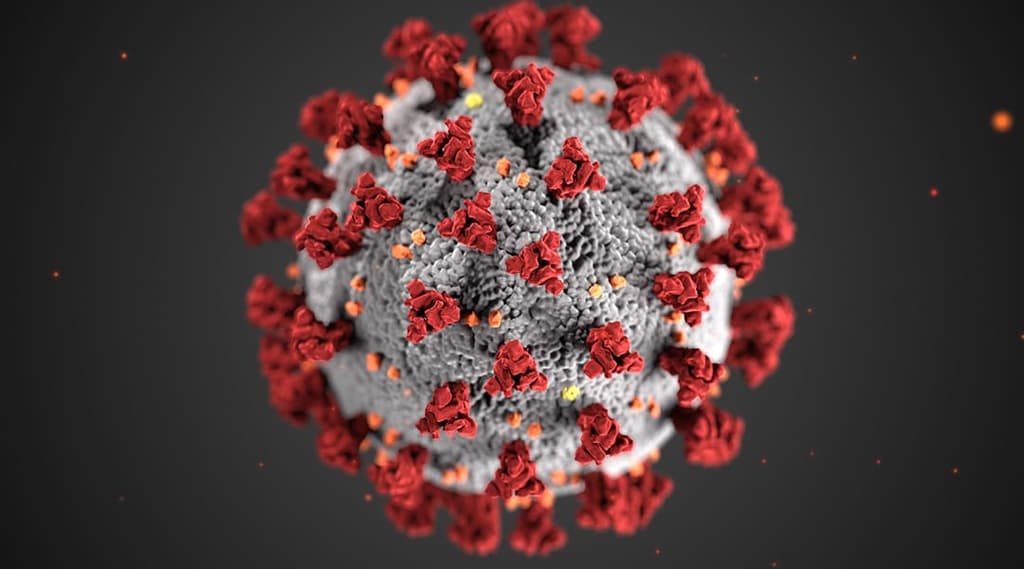
Traders assign an 86.5% implied probability to no new pandemic before 2028 primarily because no pathogen currently demonstrates sustained human-to-human transmission capable of overwhelming health systems globally, according to WHO and CDC assessments. The large Bundibugyo Ebola outbreak in the Democratic Republic of the Congo, exceeding 8,000 cases and 4,000 deaths as of early October 2026, remains regionally contained with low international spread risk despite isolated imported cases. Post-SARS-CoV-2 population immunity has measurably reduced emergence probabilities for related zoonotic coronaviruses, while surveillance data show other threats such as Nipah, H5N1 avian influenza, and hantavirus clusters lack efficient airborne or sustained chains. Forecaster consensus and declining near-term biorisk perceptions in 2026 global reports reinforce that the roughly 14-month window makes a qualifying pandemic-scale event unlikely absent rapid, unexpected viral adaptation.
基于Polymarket数据的AI实验性摘要。这不是交易建议,也不影响该市场的结算方式。 · 更新于View resolved
警惕外部链接哦。
警惕外部链接哦。
常见问题