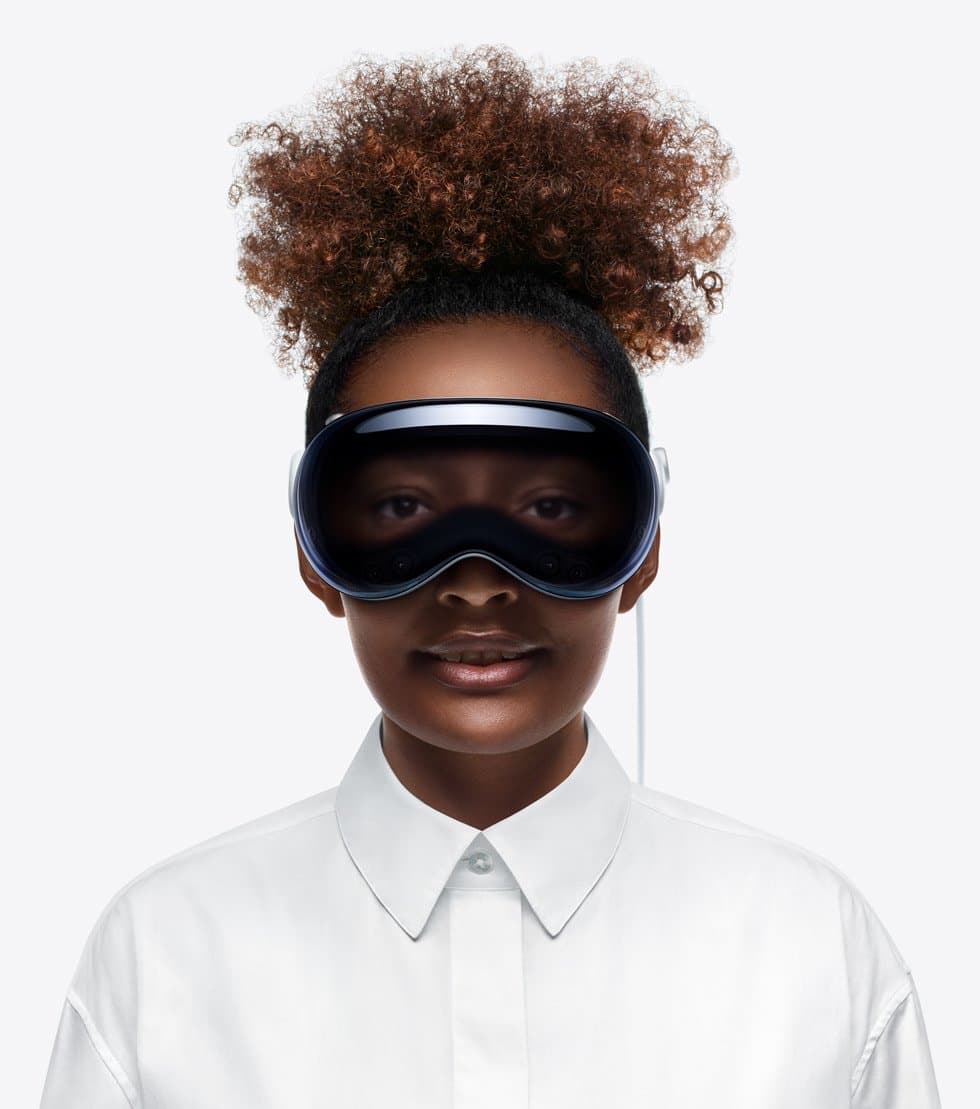
Trader consensus on Polymarket heavily favors "No" at 92.5% implied probability for Apple releasing a Vision Pro 2 mixed reality headset before 2027, driven primarily by the original model's dismal sales—only about 390,000 units shipped since its 2024 launch, with Q4 2025 plummeting to 45,000 amid slashed production and marketing. Apple has pivoted resources toward more affordable smart glasses or a lighter "Vision Air" variant expected in 2027, pausing high-end successor development amid weak adoption of spatial computing. No official announcements or supply chain signals indicate a 2026 launch with anticipated M5 chip upgrades, aligning with historical delays in Apple's XR roadmap. A surprise WWDC reveal or accelerated manufacturing could still shift odds, though barriers like ecosystem maturity remain high.
Eksperymentalne podsumowanie AI odwołujące się do danych Polymarket. To nie jest porada handlowa i nie ma wpływu na rozstrzyganie tego rynku. · ZaktualizowanoApple Vision Pro 2 released before 2027?
Apple Vision Pro 2 released before 2027?
A qualifying product must be named "Apple Vision" and be recognized as a successor to the original Apple Vision Pro product, similar to the relationship between iPhone 14 and iPhone 15. A new Apple Vision product released without a number, under a designation other than Apple Vision Pro 2 will qualify if it retains the original functions of the Apple Vision Pro and expands on them in such a way that it is clear that this product is a successor.
Releases framed as an upgrade or refresh (e.g. the 2025 release of the Apple Vision Pro with an M5 chip) will not qualify as a successor to the original Apple Vision Pro product.
In order to be considered released, the product must be available for purchase by the general public within the specified timeframe. An announcement or unveiling alone is not sufficient.
The primary resolution source for this market will be official statements from Apple. However, a consensus of credible reporting may also be used.
Rynek otwarty: Dec 12, 2025, 5:54 PM ET
Resolver
0x65070BE91...A qualifying product must be named "Apple Vision" and be recognized as a successor to the original Apple Vision Pro product, similar to the relationship between iPhone 14 and iPhone 15. A new Apple Vision product released without a number, under a designation other than Apple Vision Pro 2 will qualify if it retains the original functions of the Apple Vision Pro and expands on them in such a way that it is clear that this product is a successor.
Releases framed as an upgrade or refresh (e.g. the 2025 release of the Apple Vision Pro with an M5 chip) will not qualify as a successor to the original Apple Vision Pro product.
In order to be considered released, the product must be available for purchase by the general public within the specified timeframe. An announcement or unveiling alone is not sufficient.
The primary resolution source for this market will be official statements from Apple. However, a consensus of credible reporting may also be used.
Resolver
0x65070BE91...Trader consensus on Polymarket heavily favors "No" at 92.5% implied probability for Apple releasing a Vision Pro 2 mixed reality headset before 2027, driven primarily by the original model's dismal sales—only about 390,000 units shipped since its 2024 launch, with Q4 2025 plummeting to 45,000 amid slashed production and marketing. Apple has pivoted resources toward more affordable smart glasses or a lighter "Vision Air" variant expected in 2027, pausing high-end successor development amid weak adoption of spatial computing. No official announcements or supply chain signals indicate a 2026 launch with anticipated M5 chip upgrades, aligning with historical delays in Apple's XR roadmap. A surprise WWDC reveal or accelerated manufacturing could still shift odds, though barriers like ecosystem maturity remain high.
Eksperymentalne podsumowanie AI odwołujące się do danych Polymarket. To nie jest porada handlowa i nie ma wpływu na rozstrzyganie tego rynku. · Zaktualizowano
Uważaj na linki zewnętrzne.
Często zadawane pytania