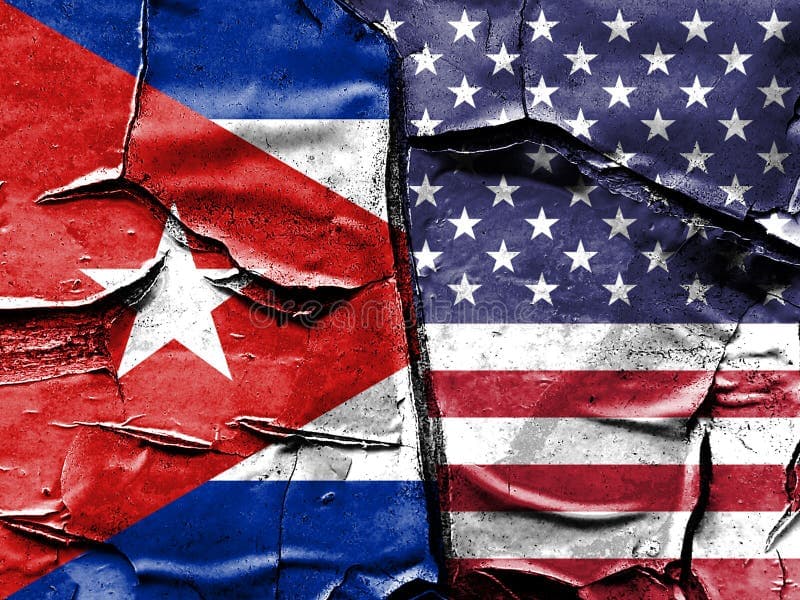
US-Cuba tensions stem from a US oil blockade initiated in January 2026 targeting Venezuelan and other suppliers, plunging the island into nationwide blackouts, shortages, and protests that have deepened the humanitarian crisis. President Trump's March 27 statement at a Miami investment forum—"Cuba is next" amid boasts of recent military successes in Iran—sparked fears of escalation, though White House officials clarified policy remains unchanged and top generals denied invasion preparations. Cuba's deputy foreign minister affirmed military readiness on March 22, but a Russian tanker defying the blockade docked March 31, followed by Havana's April 1 economic cooperation proposal to Washington. Democratic lawmakers introduced legislation April 1 to bar funds for military action, highlighting congressional checks on executive foreign policy amid diplomatic backchannels.
Résumé expérimental généré par IA à partir des données Polymarket · Mis à jourFrappe américaine sur Cuba par… ?
Frappe américaine sur Cuba par… ?
$2,988,293 Vol.
31 mars
<1%
31 décembre
32%
$2,988,293 Vol.
31 mars
<1%
31 décembre
32%
For the purposes of this market, a qualifying "strike" is defined as the use of aerial bombs, drones, or missiles (including FPV and ATGM strikes as well as cruise or ballistic missiles) launched by any United States operatives, including military forces, intelligence agencies, or other U.S. government operatives, that physically impact ground territory within the listed country.
A strike on any area within the terrestrial territory (including rivers, lakes, ports, but excluding territorial sea) of the listed country counts.
Missiles or drones that are intercepted and surface-to-air missile strikes will not be sufficient for a "Yes" resolution, regardless of whether they land territory or cause damage.
Actions such as artillery fire, small arms fire, ground incursions, naval shelling, or cyberattacks will not qualify.
Any strike occurring during this market’s timeframe that is claimed by either Donald Trump or the U.S. government will qualify.
The primary resolution source will be a consensus of credible reporting.
This market will remain open until the end of the second day after the resolution time. If the date/time of a qualifying strike cannot be confirmed by a consensus of credible reporting by that time, it will resolve to "No" regardless of whether a strike was later confirmed to have taken place.
Marché ouvert : Jan 4, 2026, 3:08 PM ET
Resolver
0x65070BE91...For the purposes of this market, a qualifying "strike" is defined as the use of aerial bombs, drones, or missiles (including FPV and ATGM strikes as well as cruise or ballistic missiles) launched by any United States operatives, including military forces, intelligence agencies, or other U.S. government operatives, that physically impact ground territory within the listed country.
A strike on any area within the terrestrial territory (including rivers, lakes, ports, but excluding territorial sea) of the listed country counts.
Missiles or drones that are intercepted and surface-to-air missile strikes will not be sufficient for a "Yes" resolution, regardless of whether they land territory or cause damage.
Actions such as artillery fire, small arms fire, ground incursions, naval shelling, or cyberattacks will not qualify.
Any strike occurring during this market’s timeframe that is claimed by either Donald Trump or the U.S. government will qualify.
The primary resolution source will be a consensus of credible reporting.
This market will remain open until the end of the second day after the resolution time. If the date/time of a qualifying strike cannot be confirmed by a consensus of credible reporting by that time, it will resolve to "No" regardless of whether a strike was later confirmed to have taken place.
Resolver
0x65070BE91...US-Cuba tensions stem from a US oil blockade initiated in January 2026 targeting Venezuelan and other suppliers, plunging the island into nationwide blackouts, shortages, and protests that have deepened the humanitarian crisis. President Trump's March 27 statement at a Miami investment forum—"Cuba is next" amid boasts of recent military successes in Iran—sparked fears of escalation, though White House officials clarified policy remains unchanged and top generals denied invasion preparations. Cuba's deputy foreign minister affirmed military readiness on March 22, but a Russian tanker defying the blockade docked March 31, followed by Havana's April 1 economic cooperation proposal to Washington. Democratic lawmakers introduced legislation April 1 to bar funds for military action, highlighting congressional checks on executive foreign policy amid diplomatic backchannels.
Résumé expérimental généré par IA à partir des données Polymarket · Mis à jour
Méfiez-vous des liens externes.
Questions fréquentes