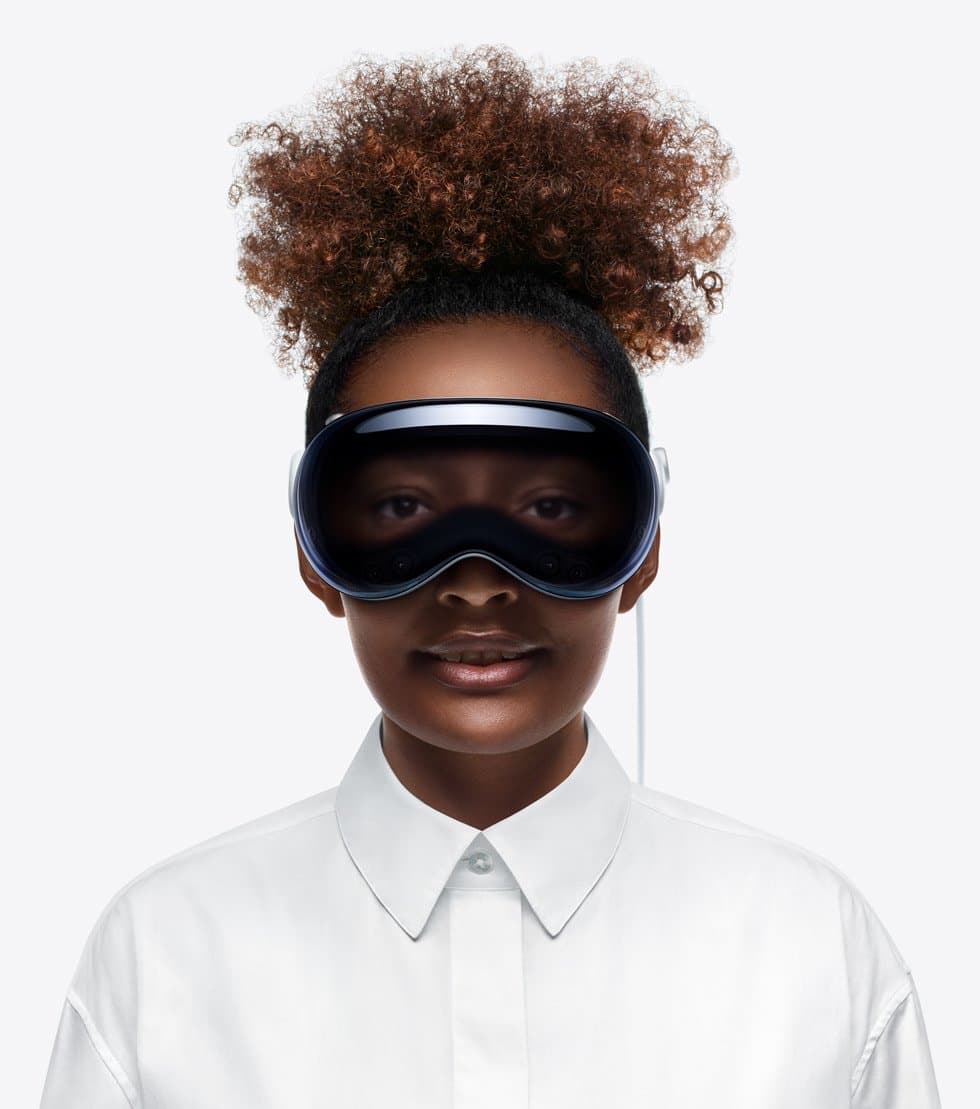
Recent credible reporting from Bloomberg’s Mark Gurman indicates Apple has shifted mixed-reality hardware talent toward lighter AI smart glasses, shelving a full Vision Pro successor and pushing any update to at least 2028. Earlier timelines targeting late 2025 or spring 2026 have passed without announcements or mass production, reinforcing trader consensus around the 93.5% “No” probability for a release before 2027. The current model continues receiving visionOS software updates but no hardware refresh, consistent with Apple’s historically deliberate spatial-computing cadence. A surprise acceleration remains possible if development priorities shift rapidly or a lighter variant qualifies as Vision Pro 2, though supply-chain signals and internal resource allocation make that scenario unlikely before the 2027 threshold.
基于Polymarket数据的AI实验性摘要。这不是交易建议,也不影响该市场的结算方式。 · 更新于是
是
A qualifying product must be named "Apple Vision" and be recognized as a successor to the original Apple Vision Pro product, similar to the relationship between iPhone 14 and iPhone 15. A new Apple Vision product released without a number, under a designation other than Apple Vision Pro 2 will qualify if it retains the original functions of the Apple Vision Pro and expands on them in such a way that it is clear that this product is a successor.
Releases framed as an upgrade or refresh (e.g. the 2025 release of the Apple Vision Pro with an M5 chip) will not qualify as a successor to the original Apple Vision Pro product.
In order to be considered released, the product must be available for purchase by the general public within the specified timeframe. An announcement or unveiling alone is not sufficient.
The primary resolution source for this market will be official statements from Apple. However, a consensus of credible reporting may also be used.
市场开放时间: Dec 12, 2025, 5:54 PM ET
Resolver
0x65070BE91...A qualifying product must be named "Apple Vision" and be recognized as a successor to the original Apple Vision Pro product, similar to the relationship between iPhone 14 and iPhone 15. A new Apple Vision product released without a number, under a designation other than Apple Vision Pro 2 will qualify if it retains the original functions of the Apple Vision Pro and expands on them in such a way that it is clear that this product is a successor.
Releases framed as an upgrade or refresh (e.g. the 2025 release of the Apple Vision Pro with an M5 chip) will not qualify as a successor to the original Apple Vision Pro product.
In order to be considered released, the product must be available for purchase by the general public within the specified timeframe. An announcement or unveiling alone is not sufficient.
The primary resolution source for this market will be official statements from Apple. However, a consensus of credible reporting may also be used.
Resolver
0x65070BE91...Recent credible reporting from Bloomberg’s Mark Gurman indicates Apple has shifted mixed-reality hardware talent toward lighter AI smart glasses, shelving a full Vision Pro successor and pushing any update to at least 2028. Earlier timelines targeting late 2025 or spring 2026 have passed without announcements or mass production, reinforcing trader consensus around the 93.5% “No” probability for a release before 2027. The current model continues receiving visionOS software updates but no hardware refresh, consistent with Apple’s historically deliberate spatial-computing cadence. A surprise acceleration remains possible if development priorities shift rapidly or a lighter variant qualifies as Vision Pro 2, though supply-chain signals and internal resource allocation make that scenario unlikely before the 2027 threshold.
基于Polymarket数据的AI实验性摘要。这不是交易建议,也不影响该市场的结算方式。 · 更新于
警惕外部链接哦。
警惕外部链接哦。
常见问题