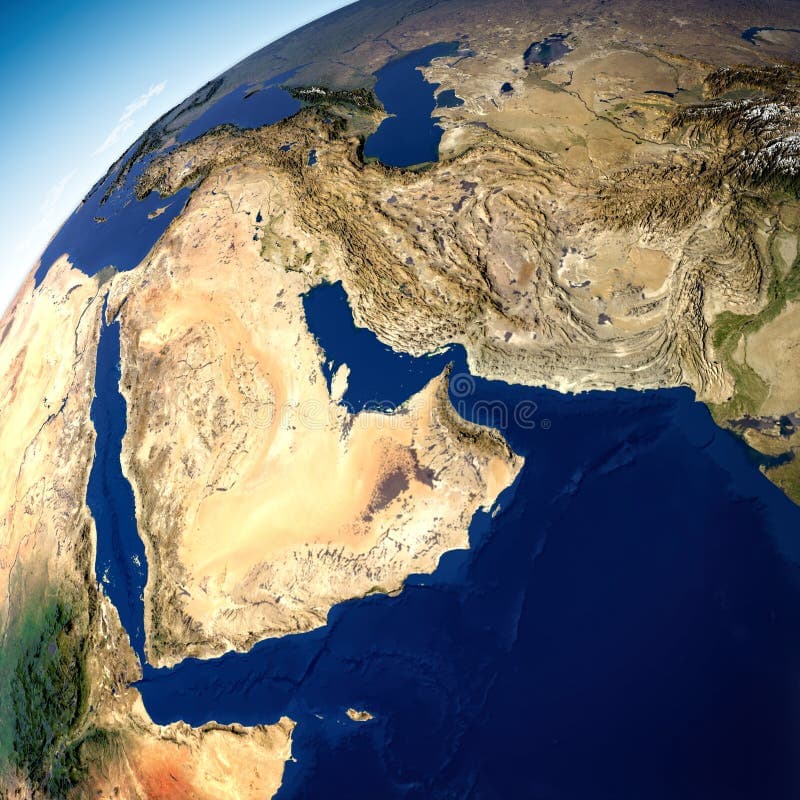
Trader consensus on Polymarket implies just a 5% probability for Gulf State military action against Iran by April 30, driven by the US-Iran ceasefire announced April 8 that paused five weeks of escalation, including Iranian missile and drone strikes on Saudi Arabia, UAE, Bahrain, and Qatar. Gulf leaders shifted from war reluctance to urging Washington to degrade Tehran's military via defensive interceptions and joint statements, but rejected US use of their airspace for offensive strikes, prioritizing sovereignty amid stabilized oil flows through the Strait of Hormuz. Brent crude, after surging 10-13% to $82 per barrel in early March on supply fears, now fluctuates with ceasefire skepticism. Key catalysts include Hormuz transit resumption and any Trump administration deal deadlines.
Polymarket verilerine atıfta bulunan deneysel AI tarafından oluşturulmuş özet. Bu bir işlem tavsiyesi değildir ve bu piyasanın nasıl çözümlendiğinde hiçbir rolü yoktur. · GüncellendiKörfez Devleti'nin İran'a karşı askeri harekatı...?
Körfez Devleti'nin İran'a karşı askeri harekatı...?
$973,711 Hac.
15 Nisan
1%
30 Nisan
6%
$973,711 Hac.
15 Nisan
1%
30 Nisan
6%
Qualifying "Gulf States" are as follows: Bahrain, Kuwait, Oman, Qatar, Saudi Arabia, and the United Arab Emirates.
For the purposes of this market, a qualifying "military action" is defined as the use of aerial bombs, drones, or missiles (including cruise or ballistic missiles) launched by any Gulf State's military forces that impact Iranian ground territory.
A strike on any area within the terrestrial territory of Iran counts.
Missiles or drones that are intercepted and surface-to-air missile strikes will not be sufficient for a "Yes" resolution, regardless of whether they land on Iran's territory or cause damage.
Actions such as artillery fire, small arms fire, FPV or ground-based ATGM strikes, ground incursions, naval shelling, cyberattacks, or other operations conducted by ground operatives will not qualify.
The primary solution resolution source will be official government/military statements, multilateral bodies (UN, etc.), or a consensus of credible reporting from major international media and national broadcasters/newspapers.
If the date/time of a strike cannot be confirmed by a consensus of credible reporting by the end of the third calendar date after this market's end date, it will resolve to "No" regardless of whether a strike was later confirmed to have taken place.
Piyasa Açıldı: Mar 27, 2026, 1:42 PM ET
Resolver
0x65070BE91...Qualifying "Gulf States" are as follows: Bahrain, Kuwait, Oman, Qatar, Saudi Arabia, and the United Arab Emirates.
For the purposes of this market, a qualifying "military action" is defined as the use of aerial bombs, drones, or missiles (including cruise or ballistic missiles) launched by any Gulf State's military forces that impact Iranian ground territory.
A strike on any area within the terrestrial territory of Iran counts.
Missiles or drones that are intercepted and surface-to-air missile strikes will not be sufficient for a "Yes" resolution, regardless of whether they land on Iran's territory or cause damage.
Actions such as artillery fire, small arms fire, FPV or ground-based ATGM strikes, ground incursions, naval shelling, cyberattacks, or other operations conducted by ground operatives will not qualify.
The primary solution resolution source will be official government/military statements, multilateral bodies (UN, etc.), or a consensus of credible reporting from major international media and national broadcasters/newspapers.
If the date/time of a strike cannot be confirmed by a consensus of credible reporting by the end of the third calendar date after this market's end date, it will resolve to "No" regardless of whether a strike was later confirmed to have taken place.
Resolver
0x65070BE91...Trader consensus on Polymarket implies just a 5% probability for Gulf State military action against Iran by April 30, driven by the US-Iran ceasefire announced April 8 that paused five weeks of escalation, including Iranian missile and drone strikes on Saudi Arabia, UAE, Bahrain, and Qatar. Gulf leaders shifted from war reluctance to urging Washington to degrade Tehran's military via defensive interceptions and joint statements, but rejected US use of their airspace for offensive strikes, prioritizing sovereignty amid stabilized oil flows through the Strait of Hormuz. Brent crude, after surging 10-13% to $82 per barrel in early March on supply fears, now fluctuates with ceasefire skepticism. Key catalysts include Hormuz transit resumption and any Trump administration deal deadlines.
Polymarket verilerine atıfta bulunan deneysel AI tarafından oluşturulmuş özet. Bu bir işlem tavsiyesi değildir ve bu piyasanın nasıl çözümlendiğinde hiçbir rolü yoktur. · Güncellendi
Harici bağlantılara dikkat edin.
Harici bağlantılara dikkat edin.
Sıkça Sorulan Sorular