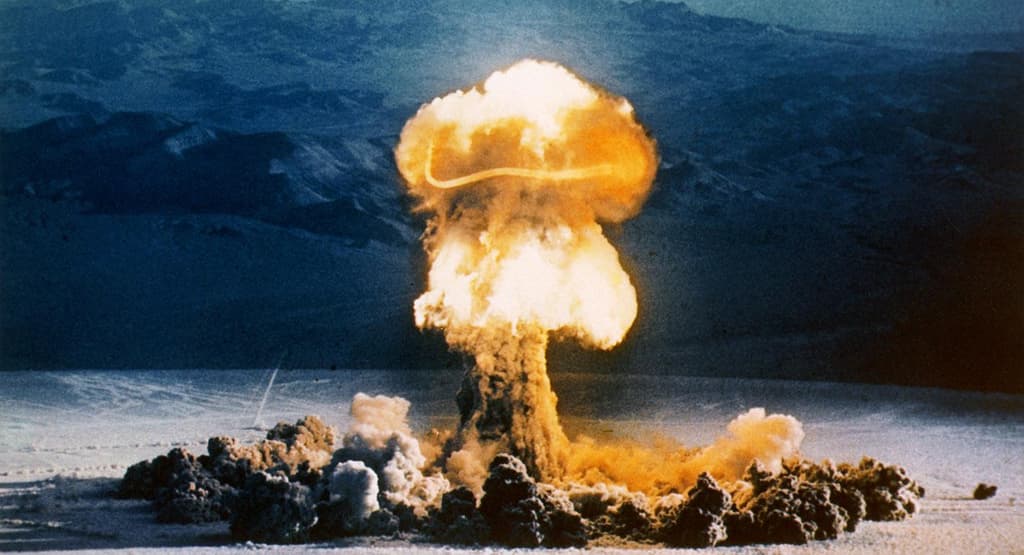
Russia maintains a de facto moratorium on nuclear explosive testing despite revoking its Comprehensive Nuclear-Test-Ban Treaty ratification in 2023 and President Putin's November 2025 order for resumption plans, with no verified detonation since 1990. Recent Yars intercontinental ballistic missile drills in Siberia on April 2–3 highlighted nuclear-capable systems but involved no chain-reaction explosions, per CTBTO monitoring confirming the longest test-free period since 1945 as of January 2026. The February expiration of New START has fueled rhetoric without triggering tests, amid Kremlin denials of secret activities. Low trader consensus reflects significant barriers including international backlash, technical hurdles after decades without tests, and lack of announced preparations at sites like Novaya Zemlya; planned 2026 missile tests are expected to be non-nuclear.
สรุปจาก AI ทดลองที่อ้างอิงข้อมูลจาก Polymarket ไม่ใช่คำแนะนำในการเทรดและไม่มีผลต่อการตัดสินตลาดนี้ · อัปเดตแล้ว$1,343,606 ปริมาณ
30 มิถุนายน 2026
3%
30 กันยายน 2026
9%
31 ธันวาคม 2026
12%
$1,343,606 ปริมาณ
30 มิถุนายน 2026
3%
30 กันยายน 2026
9%
31 ธันวาคม 2026
12%
A nuclear test is defined as the intentional non-combat detonation of a device by Russia that produces a nuclear chain reaction (fission or fusion), regardless of yield.
Accidents, radiological dispersal devices (bombs that spread radioactive material using conventional explosives such as "dirty bombs"), or actions by third parties will not count toward this market's resolution.
Tests not explicitly claimed by Russia may still qualify if a clear consensus of credible reporting attributes the nuclear detonation to Russia. For example, an unclaimed nuclear test analogous to the 1979 "Vela Incident" would count if credible reporting attributes it to Russia.
The resolution source for this market will be a broad consensus of credible reporting.
ตลาดเปิดเมื่อ: Mar 31, 2026, 3:33 PM ET
Resolver
0x65070BE91...A nuclear test is defined as the intentional non-combat detonation of a device by Russia that produces a nuclear chain reaction (fission or fusion), regardless of yield.
Accidents, radiological dispersal devices (bombs that spread radioactive material using conventional explosives such as "dirty bombs"), or actions by third parties will not count toward this market's resolution.
Tests not explicitly claimed by Russia may still qualify if a clear consensus of credible reporting attributes the nuclear detonation to Russia. For example, an unclaimed nuclear test analogous to the 1979 "Vela Incident" would count if credible reporting attributes it to Russia.
The resolution source for this market will be a broad consensus of credible reporting.
Resolver
0x65070BE91...Russia maintains a de facto moratorium on nuclear explosive testing despite revoking its Comprehensive Nuclear-Test-Ban Treaty ratification in 2023 and President Putin's November 2025 order for resumption plans, with no verified detonation since 1990. Recent Yars intercontinental ballistic missile drills in Siberia on April 2–3 highlighted nuclear-capable systems but involved no chain-reaction explosions, per CTBTO monitoring confirming the longest test-free period since 1945 as of January 2026. The February expiration of New START has fueled rhetoric without triggering tests, amid Kremlin denials of secret activities. Low trader consensus reflects significant barriers including international backlash, technical hurdles after decades without tests, and lack of announced preparations at sites like Novaya Zemlya; planned 2026 missile tests are expected to be non-nuclear.
สรุปจาก AI ทดลองที่อ้างอิงข้อมูลจาก Polymarket ไม่ใช่คำแนะนำในการเทรดและไม่มีผลต่อการตัดสินตลาดนี้ · อัปเดตแล้ว
ระวังลิงก์ภายนอก
ระวังลิงก์ภายนอก
คำถามที่พบบ่อย