Market icon

Which party gains most seats in Japan Councillors Election?

Market icon

Which party gains most seats in Japan Councillors Election?

LDP (Liberal Democratic Party) 100.0%

CDP (Constitutional Democratic Party of Japan) <1%

DIY (Sanseitō) <1%

Mintsuku <1%

Polymarket

$1,883,039 Объем

LDP (Liberal Democratic Party) 100.0%

CDP (Constitutional Democratic Party of Japan) <1%

DIY (Sanseitō) <1%

Mintsuku <1%

Polymarket

$1,883,039 Объем

Market icon

CDP (Constitutional Democratic Party of Japan)

$132,486 Объем

No

Market icon

DIY (Sanseitō)

$1,034,994 Объем

No

Market icon

Mintsuku

$23,184 Объем

No

Market icon

LDP (Liberal Democratic Party)

$459,573 Объем

Yes

Market icon

Komeito

$35,692 Объем

No

Market icon

JIP (Japan Innovation Party)

$37,731 Объем

No

Market icon

JCP (Japan Communist Party)

$33,053 Объем

No

Market icon

DPP (Democratic Party For the People)

$72,286 Объем

No

Market icon

Reiwa Shinsengumi

$30,225 Объем

No

Market icon

SDP (Social Democratic Party)

$23,814 Объем

No

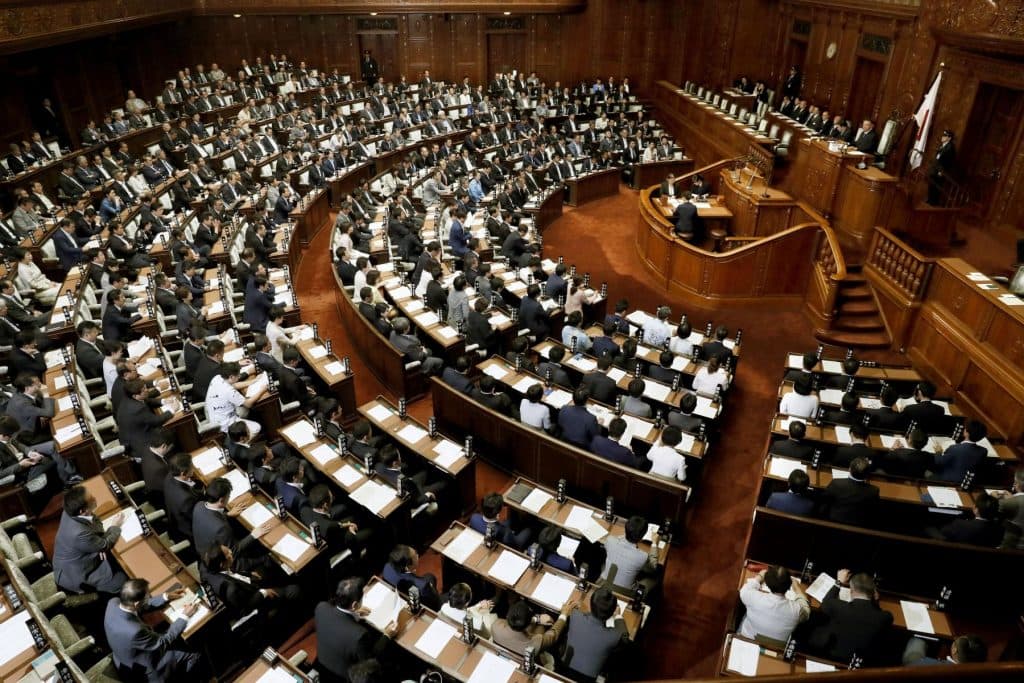
The 27th general election of the House of Councillors is scheduled to be held in Japan by July 27, 2025, to elect half of the 248 members of the House of Councillors, the upper house of the National Diet, for a term of six years.

This market will resolve to the political party that wins the greatest number of the seats that are contested in this election.

If voting in the next Japanese election for the House of Councillors does not occur by December 31, 2025, this market will resolve to "Other".

In the case of a tie between a party and any other for the most seats gained, this market will resolve in favor of the party whose listed abbreviation comes first in alphabetical order. If no abbreviation is listed for a party, the name of that party will be used.

This market's resolution will be based solely on the number of seats won by the named party or coalition.

This market will resolve based on the result of the election as indicated by a consensus of credible reporting. If there is ambiguity, this market will resolve based solely on the official results as reported by Japan's government.
Объем
$1,883,039
Дата окончания
Jul 27, 2025
Открытие рынка
Jun 10, 2025, 7:15 PM ET
The 27th general election of the House of Councillors is scheduled to be held in Japan by July 27, 2025, to elect half of the 248 members of the House of Councillors, the upper house of the National Diet, for a term of six years. This market will resolve to the political party that wins the greatest number of the seats that are contested in this election. If voting in the next Japanese election for the House of Councillors does not occur by December 31, 2025, this market will resolve to "Other". In the case of a tie between a party and any other for the most seats gained, this market will resolve in favor of the party whose listed abbreviation comes first in alphabetical order. If no abbreviation is listed for a party, the name of that party will be used. This market's resolution will be based solely on the number of seats won by the named party or coalition. This market will resolve based on the result of the election as indicated by a consensus of credible reporting. If there is ambiguity, this market will resolve based solely on the official results as reported by Japan's government.

Предложенный исход: Yes

Спор отсутствует

Окончательный исход: Yes

Не доверяй внешним ссылкам.

Frequently Asked Questions

"Which party gains most seats in Japan Councillors Election?" is a prediction market on Polymarket with 10 possible outcomes where traders buy and sell shares based on what they believe will happen. The current leading outcome is "LDP (Liberal Democratic Party)" at 100%, followed by "CDP (Constitutional Democratic Party of Japan)" at 0%. Prices reflect real-time crowd-sourced probabilities. For example, a share priced at 100¢ implies that the market collectively assigns a 100% chance to that outcome. These odds shift continuously as traders react to new developments and information. Shares in the correct outcome are redeemable for $1 each upon market resolution.

As of today, "Which party gains most seats in Japan Councillors Election?" has generated $1.9 million in total trading volume since the market launched on Jun 10, 2025. This level of trading activity reflects strong engagement from the Polymarket community and helps ensure that the current odds are informed by a deep pool of market participants. You can track live price movements and trade on any outcome directly on this page.

To trade on "Which party gains most seats in Japan Councillors Election?," browse the 10 available outcomes listed on this page. Each outcome displays a current price representing the market's implied probability. To take a position, select the outcome you believe is most likely, choose "Yes" to trade in favor of it or "No" to trade against it, enter your amount, and click "Trade." If your chosen outcome is correct when the market resolves, your "Yes" shares pay out $1 each. If it's incorrect, they pay out $0. You can also sell your shares at any time before resolution if you want to lock in a profit or cut a loss.

The current frontrunner for "Which party gains most seats in Japan Councillors Election?" is "LDP (Liberal Democratic Party)" at 100%, meaning the market assigns a 100% chance to that outcome. The next closest outcome is "CDP (Constitutional Democratic Party of Japan)" at 0%. These odds update in real-time as traders buy and sell shares, so they reflect the latest collective view of what's most likely to happen. Check back frequently or bookmark this page to follow how the odds shift as new information emerges.

The resolution rules for "Which party gains most seats in Japan Councillors Election?" define exactly what needs to happen for each outcome to be declared a winner — including the official data sources used to determine the result. You can review the complete resolution criteria in the "Rules" section on this page above the comments. We recommend reading the rules carefully before trading, as they specify the precise conditions, edge cases, and sources that govern how this market is settled.