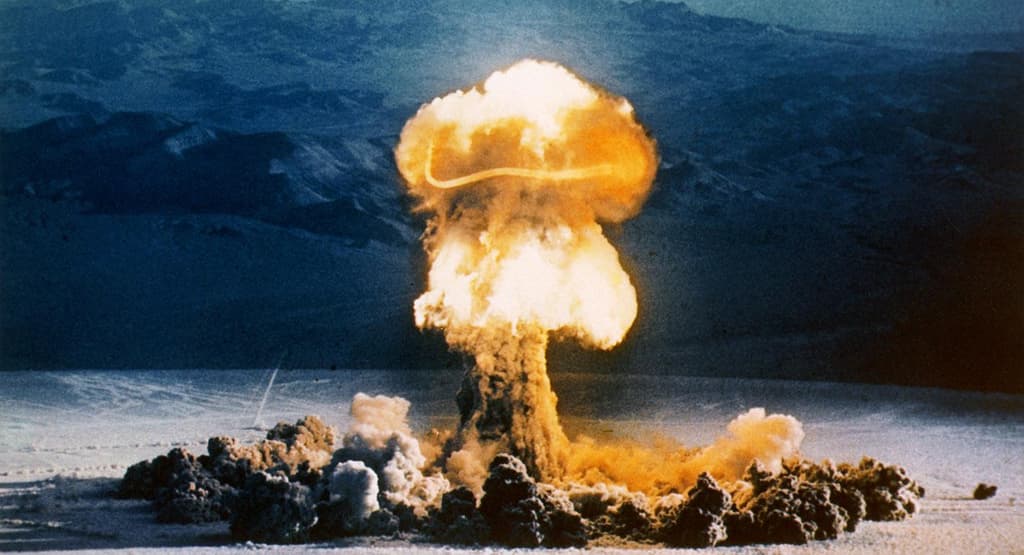
Russian strategic missile forces conducted drills on April 2, 2026, in Siberia involving camouflaged movements of Yars intercontinental ballistic missile systems capable of carrying nuclear warheads, signaling ongoing combat readiness amid heightened NATO tensions over Ukraine, though no launches or detonations occurred. Earlier in January, Russia announced plans for tests of new solid-fuel ICBMs later in 2026 to replace aging Topol-M systems, likely focusing on missile flights rather than nuclear explosions, as Moscow adheres to its de facto moratorium under the Comprehensive Nuclear-Test-Ban Treaty despite withdrawing ratification in 2023. The New START treaty's expiration on February 5 removed deployed strategic nuclear limits, fueling escalation concerns, including U.S. warnings of Russian nuclear anti-satellite weapon development. Traders monitor for official announcements or U.S. actions that could prompt a test, with no verified detonations since 1990.
Eksperymentalne podsumowanie AI odwołujące się do danych Polymarket. To nie jest porada handlowa i nie ma wpływu na rozstrzyganie tego rynku. · Zaktualizowano$1,342,606 Wol.
30 czerwca 2026
2%
30 września 2026
9%
31 grudnia 2026
12%
$1,342,606 Wol.
30 czerwca 2026
2%
30 września 2026
9%
31 grudnia 2026
12%
A nuclear test is defined as the intentional non-combat detonation of a device by Russia that produces a nuclear chain reaction (fission or fusion), regardless of yield.
Accidents, radiological dispersal devices (bombs that spread radioactive material using conventional explosives such as "dirty bombs"), or actions by third parties will not count toward this market's resolution.
Tests not explicitly claimed by Russia may still qualify if a clear consensus of credible reporting attributes the nuclear detonation to Russia. For example, an unclaimed nuclear test analogous to the 1979 "Vela Incident" would count if credible reporting attributes it to Russia.
The resolution source for this market will be a broad consensus of credible reporting.
Rynek otwarty: Mar 31, 2026, 3:33 PM ET
Resolver
0x65070BE91...A nuclear test is defined as the intentional non-combat detonation of a device by Russia that produces a nuclear chain reaction (fission or fusion), regardless of yield.
Accidents, radiological dispersal devices (bombs that spread radioactive material using conventional explosives such as "dirty bombs"), or actions by third parties will not count toward this market's resolution.
Tests not explicitly claimed by Russia may still qualify if a clear consensus of credible reporting attributes the nuclear detonation to Russia. For example, an unclaimed nuclear test analogous to the 1979 "Vela Incident" would count if credible reporting attributes it to Russia.
The resolution source for this market will be a broad consensus of credible reporting.
Resolver
0x65070BE91...Russian strategic missile forces conducted drills on April 2, 2026, in Siberia involving camouflaged movements of Yars intercontinental ballistic missile systems capable of carrying nuclear warheads, signaling ongoing combat readiness amid heightened NATO tensions over Ukraine, though no launches or detonations occurred. Earlier in January, Russia announced plans for tests of new solid-fuel ICBMs later in 2026 to replace aging Topol-M systems, likely focusing on missile flights rather than nuclear explosions, as Moscow adheres to its de facto moratorium under the Comprehensive Nuclear-Test-Ban Treaty despite withdrawing ratification in 2023. The New START treaty's expiration on February 5 removed deployed strategic nuclear limits, fueling escalation concerns, including U.S. warnings of Russian nuclear anti-satellite weapon development. Traders monitor for official announcements or U.S. actions that could prompt a test, with no verified detonations since 1990.
Eksperymentalne podsumowanie AI odwołujące się do danych Polymarket. To nie jest porada handlowa i nie ma wpływu na rozstrzyganie tego rynku. · Zaktualizowano
Uważaj na linki zewnętrzne.
Często zadawane pytania