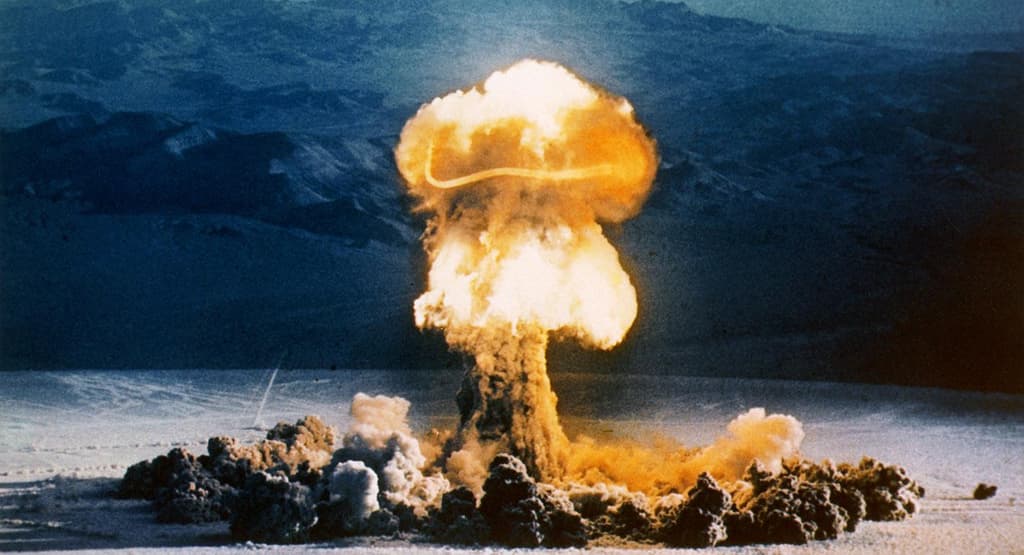
Russia has not conducted a full-yield nuclear explosive test since 1990 and maintains its moratorium under the Comprehensive Nuclear-Test-Ban Treaty framework, despite withdrawing ratification in 2023. Recent developments include May 2026 strategic nuclear forces exercises involving missile launches and large-scale drills, plus a successful Sarmat ICBM flight test, which traders view as standard signaling rather than preparation for an explosive detonation. The expiration of New START in February 2026 and prior 2025 statements on reciprocal testing have kept the topic in focus, yet Russian officials have repeatedly conditioned any test on U.S. action first. Key variables for the market include escalation in ongoing conflicts, arms-control breakdowns, or verifiable site activity at Novaya Zemlya that could shift implied probabilities.
Polymarket 데이터를 참조하는 실험적 AI 생성 요약입니다. 이것은 거래 조언이 아니며 이 마켓의 정산에 영향을 미치지 않습니다. · 업데이트Senior Russian Military Official Fanil Sarvarov Killed in Moscow Car Bombing
December 31, 2026 rises to 11%4%
Fanil Sarvarov, head of the General Staff's army operational training directorate, was assassinated in a car explosion near Moscow. The high-profile attack highlighted ongoing domestic security vulnerabilities in Russia, causing brief volatility and spikes in the nuclear test prediction market.
Ukraine classifies Russian strike on nuclear fuel storage near Chornobyl as war crime
Ukraine's Security Service declared a Russian strike on the nuclear fuel storage facility near Chornobyl a war crime, highlighting the ongoing nuclear risks in the conflict. This condemnation did not indicate a Russian nuclear test, reinforcing market expectations of no test.
DGAP memo analyzes Russia's nuclear signaling and calls for NATO policy response
DGAP published an analysis of Russia's May 2026 nuclear signaling steps, including the Sarmat missile test and nuclear exercises, emphasizing the need for Germany and NATO to respond. This reinforced market awareness of nuclear risks but did not indicate an imminent nuclear test, keeping prices stable.
Analysis highlights Russia's nuclear signaling and exercises in May 2026
June 30, 2026 dips to 1%1%
Following the May 12 missile test and May 19-21 nuclear exercises, analysts noted Russia's nuclear signaling steps amid the Ukraine conflict. These actions increased awareness of nuclear posture but did not indicate a nuclear test, supporting market expectations of no test by June 30.
DGAP memo urges NATO response to Russia's nuclear signaling and ICBM test
December 31, 2026 rises to 10%2%
On June 4, the German Council on Foreign Relations published a memo analyzing Russia's nuclear signaling steps in May 2026, including the ICBM test and nuclear exercises, urging NATO and Germany to take policy steps. This diplomatic analysis reflected heightened concerns but did not indicate a nuclear test, supporting market caution and low test probabilities.
DGAP report highlights Russia's nuclear signaling amid Ukraine conflict
December 31, 2026 jumps to 13%5%
A German Council on Foreign Relations report analyzed Russia's nuclear signaling steps in May 2026, linking them to negative developments in the Ukraine war. The report urged NATO to take these signals seriously but did not report any nuclear test, maintaining market caution.
Russian forces heavily shell Zaporizhzhia Thermal Power Plant, threatening nuclear safety
December 31, 2026 dips to 7%1%
Russian attacks on the Zaporizhzhia Thermal Power Plant, which supplies power to the Zaporizhzhia Nuclear Power Plant, increased risks of nuclear accidents but did not involve a nuclear test. This sustained threat contributed to market skepticism about a nuclear test occurring soon.
German Council on Foreign Relations Analyzes Russia's Nuclear Signaling and Urges NATO Response
December 31, 2026 rises to 8%1%
The German Council on Foreign Relations (DGAP) published a memo analyzing Russia's May 2026 nuclear exercises and ICBM test, urging NATO allies to take policy steps in response. This reinforced market caution and contributed to modest price increases for the December 31, 2026 outcome.
DGAP warns NATO to take Russia's nuclear signaling seriously after ICBM test
December 31, 2026 rises to 8%1%
The German Council on Foreign Relations (DGAP) issued a memo urging NATO allies to respond to Russia's recent ICBM test and nuclear exercises, highlighting the seriousness of Russia's nuclear signaling amid the Ukraine conflict. This reinforced market caution and modest price increases for the December 31, 2026 outcome.
Zaporizhzhia Thermal Power Plant heavily shelled by Russian forces, threatening nuclear safety
Russian shelling of the Zaporizhzhia Thermal Power Plant endangered the power supply critical for cooling the nuclear reactors, raising nuclear accident risks. Despite the threat, no nuclear test was conducted, contributing to the market's declining probability of a Russian nuclear test.
DGAP warns of Russia's nuclear signaling amid Ukraine conflict
December 31, 2026 dips to 7%1%
The German Council on Foreign Relations highlighted Russia's nuclear signaling steps in May 2026, correlating with negative developments in Ukraine, emphasizing the seriousness of Russia's nuclear posture without any nuclear test occurring. This analysis influenced market perceptions of nuclear risk.
Analysis highlights Russia’s nuclear signaling and implications for European security
December 31, 2026 dips to 7%1%
A DGAP report analyzed Russia's nuclear exercises and missile tests in May 2026, emphasizing the signaling intent behind these actions without actual nuclear detonations. This analysis supported the market's view that while Russia is signaling nuclear capability, a nuclear test is unlikely soon.
DGAP memo highlights Russia’s nuclear signaling and urges NATO response
December 31, 2026 rises to 12%2%
The German Council on Foreign Relations published a memo analyzing Russia's nuclear signaling steps in May 2026, including the Sarmat test and nuclear exercises, emphasizing the seriousness of these actions and recommending NATO policy responses. This analysis reinforced market caution and modest price increases for longer-dated outcomes, reflecting ongoing concerns about Russia's nuclear posture without evidence of a test.
Zaporizhzhia Nuclear Power Plant suffers 17th blackout under Russian occupation
The occupied Zaporizhzhia NPP lost external power supply again, marking the 17th blackout since Russian control. Each blackout poses nuclear safety risks but no nuclear test occurred, maintaining market doubts about a Russian nuclear test.
Russian nuclear submarine Arkhangelsk conducts successful missile test in Barents Sea
December 31, 2026 dips to 7%1%
The Arkhangelsk nuclear submarine fired an Oniks cruise missile from underwater, hitting a target 200 km away. This test demonstrated Russia's naval nuclear-capable missile capabilities but was not a nuclear detonation test, maintaining low market probabilities for a nuclear test.
Russia renews accusations against Ukraine for shelling Zaporizhzhia Nuclear Power Plant
Russia accused Ukraine of airstrikes on the occupied Zaporizhzhia Nuclear Power Plant to justify escalatory actions. Ukraine denied these claims, and no nuclear test was reported, reinforcing market views that a nuclear test was unlikely in the near term.
Russia renews accusations against Ukraine for shelling Zaporizhzhia Nuclear Power Plant
December 31, 2026 dips to 7%1%
Russia accused Ukraine of airstrikes on the occupied Zaporizhzhia Nuclear Power Plant to justify escalatory actions. Ukraine denied these claims, and the accusations were seen as part of an information campaign, not evidence of a Russian nuclear test, reinforcing market skepticism.
Missile alert issued in Yamal region, Russia for first time since war began
A missile alert was declared in Russia's Yamal region, a key energy area far from combat zones, indicating heightened military alertness but no nuclear test. This event reflected increased tensions without nuclear detonation, consistent with low market prices for a nuclear test.
Ukraine displays Belarusian electronics from Russian Oreshnik missile system
Ukraine showcased components from Russian missiles including the Oreshnik system, highlighting Belarusian and Russian-made parts. This underscored ongoing missile threats but did not indicate a nuclear test, reinforcing market skepticism about imminent Russian nuclear detonations.
Russia uses hypersonic Oreshnik missile in mass attack on Kyiv
June 30, 2026 dips to 1%1%
Russia launched a massive missile and drone attack on Kyiv using the hypersonic Oreshnik missile, capable of carrying nuclear warheads, which raised international alarm about potential nuclear escalation. This event caused a significant drop in the market's probability for a nuclear test by June 30, 2026, as it highlighted the use of nuclear-capable weapons without an actual nuclear detonation.
EU to discuss increasing pressure on Moscow after Oreshnik missile strike
December 31, 2026 dips to 8%2%
Following Russia's use of the Oreshnik missile, the EU announced plans to discuss new measures to increase pressure on Moscow, framing the missile use as a reckless nuclear threat. This diplomatic response contributed to market uncertainty but did not indicate a nuclear test, influencing the probabilities for longer-term outcomes.
Russia launches massive missile and drone strike on Kyiv using Oreshnik and other missiles
September 30, 2026 dips to 4%2%
Russia conducted a large-scale missile and drone attack on Kyiv, employing the hypersonic Oreshnik missile capable of carrying nuclear warheads. Despite the missile's nuclear capability, the strikes were conventional, and no nuclear test was reported, which led to a further decline in market prices for nuclear test occurrence.
Russia uses hypersonic Oreshnik missile in massive attack on Kyiv
September 30, 2026 dips to 4%2%
Russia launched a large-scale missile and drone attack on Kyiv using the hypersonic Oreshnik missile, which is capable of carrying nuclear warheads. This military escalation raised concerns about nuclear risks but was not a nuclear test, leading to further market price declines.
Russia uses hypersonic Oreshnik missile in massive attack on Kyiv
December 31, 2026 dips to 4%4%
Russia launched a large-scale missile and drone attack on Kyiv using the hypersonic Oreshnik missile, capable of carrying nuclear warheads. This demonstrated Russia's nuclear-capable missile capabilities but was not a nuclear test, contributing to market uncertainty and a decline in nuclear test probability.
EU officials condemn Russia's use of Oreshnik missile and discuss increasing pressure on Moscow
September 30, 2026 dips to 6%2%
The EU's High Representative for Foreign Affairs called Russia's use of the Oreshnik missile a reckless risk of nuclear war and announced plans to discuss increased international pressure on Russia. This political response underscored the seriousness of the missile's nuclear capability but did not indicate an actual nuclear test, reinforcing market skepticism.
Russia completes major nuclear drills with missile launches and strategic force displays
December 31, 2026 dips to 7%1%
Russia concluded its nuclear drills involving missile launches, nuclear submarines, and aircraft, reinforcing nuclear readiness without conducting a nuclear test detonation. This confirmed the market's declining expectation of a test by the deadlines.
Russia and Belarus recognize each other's nuclear positions amid strategic arms concerns
Following the expiration of the New START treaty, Russia and Belarus issued statements recognizing each other's nuclear positions and expressing concerns about nuclear proliferation. This diplomatic development underscored ongoing nuclear tensions but did not involve a nuclear test.
Russia delivers nuclear warheads in major exercise amid Ukraine conflict
Russian troops moved nuclear warheads during a three-day exercise, underscoring Moscow's nuclear posture amid its conflict with the West over Ukraine. This military signaling reinforced the market's view of nuclear capability without a nuclear test, sustaining low probabilities for a test event.
Russia flexes nuclear muscles amid NATO tensions with missile launches and munitions issuance
Russia launched nuclear-capable missiles and issued nuclear munitions to some units during major nuclear exercises amid heightened tensions with NATO over the Ukraine war and Baltic drone activity. This military signaling reinforced perceptions of nuclear capability without crossing into nuclear testing, sustaining low market probabilities for a test.
Russia issues nuclear munitions and launches nuclear-capable missiles amid NATO tensions
As part of ongoing nuclear exercises, Russia issued nuclear munitions to some units and launched nuclear-capable missiles, including at Belarusian sites. This display of nuclear readiness heightened tensions but did not involve a nuclear test detonation, contributing to continued low market probabilities for a test.
Russia launches largest nuclear exercises including Belarusian launch sites
December 31, 2026 dips to 8%4%
Russia launched its largest nuclear exercises in years, mobilizing tens of thousands of troops and numerous strategic assets, including nuclear submarines and missile launchers, with Belarusian forces participating. This display of nuclear muscle amid geopolitical tensions did not involve a nuclear test detonation, further pushing market prices down as the test likelihood diminished.
Russia launches nuclear-capable missiles and issues nuclear munitions amid NATO tensions
December 31, 2026 rises to 8%1%
As part of ongoing nuclear drills, Russia launched nuclear-capable missiles and issued nuclear munitions to units, signaling nuclear readiness amid heightened tensions but without conducting a nuclear detonation, sustaining market skepticism about an imminent test.
Russia and Belarus complete combined nuclear exercises
Russian and Belarusian forces completed combined nuclear exercises involving delivery and preparation of nuclear munitions, including launches of ICBMs, demonstrating nuclear force integration but no nuclear detonations. This reinforced market views of no imminent nuclear test.
Russian General Staff confirms delivery and transfer of nuclear munitions during exercises
On May 21, Russian General Staff chief Valery Gerasimov confirmed the delivery and transfer of nuclear munitions to Russian and Belarusian units capable of using nuclear weapons during the recent exercises, reinforcing nuclear signaling but not indicating a nuclear test. This official confirmation maintained market caution but did not increase the probability of a nuclear test.
Russia delivers nuclear munitions and launches nuclear-capable missiles amid NATO tensions
Russia issued nuclear munitions to units and launched nuclear-capable missiles as part of major nuclear exercises, signaling nuclear muscle-flexing but no nuclear test detonation. This maintained low market expectations for a nuclear test by mid-2026.
Russia delivers nuclear munitions to Belarus in major nuclear drills
December 31, 2026 dips to 8%4%
Russia issued nuclear-capable missiles and munitions to units in Belarus during large-scale nuclear exercises amid heightened NATO tensions. This demonstration of nuclear capability did not include a nuclear test, further reducing market expectations for a test by year-end.
Russia test-fires nuclear-capable missiles during ongoing nuclear drills amid NATO tensions
September 30, 2026 dips to 4%2%
During the ongoing nuclear exercises, Russia test-fired nuclear-capable missiles including the Yars ICBM and Zircon hypersonic missile, reinforcing its nuclear deterrence posture. This further pressured market prices downward as geopolitical tensions escalated, though no nuclear test detonation occurred.
Russia and Belarus conduct joint nuclear exercises including Yars ICBM launch
September 30, 2026 rises to 5%1%
On May 21, Russia and Belarus completed combined nuclear force exercises, including the launch of a Yars intercontinental ballistic missile and the delivery of nuclear munitions to Belarusian units. This demonstrated Russia's nuclear readiness and strategic cooperation with Belarus but did not involve a nuclear test detonation, causing market uncertainty and a slight decline in short-term test probability.
Russia launches nuclear-capable missiles in major exercises amid NATO tensions
Russia launched nuclear-capable missiles and issued nuclear munitions to units during large-scale nuclear exercises, demonstrating strategic capabilities amid heightened tensions with NATO. These actions did not involve a nuclear test detonation, sustaining low market probabilities for a test.
Russia says troops delivered nuclear munitions during May exercise
December 31, 2026 rises to 12%4%
A Kremlin press release, quoted by arms‑control analysts, said Russian troops had delivered and transferred nuclear munitions to units in Russia and Belarus, signalling readiness to use nuclear weapons. The news heightened expectations of a possible test later in the year, lifting the December‑31 odds sharply on June 11.
Russia launches Yars ICBM during large-scale joint nuclear drills with Belarus
During extensive joint nuclear exercises with Belarus, Russia test-fired a Yars intercontinental ballistic missile, demonstrating strategic readiness without conducting a nuclear test detonation. This reinforced nuclear signaling but did not increase the likelihood of an actual nuclear test.
Russia issues nuclear munitions and launches nuclear-capable missiles amid NATO tensions
Amid heightened tensions with NATO, Russia issued nuclear munitions to units and launched nuclear-capable missiles during exercises, signaling nuclear readiness but not conducting a nuclear test detonation. This maintained low market probabilities for a nuclear test.
Russia delivers nuclear munitions to Belarusian units amid nuclear drills
June 30, 2026 dips to 2%1%
Russian General Staff chief Valery Gerasimov announced the delivery and transfer of nuclear munitions to Russian and Belarusian units capable of using nuclear weapons, reinforcing nuclear signaling but not involving a nuclear test detonation. This contributed to market uncertainty.
Putin and Lukashenko monitor joint Russia-Belarus nuclear exercises via video conference
Russian and Belarusian presidents participated directly in joint nuclear forces exercises involving missile launches and strategic bombers, demonstrating nuclear force coordination but no nuclear test. This event maintained market expectations of no imminent nuclear detonation by Russia.
Putin and Lukashenko monitor joint Russia-Belarus nuclear exercises
September 30, 2026 dips to 5%1%
Russian and Belarusian leaders oversaw strategic nuclear drills involving ballistic missile launches and hypersonic missile tests. These exercises heightened geopolitical tensions but did not include nuclear test detonations, reinforcing market expectations of no nuclear test.
Russia flexes nuclear muscles with missile launches and nuclear munitions delivery amid NATO tensions
September 30, 2026 dips to 5%1%
Russia launched nuclear-capable missiles and issued nuclear munitions to units during major nuclear exercises amid heightened tensions with NATO. This show of force underscored Russia's nuclear readiness but did not constitute a nuclear test detonation, further reducing market expectations for a test by the deadlines.
Russia and Belarus conduct large-scale joint nuclear-capable missile drills
Russia and Belarus held extensive nuclear drills involving ballistic missiles, submarines, and strategic bombers, signaling military strength amid tensions but without conducting a nuclear test. This show of force initially maintained some market uncertainty about a potential test but did not confirm any nuclear detonation, contributing to a gradual price decline.
Russia delivers nuclear munitions to Belarusian and Russian units during nuclear drills
Russian General Staff chief Valery Gerasimov announced the delivery and transfer of nuclear munitions to Russian and Belarusian units capable of using nuclear weapons, as part of ongoing nuclear exercises. This nuclear signaling amid geopolitical tensions reinforced market expectations of no imminent nuclear test, further lowering prices.
Russia issues nuclear munitions amid major nuclear exercises amid NATO tensions
Russia launched nuclear-capable missiles and issued nuclear munitions to some units during major nuclear exercises amid heightened tensions with NATO, demonstrating nuclear force readiness but no nuclear test was conducted.
Russia shows troops delivering nuclear warheads in major exercise
June 30, 2026 plunges to 2%48%
Russia released footage showing troops delivering nuclear warheads to mobile Iskander-M missile launch systems as part of a major nuclear forces exercise, demonstrating nuclear readiness.
Russia conducts major nuclear forces exercise including Belarusian launch sites
December 31, 2026 dips to 8%4%
Russia launched nuclear-capable missiles and issued nuclear munitions to some units during a large-scale nuclear exercise amid heightened tensions with NATO, demonstrating nuclear readiness but not conducting a nuclear test detonation. This reinforced market views that Russia was not conducting a nuclear test.
Russia conducts major nuclear-capable forces exercise including Belarusian sites
June 30, 2026 dips to 2%1%
Russia launched a large-scale nuclear forces exercise involving nuclear-capable missiles and munitions, demonstrating readiness and deterrence without conducting a nuclear test. This military signaling maintained market skepticism about an imminent nuclear detonation.
Russia launches largest nuclear exercise in years including Belarusian launch sites
September 30, 2026 dips to 5%1%
Russia conducted a major nuclear forces exercise involving thousands of troops and numerous missile launchers, demonstrating readiness to use nuclear weapons if threatened. This military signaling reinforced market expectations against an imminent nuclear test detonation.
Russia conducts major nuclear warhead delivery exercise
December 31, 2026 rises to 8%1%
Russia showcased troops delivering nuclear warheads to missile launchers and rehearsed launch procedures in a large-scale nuclear exercise, demonstrating readiness but not conducting a nuclear test. This maintained market caution about an imminent nuclear test.
Russia conducts large-scale nuclear forces exercise including warhead delivery
September 30, 2026 dips to 5%2%
Russia held major nuclear exercises involving delivery of nuclear warheads to missile launchers and mobilization of strategic forces. This demonstration of nuclear readiness increased tensions and market uncertainty but did not involve an actual nuclear test detonation, contributing to the decline in test probability prices.
Russia launches massive nuclear drills involving thousands of troops and submarines
December 31, 2026 dips to 8%1%
A major three-day nuclear exercise was launched from May 19-21, 2026, involving over 65,000 troops, 200 missile launchers, 140 aircraft, and 13 submarines, raising global tensions.
Russia launches largest nuclear exercises in years including Belarusian launch sites
Russia conducted large-scale nuclear forces exercises involving tens of thousands of troops and numerous missile launchers, rehearsing nuclear weapon use procedures. These exercises were seen as nuclear posturing rather than actual nuclear tests, maintaining downward pressure on the probability of a nuclear detonation test.
Russia shows troops moving nuclear warheads in major exercise
September 30, 2026 dips to 6%1%
Russian service members participated in a nuclear forces exercise at an unidentified location, demonstrating troop movements involving nuclear warheads, further signaling nuclear readiness.
Russia conducts unannounced nuclear exercise including Belarusian launch sites
September 30, 2026 dips to 5%1%
Russia launched an unannounced nuclear exercise involving Belarusian launch sites, signaling nuclear readiness and strategic messaging but no nuclear test detonation. This event reinforced market expectations that Russia was not conducting a nuclear test, maintaining low probabilities.
Russia launches unannounced nuclear exercise including Belarusian sites
Russia initiated unannounced nuclear-capable missile exercises involving Belarusian launch sites, signaling nuclear muscle-flexing amid diplomatic tensions. This action reinforced perceptions of nuclear readiness without an actual nuclear test, further lowering market expectations for a test.
Russia shows troops delivering nuclear warheads in major nuclear exercise
December 31, 2026 dips to 4%4%
Russia publicly displayed footage of troops loading and moving nuclear warheads to missile launchers as part of a major nuclear exercise involving thousands of personnel and multiple platforms. This demonstration was a show of readiness and deterrence rather than an actual nuclear test, reinforcing market expectations against a nuclear detonation.
Russia conducts major nuclear-capable forces exercise including Belarusian sites
September 30, 2026 dips to 4%2%
Russia held a large-scale nuclear forces exercise involving the movement and deployment of nuclear warheads and missile launches, demonstrating military readiness amid tensions but without conducting a nuclear test. This reinforced market views that Russia was signaling strength without actual nuclear detonations, contributing to further price declines.
Russia launches unannounced nuclear-capable exercises including Belarusian sites
December 31, 2026 dips to 7%1%
On May 20, Russia conducted major nuclear exercises involving the delivery and transfer of nuclear munitions to Russian and Belarusian units. These exercises showcased nuclear readiness and muscle-flexing amid tensions with NATO but did not involve a nuclear test detonation, contributing to continued market price declines.
Russia conducts large-scale nuclear forces exercise including warhead delivery drills
Russia held a major nuclear exercise involving delivery and loading of nuclear warheads onto missile systems, rehearsing launch procedures but without conducting a nuclear detonation. This military signaling increased tensions but did not meet the nuclear test definition, contributing to market price declines.
Russia conducts major nuclear forces exercise involving troop movements of nuclear warheads
September 30, 2026 dips to 4%2%
On May 20, Russia publicly showed troops moving nuclear warheads in a major exercise amid heightened tensions over Ukraine. This demonstration of nuclear readiness increased market awareness of Russia's nuclear posture but did not constitute a nuclear test, contributing to the decline in test probability prices.
Russia launches unannounced large-scale nuclear exercise including Belarusian launch sites
December 31, 2026 dips to 5%3%
Russia conducted a sudden nuclear forces exercise involving land, sea, and air-based strategic forces, rehearsing nuclear weapon use in response to hypothetical aggression. This signaling reinforced Russia's nuclear posture but did not involve an actual nuclear test, contributing to further market decline in test probability.
ISW says Russia’s surprise May nuclear drills were a strategic pressure move
June 30, 2026 dips to 1%1%
ISW analysis explained that the surprise May nuclear drills were intended to pressure NATO and distract from battlefield setbacks, reinforcing the view that the activities were political signaling rather than an actual test, further pushing odds lower.
Russia conducts unannounced nuclear-capable missile exercises including Belarusian sites
Russia launched nuclear-capable missiles and issued nuclear munitions to units during unannounced exercises, signaling nuclear muscle-flexing but without an actual nuclear test detonation. This maintained market skepticism about a test occurring soon.
Russia shows troops moving nuclear warheads in major exercise
On May 20, Russia released footage showing troops moving nuclear warheads during a major exercise, signaling nuclear readiness but not conducting a nuclear test. This reinforced market skepticism about an imminent nuclear test by Russia.
Russia begins large‑scale nuclear forces exercise without prior notice
September 30, 2026 rises to 5%1%
Russia launched an unannounced, massive nuclear‑forces exercise involving 64,000 troops, 200 missile launchers and 13 submarines. The scale and surprise raised concerns that Russia might move toward a real nuclear test, nudging the September‑30 odds upward.
Russia shows troops delivering nuclear warheads in major exercise
September 30, 2026 dips to 5%1%
Russia released footage of troops loading nuclear warheads onto mobile missile launchers as part of a major nuclear exercise, emphasizing combat readiness but not conducting a nuclear test detonation. This reinforced market sentiment against a near-term test.
Russia launches unannounced nuclear exercise including Belarusian launch sites
September 30, 2026 dips to 4%4%
Russia conducted major nuclear exercises involving delivery and transfer of nuclear munitions to Russian and Belarusian units. While signaling nuclear readiness, no nuclear test was reported, reinforcing market views that a test was unlikely soon.
Russia conducts large-scale unannounced nuclear exercises including Belarusian launch sites
September 30, 2026 dips to 5%1%
Russia launched its largest nuclear exercises in years involving tens of thousands of troops, missile launchers, aircraft, and submarines, rehearsing nuclear force preparation and use. Despite the scale and nuclear-capable systems involved, no nuclear detonation test occurred, maintaining low market probabilities for a nuclear test.
Russia shows footage of troops delivering nuclear warheads in major nuclear exercise
December 31, 2026 dips to 8%1%
Reuters reported Russia released footage showing troops delivering nuclear warheads to Iskander-M missile systems, loading them, and moving them to launch sites as part of a major nuclear exercise.
Russia conducts major nuclear forces exercise including delivery of nuclear munitions
June 30, 2026 dips to 1%1%
Russia launched nuclear-capable missiles and issued nuclear munitions to some units during a large-scale nuclear exercise amid heightened tensions with NATO. This demonstration of nuclear readiness increased market concerns but did not involve an actual nuclear test detonation, pushing prices lower.
Russia shows troops loading nuclear warheads onto Iskander‑M launchers in major exercise
June 30, 2026 dips to 2%1%
Russia released footage of troops loading nuclear warheads onto mobile Iskander‑M launchers as part of a large‑scale nuclear exercise. While the drill demonstrated readiness, it also signalled that Russia was focusing on conventional‑level nuclear posturing rather than conducting an actual test, nudging the market further down.
Russia conducts major nuclear-capable forces exercise including Belarusian sites
December 31, 2026 dips to 8%4%
Russia launched a large-scale nuclear forces exercise involving delivery of nuclear warheads and missile launches from Belarusian territory, demonstrating nuclear readiness but without conducting an actual nuclear test. This maintained market skepticism about an imminent nuclear test, keeping prices low.
Russia conducts largest nuclear exercises in years including Belarusian launch sites
September 30, 2026 dips to 5%1%
Russia launched extensive nuclear drills involving tens of thousands of troops and numerous missile launchers, rehearsing launch procedures for tactical nuclear weapons. Despite the scale and nuclear readiness demonstration, no nuclear detonation test occurred, maintaining downward pressure on test probabilities.
Russia conducts major nuclear exercise with warhead delivery drills
June 30, 2026 rises to 3%1%
Russian forces demonstrated delivery and loading of nuclear warheads onto mobile missile launchers during a large nuclear exercise, emphasizing combat readiness but not conducting a nuclear test. This reinforced market perceptions of nuclear threat without confirming a test.
Russia launches large-scale nuclear exercises including Belarusian sites
September 30, 2026 dips to 5%1%
Russia conducted its largest nuclear exercises in years, mobilizing thousands of troops and nuclear-capable systems, including delivery of nuclear warheads to Belarus. Despite the scale, no nuclear detonations occurred, reinforcing market views that Russia would not conduct a nuclear test soon.
Russia launches unannounced major nuclear exercise including Belarusian launch sites
Russia conducted a major nuclear forces exercise involving delivery and preparation of nuclear warheads, including operations from Belarusian territory. This military drill was framed as preparation for nuclear force use in case of aggression but did not involve an actual nuclear test detonation, reinforcing market expectations against a nuclear test by the deadlines.
Russia conducts sudden strategic nuclear forces exercise
September 30, 2026 rises to 5%1%
From May 19 to 21, Russia held a suddenly announced exercise of its strategic nuclear forces, rehearsing the launch of nuclear weapons in response to a hypothetical external attack. This nuclear signaling step amid the Ukraine conflict maintained market caution but did not indicate an actual nuclear test.
Russia begins massive nuclear forces maneuvers amid Ukraine conflict
September 30, 2026 dips to 4%2%
Russia launched large-scale nuclear drills involving ballistic and cruise missile practice launches, signaling heightened nuclear readiness but without conducting an actual nuclear test. This increased market wariness about nuclear escalation.
Russia launches unannounced large-scale nuclear exercises including Belarusian launch sites
June 30, 2026 dips to 2%1%
Russia conducted large-scale nuclear exercises involving tens of thousands of troops and numerous strategic assets, rehearsing nuclear force readiness and launch procedures. This nuclear signaling was interpreted as a show of strength amid the Ukraine conflict but did not indicate an actual nuclear test, contributing to market caution and a continued low probability of a nuclear test by June 30, 2026.
Russia begins large-scale nuclear forces exercise amid rising tensions
December 31, 2026 dips to 8%4%
Russia launched a major nuclear exercise involving thousands of troops, missiles, aircraft, and submarines from May 19-21, demonstrating nuclear readiness but not conducting an actual nuclear test detonation. This contributed to market uncertainty but did not increase the probability of a test.
Russia launches largest nuclear forces exercise in years including Belarusian launch sites
Russia conducted a major unannounced nuclear exercise involving 64,000 troops, over 200 missile launchers, 140 aircraft, and 13 submarines, including strategic nuclear missile carriers. This large-scale drill was a nuclear signaling step amid ongoing conflict but did not involve a nuclear detonation, maintaining market caution.
Russia launches massive nuclear forces exercise amid heightened tensions
December 31, 2026 dips to 5%3%
Russia conducted a large-scale nuclear forces exercise from May 19-21 involving thousands of troops and numerous missile launches, demonstrating readiness but not conducting a nuclear test. This military drill heightened geopolitical tensions but did not fulfill the market's nuclear test criteria, contributing to further price declines.
Russia Launches Large-Scale Unannounced Strategic Nuclear Exercises
December 31, 2026 dips to 7%1%
Russia mobilized over 64,000 troops and hundreds of missile launchers for a major three-day nuclear exercise. This massive display of nuclear readiness served as strategic signaling to the West, further reducing the perceived necessity of an actual nuclear test detonation.
Russia launches unannounced nuclear forces exercise including Belarusian sites
December 31, 2026 dips to 7%1%
Russia began large-scale nuclear forces exercises involving missile forces, naval and air units, and Belarusian launch sites, framed as preparation for potential nuclear use in case of aggression. The announcement and conduct of these drills heightened geopolitical tensions but did not involve an actual nuclear test, leading to further market price declines for a nuclear test by the specified dates.
Russia launches largest nuclear exercises in years including Belarusian sites
Russia initiated its largest nuclear exercises in years, mobilizing tens of thousands of troops and numerous nuclear-capable systems, including integration with Belarusian forces. The unannounced drills were framed as preparation for nuclear force use in case of aggression, signaling nuclear readiness but not involving a nuclear test, which further lowered market expectations for a test.
Russia conducts major nuclear exercise including warhead delivery to troops
December 31, 2026 rises to 7%2%
Russia held a three-day nuclear forces exercise involving the delivery and transfer of nuclear warheads to Russian and Belarusian units. This nuclear signaling amid the Ukraine conflict heightened market awareness but did not indicate a nuclear test, leading to cautious price increases for longer-dated outcomes.
Russia Launches Large-Scale Strategic Nuclear Exercises
December 31, 2026 rises to 8%3%
Russia initiated its largest nuclear triad exercises in years, mobilizing tens of thousands of troops and strategic submarines. The drills focused on simulated responses and tactical deployments in Belarus, but did not involve any live nuclear detonations.
Russian Defense Ministry announces nuclear drills rehearsal for threat scenarios
The Russian Defense Ministry framed the ongoing nuclear exercises as rehearsals for preparation and use of nuclear forces in case of aggression. This official framing emphasized readiness and deterrence without indicating any nuclear test, maintaining downward pressure on nuclear test probability markets.
Russia launches surprise three‑day nuclear exercise with live missile launches
June 30, 2026 dips to 1%1%
An unannounced large‑scale nuclear exercise involving 65,000 troops and live missile launches was launched. The drill was framed as a rehearsal, not a test, prompting the market to view the activity as signaling rather than a nuclear detonation, pushing odds still lower.
Russia launches largest nuclear exercises in years involving thousands of troops and nuclear forces
December 31, 2026 dips to 5%3%
Russia began massive nuclear drills involving tens of thousands of troops, missile launchers, aircraft, and submarines, including nuclear-capable systems. The exercises were framed as preparation for nuclear force use if threatened, intensifying global tensions but not constituting a nuclear test.
Russia launches unannounced strategic nuclear exercises including Belarusian launch sites
June 30, 2026 dips to 1%1%
Russia conducted sudden nuclear forces exercises from May 19-21, involving missile forces and Belarusian units, signaling nuclear readiness amid rising tensions but without conducting an actual nuclear test detonation. This unexpected drill caused market uncertainty and a further decline in the perceived likelihood of a nuclear test by mid-2026.
Russia launches largest nuclear forces exercise in years including Belarusian sites
Starting May 19, 2026, Russia conducted a major unannounced nuclear forces exercise involving 64,000 troops, over 200 missile launchers, 140 aircraft, 73 surface vessels, and 13 submarines, including strategic nuclear missile carriers. The exercise was a nuclear signaling step amid ongoing conflict but did not involve a nuclear test detonation, contributing to market reassessment of nuclear test likelihood.
Russia launches massive three-day nuclear forces exercise involving missile launches and warhead deployments
December 31, 2026 dips to 8%4%
From May 19 to 21, Russia conducted large-scale nuclear drills involving over 64,000 personnel, missile launchers, aircraft, ships, and submarines, including rehearsing launch procedures for nuclear weapons. This demonstration of nuclear readiness amid heightened tensions influenced market prices downward, reflecting increased geopolitical risk but no actual nuclear test.
Russian Ministry of Defense announces nuclear force exercises amid geopolitical tensions
December 31, 2026 rises to 8%1%
On May 19, the Russian Ministry of Defense announced nuclear force exercises involving multiple military districts and fleets, emphasizing preparation and use of nuclear forces in response to aggression threats. The exercises were part of a broader strategy to influence NATO and demonstrate readiness without conducting a nuclear test, contributing to market price stability.
Russia begins large-scale strategic nuclear exercises amid heightened tensions
December 31, 2026 dips to 8%4%
Russia launched its largest nuclear exercises in years, mobilizing thousands of troops, missile launchers, aircraft, ships, and submarines to practice nuclear force deployment under simulated threat conditions. Despite the scale, no nuclear detonation tests occurred, reinforcing market expectations of continued test moratorium.
Russia launches massive unannounced nuclear exercise with Belarusian launch sites
December 31, 2026 jumps to 9%5%
The Russian Defense Ministry announced a three-day nuclear exercise involving 65,000 troops, 200 missile launchers, 140 aircraft, and 13 submarines, conducted without prior public notice.
Russia launches largest nuclear exercise in years including Belarus
September 30, 2026 plunges to 8%43%
Russia announced its largest nuclear exercise in years on May 19, mobilizing nearly 65,000 troops and including Belarusian launch sites, which was unannounced and raised concerns about nuclear escalation posture.
Russia launches massive nuclear forces exercise amid heightened tensions
September 30, 2026 dips to 4%2%
Russia conducted a large-scale nuclear forces exercise from May 19-21 involving tens of thousands of troops, missiles, aircraft, and submarines. The drills focused on preparation and potential use of nuclear weapons but did not include any nuclear test, which contributed to the market lowering the probability of a nuclear test occurring.
Russian Ministry of Defense announces nuclear force exercises amid geopolitical tensions
September 30, 2026 dips to 5%1%
The Russian MoD announced exercises involving strategic missile forces and naval units to prepare for nuclear force use in response to aggression threats. This official confirmation of nuclear drills reinforced market expectations of no imminent nuclear test but ongoing nuclear readiness.
Russia conducts surprise nuclear exercises amid Ukraine conflict
Russian forces held unannounced nuclear exercises from May 19 to 21, showcasing nuclear readiness and attempting to influence NATO decision-making. While involving nuclear warheads, these exercises did not include a nuclear test detonation, maintaining downward pressure on market prices.
Russia launches largest unannounced nuclear exercises including Belarusian sites
December 31, 2026 dips to 8%4%
Russia commenced large-scale nuclear force exercises involving 64,000 personnel, missile launchers, aircraft, ships, and submarines, rehearsing nuclear launch procedures. The unannounced nature and scale heightened geopolitical tensions but did not involve an actual nuclear test, leading to further market price declines.
Russia launches unannounced large-scale nuclear forces exercise including Belarusian launch sites
December 31, 2026 dips to 8%4%
Russia conducted a sudden nuclear forces exercise rehearsing the launch of nuclear weapons in response to a hypothetical external attack. This was a nuclear signaling move amid the ongoing conflict in Ukraine but did not involve an actual nuclear test, contributing to further market decline in the probability of a nuclear test.
Russia conducts strategic nuclear forces exercise
December 31, 2026 rises to 11%1%
Russia held a sudden exercise of its strategic nuclear forces from May 19 to 21, rehearsing the launch of nuclear weapons in response to a hypothetical external attack, following its May 12 missile test.
Russia launches massive unannounced strategic nuclear exercises
December 31, 2026 drops to 4%8%
Russia initiated its largest nuclear drills in years, involving 65,000 troops, strategic submarines, and mobile launchers. The focus on simulated launches and tactical drills in Belarus further reinforced that Russia's nuclear posture was centered on military exercises rather than conducting an actual explosive nuclear test.
Russia holds sudden strategic nuclear forces exercise amid Ukraine conflict
December 31, 2026 dips to 6%2%
From May 19 to 21, Russia conducted a sudden strategic nuclear forces exercise rehearsing nuclear launch in response to hypothetical attacks, following a May 12 missile test and a Ukrainian drone strike on Moscow. This signaling raised concerns but did not involve an actual nuclear test, influencing market sentiment downward.
Russia launches largest nuclear exercises in years
September 30, 2026 plunges to 5%46%
Russia mobilized nearly 65,000 troops and strategic forces for its largest nuclear drills in years, announced without prior public notice, featuring practice launches of nuclear-capable missiles.
Russia announces nuclear forces exercise without prior notice
December 31, 2026 dips to 7%1%
The Russian Ministry of Defense announced an unannounced nuclear exercise from May 19 to May 21, involving the Strategic Missile Forces, Northern and Pacific Fleets, and other military units, following the successful Sarmat missile test.
Belarus announces nuclear exercise coordinated with Russian forces
On May 18, the Belarusian Defense Ministry announced a nuclear exercise involving delivery and preparation of nuclear munitions from unprepared positions, coordinated with Russian forces. This expanded nuclear signaling heightened concerns but did not involve a nuclear test, reinforcing market expectations of no test by June 30.
Russia launches largest nuclear exercises in years including Belarusian launch sites
December 31, 2026 dips to 5%3%
Russia began a large-scale, unannounced nuclear exercise involving 65,000 troops, missile launchers, aircraft, and submarines, including strategic nuclear forces. Belarus participated with coordinated nuclear munitions drills. These exercises were seen as nuclear signaling and readiness tests, not actual nuclear detonations, further reducing market expectations of a nuclear test.
Belarus announces parallel nuclear exercise with Russia
The Belarusian Defense Ministry announced its own nuclear exercise on May 18, coordinating with Russian forces to practice the delivery and preparation of nuclear munitions from unprepared positions.
Bulletin of the Atomic Scientists outlines Russia’s nuclear modernization and recent ICBM test
September 30, 2026 dips to 4%2%
The Bulletin of the Atomic Scientists published a detailed overview of Russia’s nuclear arsenal and noted the recent Sarmat test, emphasizing that no nuclear explosion had been reported. The technical focus helped traders downgrade the chance of a test.
Putin announces deployment of nuclear-capable RS-28 Sarmat missile by year-end
December 31, 2026 dips to 8%4%
Russian President Vladimir Putin declared plans to deploy the RS-28 Sarmat ICBM, a nuclear-capable missile, by the end of 2026. This announcement indicated nuclear capability expansion but did not involve a nuclear test, leading to market price declines as no test occurred.
Bulletin: Russia’s nuclear modernization hampered – no test confirmed in 2026
December 31, 2026 dips to 8%4%
The Bulletin of the Atomic Scientists published a detailed assessment noting that Russia’s nuclear modernization program faces “significant challenges and delays” and that no nuclear test had been confirmed in 2026. The analysis reinforced market sentiment that a test was unlikely, contributing to the continued drop in odds.
Bulletin of the Atomic Scientists reports Russia's first successful ICBM flight test since 2022
December 31, 2026 dips to 4%4%
The Bulletin of the Atomic Scientists confirmed Russia's first known successful flight test of a nuclear-capable missile since April 2022, highlighting ongoing nuclear modernization efforts.
Bulletin of the Atomic Scientists Confirms First Successful Sarmat Flight Test Since 2022
The Bulletin of the Atomic Scientists published an assessment confirming the successful flight test of the nuclear-capable Sarmat missile, reinforcing that Russia was enhancing its strategic arsenal through non-explosive means.
Russia announces successful test launch of new Sarmat ICBM
Russia publicly announced and showed video of a successful test launch of the new Sarmat intercontinental ballistic missile. Because the launch was a test of a delivery system rather than an actual nuclear detonation, the market viewed it as reducing the immediate likelihood of a nuclear test, pushing the June‑30 outcome lower.
Putin hails Russia's Sarmat nuclear missile test launch
June 30, 2026 plunges to 2%50%
Russia successfully test-fired its new Sarmat intercontinental ballistic missile, which President Putin described as 'the most powerful missile in the world' and claimed would enter combat service by the end of 2026. This major nuclear weapons development announcement significantly impacted market sentiment.
Putin announces successful Sarmat ICBM test launch
December 31, 2026 plunges to 8%42%
President Vladimir Putin announced the successful test launch of Russia's new Sarmat strategic nuclear missile, describing it as 'the most powerful in the world' and stating it would enter combat service by year's end.
Putin announces Sarmat missile to enter combat duty by end of 2026
September 30, 2026 plunges to 9%42%
Following the Sarmat test launch, Putin declared the missile would enter combat service by year-end, emphasizing modernization over testing nuclear devices. This official statement further reduced market expectations of a nuclear test occurring soon.
Russia announces successful test launch of Sarmat ICBM
Russia publicly demonstrated the successful test launch of its new Sarmat intercontinental ballistic missile, touted as the world's most powerful nuclear missile. This event signaled ongoing nuclear modernization but did not involve a nuclear test detonation, leading to moderate price declines in the market.
Putin hails Russia's test launch of new ballistic missile
September 30, 2026 rises to 9%1%
President Putin publicly praised the Sarmat missile test as a key step in modernizing Russia's nuclear forces, signaling continued nuclear capability development but not an actual nuclear detonation, which contributed to market uncertainty.
Russia successfully test-fires new Sarmat nuclear-capable intercontinental ballistic missile
December 31, 2026 drops to 8%5%
Russia test-launched the Sarmat ICBM, touted as the world's most powerful nuclear missile, signaling nuclear modernization but not involving a nuclear detonation. This reinforced market views of capability without an actual test, contributing to price declines.
Russia claims successful test of nuclear‑capable Sarmat ICBM on May 12
June 30, 2026 dips to 1%2%
Russia reported a successful test of the new Sarmat ICBM, describing it as nuclear‑capable. While the test was a launch of a missile, no nuclear explosion was claimed, leading the market to further downgrade the probability of an actual nuclear test.
Putin hails test‑launch of new Sarmat nuclear‑capable ICBM
December 31, 2026 drops to 4%8%
Russia announced and televised a successful test‑launch of the new Sarmat intercontinental ballistic missile, which is nuclear‑armed. Traders briefly saw this as evidence that a nuclear test might have occurred, lifting the “Yes” price to double‑digit levels before the market corrected for the fact that the launch was a missile test, not a nuclear detonation.
Russia Successfully Test-Fires Sarmat Intercontinental Ballistic Missile
December 31, 2026 dips to 4%4%
Russia successfully test-fired its new Sarmat ICBM, which President Putin announced would enter combat service by the end of the year. This non-explosive test demonstrated nuclear modernization without requiring an actual nuclear detonation, leading to a drop in market odds.
Putin announces successful Sarmat ICBM test launch
June 30, 2026 plunges to 2%48%
Russia's new Sarmat intercontinental ballistic missile, dubbed 'Satan II' by NATO, was successfully test-launched. President Putin stated it would enter combat service by the end of 2026, significantly impacting nuclear capabilities and market sentiment.
Russia successfully test-fires Sarmat strategic nuclear missile
June 30, 2026 plunges to 2%48%
Russia conducted a successful flight test of its RS-28 Sarmat intercontinental ballistic missile, which President Vladimir Putin hailed as the world's most powerful. This non-explosive test signaled that Russia was focusing on delivery system modernization rather than explosive nuclear testing, contributing to a sharp decline in near-term nuclear test expectations.
Putin announces successful test launch of new Sarmat ICBM
December 31, 2026 plunges to 12%38%
President Vladimir Putin announced a successful test launch of Russia's new Sarmat intercontinental ballistic missile, describing it as the most powerful in the world, which increased nuclear modernization signals and market uncertainty.
Putin hails successful test launch of new Sarmat intercontinental ballistic missile
December 31, 2026 dips to 11%1%
Russian President Vladimir Putin announced a successful test launch of the nuclear-armed Sarmat ICBM, emphasizing Russia's nuclear modernization but without conducting a nuclear detonation. This demonstration of missile capability was interpreted as a signal of strength rather than a nuclear test, maintaining downward pressure on nuclear test probabilities.
Russia successfully tests new Sarmat intercontinental ballistic missile
December 31, 2026 plunges to 11%39%
On May 12, Russia announced and demonstrated the successful test launch of the RS-28 Sarmat ICBM, touted as the world's most powerful nuclear missile, signaling nuclear modernization but not a nuclear test. This event increased awareness of Russia's nuclear capabilities but did not indicate a nuclear detonation, contributing to market caution and a slight price increase for longer-dated outcomes.
Russia successfully tests nuclear-capable Sarmat ICBM
December 31, 2026 dips to 8%4%
Russia announced a successful test of the nuclear-capable Sarmat intercontinental ballistic missile, planned for deployment later in 2026. This demonstration of nuclear delivery capability reinforced Russia's nuclear posture but did not constitute a nuclear explosive test, contributing to market declines in nuclear test probability.
Russia successfully tests new nuclear-capable Sarmat intercontinental ballistic missile
December 31, 2026 dips to 8%4%
On May 12, 2026, Russia test-fired the Sarmat ICBM, a nuclear-capable missile described by President Putin as the world's most powerful. This test was part of Russia's nuclear forces modernization but did not involve a nuclear detonation, leading markets to lower the probability of a nuclear test occurring by the end of 2026.
Putin says Sarmat ICBM test‑launch was successful, no nuclear detonation
September 30, 2026 dips to 5%4%
Putin announced a successful test‑launch of the new RS‑28 Sarmat ICBM but clarified it was a flight test, not a nuclear detonation. The clarification that the launch was a missile‑system test – not a nuclear explosion – further reduced the perceived probability of an actual nuclear test, reinforcing the market’s downward swing.
CNN reveals Russia transported nuclear reactor components to North Korea on sunken ship
December 31, 2026 dips to 8%4%
An investigation uncovered that Russia was shipping nuclear reactor parts to North Korea, potentially expanding Pyongyang's nuclear capabilities. This raised international concerns about nuclear proliferation but did not indicate Russia conducting a nuclear test itself, influencing market doubts about imminent Russian nuclear testing.
Russia tests new nuclear-capable Sarmat intercontinental ballistic missile
December 31, 2026 dips to 6%2%
Russia successfully test-fired the new Sarmat ICBM, which President Putin hailed as the world's most powerful nuclear missile, to be deployed by year-end. This demonstration of nuclear delivery capability reinforced deterrence but did not involve a nuclear detonation, leading to a slight decline in market prices.
CNN investigation reveals Russian ship likely carrying nuclear submarine reactor components sank
A Russian cargo ship sank in 2024 carrying components for nuclear submarine reactors, raising concerns about nuclear technology transfers but no evidence of nuclear explosive testing by Russia in 2026.
Putin announces successful test of RS-28 Sarmat ICBM
December 31, 2026 dips to 5%3%
On May 12, 2026, President Vladimir Putin claimed that Russian forces successfully tested the RS-28 Sarmat super-heavy intercontinental ballistic missile, highlighting Russia's nuclear-capable weapons development. This demonstration of military strength involved missile testing but did not involve a nuclear detonation, leading to a drop in market prices for a nuclear test by year-end.
Investigation reveals Russian ship likely carried nuclear submarine reactor components
December 31, 2026 rises to 7%1%
A CNN investigation published on May 12, 2026, found that the Russian cargo ship Ursa Major, which sank in December 2024, was likely carrying components for submarine-type nuclear reactors. This raised concerns about Russia's nuclear technology transfers but did not indicate any nuclear test, thus not increasing market probabilities for a test by year-end.
Russia test-launches new nuclear-capable Sarmat intercontinental ballistic missile
December 31, 2026 dips to 8%4%
Russia conducted a test launch of its new Sarmat ICBM, hailed by President Putin as the world's most powerful missile, but the test did not involve a nuclear detonation. This event reassured markets that while Russia is modernizing its nuclear forces, it had not conducted a nuclear test, contributing to the decline in nuclear test probability prices.
Russia Successfully Tests Sarmat ICBM, Plans Deployment by End of Year
Russia successfully test-fired its new RS-28 Sarmat intercontinental ballistic missile. President Putin confirmed the delivery system would enter service by the end of 2026, but no actual nuclear explosive test was conducted.
Russia successfully test-launches new Sarmat intercontinental ballistic missile
December 31, 2026 dips to 8%4%
On May 12, 2026, Russia test-fired the Sarmat ICBM, hailed by President Putin as the world's most powerful missile. This event signaled Russia's focus on modernizing its nuclear delivery systems rather than conducting a nuclear test detonation, contributing to the market's decline in the probability of a nuclear test by the listed dates.
Putin announces deployment of new Sarmat nuclear missile by year-end
September 30, 2026 plunges to 11%40%
President Putin declared that the Sarmat strategic nuclear missile would enter combat service by the end of 2026, reinforcing Russia's nuclear modernization plans. This statement contributed to market reassessment of nuclear test likelihood, pushing prices lower.
Russia test-launches new Sarmat ICBM, calls it world's most powerful missile
Russia successfully test-launched its new nuclear-capable Sarmat intercontinental ballistic missile, which President Putin described as the most powerful missile in the world. This modernization effort of Russia's nuclear triad occurred amid the expiration of the New START treaty, reducing formal nuclear constraints between Russia and the U.S.
Russia successfully tests Sarmat nuclear-capable intercontinental ballistic missile
December 31, 2026 plunges to 11%39%
Russia test-fired the Sarmat ICBM, described by President Putin as the world's most powerful nuclear-capable missile, with plans to deploy it by the end of 2026. This demonstration of nuclear delivery capability increased market attention but did not constitute a nuclear test detonation, leading to a sharp drop in the probability of an actual nuclear test.
Putin announces Russia's Sarmat missile test as part of nuclear forces modernization
September 30, 2026 drops to 4%6%
President Putin publicly hailed the successful test launch of the Sarmat missile, emphasizing ongoing modernization of Russia's nuclear triad without conducting a nuclear test. This reinforced market views that no nuclear test had occurred, pushing down the likelihood prices further.
Russia's missile test does not meet nuclear test criteria, market adjusts probabilities down
June 30, 2026 plunges to 2%48%
The test of the Sarmat missile was a conventional launch without a nuclear chain reaction, so it did not fulfill the market's definition of a nuclear test. This clarification led to a sharp decline in the market's assessed probability of a nuclear test by Russia within the year.
Russia conducts successful test launch of Sarmat intercontinental ballistic missile
June 30, 2026 surges to 39%37%
Russia successfully test-fired its new Sarmat ICBM from the Plesetsk Cosmodrome, demonstrating strategic modernization but not an actual nuclear detonation, which temporarily spiked and then stabilized the market.
Russia successfully tests new Sarmat intercontinental ballistic missile
June 30, 2026 dips to 2%1%
Russia test-fired the nuclear-armed Sarmat ICBM, a key modernization step, but this was a missile test, not a nuclear detonation. The market reacted to the demonstration of capability but recognized no nuclear test occurred, further lowering test probability prices.
Russia successfully test-launches Sarmat intercontinental ballistic missile
Russia conducted a test launch of the Sarmat ICBM, hailed by President Putin as the world's most powerful missile, with deployment planned by year-end. This demonstration of nuclear-capable missile capability increased military signaling but was not a nuclear test, contributing to market reassessment of nuclear test likelihood.
Russia successfully test-fires new Sarmat intercontinental ballistic missile
Russia conducted a successful test launch of its new Sarmat strategic nuclear-capable missile, which President Vladimir Putin hailed as the most powerful in the world. While the test demonstrated Russia's nuclear modernization efforts, it was a missile delivery system test rather than a nuclear detonation, keeping the probability of an actual nuclear test low.
Russia announces successful test launch of RS-28 Sarmat ICBM
December 31, 2026 dips to 5%3%
Russia announced and released video of a successful test launch of the RS-28 Sarmat intercontinental ballistic missile, a nuclear-capable weapon, signaling nuclear modernization but not a nuclear test. This event caused a decline in market prices as it showed capability expansion without an actual nuclear detonation.
Russia test-launches new Sarmat intercontinental ballistic missile
June 30, 2026 dips to 1%1%
Russia successfully test-fired the nuclear-armed Sarmat ICBM, part of its nuclear forces modernization. This was a delivery system test, not a nuclear detonation, which the market interpreted as reducing the immediate likelihood of a nuclear test, causing a price drop for the June 30 outcome.
Putin claims successful test of world's most powerful nuclear missile
Russian President Vladimir Putin announced a successful test launch of the Sarmat ICBM, calling it the most powerful missile in the world, which modernizes Russia's nuclear triad and follows the expiration of the New START treaty.
Russia successfully tests Sarmat intercontinental ballistic missile
December 31, 2026 dips to 5%3%
Russia conducted a test launch of the Sarmat ICBM, touted as the world's most powerful missile system capable of carrying multiple nuclear warheads. This demonstration of nuclear delivery capability increased market speculation about potential nuclear activity but did not constitute a nuclear test itself.
Russia test-fires new Sarmat intercontinental ballistic missile
December 31, 2026 dips to 8%4%
On May 12, 2026, Russia successfully test-launched the new Sarmat ICBM, hailed by President Putin as the world's most powerful missile. This event demonstrated Russia's nuclear modernization efforts but did not involve a nuclear detonation, leading markets to further discount the probability of a nuclear test by the end of 2026.
Russia successfully tests Sarmat intercontinental ballistic missile, Putin announces deployment by year-end
June 30, 2026 plunges to 2%48%
Russia conducted a successful test launch of the Sarmat ICBM, described by President Putin as the world's most powerful missile, capable of carrying multiple nuclear warheads. This test was a delivery system test, not a nuclear detonation, which reassured markets that a nuclear test was not imminent, causing a drop in the probability of a nuclear test by June 30, 2026.
Russia test-launches new Sarmat intercontinental ballistic missile
December 31, 2026 dips to 11%1%
Russia successfully test-fired the Sarmat ICBM, hailed by President Putin as the world's most powerful missile, as part of nuclear forces modernization. This demonstration of nuclear-capable missile technology increased perceptions of Russia's nuclear capability but was not a nuclear test, contributing to a decline in market prices for nuclear test occurrence.
Putin announces Sarmat missile deployment by year-end
President Putin stated that Russia will deploy the new Sarmat strategic nuclear missile by the end of 2026, emphasizing modernization without conducting a nuclear test. This announcement reinforced expectations of capability upgrades rather than nuclear detonations, impacting market prices downward.
Russia successfully tests new RS-28 Sarmat nuclear-capable ICBM
December 31, 2026 rises to 13%1%
Russia conducted a successful test launch of the RS-28 Sarmat intercontinental ballistic missile, touted as the world's most powerful nuclear missile system, signaling ongoing nuclear modernization but not a nuclear test detonation. This event increased market attention on Russia's nuclear capabilities but did not confirm a nuclear test, contributing to price declines.
Russian officials tighten security measures amid ongoing tensions
Russia's Federal Protective Service banned officials from wearing watches in meetings with Putin, reflecting heightened security concerns but no indication of nuclear testing.
Putin announces deployment of nuclear-capable RS-28 Sarmat missile by year-end
December 31, 2026 plunges to 12%38%
Russian President Vladimir Putin declared that the RS-28 Sarmat intercontinental ballistic missile, capable of carrying nuclear warheads, will enter combat service by the end of 2026. This announcement heightened market attention on Russia's nuclear capabilities but did not indicate an imminent nuclear test, contributing to initial price declines.
Analysts note that the expiration of New START removes legal barrier to testing but political costs remain high
Commentary emphasizing that while the treaty’s end technically allows testing, the diplomatic fallout and lack of strategic need keep the probability low, cementing the market’s low price.
Russia uses nuclear-capable Oreshnik missile in massive strike on Ukraine
September 30, 2026 dips to 5%1%
Russia launched a massive missile and drone strike on Ukraine, including the use of the nuclear-capable Oreshnik intermediate-range ballistic missile. While this demonstrated Russia’s willingness to deploy nuclear-capable weapons, no nuclear test was reported, and the strike was conventional in nature, influencing market perceptions downward for a nuclear test occurring soon.
Russia and Ukraine envoys meet in Abu Dhabi for US-brokered peace talks
Diplomatic talks between Russia and Ukraine, brokered by the U.S., aimed at ending the nearly four-year war, signaled ongoing efforts to avoid escalation including nuclear testing. The talks coincided with the expiration of the last nuclear arms treaty, reinforcing market expectations against a nuclear test by Russia in the near term.
Russia begins nuclear-capable missile tests at Kura range
Russia closed the Kura test range in Kamchatka for missile tests capable of carrying nuclear payloads from May 6 to May 10, signaling ongoing missile testing but not a nuclear detonation. This contributed to market uncertainty but did not confirm a nuclear test.
Russia warns of missile tests at Kamchatka’s Kura range, May 6‑10
December 31, 2026 dips to 8%4%
Russia announced a series of missile tests at the Kura range (May 6‑10) – rockets capable of carrying nuclear warheads – but the Ministry made clear no nuclear devices were being detonated. The announcement reinforced market belief that the activities were conventional test flights, pushing Yes odds further down to single‑digit levels.
Russia schedules nuclear-capable ICBM tests over Victory Day parade
December 31, 2026 plunges to 12%38%
Russia announced missile tests at the Kura range from May 6 to 10, a site used for nuclear-capable ICBM testing. This was interpreted as a nuclear signaling move timed to deter Ukrainian attacks during the Victory Day parade, increasing market uncertainty about nuclear activity but not indicating an actual nuclear test.
Russia Announces Nuclear-Capable Missile Tests at Kura Range Ahead of Victory Day
December 31, 2026 dips to 8%3%
Russia announced strategic missile tests at the Kura range in Kamchatka. While these involved nuclear-capable delivery systems, they did not involve actual nuclear detonations, keeping nuclear test expectations low.
Russia conducts nuclear-capable missile tests at Kura range
December 31, 2026 rises to 13%1%
Russia closed the Kura test range in Kamchatka for missile tests from May 6 to May 10, involving missiles capable of carrying nuclear payloads. These tests demonstrated missile capabilities but did not involve nuclear detonations, reinforcing market expectations against a nuclear test.
Russia announces missile tests at Kura range from May 6 to May 10
September 30, 2026 dips to 4%2%
The Russian Ministry of Defense warned residents about missile tests at the Kura range in Kamchatka scheduled from May 6 to May 10. These tests involved nuclear-capable missiles but did not include any nuclear detonations, contributing to market reassessment of the likelihood of a nuclear test in 2026.
U.S. Energy Secretary says any Trump‑ordered tests would be non‑nuclear
Clarification that any U.S. tests would not involve nuclear explosions reduced the perceived trigger for a Russian nuclear test, contributing to the final drop to 4%‑5%.
US Congressional report confirms Russia's nuclear modernization challenges without new tests
September 30, 2026 dips to 6%2%
The April 22 Congressional Research Service report highlighted Russia's ongoing nuclear modernization difficulties and multiple failed tests of new systems, with no evidence of new nuclear detonations. This reinforced market expectations that Russia would not conduct a nuclear test soon, pressuring prices lower.
UN nuclear test ban chief warns US and Russia against resuming nuclear tests
December 31, 2026 dips to 10%2%
The head of the Comprehensive Nuclear Test Ban Treaty Organization warned that if the US or Russia resumed nuclear testing, it would trigger a dangerous spiral of nuclear proliferation. This statement underscored international pressure on Russia to maintain its test moratorium, contributing to declining market probabilities.
CTBTO Chief Warns of Global Fallout If US or Russia Resumes Nuclear Testing
December 31, 2026 dips to 8%2%
The head of the Comprehensive Nuclear-Test-Ban Treaty Organization warned that any nuclear test by a major power would trigger a chain reaction of testing by other nations, highlighting the strong international pressure to maintain the moratorium.
Head of nuclear test ban treaty organization warns US and Russia against testing
The head of the organization overseeing the nuclear test ban treaty warned that if the US, Russia, or any other nation conducts a nuclear test, it would trigger other nations to follow, raising global tensions. This warning likely contributed to cautious market sentiment about imminent Russian nuclear tests.
CTBTO Chief Warns of Domino Effect If US or Russia Resumes Nuclear Testing
The head of the Comprehensive Nuclear-Test-Ban Treaty Organization warned that any nuclear test by major powers would trigger others to follow, highlighting the high stakes of the testing moratorium.
UN nuclear test ban treaty head warns US and Russia against testing
The head of the organization overseeing the nuclear test ban treaty warned that if the US, Russia, or any other nation conducts a nuclear test, it would trigger others to follow, reinforcing international pressure against nuclear tests and contributing to market caution.
Russia’s nuclear-capable Oreshnik missiles enter active service in Belarus
September 30, 2026 dips to 6%1%
Russia announced that its nuclear-capable Oreshnik missile system had entered active service in Belarus, demonstrating enhanced nuclear delivery capabilities. This development raised concerns about nuclear escalation but did not indicate an actual nuclear test, contributing to market uncertainty and price adjustments.
UN nuclear test ban treaty head warns US and Russia against testing
The head of the organization overseeing the nuclear test ban treaty warned that if the US, Russia, or any other nation conducts a nuclear test, it could trigger a global nuclear test spiral. This warning likely contributed to market caution and low prices for a Russian nuclear test by June 30, 2026.
IAEA chief warns a Russian nuclear test would spark a global testing spiral
December 31, 2026 drops to 7%5%
The IAEA chief warned that any nuclear test by Russia would trigger a cascade of follow‑on tests by other states, emphasising that the Comprehensive Test Ban Treaty remains in force and that no official Russian test had been reported. The warning lowered market expectations that Russia would break the test moratorium, prompting a sharp decline in the “Yes” price for all three dates.
Russia schedules nuclear‑capable ICBM tests at Kamchatka’s Kura range for early May
June 30, 2026 drops to 2%10%
The Russian Defense Ministry announced that missile tests at the Kura test range in Kamchatka would take place from May 6‑10, framing them as a nuclear‑capable signalling move around Victory Day. The news sparked a sharp drop in market odds as traders interpreted the announcement as a scheduled, non‑explosive test rather than an actual nuclear detonation.
Russia attacks substations critical to nuclear safety 155 times, raising nuclear risk concerns
December 31, 2026 plunges to 12%38%
Russian forces have repeatedly targeted Ukrainian substations vital for nuclear safety, increasing risks of emergency shutdowns and destabilizing nuclear reactor operations. This sustained attack campaign heightened fears of nuclear incidents but did not indicate a nuclear test by Russia, contributing to market skepticism.
Russia reiterates readiness to keep New START limits for another year
Putin’s reaffirmation that Russia would honor the treaty’s caps for an additional year if the U.S. does so removed a key catalyst for a test, pushing prices toward single‑digit levels.
Russian forces attack substations critical to nuclear safety in Ukraine
December 31, 2026 plunges to 12%38%
Russian military strikes targeted Ukrainian substations vital for nuclear safety, raising concerns about nuclear risks but not constituting a nuclear test. This heightened tensions but did not increase the likelihood of a Russian nuclear test, contributing to market price declines.
Congressional report details Russia's nuclear arsenal and modernization efforts
December 31, 2026 plunges to 12%38%
A Congressional Research Service report outlined Russia's large and modernizing nuclear arsenal, including new capabilities and deployments, but noted no nuclear tests. This reinforced the view that Russia was enhancing its arsenal without conducting tests, contributing to a decline in market prices for a nuclear test occurring by year-end.
Russia’s deputy security council head Medvedev warns of “proportional” response to U.S. missile defenses
Medvedev’s warning that Russia would act proportionately if the U.S. pursues new missile defenses was interpreted as a diplomatic threat rather than an imminent test, further lowering market odds.
Congressional report confirms Russian nuclear modernization challenges without new nuclear tests
December 31, 2026 plunges to 12%38%
A U.S. Congressional Research Service report highlighted Russia's ongoing nuclear modernization difficulties and multiple failed tests of new systems, with no evidence of new nuclear detonations. This reinforced market expectations of a continued test moratorium, contributing to the sharp decline in test probability prices.
IAEA head warns US and Russia against resuming nuclear tests
December 31, 2026 plunges to 12%38%
Rafael Grossi, head of the International Atomic Energy Agency, warned that if the US or Russia resumes nuclear testing, it would trigger other nations to follow, increasing global nuclear risks. This warning contributed to market skepticism about imminent Russian nuclear tests.
CTBTO Chief Warns Resuming Nuclear Tests Could Trigger Global Spiral
The head of the organization overseeing the nuclear test ban treaty warned that any resumption of testing by the US or Russia would trigger a global chain reaction, reinforcing diplomatic pressure and contributing to a decline in market odds.
Head of nuclear test ban treaty organization warns against resuming nuclear tests
June 30, 2026 dips to 1%1%
On April 21, 2026, the head of the organization overseeing the nuclear test ban treaty warned that if the US, Russia, or others resume nuclear testing, it could trigger a global nuclear test spiral. This statement likely influenced market sentiment by highlighting the risks and international pressure against nuclear tests, reducing expectations of a Russian nuclear test in 2026.
IAEA head warns against nuclear testing by US, Russia, or others
June 30, 2026 plunges to 3%47%
The International Atomic Energy Agency Director General warned that any nuclear test by the US, Russia, or others would trigger a global cascade of nuclear tests, reinforcing international pressure against nuclear detonations. This diplomatic context contributed to market skepticism about Russia conducting a nuclear test in 2026.
Ukraine drone strike hits Russian oil facility in Tuapse
The attack raised concerns about Russia’s domestic stability and its need to conserve strategic assets, reducing the perceived incentive for a risky nuclear test.
Russia announces missile tests at Kura range with nuclear-capable rockets
December 31, 2026 plunges to 12%38%
Russia announced missile tests at the Kura range in Kamchatka, where rockets capable of carrying nuclear warheads were test-fired. This demonstrated ongoing nuclear-capable missile activity but did not involve a nuclear detonation, tempering expectations of a nuclear test.
U.S. imposes naval blockade on Iranian ports amid fragile ceasefire with Iran
December 31, 2026 dips to 8%4%
The U.S. military blockade of Iranian ports near the Strait of Hormuz raised regional tensions and cast doubt on the fragile ceasefire, increasing global security concerns but not directly implicating Russia in nuclear testing. This heightened geopolitical risk may have influenced market perceptions of nuclear escalation risks generally.
U.S. President Trump signals intent to resume nuclear testing
Trump’s public remarks about restarting U.S. nuclear tests heightened the risk of reciprocal Russian testing, initially spiking the market before the subsequent diplomatic reassurance pulled prices down further.
Russian diplomat says Moscow will observe New START limits as long as the U.S. does
Dmitry Medvedev’s statement that Russia will stick to the treaty’s caps if the U.S. follows suit reassured markets that Moscow is not seeking to expand its arsenal through testing.
Russian forces intensify missile strikes in Ukraine but no nuclear test reported
September 30, 2026 plunges to 9%42%
On April 15–16, Russia launched its largest air attack on Ukraine in 2026, including ballistic missiles and drones, but there was no credible reporting of nuclear testing. This military escalation did not translate into nuclear test activity, reinforcing market skepticism about a test occurring soon.
Putin orders temporary cease‑fire for Easter, halting combat operations
September 30, 2026 plunges to 10%41%
On 10 April 2026 Putin signed a decree ordering a temporary cease‑fire for Orthodox Easter. The move was interpreted as a de‑escalation signal and further reduced market expectations that Russia would conduct a nuclear test in the near term.
Russia’s Deputy Security Council Chair calls Iran’s control of Strait of Hormuz a 'nuclear weapon'
December 31, 2026 rises to 13%1%
Dmitry Medvedev equated Iran’s control over the Strait of Hormuz to a nuclear weapon, emphasizing geopolitical nuclear tensions but not indicating any Russian nuclear test. This statement contributed to market uncertainty but no test event.
Medvedev calls Iran's control over Strait of Hormuz a 'nuclear weapon'
September 30, 2026 plunges to 10%41%
Dmitry Medvedev, deputy chair of Russia's Security Council, claimed Iran's control over the Strait of Hormuz is effectively a 'nuclear weapon' with 'inexhaustible potential,' adding to nuclear tensions in the region.
Russia's Deputy Security Council Chair Calls Strait of Hormuz Closure a 'Nuclear Weapon'
September 30, 2026 rises to 10%1%
Dmitry Medvedev, deputy chair of Russia's Security Council, stated on X that Iran's control over the Strait of Hormuz is effectively a 'nuclear weapon' with 'inexhaustible potential,' and that the strait is closed again. This statement contributed to the September 30, 2026 outcome price movement.
Medvedev calls Hormuz closure a ‘nuclear‑weapon‑like’ test
June 30, 2026 plunges to 1%49%
Medvedev’s X‑post on 9 April described Iran’s control of the Strait of Hormuz as a “nuclear weapon” and warned that the closure was a “test.” The heightened nuclear rhetoric briefly lifted market optimism about a Russian test, but the effect was modest and the overall trend remained downward.
Russian forces suffer heavy casualties in Ukraine, nuclear rhetoric escalates
June 30, 2026 plunges to 2%48%
By April 8, 2026, reports indicated significant Russian military casualties in Ukraine and increased nuclear escalation rhetoric from the Kremlin, but no nuclear test occurred. This heightened tensions but did not translate into a nuclear test, further lowering market prices for a test by June 30, 2026.
Russian official Dmitry Medvedev claims Iran 'tested nuclear weapons' via Strait of Hormuz
September 30, 2026 plunges to 9%42%
Russian Security Council Deputy Chairman Dmitry Medvedev stated that Iran has 'tested its nuclear weapons' in the form of control over the Strait of Hormuz, a metaphorical claim rather than an actual nuclear detonation. This rhetoric increased geopolitical tensions but did not indicate a Russian nuclear test, contributing to market price declines.
Russia's SVR claims EU leaders discuss nuclear weapons production
The Russian Foreign Intelligence Service (SVR) falsely claimed EU leaders were discussing nuclear weapons development, part of a broader effort to fracture US-EU relations and portray the EU as acting against US nuclear interests.
Russian Security Council Deputy Chairman Medvedev claims Iran has 'tested its nuclear weapons' via Strait of Hormuz
December 31, 2026 plunges to 12%38%
Dmitry Medvedev stated that Iran's control over the Strait of Hormuz is effectively a nuclear weapon, calling its closure a test with inexhaustible potential. This statement reflects heightened nuclear rhetoric involving Russia and Iran but does not indicate any Russian nuclear test, influencing market sentiment to lower the probability of a Russian test.
Russian offensive campaign assessment highlights ongoing conflict but no nuclear test
June 30, 2026 plunges to 2%48%
On April 8, 2026, analysis of the Russian offensive campaign in Ukraine detailed heavy casualties and military attrition but did not report any nuclear test by Russia. The continued conflict and nuclear rhetoric increased market caution but the lack of a test event led to further price declines in the market.
ISW Reports Russian Nuclear Rhetoric Is Coordinated Information Effort to Divide US and EU
The Institute for the Study of War reported that the Kremlin's elevated nuclear escalation rhetoric and baseless SVR accusations are coordinated information efforts to drive a wedge between Western allies, rather than precursors to actual nuclear testing.
Russia claims EU leaders discuss developing nuclear weapons
The Russian Foreign Intelligence Service (SVR) falsely claimed EU leaders were discussing nuclear weapons development, portraying the EU as a nuclear threat to Russia.
Kremlin escalates nuclear rhetoric amid Ukraine conflict but no nuclear test occurs
June 30, 2026 plunges to 2%48%
In early April 2026, Russian officials increased nuclear escalation rhetoric to influence Western relations, but no nuclear test was reported. This rhetoric maintained market uncertainty but did not increase test probability, sustaining low prices.
Russian Foreign Intelligence Service accuses EU of nuclear weapons development plans
December 31, 2026 plunges to 12%39%
On April 8, the Russian SVR claimed that some EU leaders were discussing developing nuclear weapons capabilities, aiming to fracture US-EU relations. This accusation was part of Russia's broader nuclear rhetoric but did not indicate any nuclear test by Russia itself, contributing to market skepticism about an imminent Russian nuclear test.
SVR Accuses UK and France of Attempting to Transfer Nuclear Weapon to Ukraine
The SVR's baseless accusations against Western nations, likely intended to disrupt NATO cohesion, contributed to market speculation about nuclear escalation risks.
Russian Foreign Intelligence Service Accuses EU of Discussing Nuclear Weapons Development
The Russian SVR claimed that EU leaders are discussing developing their own nuclear weapons capabilities, specifically alleging Germany could build a bomb quickly. This shift in rhetoric focused on accusing Western nations rather than signaling imminent Russian nuclear tests, contributing to the continued low probability of a Russian test.
Russian Foreign Intelligence Service claims EU leaders discuss nuclear weapons production capabilities
December 31, 2026 dips to 11%1%
On April 8, 2026, the Russian SVR accused EU leaders of planning nuclear weapons production, a claim aimed at sowing discord between the US and EU. This propaganda effort did not indicate any Russian nuclear test plans but reflected ongoing diplomatic tensions, maintaining market skepticism about a test.
Russian state TV issues chilling nuclear threat to Ukraine but no nuclear test reported
June 30, 2026 plunges to 2%48%
Russian state television threatened nuclear strikes against Ukraine, escalating nuclear rhetoric amid military setbacks. Despite the threats, no nuclear test was reported, contributing to the market's sharp decline in the probability of a Russian nuclear test by the deadlines.
Russian TV warns nuclear strike could wipe Ukrainian cities off the face of the earth
Russian state television aired a chilling warning that nuclear strikes could be used to “wipe Ukrainian cities off the face of the earth,” raising fears of imminent nuclear escalation but not an actual test. The news triggered a further plunge in the market’s expectation of a test.
Russia announces plans to resume nuclear rocket engine research for space missions
December 31, 2026 plunges to 12%38%
Russia declared it will present a draft design of a new nuclear rocket engine by the end of 2026, aimed at lunar flights and long-range space missions. This development reflects Russia's focus on nuclear technology for peaceful space exploration rather than nuclear weapons testing, which likely contributed to market reassessment of nuclear test probabilities.
Russia sets 2026 deadline for draft design of nuclear rocket engine
December 31, 2026 plunges to 12%39%
On 7 April 2026 Russia announced completion dates for a new nuclear‑rocket‑engine project, a civilian space‑technology programme. The announcement shifted market perception that Moscow’s nuclear activity was focused on peaceful space work rather than a weapons test, prompting the sharp drop in "Yes" probabilities for a nuclear test.
Russia Announces Timeline for Non-Explosive Space Nuclear Rocket Engine Design
Russia announced it will present a draft design for a new nuclear rocket engine by the end of 2026. This clarified that Russia's active nuclear development programs are focused on non-explosive space propulsion technology rather than explosive weapons testing.
Russia commits to adhering to New START nuclear arms limits despite treaty expiration
September 30, 2026 plunges to 10%41%
On April 7, 2026, Russian officials stated that Russia would continue to observe the limits of the expired New START treaty as long as the United States did the same. This commitment reduced market fears of imminent Russian nuclear testing, contributing to a sharp decline in the market price for a test by September 30, 2026.
Russia warns of nuclear escalation in Iran conflict
December 31, 2026 plunges to 13%37%
Russia's warning that the West Asia conflict could go nuclear heightened global nuclear risk perceptions and reduced confidence in Russia conducting a nuclear test.
Russian leader Putin's nuclear threats and warnings amid Middle East conflict raise concerns but no test occurs
September 30, 2026 plunges to 9%42%
Russian leader Vladimir Putin frequently issued nuclear threats related to the West Asia conflict, raising global fears of nuclear escalation. However, no nuclear test was conducted by Russia during this period, leading to a decline in market prices reflecting the reduced likelihood of a test.
European Union Reaffirms Commitment to Nuclear Test Ban Treaty at UN
December 31, 2026 plunges to 11%39%
The European Union delivered a statement at the UN Disarmament Commission, strongly reinforcing the global norm against nuclear testing and calling on all states to uphold the Comprehensive Nuclear-Test-Ban Treaty.
Russia Warns of Nuclear Escalation in West Asia Conflict
Russia's leader Vladimir Putin made nuclear threats, warning that the West Asia conflict could go nuclear, heightening global nuclear risk perceptions.
No nuclear test detected amid Russia’s ongoing military operations
September 30, 2026 plunges to 9%41%
Despite intensified Russian missile and drone attacks in Ukraine and military advances, no nuclear test was detected or reported by credible sources during early April 2026, reinforcing market skepticism about a near-term Russian nuclear test.
IAEA provides updates on Iran nuclear facilities after recent strikes
June 30, 2026 plunges to 2%48%
The IAEA reported on attacks at two additional Iranian nuclear facilities, continuing the pattern of strikes that have disrupted Iran's nuclear program and raised concerns about nuclear proliferation.
Trump declares intent to restart nuclear testing
December 31, 2026 plunges to 12%38%
Donald Trump announced his intention to restart nuclear testing, prompting concerns about nuclear proliferation and raising fears of nuclear conflict in the Middle East.
Russian intelligence accuses EU leaders of nuclear weapons ambitions amid disinformation campaign
June 30, 2026 plunges to 3%47%
Russian Foreign Intelligence Service (SVR) accused unspecified EU leaders of developing nuclear weapons capabilities, part of Kremlin efforts to fracture US-EU relations and elevate nuclear rhetoric. This disinformation campaign increased nuclear tension discourse but did not signal an actual Russian nuclear test, influencing market skepticism.
Trump reportedly declares intent to restart nuclear testing
Trump reportedly declared his intent to restart nuclear testing, raising nuclear risk perceptions and influencing market sentiment, though not directly related to Russia's actions.
Russia’s deputy Security Council chair calls Strait of Hormuz a ‘nuclear weapon’
June 30, 2026 plunges to 2%46%
Dmitry Medvedev described Iran’s control over the Strait of Hormuz as effectively a nuclear weapon, reflecting Russia’s strategic rhetoric amid regional tensions. This statement contributed to market uncertainty about nuclear risks but did not signal a nuclear test by Russia.
Russian Navy general killed in military plane crash in Crimea
June 30, 2026 plunges to 3%47%
On April 6, 2026, a Russian Navy general died in a military transport plane crash near Sevastopol, Crimea. This incident highlighted ongoing military challenges but was unrelated to nuclear testing, reinforcing market views that no nuclear test occurred.
Trump’s nuclear‑use talk and Putin’s fresh nuclear threats dominate April‑6 nuclear news roundup
A nuclear‑news roundup highlighted that President Trump had revived talk of using tactical nukes, and noted that Putin’s recent nuclear threats added to global tension. The combined coverage reinforced market belief that a formal Russian test was unlikely in the near term.
No credible reports of Russian nuclear test amid ongoing geopolitical tensions
June 30, 2026 plunges to 2%46%
Despite ongoing conflicts and heightened tensions, no credible reporting emerged attributing any nuclear test to Russia during the analysis window, leading to a collapse in market prices for a Russian nuclear test by all three dates.
Russia reopens gateway to ISS with nuclear-electric propulsion demonstration
Russia announced a nuclear-electric propulsion demonstration for the Gateway space station, which may have contributed to market speculation about nuclear technology developments.
US-Israeli strike near Iran's Bushehr nuclear plant kills one, no radiation increase
June 30, 2026 plunges to 2%48%
A projectile from a US-Israeli strike landed near Iran's Bushehr nuclear plant, killing one security guard but causing no increase in radiation levels. The International Atomic Energy Agency expressed concern but confirmed no nuclear detonation occurred. This event heightened regional tensions but did not involve Russian nuclear testing.
Russia condemns attacks on Iran’s Bushehr nuclear plant amid regional conflict
September 30, 2026 dips to 9%1%
Russia expressed strong condemnation of attacks on the Bushehr nuclear power plant in Iran, highlighting concerns over nuclear safety but with no indication of Russia conducting nuclear tests itself, contributing to market skepticism about imminent Russian nuclear testing.
Russia says its nuclear‑capable Oreshnik missiles have entered service in Belarus
Moscow announced the operational deployment of the Oreshnik hypersonic system, a move seen as a deterrent rather than a prelude to testing, which helped push prices lower.
Russia evacuates 198 staff from Iran's Bushehr nuclear plant amid conflict
December 31, 2026 plunges to 12%38%
Russia's state nuclear company Rosatom evacuated 198 staff from the Bushehr nuclear power plant in Iran due to escalating military strikes near the facility. This evacuation underscored heightened risks but did not involve any nuclear test by Russia, reducing market expectations of imminent Russian nuclear testing.
Former CIA Director William Burns discusses nuclear concerns about Russia
William Burns, former CIA director, discussed in a podcast that people within the administration were concerned about nuclear use by Russia, reinforcing nuclear risk perceptions.
U.S. NATO Wargames Confirm Russia's Nuclear Response Threshold
NATO wargames revealed Russia's nuclear response threshold in a full-scale conflict with NATO, increasing market concern about potential nuclear escalation.
US NATO wargames confirm critical escalation threshold with Russia
September 30, 2026 plunges to 10%39%
US NATO Concept Development & Wargaming exercises in February 2026 confirmed a critical threshold of escalation in relations with Russia, underscoring heightened tensions but no nuclear test. This reinforced market doubts about imminent Russian nuclear testing despite conflict escalation.
U.S. NATO wargames confirm critical escalation threshold with Russia
September 30, 2026 plunges to 9%42%
On April 4, 2026, reports emerged from U.S. NATO Concept Development & Wargaming exercises confirming the critical threshold of escalation in relations with Russia, including nuclear scenarios. This reinforced the perception of nuclear risk but did not correspond to any actual Russian nuclear test, leading markets to lower the probability of a test occurring soon.
Strikes near Bushehr nuclear plant raise security concerns but no nuclear test by Russia
June 30, 2026 plunges to 2%48%
Projectile impacts were identified near the Bushehr nuclear power plant complex, involving Russian personnel, but no nuclear detonation occurred. This incident heightened regional tensions but did not indicate a Russian nuclear test, reinforcing market skepticism.
US NATO war games confirm critical escalation thresholds with Russia
September 30, 2026 plunges to 9%40%
On April 4, 2026, US NATO exercises confirmed the critical thresholds for escalation with Russia, including nuclear scenarios, but no nuclear test by Russia was reported. This maintained market skepticism about an imminent Russian nuclear test, pushing prices lower.
CIA Director William Burns Notes Russia Only Considers Tactical Nuclear Use Under Extreme Threats to Crimea
In a widely reported podcast interview, CIA Director William Burns explained that Russia's threshold for considering tactical nuclear weapons remains tied to extreme scenarios like a rapid threat to Putin's grip on Crimea, reinforcing that Russia is not on the verge of arbitrary nuclear testing or deployment.
No damage to Bushehr nuclear plant despite nearby strikes
June 30, 2026 plunges to 3%47%
Imagery confirmed no damage to the Bushehr nuclear power plant in Iran despite nearby projectile impacts on April 4, 2026. This event highlighted ongoing regional nuclear tensions but did not involve Russian nuclear testing, maintaining low market probabilities for such a test.
Russia Evacuates Staff From Iran's Bushehr Nuclear Plant Following Nearby Strikes
Rosatom evacuated 198 personnel from the Bushehr nuclear facility after a projectile struck nearby. This coordination and defensive posture signaled a focus on managing regional fallout rather than initiating escalatory nuclear tests.
US NATO war games estimate 99% chance of Russian nuclear use if defeated
December 31, 2026 plunges to 14%36%
US-led NATO exercises in February 2026 concluded that Russia would almost certainly resort to nuclear weapons if facing military defeat, identifying key triggers such as blockades or strikes on strategic Russian regions. This heightened awareness of nuclear escalation risk influenced market perceptions but did not indicate an imminent test.
Russia Coordinates with Israel to Evacuate Workers from Bushehr Nuclear Plant
September 30, 2026 plunges to 10%40%
Following joint US-Israeli airstrikes in Iran, Russia's state nuclear company Rosatom evacuated personnel from the Bushehr nuclear facility, signaling that Russia was focused on diplomatic coordination and safety rather than nuclear escalation.
Former CIA director discusses acute concerns about Russian nuclear use in 2022
September 30, 2026 plunges to 9%42%
William Burns highlighted in an April 4 podcast the serious concerns within the US administration about potential Russian nuclear use during the Ukraine conflict in 2022, underscoring ongoing fears of nuclear escalation that affected market sentiment in early April 2026.
IAEA Reports Projectile Strike Near Russia-Built Bushehr Nuclear Plant in Iran
September 30, 2026 plunges to 9%41%
The IAEA confirmed a projectile struck near the Bushehr nuclear plant, where Russian personnel are stationed. This highlighted that Russia's nuclear involvement was focused on managing its civilian reactor assets abroad rather than preparing for domestic weapons testing.
Anti-Aircraft Artillery Strike on Bushehr Nuclear Power Plant Perimeter
December 31, 2026 dips to 9%1%
An anti-aircraft artillery strike targeted a defensive position just outside the Bushehr nuclear power plant, raising concerns about nuclear facility security and potential escalation.
Former CIA Director William Burns Discusses Past Russian Nuclear Concerns
December 31, 2026 plunges to 12%35%
In a widely circulated podcast interview, the former CIA director discussed past concerns from 2022 regarding Russian nuclear use, framing the threat as historical and rhetorical rather than an active, imminent testing plan for 2026.
US NATO war games confirm high probability of Russian nuclear escalation in conflict
December 31, 2026 drops to 46%5%
US NATO exercises in February 2026 concluded that Russia would likely resort to nuclear weapons if facing military defeat, raising fears of nuclear escalation but no actual test occurred. This heightened nuclear rhetoric initially supported market uncertainty but did not translate into a test.
Former CIA director discusses acute concerns about Russian nuclear use in 2022
December 31, 2026 plunges to 12%34%
William Burns highlighted in an April 4 podcast the serious concerns within the US administration about potential Russian nuclear use in 2022, reflecting ongoing fears but no new nuclear test by Russia in 2026.
Market prices for June 30, 2026 outcome fall to near zero amid no nuclear test evidence
June 30, 2026 plunges to 2%46%
By April 3, 2026, the market price for the June 30, 2026 outcome fell to 2%, reflecting near certainty that Russia would not conduct a nuclear test by that date, given the lack of any credible reporting or indication of such an event.
Ukrainian drone strikes destroy Russian storage facilities
September 30, 2026 plunges to 9%41%
Ukrainian drone strikes destroyed at least 40 percent of storage facilities at Russia’s Primorsk port, demonstrating Ukraine's growing nuclear-armed drone capabilities and increasing strategic uncertainty.
Russia's nuclear threats and claims about European nuclear capabilities
June 30, 2026 plunges to 2%48%
Russia made explosive claims suggesting Germany could develop nuclear weapons in 30 days, intensifying nuclear tensions and fueling market speculation about nuclear escalation.
Russian military advances and Ukrainian counteractions continue without nuclear escalation
September 30, 2026 plunges to 10%40%
Between March 31 and April 7, 2026, Russian forces made limited advances in Ukraine while Ukrainian forces regained territory. Despite ongoing conflict and casualties, no nuclear tests or detonations by Russia were reported, reducing market expectations for a nuclear test in 2026.
Russia conducts missile strikes including nuclear-capable missiles but no nuclear test
June 30, 2026 plunges to 3%47%
Russia launched a massive missile strike on Ukraine using nuclear-capable missiles, heightening fears of escalation. Despite the use of nuclear-capable weapons, no nuclear test detonation occurred, leading to further market price declines for the June 30, 2026 outcome.
Former CIA director discusses 2022 fears of Russian nuclear use in Ukraine conflict
September 30, 2026 plunges to 10%40%
William Burns, former CIA director, in an April 4 podcast, reflected on the acute concerns within the US administration in late 2022 about potential Russian nuclear use. This retrospective discussion reinforced market skepticism about imminent Russian nuclear testing in 2026.
Ukrainian drone strikes severely damage Russian military assets, complicating Russia's military capabilities
June 30, 2026 plunges to 2%49%
On April 3, 2026, reports detailed Ukrainian drone strikes destroying significant Russian military infrastructure and personnel, highlighting Russia's ongoing military challenges. This context suggested Russia was focused on conventional warfare rather than nuclear testing, further lowering market expectations for a test.
U.S. and Russia’s nuclear arms pact expires, raising fears of a new arms race
The New START treaty expired on Feb. 5, and analysts warned that the lack of limits could trigger a competitive buildup, prompting traders to reassess the likelihood of a Russian test.
Russia Claims Germany Could Build Nuclear Bomb in 30 Days
Russia made explosive claims about Germany's nuclear capability, escalating nuclear tensions and contributing to market volatility.
Ukrainian drones destroy 40% of Russia's Primorsk port storage facilities
September 30, 2026 plunges to 9%42%
Satellite imagery showed Ukrainian drone strikes destroyed at least 40% of storage facilities at Russia's Primorsk port, disrupting Russian logistics and military supply chains.
Russian forces make limited advances in Ukraine, nuclear test unlikely
June 30, 2026 plunges to 2%48%
Russian military advances in Ukraine were reported but did not indicate escalation to nuclear testing. The market price for a nuclear test by June 30, 2026, dropped sharply, reflecting diminished expectations of such an event in the near term.
Russian forces gain territory in Ukraine amid ongoing conflict
June 30, 2026 plunges to 2%48%
Russian military advances in Ukraine during early April 2026 increased geopolitical tensions but did not involve nuclear testing, leading markets to lower the probability of a Russian nuclear test within the year.
No credible reports of Russian nuclear test amid ongoing Ukraine conflict
September 30, 2026 plunges to 10%40%
Despite ongoing conflict and nuclear rhetoric, no credible reporting emerged of Russia conducting a nuclear test by early April 2026. This absence of evidence led to a sharp decline in market prices for all test date outcomes, reflecting diminished expectations of a test.
Russia warns West Asia conflict could go nuclear
Russian leadership issued a nuclear warning about the West Asia conflict, increasing nuclear risk perceptions and contributing to market price declines.
Bushehr nuclear power plant hit by missile strike
June 30, 2026 plunges to 2%48%
A missile strike hit the anti-aircraft artillery position just outside the Bushehr Nuclear Power Plant, raising concerns about nuclear facility security and potential escalation.
Iran claims multiple nuclear facility attacks in March 2026
September 30, 2026 plunges to 10%41%
Iran reported three attacks on its nuclear facilities in March 2026, further escalating regional nuclear tensions and contributing to market concerns about nuclear instability.
Russia requests ceasefire as it evacuates staff from Bushehr nuclear plant
June 30, 2026 plunges to 1%49%
Rosatom head Alexei Likhachev announced Russia would ask U.S. and Israel to ensure a ceasefire while evacuating about 200 Russian staff from the Bushehr nuclear power plant in Iran, where Russia built the reactor.
Russia warns US and Israel to stop attacks on Bushehr nuclear plant
June 30, 2026 plunges to 1%49%
Russia issued a statement strongly condemning attacks on the Bushehr nuclear power plant in Iran, where hundreds of Russian personnel are stationed, raising concerns about radioactive contamination risks.
Russia coordinates evacuation of staff from Iran's Bushehr nuclear plant amid US-Israeli strikes
December 31, 2026 plunges to 12%38%
Russia announced plans to evacuate about 200 personnel from the Bushehr nuclear power plant in Iran, requesting ceasefire adherence from the US and Israel during the evacuation. This highlighted Russia's focus on protecting its nuclear-related personnel abroad rather than conducting nuclear tests, reducing market expectations of a Russian nuclear test.
Russian Strategic Missile Forces Conduct Yars ICBM Drills in Siberia
Russia's Defence Ministry announced that its strategic missile forces conducted drills in Siberia involving camouflaged movements of Yars intercontinental ballistic missiles. While demonstrating nuclear readiness, the focus on mobile drills rather than explosive testing signaled that Russia was not moving toward an immediate physical nuclear detonation, causing the probability of a test by the 2026 deadlines to drop sharply.
Russian crude oil prices surge amid ongoing conflict, no nuclear test signals
September 30, 2026 plunges to 8%42%
Russian Urals crude oil prices hit a 13-year high, reflecting economic pressures but no signs of nuclear testing activity. The market further discounted the likelihood of a nuclear test by September 30, 2026, as no credible reports of nuclear detonations or preparations surfaced.
Market reacts to lack of nuclear test reports, prices drop further
September 30, 2026 plunges to 10%40%
Following the continued absence of any nuclear test by Russia and no credible claims or evidence, market prices for the September 30 and June 30, 2026 outcomes dropped sharply, reflecting diminished expectations of a test within these timeframes.
Russia asks US and Israel to enforce cease‑fire as it evacuates staff from Iran’s Bushehr nuclear plant
Russia announced it would request a cease‑fire from the United States and Israel while evacuating Rosatom staff from Iran’s Bushehr nuclear plant. The announcement shifted market sentiment away from a Russian nuclear test, pushing the “Yes” probability for a test down sharply across all listed dates.
Russian Foreign Intelligence Service alleges EU nuclear weapons development talks
September 30, 2026 plunges to 10%36%
On April 2, 2026, the Russian SVR claimed that EU leaders were discussing developing nuclear weapons capabilities, aiming to fracture US-EU relations and portray the EU as acting against US nuclear interests. This nuclear rhetoric increased geopolitical tensions but did not indicate an imminent Russian nuclear test, contributing to market uncertainty and price drops.
Russia evacuates staff from Iran’s Bushehr nuclear plant amid escalating conflict
December 31, 2026 plunges to 12%39%
Rosatom evacuated hundreds of Russian personnel from the Bushehr nuclear power plant in Iran following US-Israeli strikes near the facility, raising concerns about nuclear safety but no nuclear test by Russia. This event highlighted risks to Russian-linked nuclear facilities but did not indicate any nuclear detonation by Russia, contributing to market price declines on test likelihood.
Russia conducts strategic nuclear missile drills in Siberia
December 31, 2026 plunges to 12%38%
Russia held regular exercises of its strategic nuclear forces to test combat readiness and send warning signals amid high tensions with NATO. These drills reinforced Russia's nuclear deterrence posture but did not involve any nuclear test detonations, leading to a market reassessment of the likelihood of a nuclear test.
Russia Evacuates Staff from Iranian Bushehr Nuclear Plant Amid US-Israeli Attacks
June 30, 2026 plunges to 2%48%
Russia announced it would evacuate approximately 200 staff from the Bushehr nuclear power plant in Iran, which Russia built, as the US and Israel conducted strikes on the facility. This event caused a significant price drop to 2% for the June 30, 2026 outcome.
Russia attacks Iran's Bushehr nuclear facility with heavy tanks and artillery
Russia launched an attack on Iran's Bushehr nuclear facility using heavy tanks and artillery, causing a major fire and significantly increasing nuclear risk perceptions.
Russia warns West Asia conflict could go nuclear
Russian leadership warned that the West Asia conflict could escalate to nuclear use, increasing nuclear risk perceptions and influencing market sentiment.
Russian Foreign Intelligence Service accuses EU leaders of nuclear weapons development plans
December 31, 2026 plunges to 12%39%
On April 2, 2026, the Russian SVR claimed that some EU leaders were discussing developing nuclear weapons production capabilities, aiming to fracture US-EU relations. This baseless accusation increased nuclear tension rhetoric but did not indicate any imminent Russian nuclear test, contributing to market skepticism.
Russia launches massive missile and drone strike on Ukraine including nuclear-capable missile
June 30, 2026 plunges to 2%48%
On April 2, 2026, Russia conducted a large-scale missile and drone attack on Ukraine, using a nuclear-capable intermediate-range ballistic missile. While this demonstrated Russia's nuclear-capable strike capability, it was not a nuclear test, contributing to market price drops as fears of an actual nuclear test diminished.
No credible reports of Russia conducting nuclear test amid heightened tensions
December 31, 2026 plunges to 9%42%
Despite military escalations and deployment of nuclear-capable weapons, no credible reports or confirmations emerged of Russia conducting a nuclear test during the analysis window. This absence of evidence led to a significant market reassessment and price decline for the likelihood of a nuclear test by Russia by the listed dates.
Russian military strikes intensify in Ukraine without nuclear escalation
September 30, 2026 plunges to 10%40%
Russian forces launched numerous missile and drone strikes against Ukraine on April 2-3, 2026, but there was no indication of nuclear weapon use or testing. This conventional military activity further reduced market expectations of a Russian nuclear test.
Russia deploys nuclear-capable Oreshnik missiles but no nuclear test reported
December 31, 2026 plunges to 13%37%
Russia announced the active service deployment of nuclear-capable Oreshnik missiles in Belarus, increasing nuclear tensions. However, no nuclear test was conducted or reported, contributing to the market's reassessment and price drop for the December 31, 2026 outcome.
Russia launches missile and drone strikes against Ukraine
June 30, 2026 plunges to 2%48%
Russian forces launched 10 Iskander-M ballistic missiles, 25 Kh-101 cruise missiles, two Iskander-K cruise missiles, and 542 drones toward Ukraine, escalating the conflict and increasing nuclear risk perceptions.
Russia Launches Long-Range Missile and Drone Strike Against Ukraine
June 30, 2026 plunges to 2%48%
Russia launched 10 Iskander-M ballistic missiles, 25 Kh-101 cruise missiles, two Iskander-K cruise missiles, and 542 drones toward Ukraine, escalating the conflict and increasing nuclear risk perceptions.
US and Israel intensify campaign against Iran's nuclear program
The US and Israel launched a coordinated campaign targeting Iran's nuclear infrastructure, including the Natanz facility, escalating tensions in the region. This heightened nuclear risk perception likely influenced the market's price movements across all outcomes.
Iran's nuclear breakout time measured in days
Iran's nuclear program was reported to have a breakout time measured not in months but in days, indicating rapid advancement. This heightened nuclear risk perception likely influenced the market's price movements across all outcomes.
Russian missile and drone strikes intensify in Ukraine, no nuclear test reported
September 30, 2026 plunges to 10%40%
Russian forces launched extensive missile and drone attacks on Ukraine, but no nuclear detonations were reported or attributed to Russia. This conventional military escalation did not increase the probability of a nuclear test, contributing to further price declines.
Iran Claims Three Nuclear Facility Attacks in March 2026
Iran's claim of multiple attacks on its nuclear facilities intensified fears of nuclear proliferation and triggered a nuclear arms race narrative, affecting all market outcomes.
No credible reports of Russian nuclear test emerge amid heightened tensions
September 30, 2026 plunges to 10%41%
Despite increased military activity and deployment of nuclear-capable missiles by Russia, no credible news or official confirmation of a nuclear test by Russia was reported during the analysis window. This absence of evidence led to a sharp decline in market prices for the likelihood of a Russian nuclear test by September 30, 2026.
NASA Launches Artemis 2 Mission to Orbit Moon Amid Ongoing Iran War
June 30, 2026 plunges to 2%46%
The launch of the Artemis 2 mission on April 1, 2026, highlighted a period where global attention and strategic focus remained heavily anchored on space exploration and the conventional conflict in Iran, rather than Russian nuclear testing.
Prediction market odds for Russian nuclear tests collapse across all 2026 deadlines
With no signs of Russia preparing or executing an immediate nuclear test following the expiration of the New START treaty, market confidence in a 2026 test plummeted, causing prices for all three target dates to drop to near-zero or low double-digit levels.
Trump's Call to Restart Nuclear Testing Clarified as Referring to Delivery Vehicles Rather Than Detonations
A public post by Donald Trump calling to test nuclear weapons 'on an equal basis' with Russia and China was clarified by experts as likely referring to testing nuclear-propelled delivery vehicles rather than explosive nuclear detonations, easing fears of an imminent resumption of explosive nuclear testing.
Putin’s withdrawal from CTBT and readiness for nuclear testing noted but no test conducted
December 31, 2026 plunges to 12%39%
Russia officially withdrew from the Comprehensive Nuclear Test Ban Treaty in 2023 and has indicated readiness to resume nuclear testing. However, as of early April 2026, no nuclear test had been conducted or credibly reported, which led to a sharp market decline in the probability of a test by the end of 2026.
Russia deploys nuclear-capable Oreshnik missiles in Belarus amid Ukraine conflict
September 30, 2026 drops to 46%5%
On April 1, 2026, Russia announced that its nuclear-capable Oreshnik missile system had entered active service in Belarus, signaling a strategic military escalation. This deployment raised concerns about potential nuclear use but did not constitute a nuclear test, leading to initial market uncertainty reflected in prices around this date.
US‑Russia nuclear arms treaty expires, fueling test‑run speculation
December 31, 2026 plunges to 8%42%
Reports that the last remaining nuclear arms treaty between the U.S. and Russia expired on 26 February 2026 raised concerns of an unrestricted arms race, briefly spiking the “Yes” price in early April before subsequent clarifications that Russia remained committed to treaty limits, causing the price to tumble.
U.S. and Israel launch strikes on Iran's Bushehr nuclear plant
U.S.-Israeli military action against Iran's Bushehr nuclear facility raised nuclear escalation risks, contributing to market volatility and price drops across all outcomes.
White House Declares Iran Mission Objectives as US-Israel War Continues
June 30, 2026 plunges to 2%48%
The White House reaffirmed its focus on preventing Iran from acquiring nuclear weapons during the ongoing conflict, shifting geopolitical focus and highlighting that nuclear tensions were centered on the Middle East rather than an imminent Russian test.
Russia Focuses on Information Warfare and Accusations Rather Than Imminent Nuclear Testing
Instead of preparing for physical nuclear tests, Russia's state apparatus focused on information campaigns, such as accusing European nations of seeking nuclear capabilities. This shift in focus away from active testing led to a sharp drop in the perceived probability of a Russian nuclear test occurring in 2026.
US NATO war games predict near-certain Russian nuclear use if militarily defeated
December 31, 2026 plunges to 14%36%
A report on US NATO war games indicated a 0.99 probability that Russia would resort to nuclear weapons in a full-scale conflict with NATO if facing defeat. This heightened awareness of nuclear risk influenced market perceptions but did not indicate an imminent nuclear test by Russia.
Russian leader Vladimir Putin issues frequent nuclear threats amid West Asia conflict
December 31, 2026 plunges to 12%38%
Putin's repeated nuclear threats and Russia's warning that the West Asia conflict could escalate to nuclear levels heightened global tensions but did not translate into an actual nuclear test, leading markets to reassess the likelihood of such an event occurring soon.
Market reacts to absence of Russian nuclear test despite heightened nuclear rhetoric
June 30, 2026 plunges to 2%48%
On April 1, 2026, market prices for the probability of a Russian nuclear test dropped sharply as no test occurred despite increased nuclear escalation rhetoric and accusations. This indicated market consensus that Russia was unlikely to conduct a nuclear test imminently.
Russian Foreign Intelligence Service accuses EU leaders of nuclear weapons development plans
December 31, 2026 plunges to 12%39%
On April 1, 2026, the Russian SVR claimed that EU leaders were discussing developing nuclear weapons capabilities, aiming to fracture US-EU relations and portray the EU as acting against US nuclear interests. This nuclear rhetoric increased market uncertainty but did not indicate an imminent Russian nuclear test, contributing to price declines.
EU imposes comprehensive export controls limiting Russia's access to nuclear-related goods
September 30, 2026 plunges to 14%37%
On April 1, 2026, the European Commission confirmed export control restrictions targeting Russian nuclear entities like Rosatom, limiting Russia's access to nuclear technology and materials. This policy action reduced the likelihood of Russia conducting a nuclear test soon due to constrained resources and international pressure.
Former CIA Director discusses nuclear use concerns by Russia
William Burns, former CIA director, discussed in an April 4 podcast that people within the administration were concerned about nuclear use by Russia in late 2022, reinforcing nuclear threat perceptions.
U.S. intelligence reports Russia modernizing nuclear weapons amid failed tests
December 31, 2026 plunges to 12%38%
The U.S. 2026 Annual Threat Assessment highlighted Russia's ongoing nuclear modernization despite multiple failed tests, signaling increased nuclear capabilities but no confirmed nuclear test. This tempered market expectations for an imminent test, causing a sharp price drop.
France announces increase in nuclear weapons stockpile citing global threats
December 31, 2026 plunges to 12%39%
On April 1, 2026, French President Emmanuel Macron announced France would increase its nuclear weapons stockpile for the first time in decades, citing threats from Russia's war on Ukraine and other global security concerns. This announcement heightened nuclear tensions in Europe but did not signal a Russian nuclear test, influencing market sentiment downward.
Russian Security Council deputy chairman warns of nuclear escalation risks in Middle East
December 31, 2026 rises to 13%1%
Dmitry Medvedev warned that US actions against Iran could increase the likelihood of nuclear conflict in the Middle East, raising global nuclear tensions but not indicating any Russian nuclear test activity.
No credible reports emerge of Russian nuclear test amid ongoing Ukraine conflict
December 31, 2026 plunges to 14%36%
Despite heightened nuclear rhetoric and military tensions, no credible reporting or evidence surfaced indicating Russia conducted or planned a nuclear test by early April 2026. This absence of action led to a sharp decline in market prices for all test date outcomes.
U.S. Space Command highlights Russia's alleged nuclear anti-satellite weapon in wargame
December 31, 2026 plunges to 12%38%
On April 1, 2026, U.S. Space Command publicly discussed a hypothetical Russian nuclear anti-satellite weapon during a wargame exercise, emphasizing the threat but without any actual nuclear test by Russia. This heightened awareness of Russia's nuclear capabilities in space increased market uncertainty but did not indicate an imminent test, contributing to a price drop as the market reassessed the likelihood of a test.
Russian forces launch massive drone strikes on Ukraine amid ongoing conflict
September 30, 2026 plunges to 10%41%
Russian military activity intensified with 700 drones launched against Ukraine on March 31-April 1, 2026, highlighting ongoing conventional conflict rather than nuclear escalation. This military focus without nuclear testing news contributed to market price drops on nuclear test likelihood.
US State Department reports no large-scale increase in Russian nuclear warheads
December 31, 2026 plunges to 11%39%
In March 2026, the US State Department confirmed there were no indications of a large-scale increase in Russia's nuclear warheads, signaling no imminent nuclear test. This official assessment contributed to a sharp drop in market prices for a Russian nuclear test by the end of 2026 and September 2026.
No credible reports of Russian nuclear test activity despite military operations
June 30, 2026 plunges to 2%48%
During the week ending March 31, 2026, Russian forces were active in Ukraine but there were no credible reports or indications of nuclear testing preparations or detonations. This lack of evidence contributed to the market lowering the probability of a Russian nuclear test by the June, September, and December 2026 deadlines.
U.S. and Israel strike Iranian nuclear facilities amid Iran crisis
September 30, 2026 plunges to 9%42%
The United States and Israel launched strikes on Iranian nuclear facilities, including Bushehr, marking a significant escalation in the Iran nuclear crisis and increasing nuclear tensions in the region.
No credible reports of Russian nuclear test preparations despite military activity
December 31, 2026 dips to 46%4%
Despite ongoing Russian military operations in Ukraine and increased missile and drone strikes, there were no credible reports or evidence indicating Russia was preparing for or conducting a nuclear test by March 31, 2026. This lack of evidence contributed to the market's initial decline in the probability of a nuclear test by the later dates.
French General Dominique Tardif Warns Russia May Test NATO Strength by 2028-2029
An interview with a high-ranking French officer suggested that any direct military confrontation or testing of NATO's resolve by Russia is projected years into the future, reducing the perceived threat of an immediate nuclear test in 2026.
French Air Force General warns Russia may test NATO strength in 2028-2029
General Dominique Tardif, deputy commander of French Air Force, stated that Russia might test NATO's strength between 2028 and 2029, heightening nuclear tensions and influencing market sentiment.
Researchers at Tomsk Polytechnic University initiate pilot production of miniature nuclear batteries
On March 31, 2026, Russian researchers announced pilot-scale production of long-life miniature nuclear batteries for medical and technological applications, indicating peaceful nuclear technology development rather than weapons testing. This news did not suggest any nuclear test activity, contributing to market skepticism about a test occurring soon.
Russia begins pilot-scale production of miniature nuclear batteries
Tomsk Polytechnic University researchers initiated pilot-scale production of betavoltaic nuclear batteries, marking a step in long-duration energy systems. This development may have contributed to increased nuclear-related market sentiment, though it does not constitute a nuclear test.
Russia Announces Nuclear Deterrence Policy Shift Amid Iran Conflict
Russia's abrupt budget U-turn and renewed assault on Donbas were attributed to oil price rises and strategic decisions, increasing nuclear threat rhetoric and market uncertainty.
Ukrainian forces shoot down 89.9% of Russian drones in March 2026
June 30, 2026 plunges to 2%48%
Ukrainian air defenses destroyed 89.9% of Russian missiles and drones launched in March 2026, showcasing Ukraine's growing air defense capabilities and effectiveness against Russian drone campaigns.
Ukrainian drone strikes kill 34,000 Russian troops in March 2026
June 30, 2026 plunges to 2%48%
Ukrainian drone attacks killed or wounded 33,988 Russian servicemembers in March 2026, demonstrating significant Ukrainian drone lethality and complicating Russia's battlefield operations.
Russia signs new mutual-defense treaty with North Korea
June 30, 2026 plunges to 2%48%
Russia rewarded North Korea for supporting its Ukraine war with a new defense pact, including dropping opposition to North Korea's nuclear program and providing missile and submarine support, signaling increased nuclear cooperation.
Heightened nuclear rhetoric but no indication of imminent Russian nuclear test
December 31, 2026 plunges to 14%36%
Multiple analyses and reports highlighted Russia's nuclear deterrence posture and rhetoric amid the Ukraine conflict, but no credible evidence emerged of preparations or intent to conduct a nuclear test. This contributed to a sharp drop in market prices for all test date outcomes as the risk was reassessed downward.
Russia claims Germany could build nuclear bomb in 30 days
September 30, 2026 plunges to 9%42%
Russia made explosive claims alleging Germany could develop nuclear weapons capability within 30 days, which was widely reported as a provocative nuclear threat and diplomatic escalation.
U.S. and Israel strike Iran's nuclear infrastructure
December 31, 2026 plunges to 12%38%
The U.S.-Israel attacks on Iran's nuclear facilities in February 2026 intensified nuclear tensions, raising fears of a broader nuclear conflict and influencing perceptions of Russia's nuclear posture.
Russia emphasizes nuclear deterrence amid ongoing Ukraine conflict
December 31, 2026 dips to 49%1%
On March 31, 2026, analyses highlighted Russia's reliance on nuclear deterrence as part of its broader military strategy in Ukraine, but no indication of imminent nuclear testing emerged. This reinforced market views that while nuclear rhetoric was high, actual testing was unlikely in the near term, contributing to initial price declines.
Analysis highlights Russia's nuclear influence through global reactor exports
June 30, 2026 plunges to 3%47%
On March 31, 2026, analysis noted Russia's state nuclear corporation Rosatom's extensive export of nuclear technology worldwide, establishing political influence but not indicating nuclear testing. This reinforced perceptions of Russia's nuclear capabilities but did not increase expectations of a test, contributing to market price declines.
U.S. intelligence reports Russia modernizing nuclear weapons amid failed tests
The 2026 U.S. intelligence assessment highlighted Russia's nuclear modernization efforts despite multiple failed tests of new systems, indicating challenges but no confirmed nuclear detonations. This background informed market expectations of modernization without nuclear testing.
U.S. and Israeli Strikes on Iran's Nuclear Infrastructure
The 2026 strikes on Iran's nuclear facilities increased global nuclear tensions and likely influenced market perceptions of potential nuclear escalation involving Russia.
Antony Dabila: Nuclear Deterrence Is No Longer Enough
A prominent article by Project Syndicate argued that nuclear deterrence is insufficient in the current geopolitical landscape, contributing to market speculation about nuclear escalation risks.
Russia-Ukraine War: Russian forces gain Ukrainian territory
Russian forces gained 17 square miles of Ukrainian territory during March 10–April 7, 2026, according to ISW data, escalating the conflict and raising nuclear risk perceptions.
외부 링크에 주의하세요.
외부 링크에 주의하세요.
자주 묻는 질문