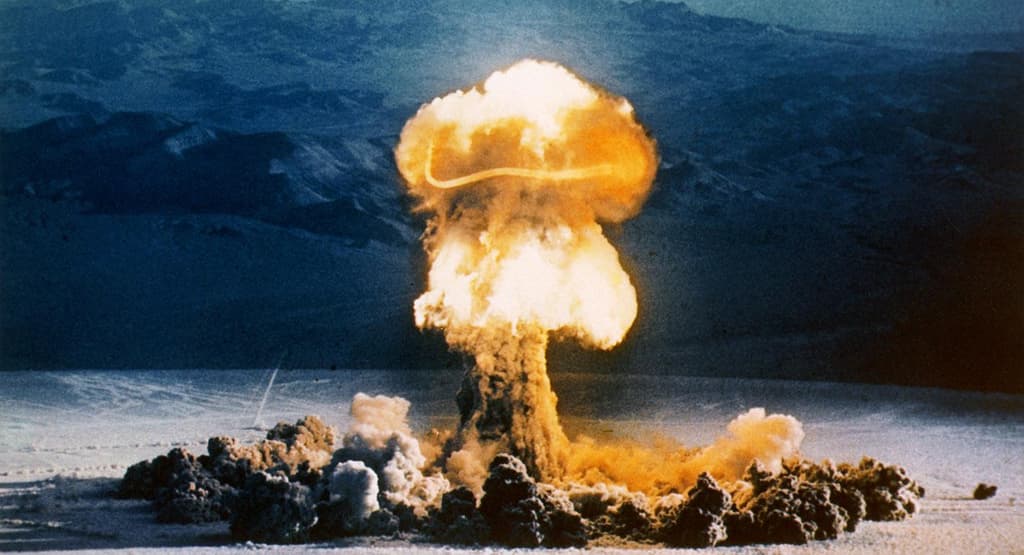
Russia has not conducted a nuclear explosion test since 1990, adhering to a voluntary moratorium despite de-ratifying the Comprehensive Nuclear-Test-Ban Treaty in 2023 and preparing Novaya Zemlya for potential resumption. Recent strategic developments include President Putin's November 2025 order to draft nuclear testing proposals amid U.S. signals on resuming tests, followed by the New START treaty's expiration on February 5, 2026, removing limits on deployed strategic warheads. On April 2, Russian nuclear missile forces held drills in Siberia with Yars ICBM maneuvers and launches from land and submarine platforms, signaling readiness but no detonation. Kremlin statements denied secret tests in February, while planned 2026 ICBM flight tests could heighten tensions without implying explosive verification. Escalation risks persist amid Ukraine conflict and U.S.-Russia arms talks.
Experimental AI-generated summary referencing Polymarket data · Updated$1,325,014 Vol.
June 30, 2026
2%
September 30, 2026
10%
December 31, 2026
12%
$1,325,014 Vol.
June 30, 2026
2%
September 30, 2026
10%
December 31, 2026
12%
A nuclear test is defined as the intentional non-combat detonation of a device by Russia that produces a nuclear chain reaction (fission or fusion), regardless of yield.
Accidents, radiological dispersal devices (bombs that spread radioactive material using conventional explosives such as "dirty bombs"), or actions by third parties will not count toward this market's resolution.
Tests not explicitly claimed by Russia may still qualify if a clear consensus of credible reporting attributes the nuclear detonation to Russia. For example, an unclaimed nuclear test analogous to the 1979 "Vela Incident" would count if credible reporting attributes it to Russia.
The resolution source for this market will be a broad consensus of credible reporting.
Market Opened: Mar 31, 2026, 3:33 PM ET
Resolver
0x65070BE91...A nuclear test is defined as the intentional non-combat detonation of a device by Russia that produces a nuclear chain reaction (fission or fusion), regardless of yield.
Accidents, radiological dispersal devices (bombs that spread radioactive material using conventional explosives such as "dirty bombs"), or actions by third parties will not count toward this market's resolution.
Tests not explicitly claimed by Russia may still qualify if a clear consensus of credible reporting attributes the nuclear detonation to Russia. For example, an unclaimed nuclear test analogous to the 1979 "Vela Incident" would count if credible reporting attributes it to Russia.
The resolution source for this market will be a broad consensus of credible reporting.
Resolver
0x65070BE91...Russia has not conducted a nuclear explosion test since 1990, adhering to a voluntary moratorium despite de-ratifying the Comprehensive Nuclear-Test-Ban Treaty in 2023 and preparing Novaya Zemlya for potential resumption. Recent strategic developments include President Putin's November 2025 order to draft nuclear testing proposals amid U.S. signals on resuming tests, followed by the New START treaty's expiration on February 5, 2026, removing limits on deployed strategic warheads. On April 2, Russian nuclear missile forces held drills in Siberia with Yars ICBM maneuvers and launches from land and submarine platforms, signaling readiness but no detonation. Kremlin statements denied secret tests in February, while planned 2026 ICBM flight tests could heighten tensions without implying explosive verification. Escalation risks persist amid Ukraine conflict and U.S.-Russia arms talks.
Experimental AI-generated summary referencing Polymarket data · Updated


Beware of external links.
Frequently Asked Questions