icon for Underground Pyramid structures confirmed by peer review?

Underground Pyramid structures confirmed by peer review?

icon for Underground Pyramid structures confirmed by peer review?

Underground Pyramid structures confirmed by peer review?

Ja

<1% Chance
Polymarket

$22,448 Vol.

Ja

<1% Chance
Polymarket

$22,448 Vol.

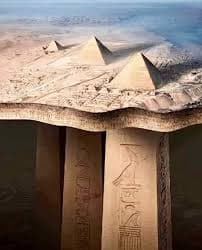
In March 2025, members of the Khafre Project—including Corrado Malanga, Filippo Biondi, and Nicole Ciccolo—publicly claimed to have discovered large-scale man-made underground structures beneath the Giza pyramids using radar imaging (see: https://www.telegraph.co.uk/news/2025/03/23/egyptologists-row-over-underground-city-beneath-pyramids/). This market will resolve to "Yes" if, a peer-reviewed academic journal publishes a scientific article authored by any member of the Khafre Project team—Corrado Malanga, Filippo Biondi, or Nicole Ciccolo—presenting radar-based evidence of large-scale underground man-made structures beneath the Giza pyramids by December 31, 2025, 11:59 PM ET. Otherwise, this market will resolve to “No”. The article must reference the Giza Plateau, the Khafre pyramid, or Giza in general, and it must substantively describe the structures claimed in March 2025. Only journals indexed by Scopus, Web of Science, or DOAJ will qualify. Preprints, conference abstracts, white papers, press releases, or publications on personal websites will not alone count. The resolution source will be consensus of credible reporting.

In March 2025, members of the Khafre Project—including Corrado Malanga, Filippo Biondi, and Nicole Ciccolo—publicly claimed to have discovered large-scale man-made underground structures beneath the Giza pyramids using radar imaging (see: https://www.telegraph.co.uk/news/2025/03/23/egyptologists-row-over-underground-city-beneath-pyramids/).

This market will resolve to "Yes" if, a peer-reviewed academic journal publishes a scientific article authored by any member of the Khafre Project team—Corrado Malanga, Filippo Biondi, or Nicole Ciccolo—presenting radar-based evidence of large-scale underground man-made structures beneath the Giza pyramids by December 31, 2025, 11:59 PM ET. Otherwise, this market will resolve to “No”.

The article must reference the Giza Plateau, the Khafre pyramid, or Giza in general, and it must substantively describe the structures claimed in March 2025.

Only journals indexed by Scopus, Web of Science, or DOAJ will qualify.

Preprints, conference abstracts, white papers, press releases, or publications on personal websites will not alone count.

The resolution source will be consensus of credible reporting.
Volumen
$22,448
Enddatum
31. Dez. 2025
Markt eröffnet
Mar 24, 2025, 1:24 PM ET
In March 2025, members of the Khafre Project—including Corrado Malanga, Filippo Biondi, and Nicole Ciccolo—publicly claimed to have discovered large-scale man-made underground structures beneath the Giza pyramids using radar imaging (see: https://www.telegraph.co.uk/news/2025/03/23/egyptologists-row-over-underground-city-beneath-pyramids/). This market will resolve to "Yes" if, a peer-reviewed academic journal publishes a scientific article authored by any member of the Khafre Project team—Corrado Malanga, Filippo Biondi, or Nicole Ciccolo—presenting radar-based evidence of large-scale underground man-made structures beneath the Giza pyramids by December 31, 2025, 11:59 PM ET. Otherwise, this market will resolve to “No”. The article must reference the Giza Plateau, the Khafre pyramid, or Giza in general, and it must substantively describe the structures claimed in March 2025. Only journals indexed by Scopus, Web of Science, or DOAJ will qualify. Preprints, conference abstracts, white papers, press releases, or publications on personal websites will not alone count. The resolution source will be consensus of credible reporting.

Vorgeschlagenes Ergebnis: Nein

Kein Einspruch

Endgültiges Ergebnis: Nein

In March 2025, members of the Khafre Project—including Corrado Malanga, Filippo Biondi, and Nicole Ciccolo—publicly claimed to have discovered large-scale man-made underground structures beneath the Giza pyramids using radar imaging (see: https://www.telegraph.co.uk/news/2025/03/23/egyptologists-row-over-underground-city-beneath-pyramids/). This market will resolve to "Yes" if, a peer-reviewed academic journal publishes a scientific article authored by any member of the Khafre Project team—Corrado Malanga, Filippo Biondi, or Nicole Ciccolo—presenting radar-based evidence of large-scale underground man-made structures beneath the Giza pyramids by December 31, 2025, 11:59 PM ET. Otherwise, this market will resolve to “No”. The article must reference the Giza Plateau, the Khafre pyramid, or Giza in general, and it must substantively describe the structures claimed in March 2025. Only journals indexed by Scopus, Web of Science, or DOAJ will qualify. Preprints, conference abstracts, white papers, press releases, or publications on personal websites will not alone count. The resolution source will be consensus of credible reporting.

In March 2025, members of the Khafre Project—including Corrado Malanga, Filippo Biondi, and Nicole Ciccolo—publicly claimed to have discovered large-scale man-made underground structures beneath the Giza pyramids using radar imaging (see: https://www.telegraph.co.uk/news/2025/03/23/egyptologists-row-over-underground-city-beneath-pyramids/).

This market will resolve to "Yes" if, a peer-reviewed academic journal publishes a scientific article authored by any member of the Khafre Project team—Corrado Malanga, Filippo Biondi, or Nicole Ciccolo—presenting radar-based evidence of large-scale underground man-made structures beneath the Giza pyramids by December 31, 2025, 11:59 PM ET. Otherwise, this market will resolve to “No”.

The article must reference the Giza Plateau, the Khafre pyramid, or Giza in general, and it must substantively describe the structures claimed in March 2025.

Only journals indexed by Scopus, Web of Science, or DOAJ will qualify.

Preprints, conference abstracts, white papers, press releases, or publications on personal websites will not alone count.

The resolution source will be consensus of credible reporting.
Volumen
$22,448
Enddatum
31. Dez. 2025
Markt eröffnet
Mar 24, 2025, 1:24 PM ET
In March 2025, members of the Khafre Project—including Corrado Malanga, Filippo Biondi, and Nicole Ciccolo—publicly claimed to have discovered large-scale man-made underground structures beneath the Giza pyramids using radar imaging (see: https://www.telegraph.co.uk/news/2025/03/23/egyptologists-row-over-underground-city-beneath-pyramids/). This market will resolve to "Yes" if, a peer-reviewed academic journal publishes a scientific article authored by any member of the Khafre Project team—Corrado Malanga, Filippo Biondi, or Nicole Ciccolo—presenting radar-based evidence of large-scale underground man-made structures beneath the Giza pyramids by December 31, 2025, 11:59 PM ET. Otherwise, this market will resolve to “No”. The article must reference the Giza Plateau, the Khafre pyramid, or Giza in general, and it must substantively describe the structures claimed in March 2025. Only journals indexed by Scopus, Web of Science, or DOAJ will qualify. Preprints, conference abstracts, white papers, press releases, or publications on personal websites will not alone count. The resolution source will be consensus of credible reporting.

Vorgeschlagenes Ergebnis: Nein

Kein Einspruch

Endgültiges Ergebnis: Nein

Vorsicht bei externen Links.

Häufig gestellte Fragen

„Underground Pyramid structures confirmed by peer review?" ist ein Prognosemarkt auf Polymarket mit 2 möglichen Ergebnissen, bei dem Händler Anteile auf Basis ihrer Einschätzung kaufen und verkaufen. Das aktuell führende Ergebnis ist „Unterirdische Pyramidenstrukturen durch Peer-Review bestätigt?" mit 0%. Die Preise spiegeln Echtzeit-Wahrscheinlichkeiten der Community wider. Ein Anteilspreis von 0¢ bedeutet, dass der Markt diesem Ergebnis eine Wahrscheinlichkeit von 0% zuweist. Diese Quoten ändern sich laufend, wenn Händler auf neue Entwicklungen reagieren. Anteile am richtigen Ergebnis können bei Marktauflösung für jeweils $1 eingelöst werden.

Stand heute hat „Underground Pyramid structures confirmed by peer review?" ein Gesamthandelsvolumen von $22.4K generiert, seit der Markt am Mar 24, 2025 gestartet wurde. Dieses Aktivitätsniveau spiegelt starkes Engagement der Polymarket-Community wider und stellt sicher, dass die aktuellen Quoten von einem breiten Pool an Marktteilnehmern geprägt werden. Sie können Live-Preisbewegungen verfolgen und direkt auf dieser Seite auf jedes Ergebnis handeln.

Um auf „Underground Pyramid structures confirmed by peer review?" zu handeln, durchsuchen Sie die 2 verfügbaren Ergebnisse auf dieser Seite. Jedes Ergebnis zeigt einen aktuellen Preis, der die implizierte Wahrscheinlichkeit des Marktes darstellt. Um eine Position einzunehmen, wählen Sie das Ergebnis, das Sie für am wahrscheinlichsten halten, wählen Sie „Ja" um dafür oder „Nein" um dagegen zu handeln, geben Sie Ihren Betrag ein und klicken Sie auf „Handeln". Liegt Ihr gewähltes Ergebnis bei Marktauflösung richtig, zahlen Ihre „Ja"-Anteile jeweils $1 aus. Liegt es falsch, zahlen sie $0. Sie können Ihre Anteile auch jederzeit vor der Auflösung verkaufen.

Dies ist ein offener Markt. Der aktuelle Spitzenreiter für „Underground Pyramid structures confirmed by peer review?" ist „Unterirdische Pyramidenstrukturen durch Peer-Review bestätigt?" mit nur 0%. Da kein Ergebnis eine starke Mehrheit hat, sehen Händler dies als hochgradig unsicher an, was einzigartige Handelsmöglichkeiten bieten kann. Diese Quoten werden in Echtzeit aktualisiert – speichern Sie diese Seite als Lesezeichen.

Die Auflösungsregeln für „Underground Pyramid structures confirmed by peer review?" definieren genau, was passieren muss, damit jedes Ergebnis als Gewinner erklärt wird – einschließlich der offiziellen Datenquellen zur Bestimmung des Ergebnisses. Sie können die vollständigen Auflösungskriterien im Abschnitt „Regeln" auf dieser Seite über den Kommentaren einsehen. Wir empfehlen, die Regeln vor dem Handeln sorgfältig zu lesen, da sie die genauen Bedingungen, Sonderfälle und Quellen festlegen.